
Early signs of termites in a building
Termites eat timber from the inside and leave the outer shell intact. By the time damage is visible it has been going on a long while, but the signs come earlier.
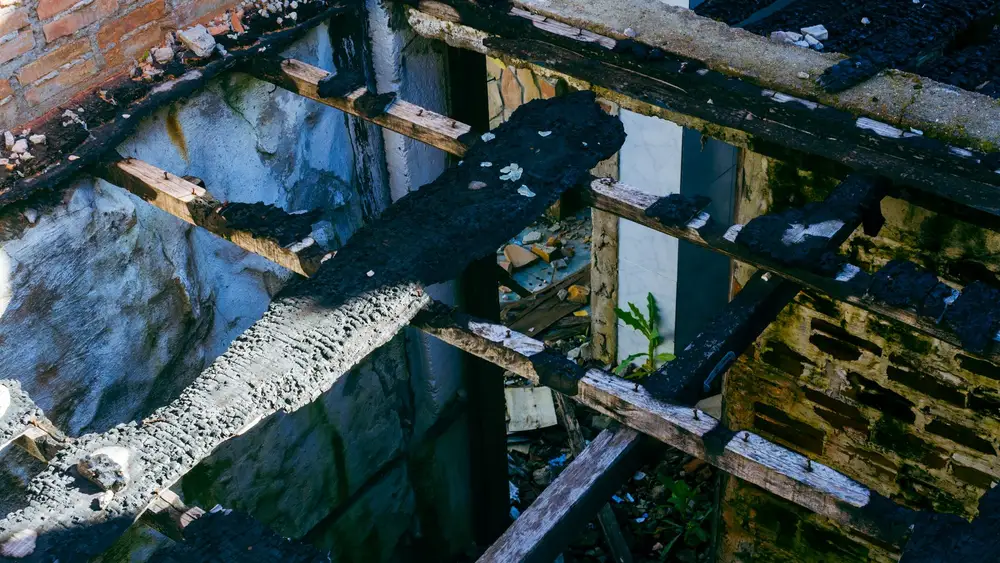
Of all household pests, termites are the only one that attacks the building rather than the people in it. They do not bite, carry no disease, and are never seen in the kitchen at night. They are also the most expensive thing on this list to ignore.
Why they are found late
Termites avoid air and light completely. They work inside timber or inside tunnels they build themselves, eating the soft inner layers and leaving the outer surface untouched. So the door looks sound and the beam looks sound, right up until something gives way.
The damage you can see is the end of the story, not the beginning.
Sign one: mud tubes
The clearest sign there is. Subterranean termites build narrow tunnels of soil, sand and saliva to cross open ground between the earth and the timber, roughly the width of a pencil. Look for them on:
- External walls near ground level, especially the shaded damp side.
- Foundations and boundary wall posts.
- Inside inspection chambers and around drainage pipes.
- Behind furniture standing against an external wall.
Break a small section of tube and check it two days later. If it has been rebuilt, the colony is active now rather than a historic trace.
Sign two: shed wings
In certain seasons winged individuals leave to start new colonies, then discard their wings once they settle. Small piles of translucent wings, all the same length, on a windowsill or near a light or on a door threshold, is a strong indicator, and usually means a colony nearby rather than one passing through.
Sign three: timber that sounds hollow
Tap the handle of a screwdriver against older wooden doors, lower frames and shelves fixed into walls. Sound timber gives a solid note; affected timber sounds hollow and can give slightly under light pressure. Pay particular attention to the lowest twenty centimetres above the floor, the closest point to the soil.
Sign four: what makes a building an easier target
Subterranean termites need moisture, and any permanent source of it near timber is an open invitation:
- A slow leak under a sink or in a buried pipe.
- Poor drainage leaving the soil damp against the foundations.
- Timber in direct contact with soil, such as a shade post or a wooden screen.
- Building timber or cardboard stored directly on the ground.
Why surface spraying does not treat it
Termite treatment is not a spray on the face of some wood. The colony lives in the soil or inside the structure, and the treatment targets the route between it and the building: treating the soil at entry points and injecting affected voids. That is why this service differs from the rest of pest control, and why it needs an inspection before any estimate.
If you find one mud tube, do not wait for the second. An inspection costs less than a repair, and termite control starts by tracing the mud back to its source rather than spraying the timber you can see.