
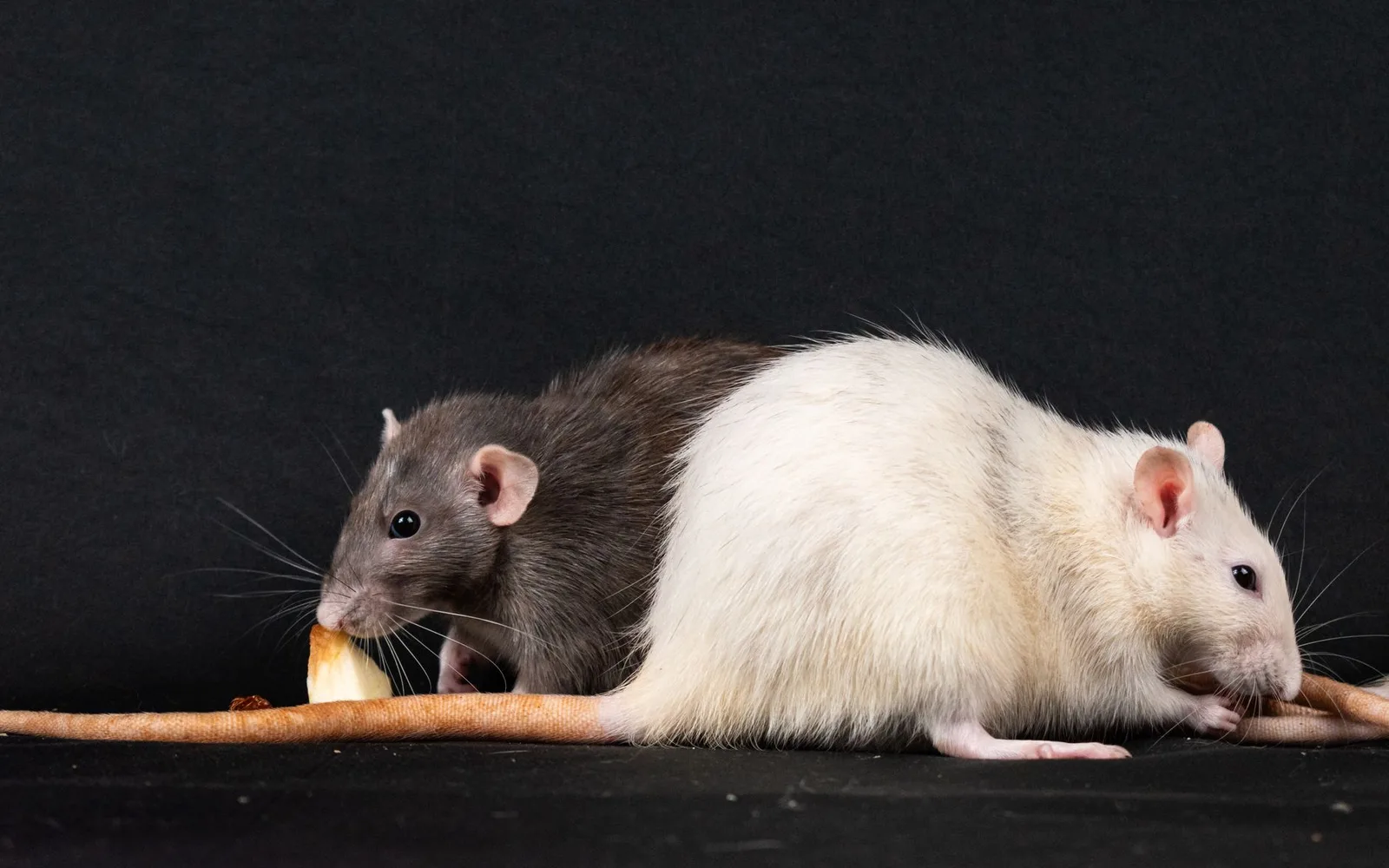
Rodent control for homes and buildings
We trace the entry points and the runs first, close what can be closed with material that cannot be gnawed through, and only then place bait in secured stations outside and traps inside.
-
Targeted, not broadcast
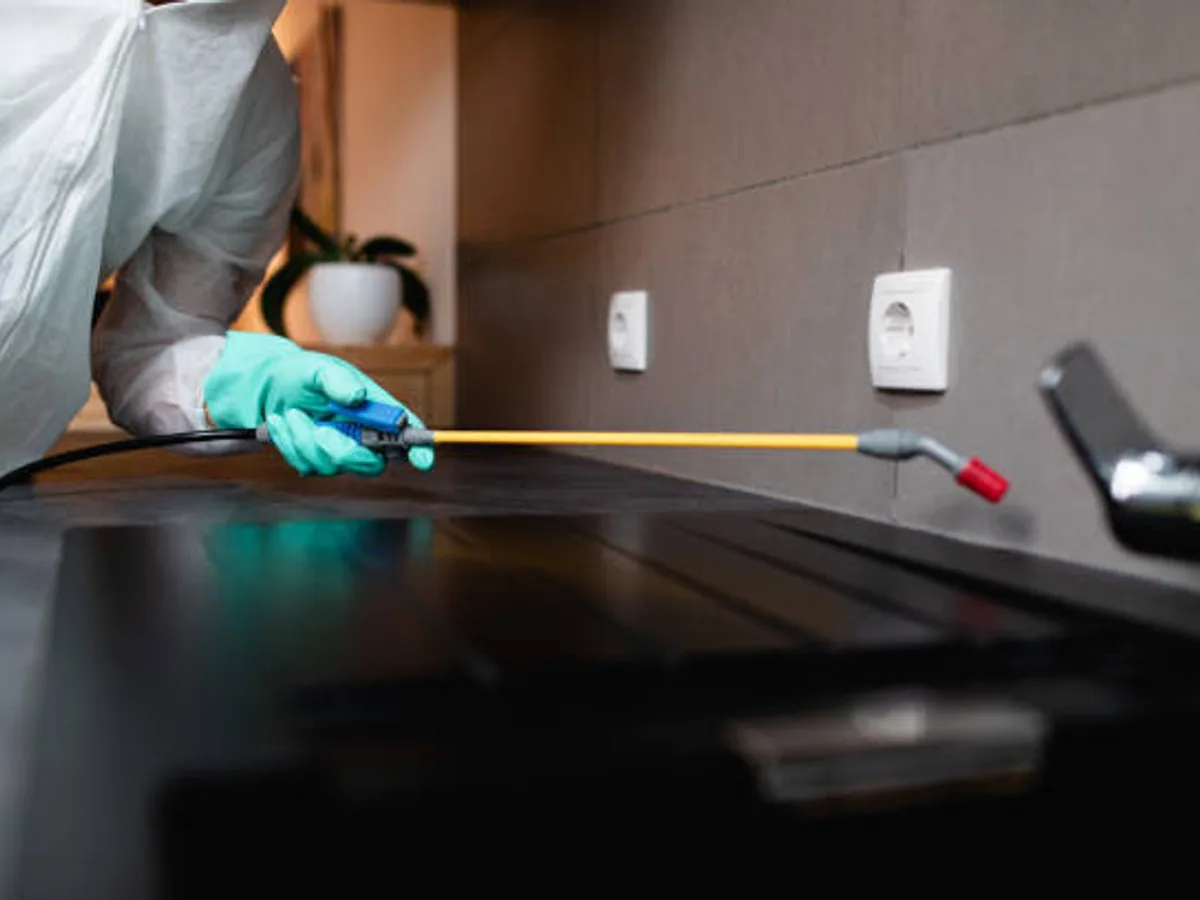
Product goes into cracks and runways, never sprayed across open surfaces.
-
Told before we start
What we will use, where it goes, and what to cover or move before we arrive.
-
A follow-up visit
We return after the first treatment, because what survives it does not show on the day.
-
Homes and businesses
Apartments and villas, and kitchens and stores that need a record of each visit.
Why bait on its own usually fails
Three reasons, and they explain the week of quiet before it came back.
The building is still open
A mouse passes through a gap the width of a pencil, a rat through one the size of a small coin. While that gap stays open, the bait is feeding next week's arrival.
The bait competes with easier food
An open sack, a pet bowl or a bin area nearby makes the bait the second best meal. Take stays low, and the treatment looks like it did nothing.
A rodent is wary of anything new
A rat avoids a new object on its run for days before it goes near it, and the products used need repeated feeding rather than a single meal. Two days is too early to read the result.
What we read in the building before any bait goes down
Six things we look for on the first walk round, and each one changes where a station goes or how an opening is closed.
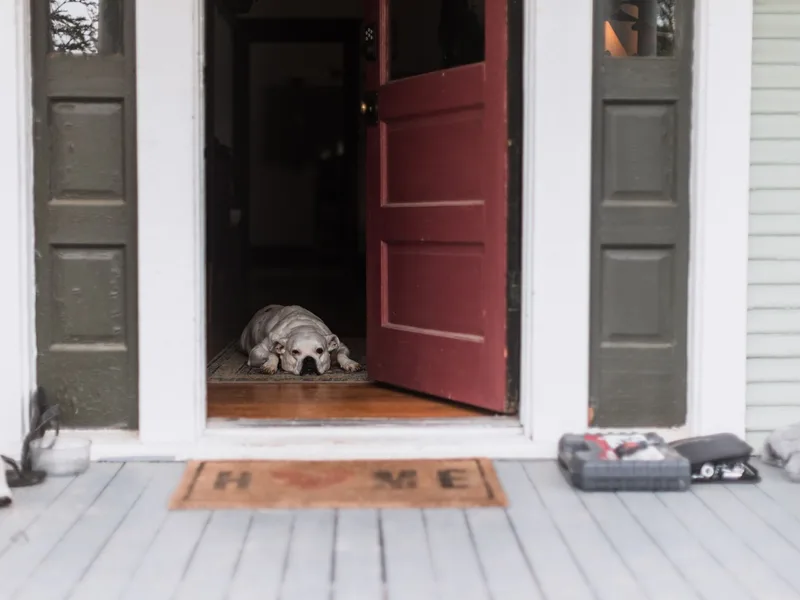
The gap under the door
If a pencil rolls under the door, a mouse walks under it, so proofing starts with a metal base strip rather than a spray.
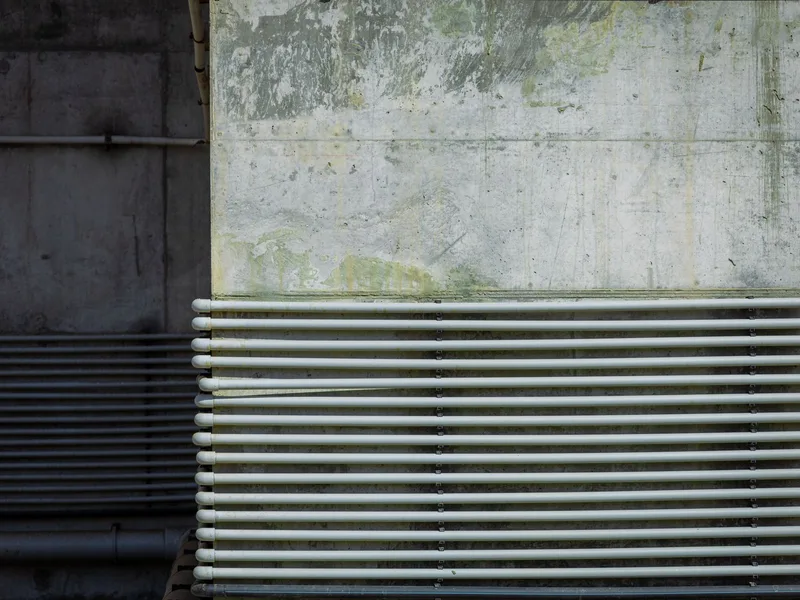
Pipe and conduit openings
The opening around a pipe sleeve or an air conditioning drain line is left open after installation, and it is a route from outside the unit rather than inside it.
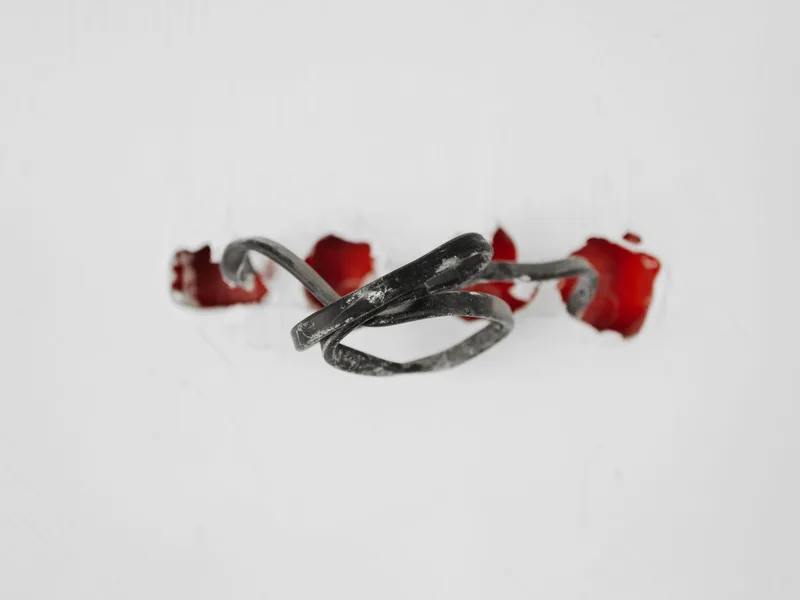
Gnaw marks
The incisors keep growing, so wood, plastic pipe and cable sheathing get cut, and a pale fresh mark means current activity and tells us foam and silicone will not hold.
The run along the wall
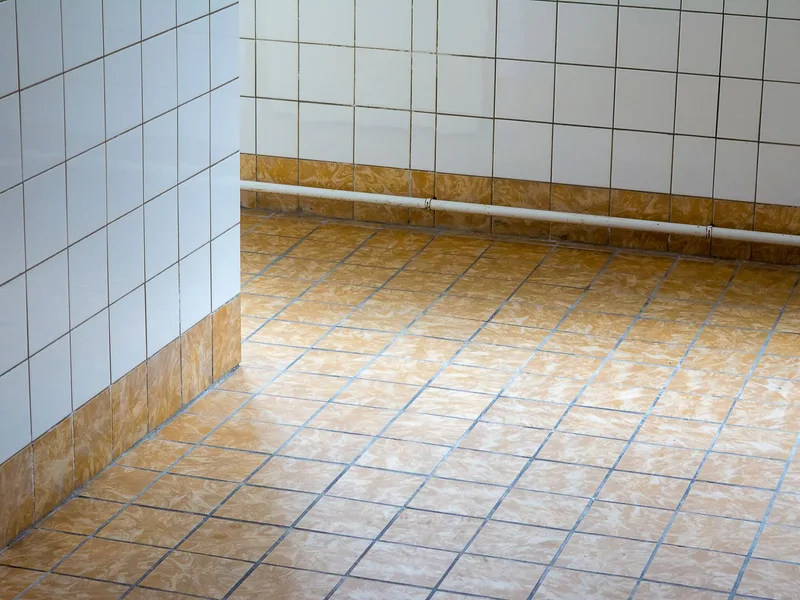
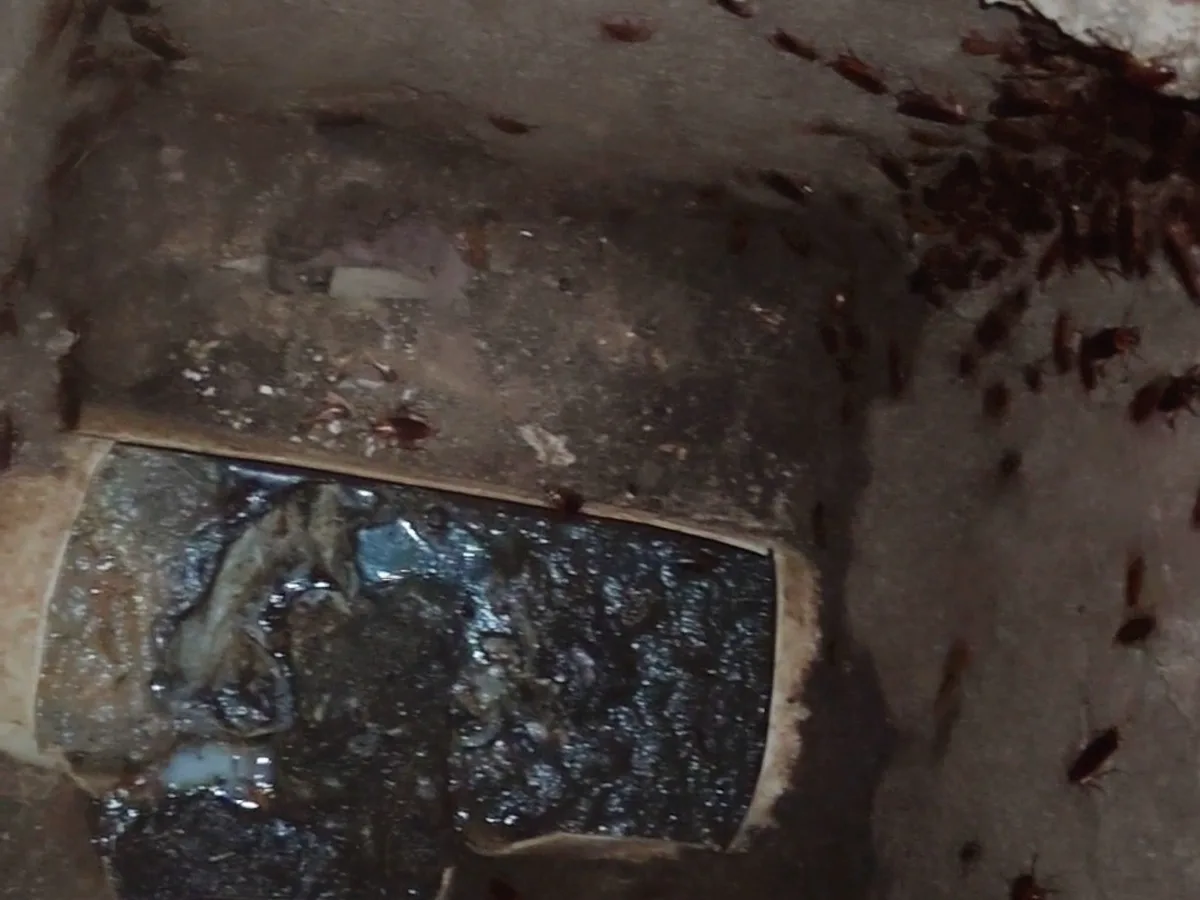
A rodent travels touching a surface, leaving a dark smear and droppings along the skirting and the pipe run, and that is where a station or a trap goes, never the middle of a room.

The route from above
The climbing rat comes up cables, palm fronds and downpipes into a false ceiling, and if the evidence is upstairs the work starts at the roofline rather than at ground level.
The water and the food on offer
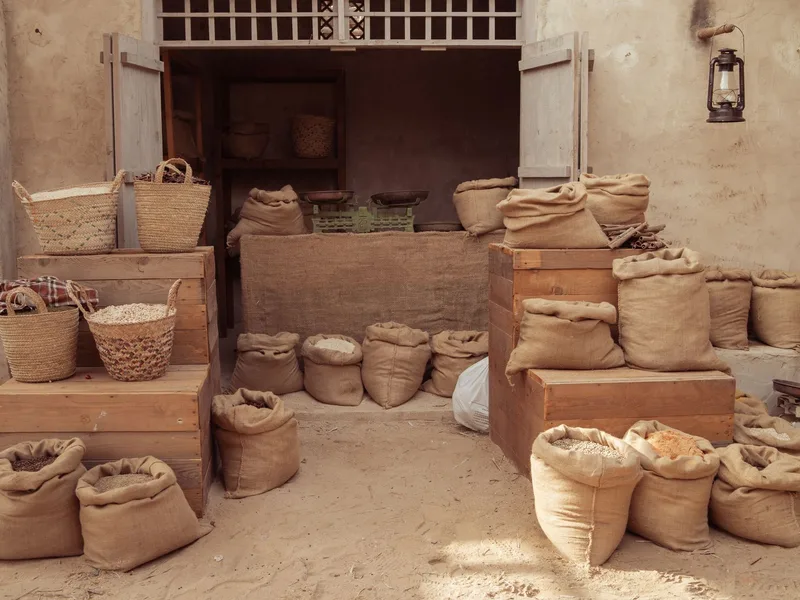
Sacks on the floor, a dripping tap and a pet bowl left out at night: each one is lifted or closed, or the bait never becomes the better option.
How the visit runs
Four steps, and the sealing comes before the bait, not after it.
-
1
Inspect and trace the runs
We work the perimeter, the kitchen, the store and the false ceiling, establish the species, the entry points and the water source, and mark the station positions before anything is carried in.
-
2
Close the openings
Metal mesh, mortar and base strips at the gaps, around pipe sleeves and at vents, because foam and silicone are gnawed through within days.
-
3
Secured bait and traps
Closed stations fixed on the runs outside the building, and traps rather than loose bait indoors, so that anything that dies stays somewhere we can reach.
-
4
The follow-up visit
We read the take at each station, replenish what has gone, remove anything found, and close any opening that showed itself once the movement settled.
What rodent control includes
-

Inspection and a station map
Entry points, runs and station positions recorded, so the same points are checked on every visit.
-

Sealing pipes and drains
Floor traps, pipe sleeves, vents and the air conditioning drain line, the routes that arrive from outside the unit.
-

Secured bait stations
Closed and fixed on the outside runs, out of reach of children and animals, while indoors we work with traps.
-

Treating the nest site
A rodent leaves parasites and nesting material behind, so the nest is removed and the void it sat in is treated.
-

Aftercare instructions
Stock lifted off the floor, droppings cleaned damp with disinfectant instead of swept dry, and pet bowls emptied at night.
-

A scheduled follow-up
A set date after the first visit: read the take, replenish the bait, remove anything found and close what is still open.

Exactly where the product goes
-
1
Inside joints, not on surfaces
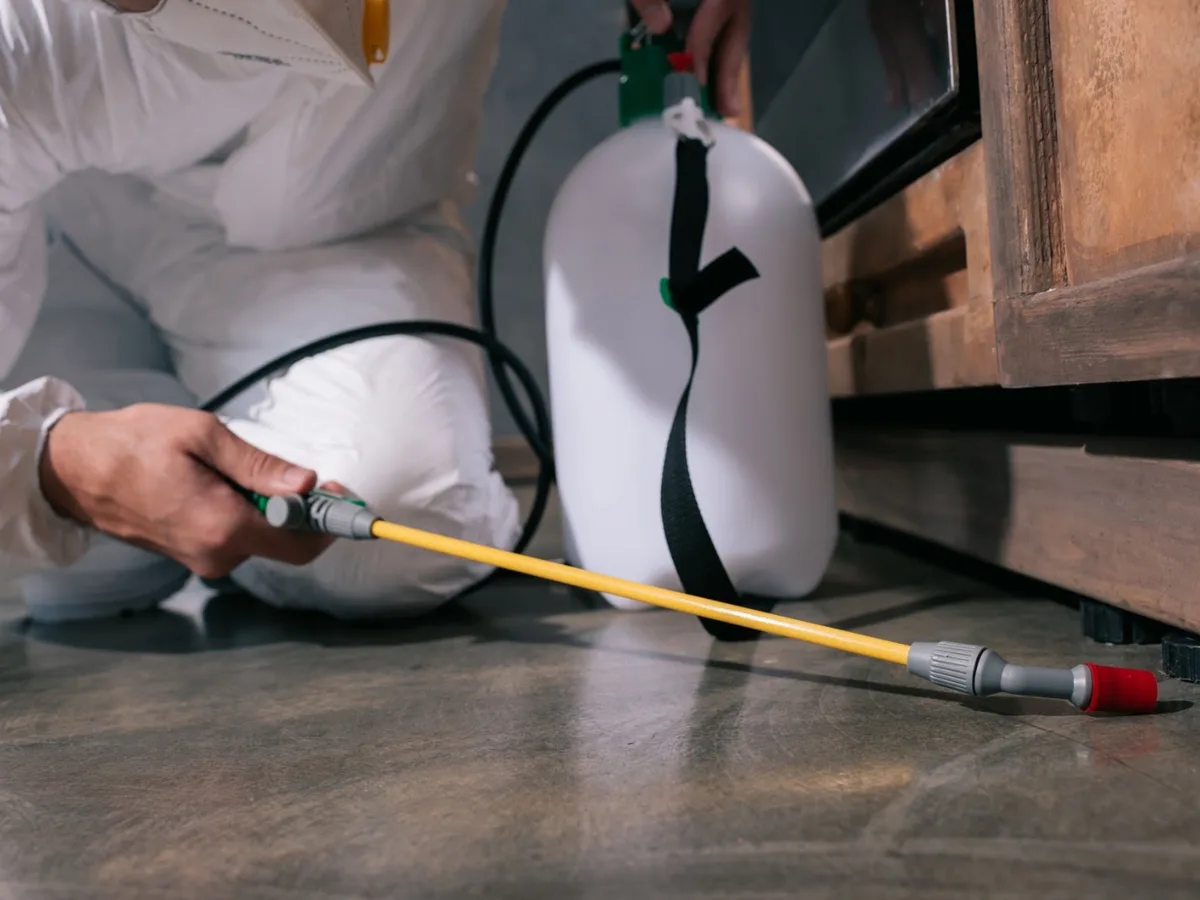
Bait goes into a cabinet joint or a gap behind an appliance, in dots the size of a match head, in places no hand reaches and nothing touches in ordinary use.
-
2
Away from where food is
Nothing is sprayed on preparation surfaces, inside food cupboards, or across open floor in living rooms and bedrooms.
-
3
A little preparation first
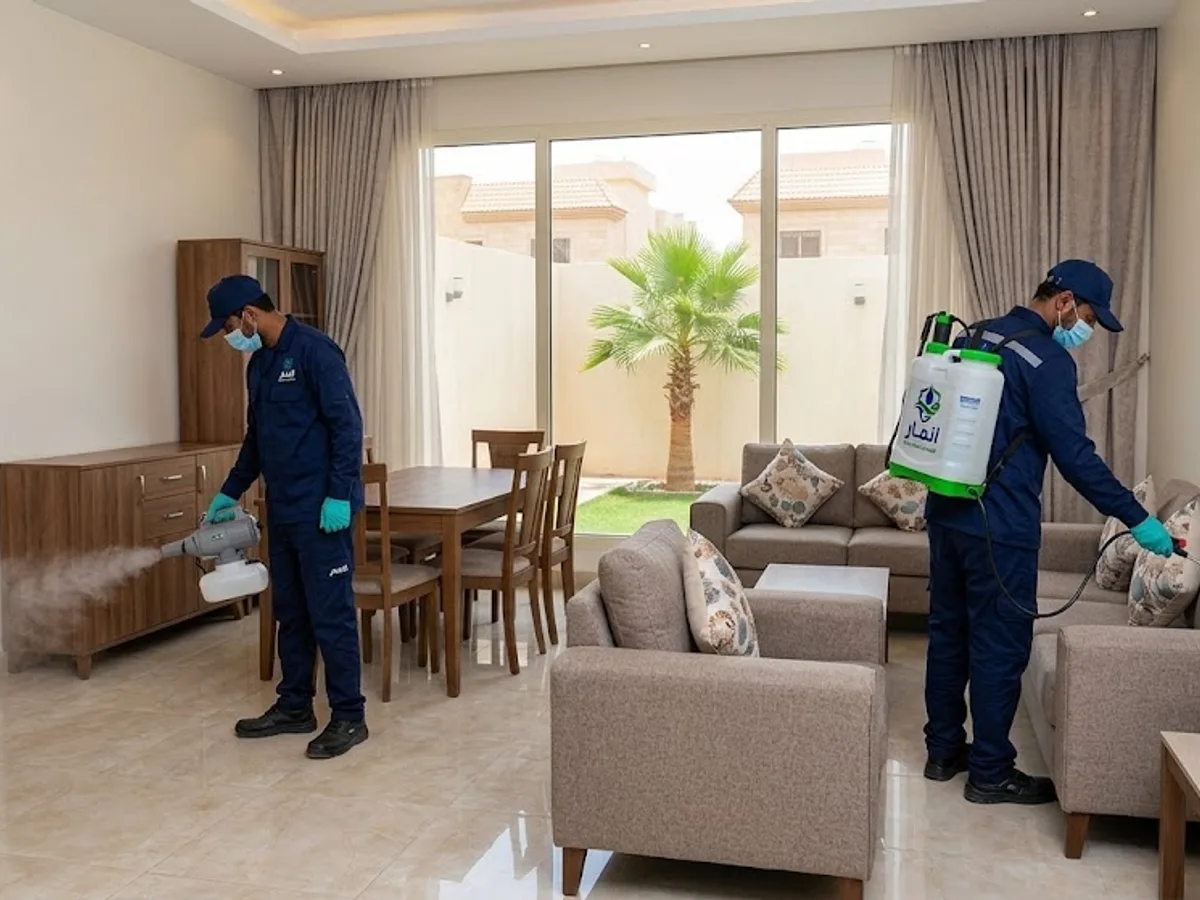
Cover dishes, move water bowls. We give you the ventilation time for your treatment on the call, rather than a general number printed on a page.
-
4
Tell us the exceptions
Asthma, an allergy or a pregnancy in the home changes the product choice and the order of the visit. It is a change we make often and it does not delay the appointment.
Our work

What customers say on Google
The termite problem disappeared after the treatment. Thank you.
Translated from the Arabic original.
We had a cockroach problem, and after the treatment, praise God, the cockroaches have largely gone. Their work is tidy and they are respectful to deal with. I recommend them.
Translated from the Arabic original.
Excellent and courteous service, and the bed bugs were cleared from the house completely. I recommend them, God willing.
Translated from the Arabic original.
We cover Jeddah and Makkah
Every district has its own page for this service. Tap yours.
Common questions
How long before the activity stops?
Usually two visits: the proofing and first treatment, then the follow-up. The products used work after repeated feeding rather than instantly, and a rat will avoid a new station for days before entering it, so the result is read at the follow-up and not after two days. A building that opens onto open ground or onto a neighbouring block can need more, and we say so after the inspection rather than before it.
Why did they come back after the last treatment?
Usually because nobody closed the opening. Bait brings down the population that is already there, it does not stop the next one using the same gap, and demolition or building work nearby, or the first cold nights, push a fresh group indoors. That is why we seal first and bait second, and why we treat the shared drain entries that carry other pests along the same route, as in Cockroach control.
Is the bait safe around children and pets?
We do not leave loose bait in an open corner. Bait sits inside closed stations fixed on the runs outside the building, and indoors we work with traps. We show you where each station is before we leave, and if a liquid product is used we give you the ventilation time on the call, because it changes with the product and the space. What you need to move is short, and it is set out in how rodents get in.
Can one die inside a wall and start to smell?
It is a real possibility, and it is why we work with traps inside the building and keep the bait stations on the outside perimeter. If it happens, we locate it by smell and by the run, open the smallest access we can, then remove, treat and disinfect the spot and close it again. Cleaning and sanitising the area afterwards is its own job, see Disinfection.
Does having rodents mean the house is not clean?
No. A rodent comes in for water, warmth and a tight place to nest, and a dripping tap plus a store door with a gap under it is enough. Numbers also move across from a neighbouring building, from ground where construction is running, or from a spot where street animals are fed, none of which is in the resident's hands.
Do you handle warehouses and restaurants?
Yes, and on a different footing: numbered stations on a plan, every station checked on every visit, and a written record of what was done. See Warehouses and factories or Restaurants and cafes, and scheduled visits in Annual contracts.
What does rodent control cost?
It is set after the inspection, because the figure follows the size of the building, how many openings need closing and with what, how far the movement has spread and how many visits it takes. The proofing work moves the figure more than the bait does. Send a photo of where you have seen the signs on WhatsApp with a description, and we will give you an estimate before we come out.
Other services
Scroll to see the rest of what we do.
-
 Residential
Cockroach control
Residential
Cockroach control
-
 Residential
Bed bug control
Residential
Bed bug control
-
 Residential
Termite control
Residential
Termite control
-
 Residential
Mosquito control
Residential
Mosquito control
-
 Residential
Fly control
Residential
Fly control
-
 Residential
Ant control
Residential
Ant control
-
 Residential
Gecko control
Residential
Gecko control
-
 Residential
Scorpion control
Residential
Scorpion control
-
 Residential
Snake control
Residential
Snake control
-
 Residential
Flea control
Residential
Flea control
-
 Residential
Bird and pigeon control
Residential
Bird and pigeon control
-
 Residential
Preventive treatment
Residential
Preventive treatment
-
 Residential
Disinfection
Residential
Disinfection
-
 Commercial
Annual contracts
Commercial
Annual contracts
-
 Commercial
Restaurants and cafes
Commercial
Restaurants and cafes
-
 Commercial
Hotels and apartments
Commercial
Hotels and apartments
-
 Commercial
Warehouses and factories
Commercial
Warehouses and factories
-
 Commercial
Schools and nurseries
Commercial
Schools and nurseries
-
 Commercial
Retail and malls
Commercial
Retail and malls
-
 Commercial
Rest houses and farms
Commercial
Rest houses and farms
-
 Commercial
Fumigation
Commercial
Fumigation
-
 Water tanks
Water tank cleaning
Water tanks
Water tank cleaning
-
 Water tanks
Water tank sterilization
Water tanks
Water tank sterilization
-
 Water tanks
Water tank sealing
Water tanks
Water tank sealing
-
 Water tanks
Tank leak repair
Water tanks
Tank leak repair
Need rodent and mice control? Describe what you saw and we will tell you what it needs
A short call is enough. We tell you what we can see and the full cost before we start, and you decide after that.