
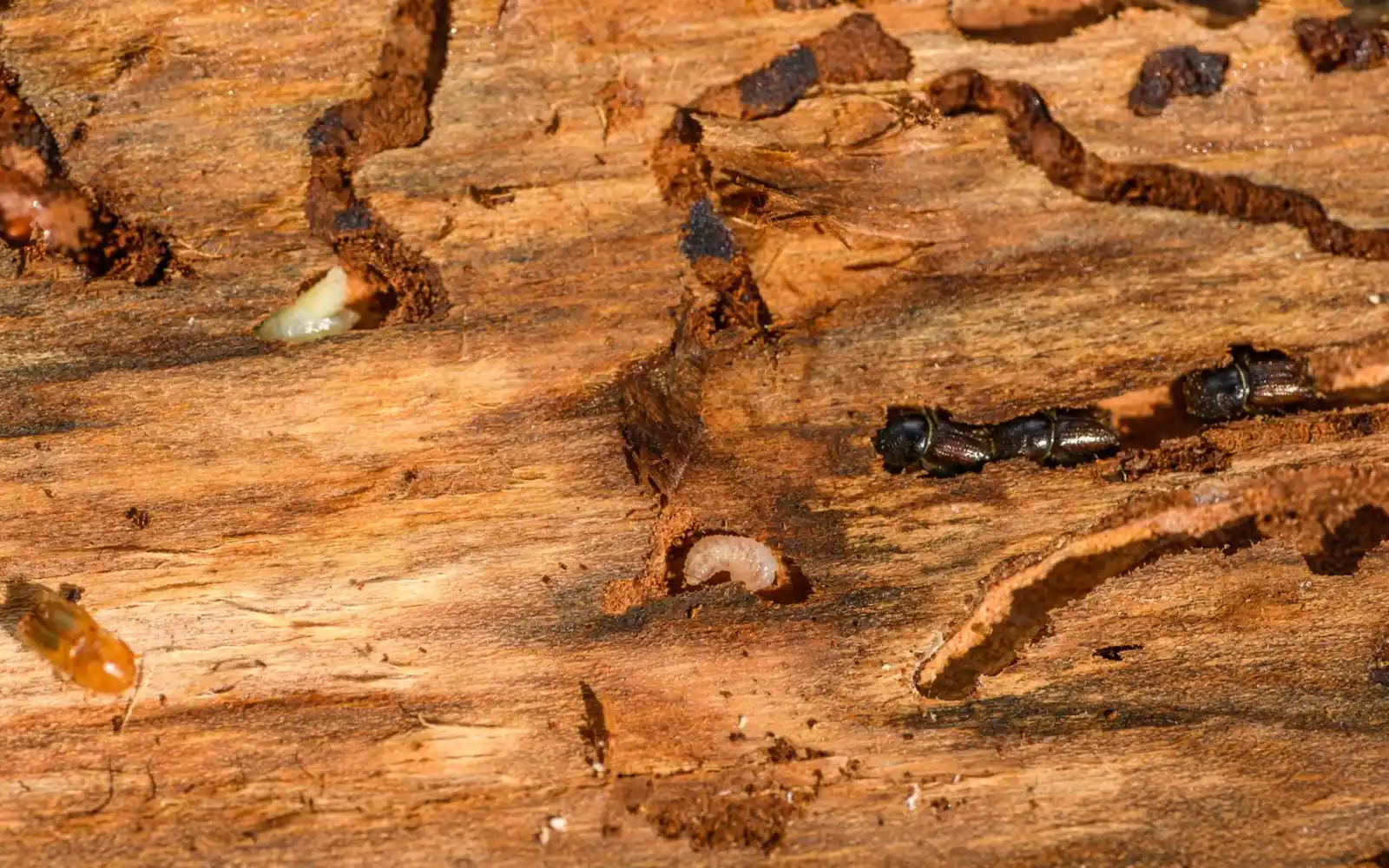
Termite control for homes and buildings
We follow the mud tubes back to the soil before anything is applied, treat the ground at the footing and the points where it comes through the slab, then place bait the workers carry back into the colony. We return to read those stations, because a colony is confirmed finished by monitoring, not by tubes disappearing off a wall.
-
Targeted, not broadcast
Product goes into cracks and runways, never sprayed across open surfaces.
-
Told before we start
What we will use, where it goes, and what to cover or move before we arrive.
-
A follow-up visit
We return after the first treatment, because what survives it does not show on the day.
-
Homes and businesses
Apartments and villas, and kitchens and stores that need a record of each visit.
Why spraying a termite tube does nothing
Three reasons, and together they explain why the damage carried on after the last attempt.
The colony is in the ground, not in the wall
What shows on the wall is a foraging column. The colony and its queen sit under the soil, sometimes metres away from the timber being eaten.
It eats the wood from the inside
It never breaks the surface, so the paint stays intact over a thin shell and a void. The damage shows late, and it is always wider than it looks.
Moisture opens the route again
A leak or an irrigated bed against a wall keeps the soil usable. Any break in the treated band gets found and used within weeks.
The evidence that decides the treatment
What we read in the building before anything is applied, and why each sign moves where the work happens.
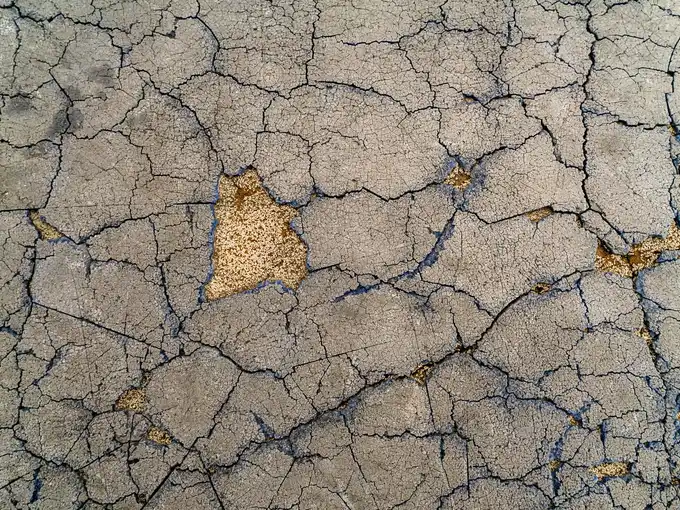
Mud tubes
A tube means a subterranean colony that needs damp and darkness to cross open ground, so we follow it down to where it leaves the soil instead of wiping it off.
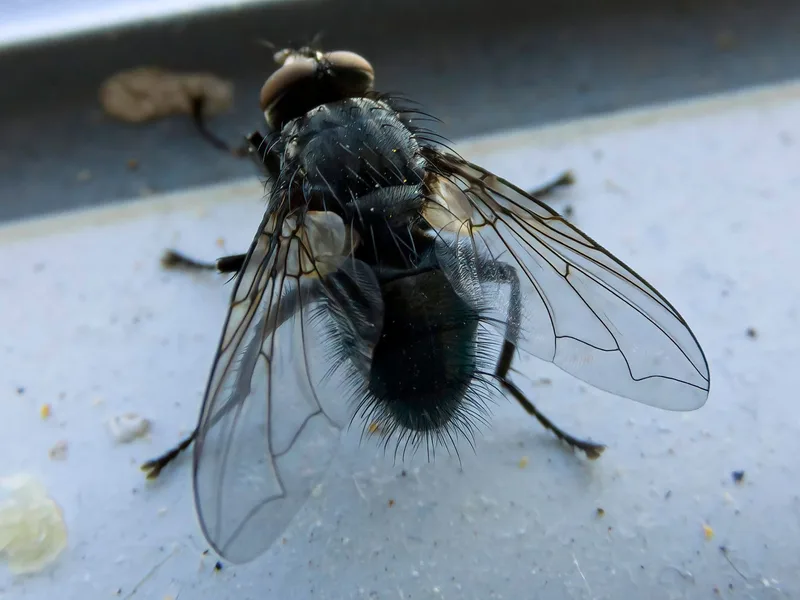
Shed wings
A pile of wings by a window after rain means a colony old enough to swarm, which widens the inspection well beyond the room you are standing in.
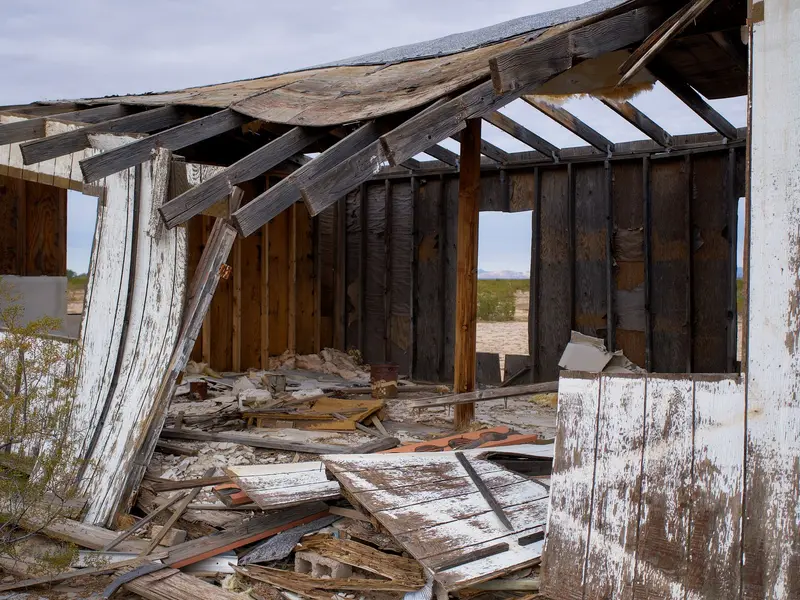
Hollow timber
Tapping finds the void under the paint and tells us whether the feeding is live now or an old scar that stopped years back.
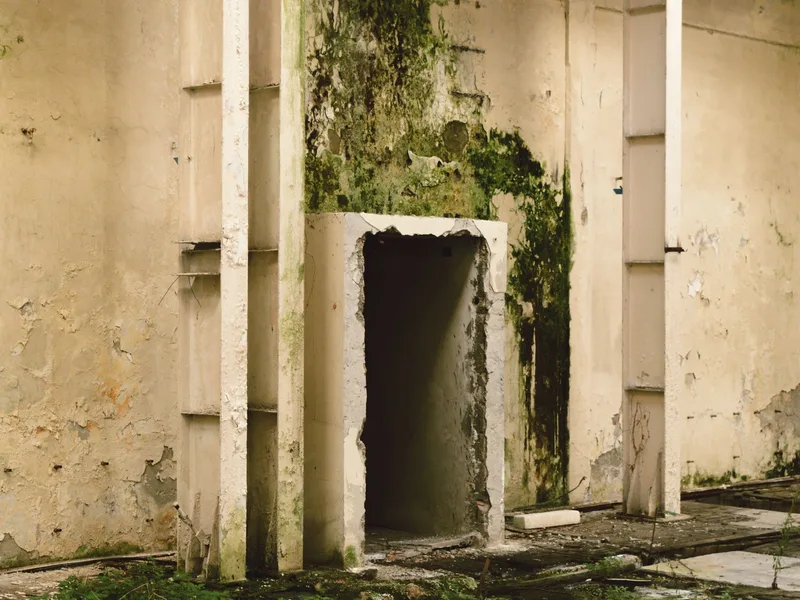
The water source
A leak, an air-conditioning drain or irrigation against the footing is what makes the soil usable, and fixing it is part of the treatment rather than a side note.

Cellulose on the floor
Cardboard and timber sitting on the floor or against a wall hands the colony a bridge over treated ground, so we ask for it lifted before we start.
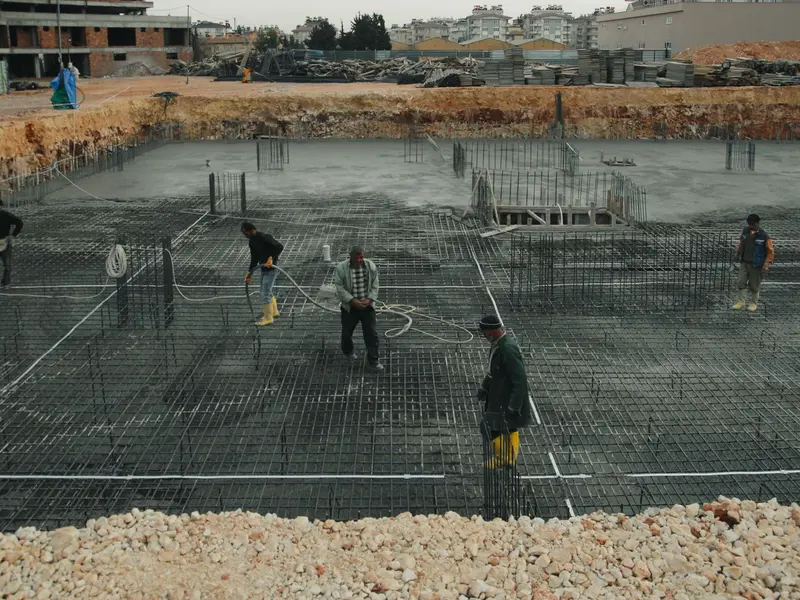
Joints and pipe entries
Joints and service penetrations are the only way up through concrete, and they decide where we drill and where we inject.
How the visit runs
Four steps. It starts by finding the source and does not end at the first application.
-
1
Inspect and trace
We sound the timber and the skirting, take moisture readings, and follow the tubes to the point where they leave the soil. We also settle the species, because one that lives inside dry wood is not treated like one that lives in the ground.
-
2
Treat the soil around the building
A narrow trench at the footing and injection at regular spacing, so the treated band runs continuous with no gap to walk around.
-
3
Drill the joints, inject the timber
Small holes at spacing along the slab joints, the wall bases and the pipe entries, direct injection into the galleries inside the affected timber, then the holes are closed and made good.
-
4
Bait stations and monitoring
Stations in the soil carrying a slow-acting material the workers pass through the colony by mouth-to-mouth feeding, and we come back to read them, because an empty tube on a wall proves nothing on its own.
What termite control includes
-

A traced, recorded inspection
Sounding, moisture readings, tubes traced back to the soil, and the species settled before anything is applied.
-

A treated band at the perimeter
Trenching and injection at the footing, spaced so the band is continuous rather than a set of patches.
-

Joints and service penetrations
Slab joints, pipe entries and floor drains, which are the ways up through the concrete.
-

Bait stations in the soil
A slow material carried back through the colony by feeding exchange, rather than stopping the workers at the wall.
-

Aftercare instructions
What not to dig or water near the treated band, what to keep off the walls, and the ventilation time we set for your case.
-

Scheduled monitoring visits
Reading the stations, sounding the same timber again, and treating any new activity.

Exactly where the product goes
-
1
Inside joints, not on surfaces
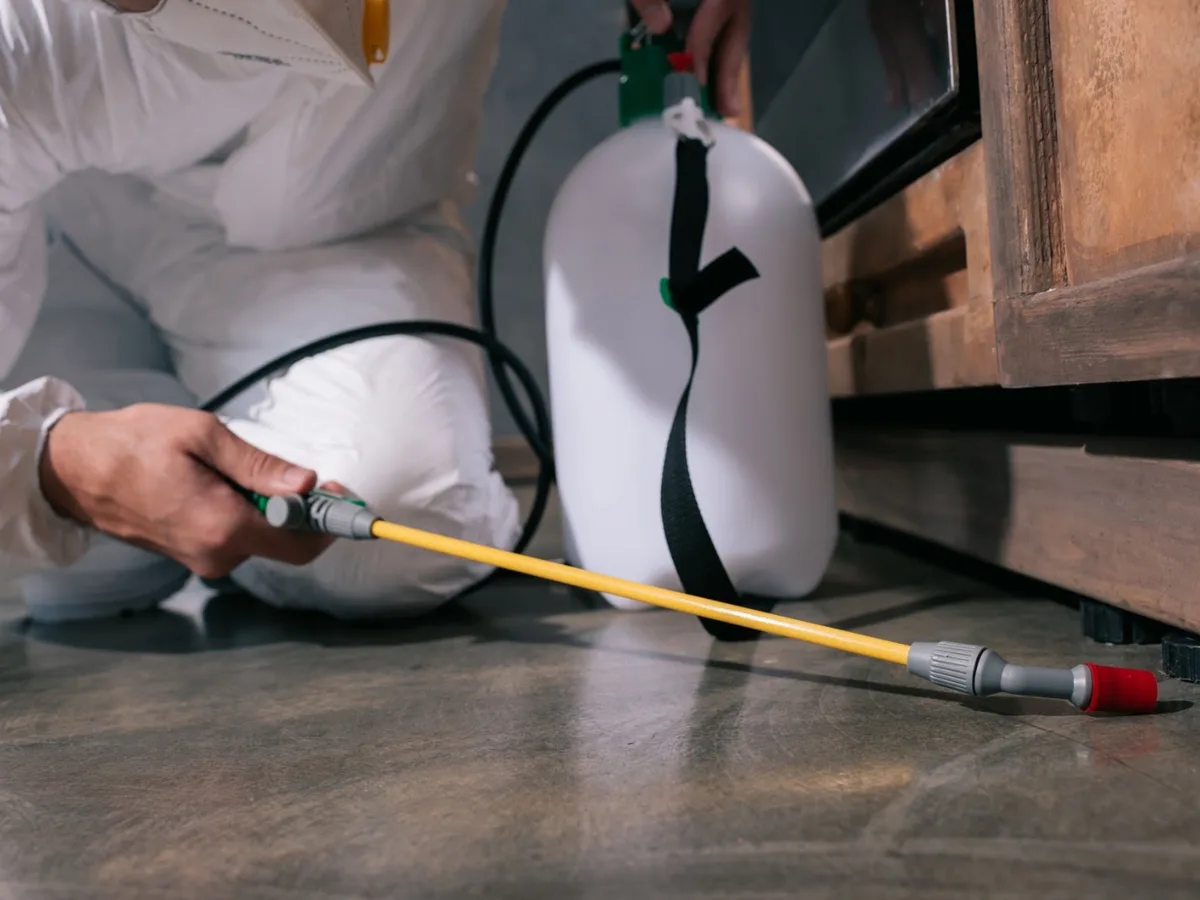
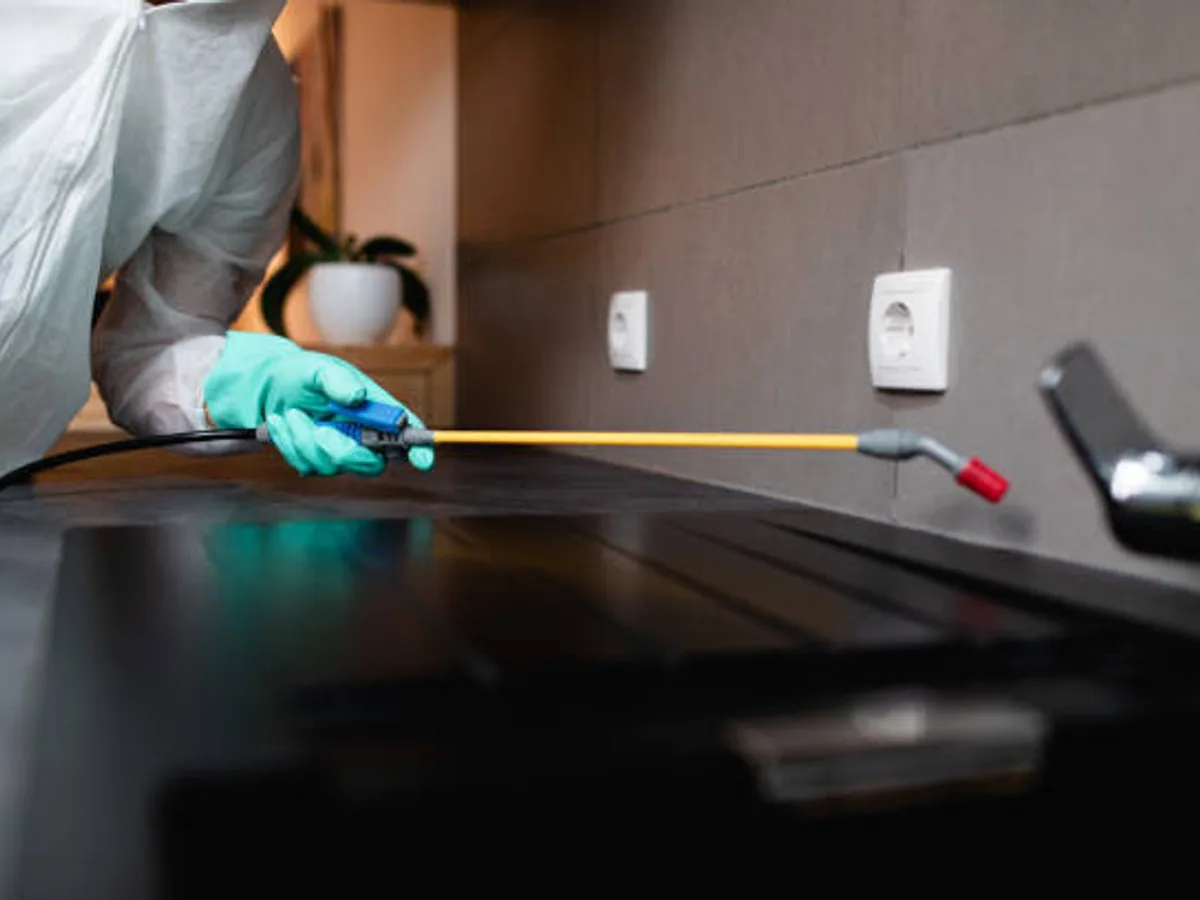
Bait goes into a cabinet joint or a gap behind an appliance, in dots the size of a match head, in places no hand reaches and nothing touches in ordinary use.
-
2
Away from where food is
Nothing is sprayed on preparation surfaces, inside food cupboards, or across open floor in living rooms and bedrooms.
-
3
A little preparation first
Cover dishes, move water bowls. We give you the ventilation time for your treatment on the call, rather than a general number printed on a page.
-
4
Tell us the exceptions
Asthma, an allergy or a pregnancy in the home changes the product choice and the order of the visit. It is a change we make often and it does not delay the appointment.
Our work

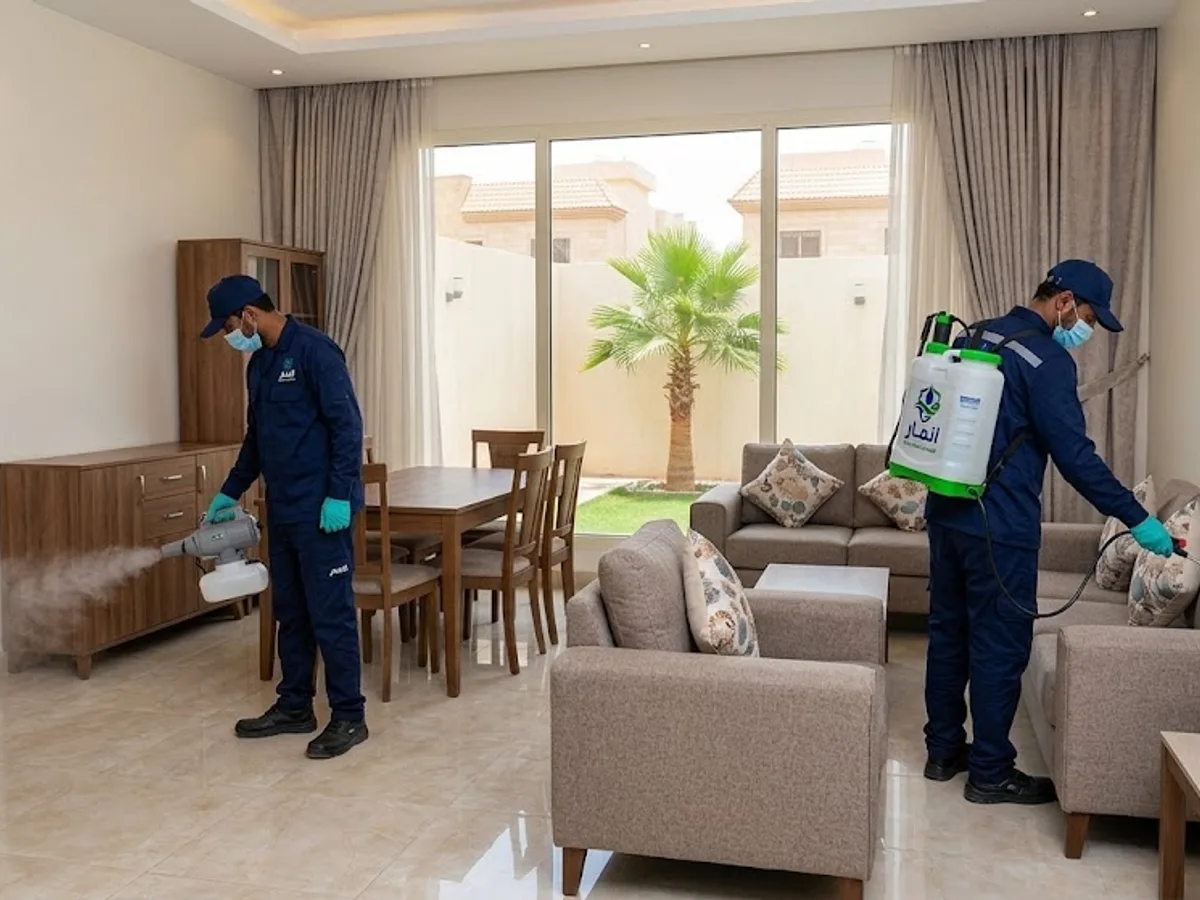
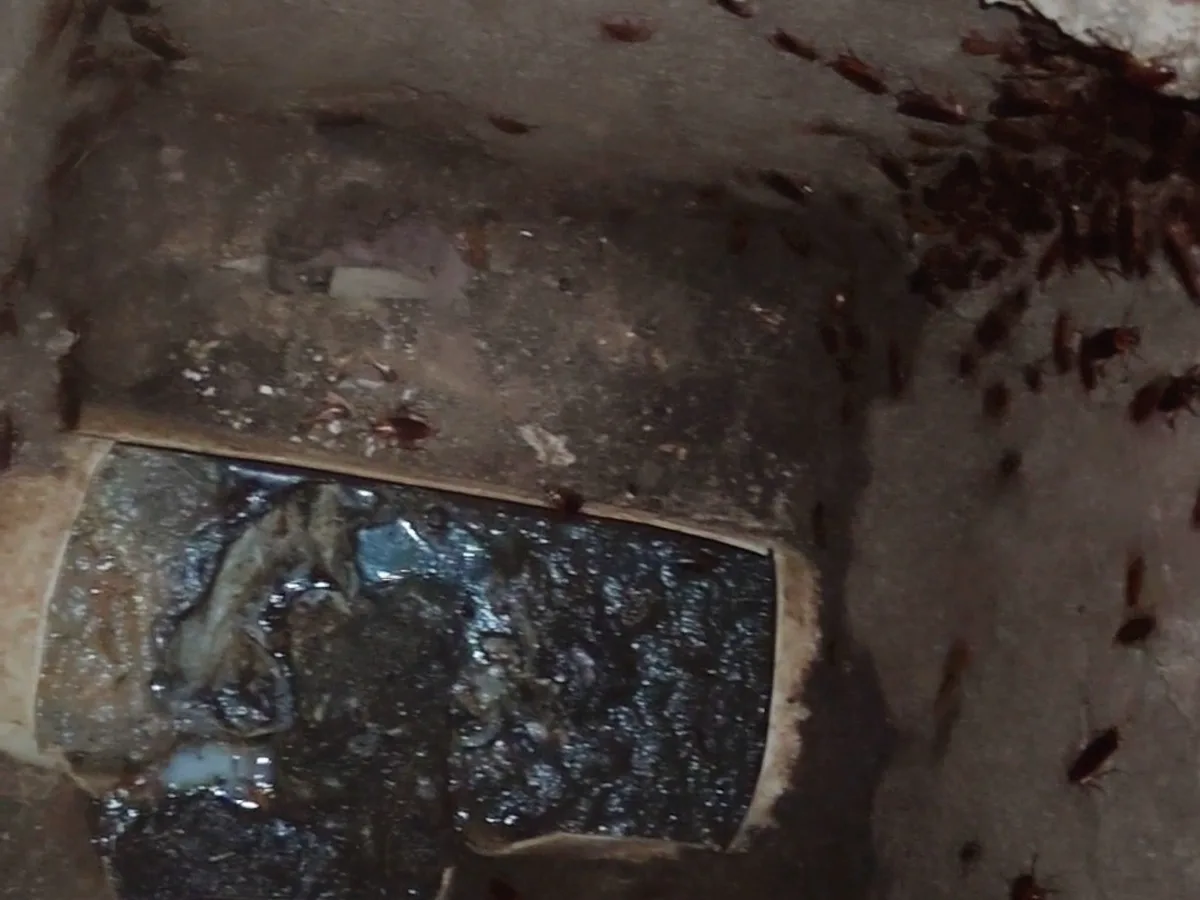
What customers say on Google
The termite problem disappeared after the treatment. Thank you.
Translated from the Arabic original.
We had a cockroach problem, and after the treatment, praise God, the cockroaches have largely gone. Their work is tidy and they are respectful to deal with. I recommend them.
Translated from the Arabic original.
Excellent and courteous service, and the bed bugs were cleared from the house completely. I recommend them, God willing.
Translated from the Arabic original.
We cover Jeddah and Makkah
Every district has its own page for this service. Tap yours.
Common questions
How do I tell termites from flying ants?
By the waist, the wings and the antennae. A termite has a straight body with no pinched waist, four wings of equal length that drop off easily, and straight beaded antennae. An ant has an obvious narrow waist, front wings longer than the back pair, and elbowed antennae. If it turns out to be ants, the page you want is Ant control.
Why did the termites come back after the last treatment?
Usually because only the visible part on the wall was dealt with, so the colony stayed in the soil and built another route within days. The second common reason is a break in the treated band, opened by a trench for a new pipe, a planter added against the wall, or fresh soil piled over it. That is why the follow-up reads the stations instead of settling for the absence of tubes.
Will you need to drill the floor or damage anything?
On a concrete slab, yes: small holes at spacing along the joints, the wall bases and the pipe entries, because those are the only routes through the concrete and nothing applied on top of it reaches the soil underneath. The holes are closed after injection and made good as far as the finish allows. We ask for furniture moved off the walls and the perimeter cleared, and the rest of the preparation is in the early signs of termites.
Is it safe around children and pets?
The material goes into the soil, into the drilled points and into the galleries inside the wood, not onto surfaces people touch or prepare food on, and the bait stations are closed and fixed into the ground. Ventilation and when you can be back in are told to you on the call before the visit, because they change with the product and the space, and we do not print a fixed number here.
How do I know the colony is actually finished?
From what the stations read, not from how the wall looks. Workers feed on the bait and pass it through the colony by mouth-to-mouth feeding, so consumption at the stations tapers and then stops, and that is the signal. Tubes can stay on a wall long after the activity behind them has ended, which is why we sound the timber and re-check the same points each visit rather than trust the appearance.
Can it be treated before there is a problem, or in a new build?
Yes, and it is the cheaper and less disruptive order of events: the soil is treated and the perimeter monitored before a single tube appears, which is the sensible arrangement for a building holding timber, paper stock or cardboard. The recurring visit sits under Preventive treatment, and the scheduled arrangement with a record of each visit under Annual contracts.
What does termite control cost?
It is set after the inspection, because the figure follows the length of the perimeter, whether there is a slab to drill or open soil to trench, how far the tubes have run inside, whether the answer is soil treatment, stations or both, and how many monitoring visits it needs. Send a photo of the tube or the wings on WhatsApp with where you found them, and we will give you an estimate before we come out.
Other services
Scroll to see the rest of what we do.
-
 Residential
Cockroach control
Residential
Cockroach control
-
 Residential
Bed bug control
Residential
Bed bug control
-
 Residential
Rodents and mice
Residential
Rodents and mice
-
 Residential
Mosquito control
Residential
Mosquito control
-
 Residential
Fly control
Residential
Fly control
-
 Residential
Ant control
Residential
Ant control
-
 Residential
Gecko control
Residential
Gecko control
-
 Residential
Scorpion control
Residential
Scorpion control
-
 Residential
Snake control
Residential
Snake control
-
 Residential
Flea control
Residential
Flea control
-
 Residential
Bird and pigeon control
Residential
Bird and pigeon control
-
 Residential
Preventive treatment
Residential
Preventive treatment
-
 Residential
Disinfection
Residential
Disinfection
-
 Commercial
Annual contracts
Commercial
Annual contracts
-
 Commercial
Restaurants and cafes
Commercial
Restaurants and cafes
-
 Commercial
Hotels and apartments
Commercial
Hotels and apartments
-
 Commercial
Warehouses and factories
Commercial
Warehouses and factories
-
 Commercial
Schools and nurseries
Commercial
Schools and nurseries
-
 Commercial
Retail and malls
Commercial
Retail and malls
-
 Commercial
Rest houses and farms
Commercial
Rest houses and farms
-
 Commercial
Fumigation
Commercial
Fumigation
-
 Water tanks
Water tank cleaning
Water tanks
Water tank cleaning
-
 Water tanks
Water tank sterilization
Water tanks
Water tank sterilization
-
 Water tanks
Water tank sealing
Water tanks
Water tank sealing
-
 Water tanks
Tank leak repair
Water tanks
Tank leak repair
Need termite control? Describe what you saw and we will tell you what it needs
A short call is enough. We tell you what we can see and the full cost before we start, and you decide after that.