
Why do cockroaches come back after spraying?
Because the product kills what walks, and never reaches what has not hatched. That one distinction explains most cases of "they sprayed and it did not work".
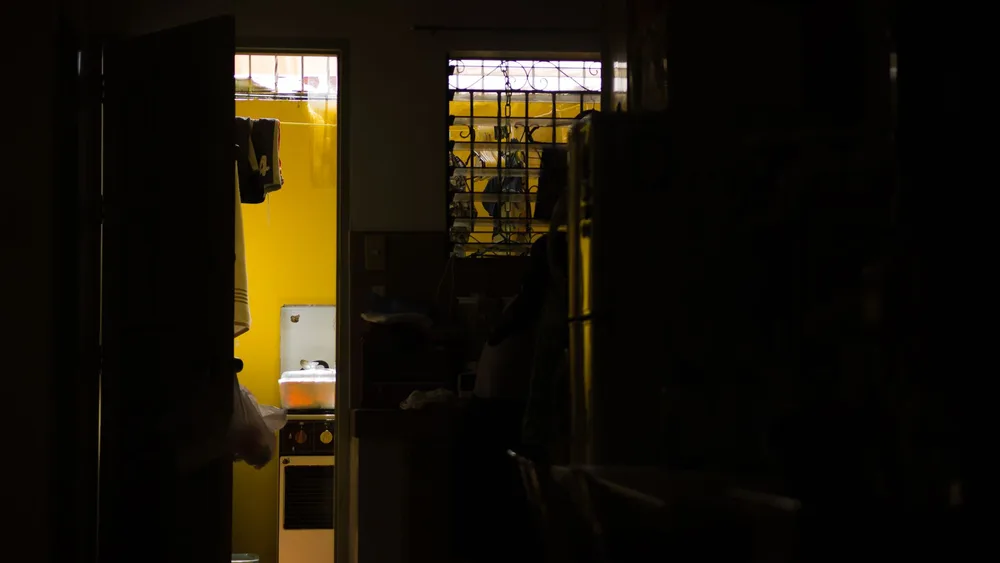
The pattern is familiar. The flat gets sprayed, the cockroaches vanish for two or three days, then they are back. The owner concludes the product was weak or the company cut corners. Usually neither happened. The work simply stopped before the insect's life cycle did.
The eggs sit in a capsule, and the capsule is armoured
A female cockroach does not lay loose eggs. She lays them inside a hard protective case called an ootheca, which she either carries with her or glues into a narrow dark gap: behind the fridge, inside a cupboard door hinge, under the kitchen sink, in the void behind an electrical panel.
That case is the heart of the problem. Surface insecticide does not penetrate it effectively, which means a spray that killed every adult in the flat can leave dozens of eggs completely untouched. A single case can hold thirty to forty eggs depending on the species.
The gap in time that catches everyone out
After treatment the surviving cases hatch over the following weeks, and the timing shifts with species, temperature and humidity. In a hot climate the cycle speeds up. The result is a new generation appearing right about the time the owner has relaxed.
A successful spray looks like a failure three weeks later, if nobody comes back.
Which is why judging a treatment two days in is a misleading test. The real indicator is what happens after the cases hatch, meaning at least two to three weeks out.
Why spraying what you can see is not enough
Cockroaches are nocturnal and avoid light and open floor. What you see crossing the tiles is a minority out looking for water or food. The majority stay in the tight warm spaces near a moisture source, and those are what has to be treated.
- Behind and beneath kitchen appliances, where heat and damp occur together.
- The void around drain pipes and inspection points, the most common way in.
- Wall cracks and the inside edges of fitted cupboards.
- Electrical panels and the cavities behind fixed furniture.
Spraying open floor kills the occasional traveller and leaves the colony intact. Serious treatment targets harbourage and breeding points, not the routes between them.
What actually makes a treatment work
- Identification before spraying. The species determines where they hide and which product suits.
- Treat the source, not the surface. Voids, drains and entry points.
- A follow-up visit after the eggs hatch. This is where the survivors get dealt with, and it is the difference between a fix and a pause.
- Close what can be closed. A small water leak is enough to restart the whole thing.
If a company tells you a single spray permanently ends a cockroach infestation, they either do not know how cockroaches breed, or they know and are not saying. What works is a cockroach control programme built around the life cycle rather than around treatment day, and it cannot be judged until the remaining egg cases have hatched. The same logic explains why off-the-shelf sprays fail.