
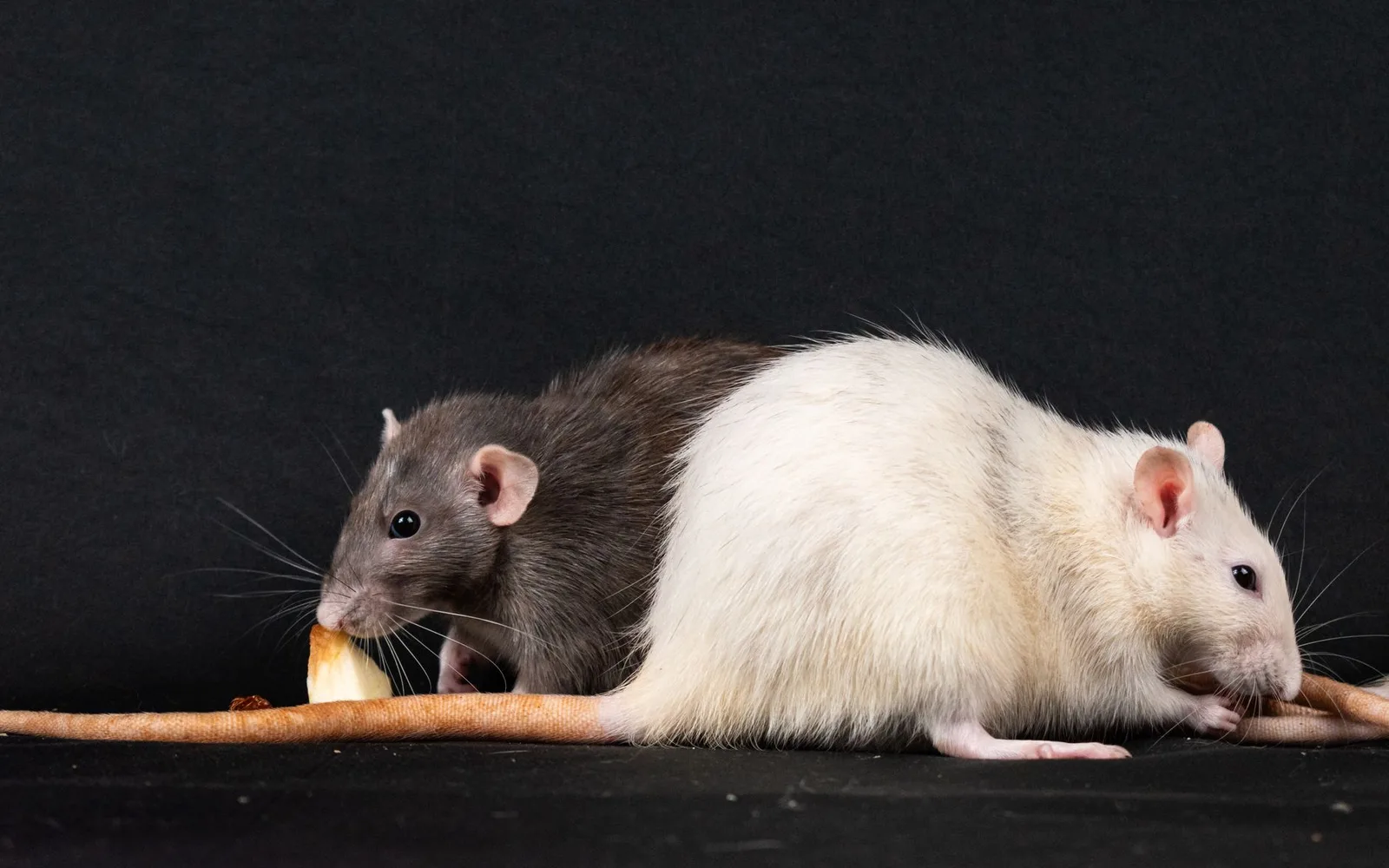
Rodents and mice in Al Bawadi Jeddah
Al Bawadi is a long established district in northern Jeddah between King Fahd Road and Madinah Road. It mixes apartment buildings with shops and restaurants on Quraish Street, which is lined with furnished flats and small hotels. Commercial activity continues throughout the day, and restaurants and storerooms constantly provide fresh food waste. Rodents are not visitors here but residents.
-
Targeted, not broadcast
Product goes into cracks and runways, never sprayed across open surfaces.
-
Told before we start
What we will use, where it goes, and what to cover or move before we arrive.
-
A follow-up visit
We return after the first treatment, because what survives it does not show on the day.
-
Homes and businesses
Apartments and villas, and kitchens and stores that need a record of each visit.
Why they keep coming back in Al Bawadi
In Al Bawadi rodents are permanent fixtures, not occasional guests. A single flat or shop space may house dozens of rodents. Continuous commercial and human activity feeds them constantly with food waste from multiple sources daily. The method is set out in full on our Rodents and mice service.
Aged water and drainage pipes run under buildings and streets
Water and sewer pipes have run under Quraish Street and the side streets for many decades. Old pipes corrode from inside, develop holes and cracks from heavy use, and leak constantly. Rodents burrow after the moisture and enter buildings from below through the gaps where pipes pass through foundations.
Dense restaurants and cafes provide continuous food waste
Quraish Street is packed with restaurants, cafes and popular market stalls. Food waste is discarded daily and bins are often damaged or left open. Rodents live in the walls and pipe spaces beneath these shops and feed at night from readily available scraps.
Furnished flats and hotels present complex shared pathways
A hotel may contain dozens of rooms, multiple entrances, corridors and large commercial kitchens. Rodents inhabit shared walls and floor voids and move freely between rooms via pipes and chases. Treating one room alone is useless because rodents return from the corridor, adjacent rooms and the shared utility spaces.
Landmarks of Al Bawadi
Al Bawadi clusters around Quraish Street, Al Hijaz Mall and the Engineering Roundabout. Treatment begins under the street at the main pipe runs and extends through the shops, flats and hotels that line each axis.
- Quraish Street
- Al Khatib Al Tabrizi Street
- Al Hijaz Mall
- Al Bawadi Park
- Engineering Roundabout
- King Fahd Road
What we read in the building before any bait goes down
Water and drainage networks are very old because the district has stood for decades. Restaurants, cafes and shops cluster thickly on Quraish Street, generating daily food waste. The popular market attracts wholesale traders and labourers, bringing stacked goods and food supplies.
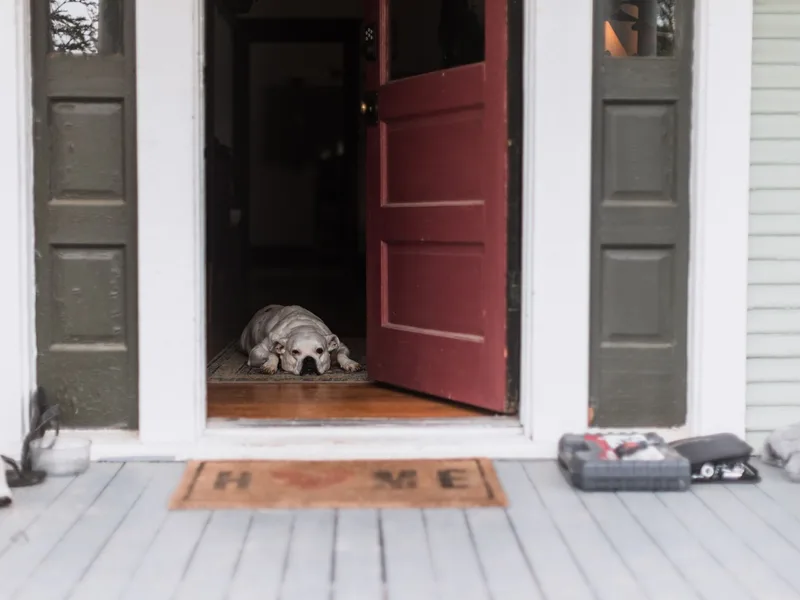
The gap under the door
Gaps under shop and hotel doors are wide because repeated floor repairs and changes raise the floor level gradually.
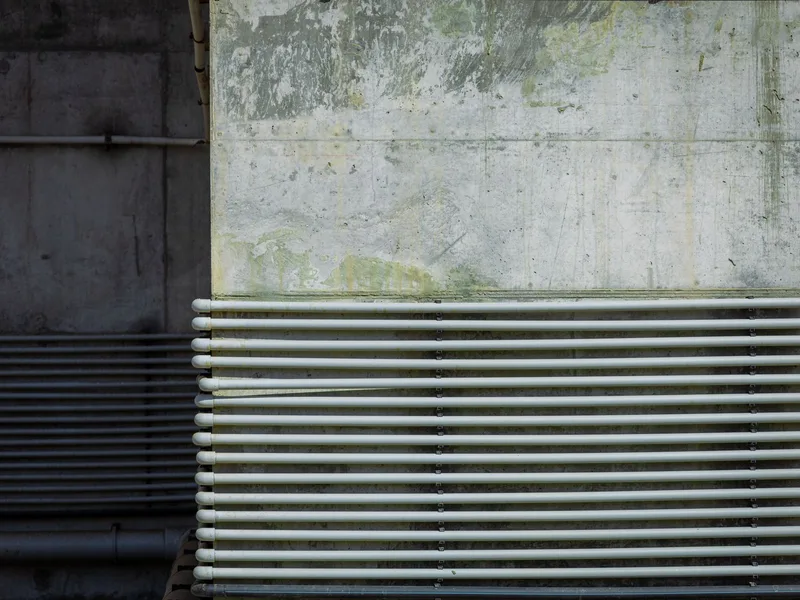
Pipe and conduit openings
Shared water and drainage pipes connect shops, flats and hotels. Their entry holes are not fully sealed and remain oversized.
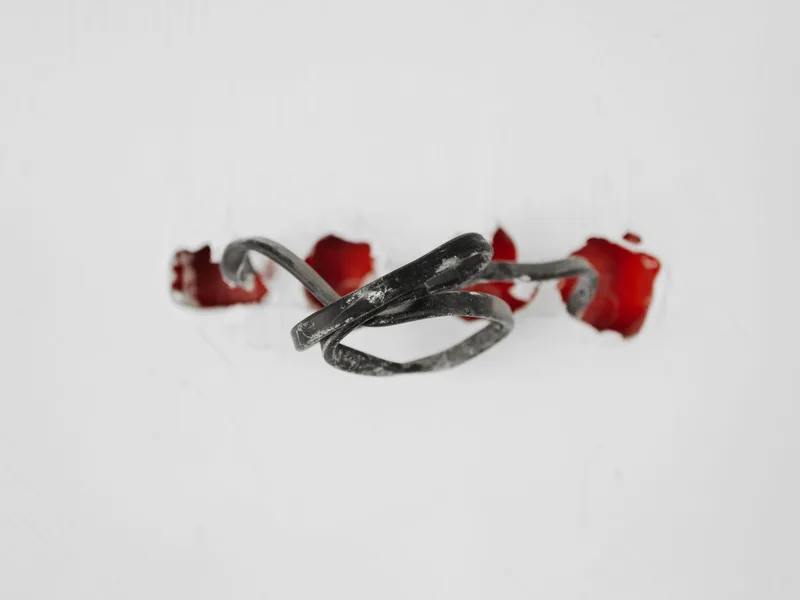
Gnaw marks
Gnaw marks appear on old drainage pipes where rodents bite to enlarge the holes in order to pass through.
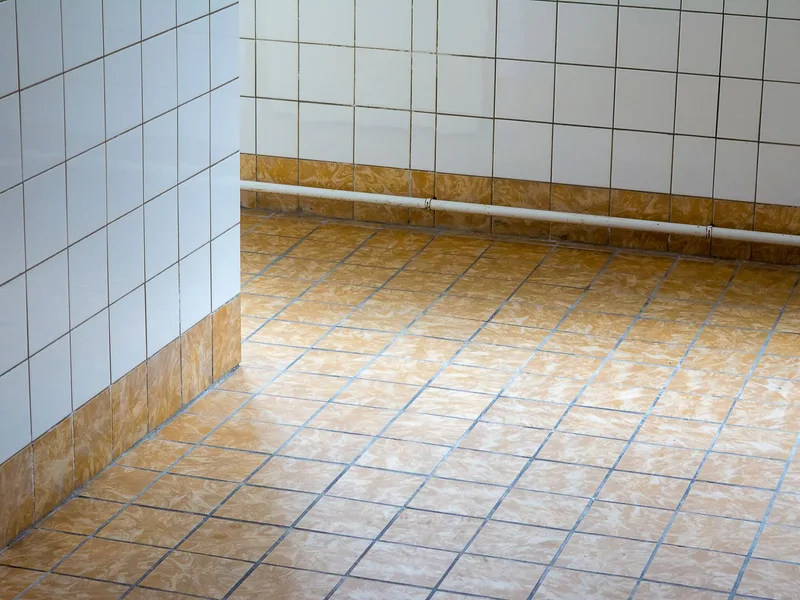
The run along the wall
Runs on corridor and kitchen walls are very obvious because humidity is high and dust adheres readily.
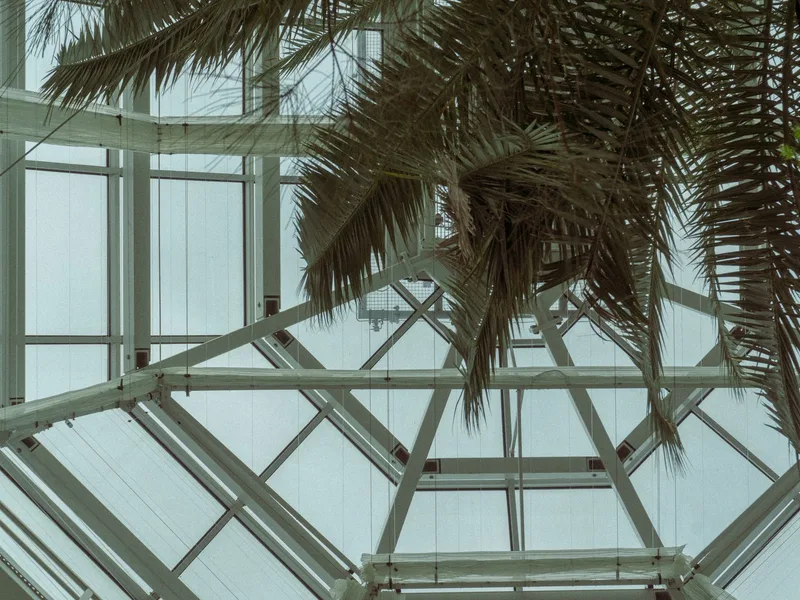
The route from above
Underground trenches and chases connecting the shops provide safe highways for rodents to move through the whole building.
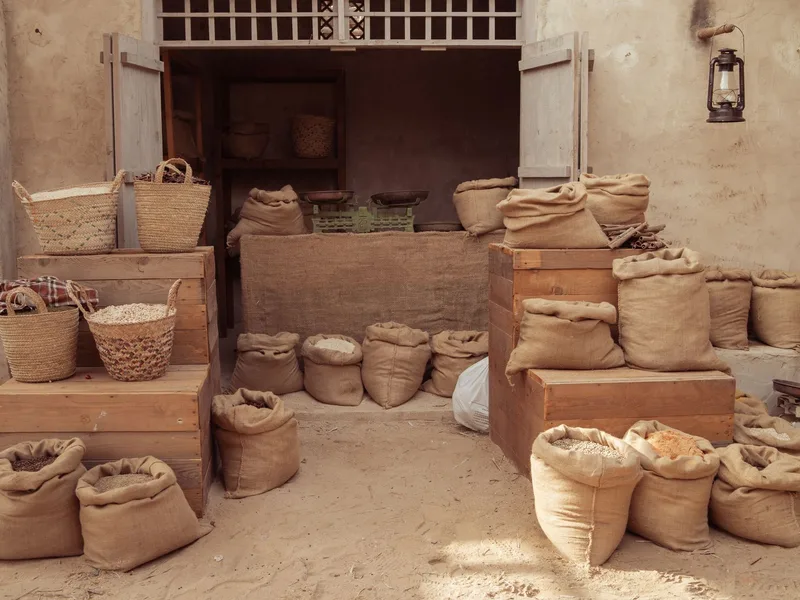
The water and the food on offer
Water from leaking pipes and food from restaurants and storerooms are available at every corner at every hour.
How we work
-
1
Inspect and trace the runs
We work the perimeter, the kitchen, the store and the false ceiling, establish the species, the entry points and the water source, and mark the station positions before anything is carried in.
-
2
Close the openings
Metal mesh, mortar and base strips at the gaps, around pipe sleeves and at vents, because foam and silicone are gnawed through within days.
-
3
Secured bait and traps
Closed stations fixed on the runs outside the building, and traps rather than loose bait indoors, so that anything that dies stays somewhere we can reach.
-
4
The follow-up visit
We read the take at each station, replenish what has gone, remove anything found, and close any opening that showed itself once the movement settled.
What rodent control includes
-

Inspection and a station map
Entry points, runs and station positions recorded, so the same points are checked on every visit.
-

Sealing pipes and drains
Floor traps, pipe sleeves, vents and the air conditioning drain line, the routes that arrive from outside the unit.
-

Secured bait stations
Closed and fixed on the outside runs, out of reach of children and animals, while indoors we work with traps.
-

Treating the nest site
A rodent leaves parasites and nesting material behind, so the nest is removed and the void it sat in is treated.
-

Aftercare instructions
Stock lifted off the floor, droppings cleaned damp with disinfectant instead of swept dry, and pet bowls emptied at night.
-

A scheduled follow-up
A set date after the first visit: read the take, replenish the bait, remove anything found and close what is still open.
What is different about Airport Sub-Municipality
The Airport sub-municipality covers some of the oldest established districts of northern Jeddah, gathered around King Abdulaziz International Airport between Madinah Road, King Fahd Road and Prince Majid Road. The stock is villas, single family houses and apartment blocks built decades ago, many served by ageing water and sewer lines. Commercial streets such as Quraish, Sari and Sultan bin Salman are lined with restaurants, furnished flats and popular markets. Dense commercial kitchens, worn pipework and the gaps in older buildings give cockroaches and rodents steady food and shelter, and the high resident population keeps that pressure constant through the year.
Questions about this district
Are the old pipes buried under Al Bawadi a major entry point for rodents?
Yes, pipes run below the street and under every building with many holes from corrosion. Rodents burrow after moisture seeping from the pipes, then enter buildings through the utility gaps in the foundations.
Do the dense restaurants and cafes attract rodents more than residential areas?
Much more so. Restaurants provide abundant food and often have damaged or open bins. Rodent colonies concentrate around commercial food areas far more than around homes.
Will treating one shop stop rodents throughout the building?
No, shops are connected underground through shared pipes, shared walls and chases. Rodents move between them easily and cannot be contained to a single space.
Are furnished flats and hotels more at risk than permanent residences?
Yes, much more. Furnished accommodations are complex, often vacant or unmonitored for periods. Rodents colonise these spaces very readily and move through them via multiple hidden routes.
Is the popular market the main rodent source for the district?
Yes, the market holds packaged food, food debris and waste. Rodents live in the market and migrate from it to the surrounding shops and homes.
Is seasonal treatment enough or does Al Bawadi need continuous management?
Al Bawadi needs continuous management throughout the year because commercial activity never stops. Seasonal treatment is useless because food provision is constant.
How much does rodents and mice in Al Bawadi cost?
It is set after the inspection, because the price follows the type of infestation, the size of the space, how far it has spread and the number of visits it needs. Send a photo and a description on WhatsApp and we will give you an estimate before we reach Al Bawadi.
Nearby districts we cover
Other services in Al Bawadi
Other services we provide to residents of Al Bawadi.
-
 Residential
Cockroach control
Residential
Cockroach control
-
 Residential
Bed bug control
Residential
Bed bug control
-
 Residential
Termite control
Residential
Termite control
-
 Residential
Mosquito control
Residential
Mosquito control
-
 Residential
Fly control
Residential
Fly control
-
 Residential
Ant control
Residential
Ant control
-
 Residential
Gecko control
Residential
Gecko control
-
 Residential
Scorpion control
Residential
Scorpion control
-
 Residential
Snake control
Residential
Snake control
-
 Residential
Flea control
Residential
Flea control
-
 Residential
Bird and pigeon control
Residential
Bird and pigeon control
-
 Residential
Preventive treatment
Residential
Preventive treatment
-
 Residential
Disinfection
Residential
Disinfection
-
 Commercial
Annual contracts
Commercial
Annual contracts
-
 Commercial
Restaurants and cafes
Commercial
Restaurants and cafes
-
 Commercial
Hotels and apartments
Commercial
Hotels and apartments
-
 Commercial
Warehouses and factories
Commercial
Warehouses and factories
-
 Commercial
Schools and nurseries
Commercial
Schools and nurseries
-
 Commercial
Retail and malls
Commercial
Retail and malls
-
 Commercial
Rest houses and farms
Commercial
Rest houses and farms
-
 Commercial
Fumigation
Commercial
Fumigation
-
 Water tanks
Water tank cleaning
Water tanks
Water tank cleaning
-
 Water tanks
Water tank sterilization
Water tanks
Water tank sterilization
-
 Water tanks
Water tank sealing
Water tanks
Water tank sealing
-
 Water tanks
Tank leak repair
Water tanks
Tank leak repair
Need rodents and mice in Al Bawadi? Tell us what you saw and we will tell you what it needs
We reach Al Bawadi at a time we agree, and you get the full cost before we start.