
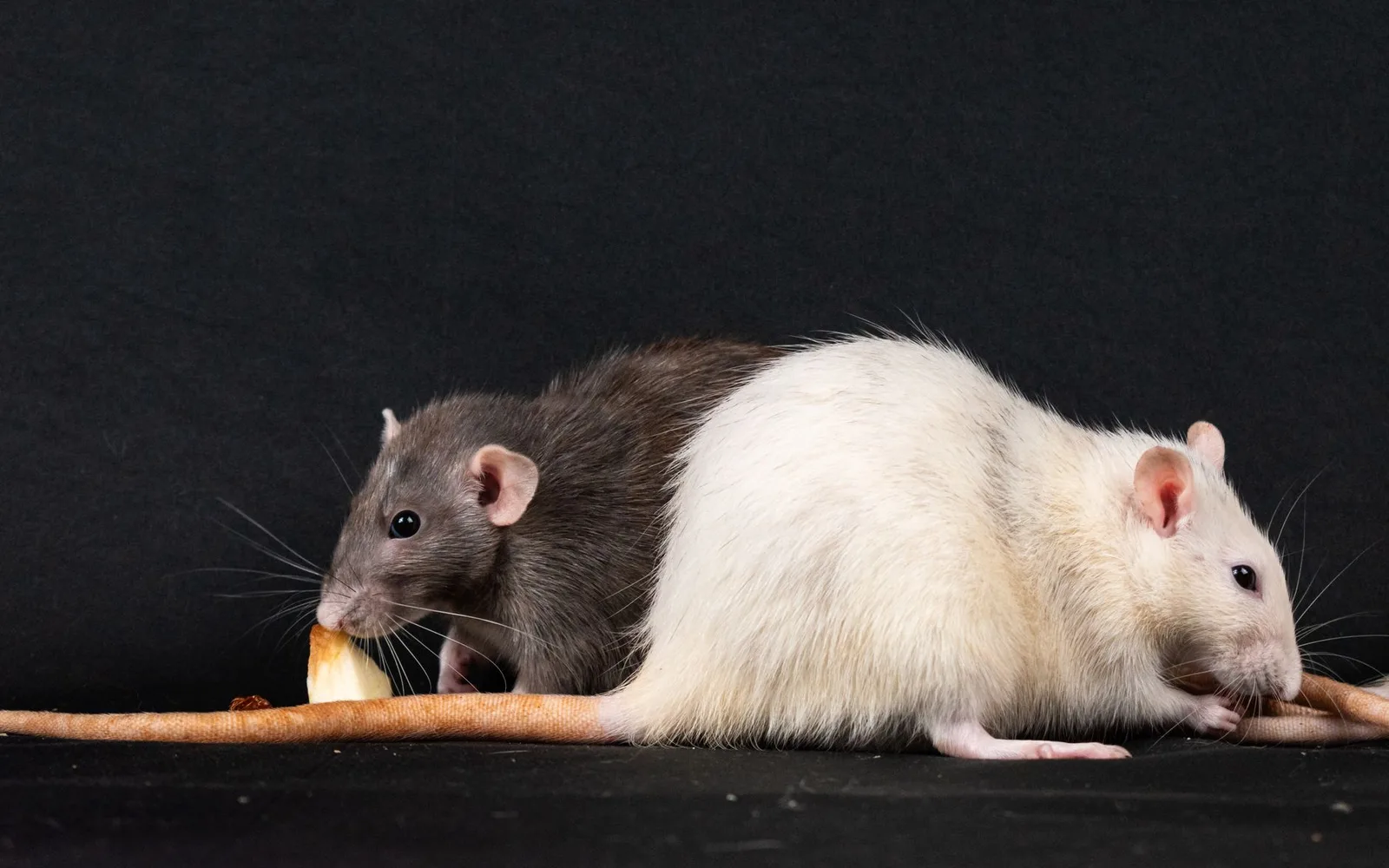
Rodents and mice in Al Harah Al Janubiyah Jeddah
Al Harah Al Janubiyah is the southern part of coastal Thuwal town, an old popular district with informal housing, narrow lanes and open edges facing farms and empty ground. Rodents come from surrounding land and nearby farms that provide food and shelter, moving freely through narrow streets and close-packed buildings towards the populated zone.
-
Targeted, not broadcast
Product goes into cracks and runways, never sprayed across open surfaces.
-
Told before we start
What we will use, where it goes, and what to cover or move before we arrive.
-
A follow-up visit
We return after the first treatment, because what survives it does not show on the day.
-
Homes and businesses
Apartments and villas, and kitchens and stores that need a record of each visit.
Why they keep coming back in Al Harah Al Janubiyah
The popular homes are old with wide gaps between buildings, and rodents move easily from house to house through the spaces and under the slightly raised foundations. The method is set out in full on how we approach Rodents and mice.
Farms and surrounding land
The quarter is surrounded by farms, agricultural land and fields that supply natural food for wild rodents, which move from these areas into the district hunting for additional food and better shelter.
Narrow lanes and close-packed buildings
Homes are packed tightly with narrow passages between them, allowing easy rodent movement from house to house through shared ways and connected roofs.
Damp and salt air from the sea
The quarter lies close to the sea, salt air affects foundations, and high humidity softens the soil so rodents tunnel easily under buildings and enter through the holes.
Al Harah Al Janubiyah on the map
Al Harah Al Janubiyah sits about 0.5 km from Harat Al Sarahin and about 0.5 km from Harat Abu Zayd.
Open in Google MapsWhat we read in the building before any bait goes down
The quarter sits on the southern side of Thuwal on the Jeddah Madinah Road, with open edges facing farms, empty land and agricultural fields that provide good environment for rodents.
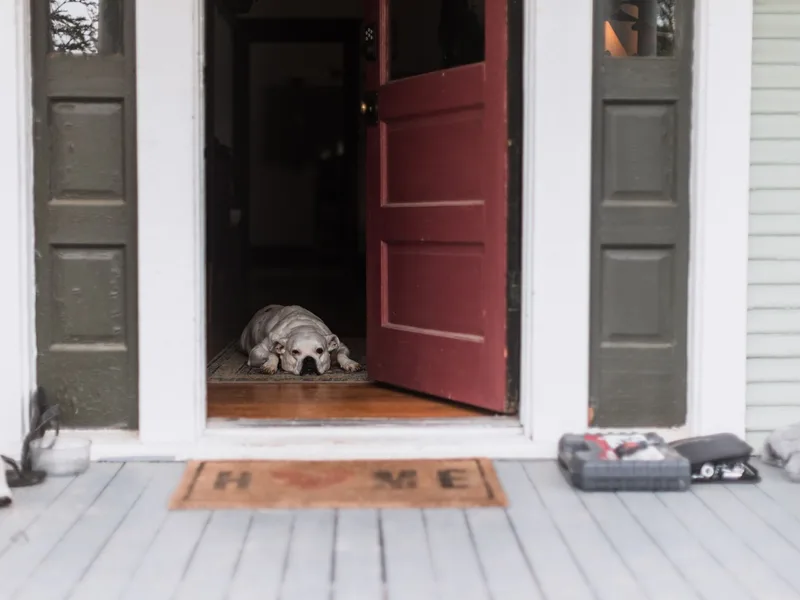
The gap under the door
The gap under the door is wide and loose in old homes, and the rodent pushes it to make it wider.
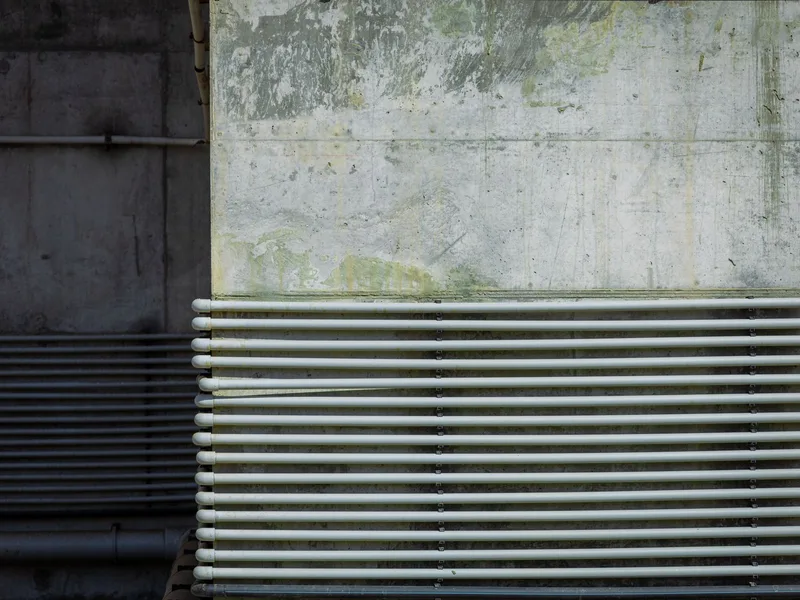
Pipe and conduit openings
Drain pipes and cooling ducts run under the floor with unsealed openings, offering direct passages for rodents.
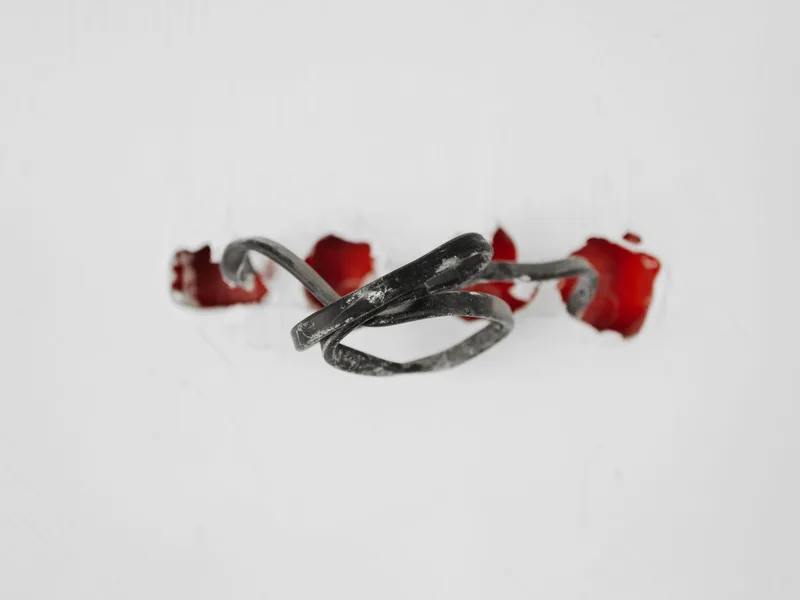
Gnaw marks
Gnaw marks appear readily on old wood and wires in informal housing.
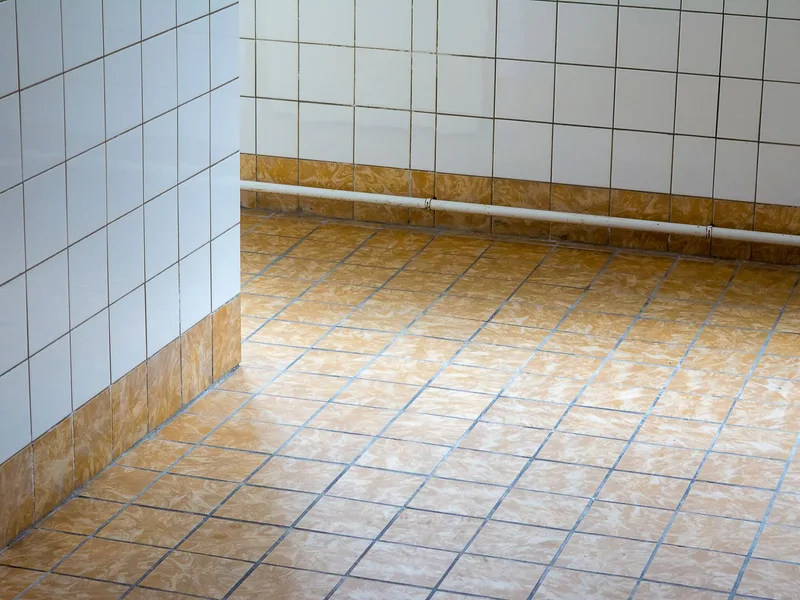
The run along the wall
The run along the wall follows the old foundation from outside and enters through side gaps.
The route from above
The route from above comes from connected roofs between houses and the wide gaps between them.
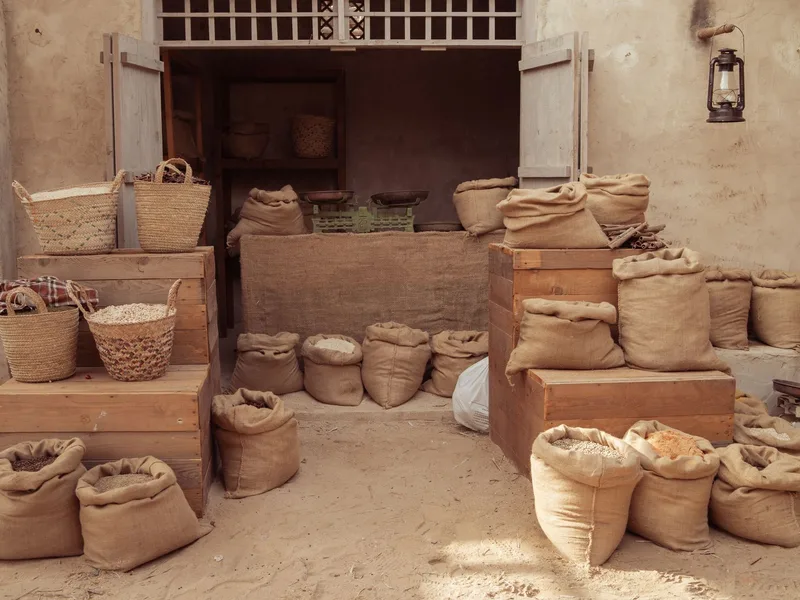
The water and the food on offer
Water from damp foundations and food from farms and waste draw rodents to stay permanently.
How we work
-
1
Inspect and trace the runs
We work the perimeter, the kitchen, the store and the false ceiling, establish the species, the entry points and the water source, and mark the station positions before anything is carried in.
-
2
Close the openings
Metal mesh, mortar and base strips at the gaps, around pipe sleeves and at vents, because foam and silicone are gnawed through within days.
-
3
Secured bait and traps
Closed stations fixed on the runs outside the building, and traps rather than loose bait indoors, so that anything that dies stays somewhere we can reach.
-
4
The follow-up visit
We read the take at each station, replenish what has gone, remove anything found, and close any opening that showed itself once the movement settled.
What rodent control includes
-

Inspection and a station map
Entry points, runs and station positions recorded, so the same points are checked on every visit.
-

Sealing pipes and drains
Floor traps, pipe sleeves, vents and the air conditioning drain line, the routes that arrive from outside the unit.
-

Secured bait stations
Closed and fixed on the outside runs, out of reach of children and animals, while indoors we work with traps.
-

Treating the nest site
A rodent leaves parasites and nesting material behind, so the nest is removed and the void it sat in is treated.
-

Aftercare instructions
Stock lifted off the floor, droppings cleaned damp with disinfectant instead of swept dry, and pet bowls emptied at night.
-

A scheduled follow-up
A set date after the first visit: read the take, replenish the bait, remove anything found and close what is still open.
Landmarks of Al Harah Al Janubiyah
Al Harah Al Janubiyah lies on the Jeddah Madinah Road heading towards Dhahban and Jeddah, and Thuwal Corniche nearby brings high humidity that affects foundations, so treatment must focus on sealing gaps between the quarter and the surrounding farms and agricultural land.
- Jeddah Madinah Road
- Thuwal Corniche
- Thuwal Harbour
Questions about this district
Why are rodents so plentiful in Al Harah Al Janubiyah despite its age?
Farms round about supply food, old close-packed homes provide easy shelter, and high humidity from the sea softens soil so rodents tunnel easily.
Is treating one house enough or must the whole quarter be treated?
One house is not enough. Rodents come from surrounding land and neighbouring houses constantly. You must treat the quarter's edges and external entry points too.
Does bait stay effective in high humidity and salt air from the sea?
No. Humidity and salt weaken bait quickly, so we place it in secured stations away from direct salt and moisture exposure, monitor it regularly, and may need to replace it sooner.
Do rodents come from empty plots and farms round the quarter?
Yes. Agricultural land and fields round about supply food and shelter for rodents, which move into the quarter hunting extra food and better refuge.
Do fences and boundaries fully separate the quarter from the farms?
No. Boundaries between the quarter and farms are poorly sealed with many gaps, and rodents pass under or over them with ease.
How often does Al Harah Al Janubiyah need treatment?
Initial treatment needs monthly follow up at least, because of continuous flow from surrounding land and high moisture. Follow up may continue for several months.
How much does rodents and mice in Al Harah Al Janubiyah cost?
It is set after the inspection, because the price follows the type of infestation, the size of the space, how far it has spread and the number of visits it needs. Send a photo and a description on WhatsApp and we will give you an estimate before we reach Al Harah Al Janubiyah.
Nearby districts we cover
Other services in Al Harah Al Janubiyah
Other services we provide to residents of Al Harah Al Janubiyah.
-
 Residential
Cockroach control
Residential
Cockroach control
-
 Residential
Bed bug control
Residential
Bed bug control
-
 Residential
Termite control
Residential
Termite control
-
 Residential
Mosquito control
Residential
Mosquito control
-
 Residential
Fly control
Residential
Fly control
-
 Residential
Ant control
Residential
Ant control
-
 Residential
Gecko control
Residential
Gecko control
-
 Residential
Scorpion control
Residential
Scorpion control
-
 Residential
Snake control
Residential
Snake control
-
 Residential
Flea control
Residential
Flea control
-
 Residential
Bird and pigeon control
Residential
Bird and pigeon control
-
 Residential
Preventive treatment
Residential
Preventive treatment
-
 Residential
Disinfection
Residential
Disinfection
-
 Commercial
Annual contracts
Commercial
Annual contracts
-
 Commercial
Restaurants and cafes
Commercial
Restaurants and cafes
-
 Commercial
Hotels and apartments
Commercial
Hotels and apartments
-
 Commercial
Warehouses and factories
Commercial
Warehouses and factories
-
 Commercial
Schools and nurseries
Commercial
Schools and nurseries
-
 Commercial
Retail and malls
Commercial
Retail and malls
-
 Commercial
Rest houses and farms
Commercial
Rest houses and farms
-
 Commercial
Fumigation
Commercial
Fumigation
-
 Water tanks
Water tank cleaning
Water tanks
Water tank cleaning
-
 Water tanks
Water tank sterilization
Water tanks
Water tank sterilization
-
 Water tanks
Water tank sealing
Water tanks
Water tank sealing
-
 Water tanks
Tank leak repair
Water tanks
Tank leak repair
Need rodents and mice in Al Harah Al Janubiyah? Tell us what you saw and we will tell you what it needs
We reach Al Harah Al Janubiyah at a time we agree, and you get the full cost before we start.