
Snake control in Al Quzayn Jeddah
Al Quzayn is the southernmost coastal strip of Jeddah on the southern corniche, begun as a small seaside village and now home to beachside rest houses and open shore. High humidity and salt air throughout the year create a unique environment where snakes are more active and comfortable than in inland dry districts.
-
Targeted, not broadcast
Product goes into cracks and runways, never sprayed across open surfaces.
-
Told before we start
What we will use, where it goes, and what to cover or move before we arrive.
-
A follow-up visit
We return after the first treatment, because what survives it does not show on the day.
-
Homes and businesses
Apartments and villas, and kitchens and stores that need a record of each visit.
Why they keep coming back in Al Quzayn
Snakes in Al Quzayn are more active and remain so throughout the year compared to inland counterparts, and humidity allows them to stay hunting even in the hottest months. The method is set out in full on what Snake control involves.
Coastal humidity extends the active season
Salt air and high humidity keep snake skin moist even in the dry summer heat. Snakes in inland districts shelter deep during hot months, but in Al Quzayn they remain active and hunting year round because moisture provides comfortable conditions. Activity extends by several months compared to desert areas.
Sewage treatment works and factory increase rodent concentration
The sewage treatment facility beside Al Quzayn provides continuous moisture and organic matter that attracts massive rodent populations. The nearby iron factory leaves metal scrap and waste that attract insects. This mixture creates a unique density of available prey.
Coastal salt widens gate gaps faster than inland
Salt air corrodes metal, locks and doors, making gaps under gates expand much faster than in inland suburbs. Rust and corrosion weaken seals, and snakes pass through gaps that grow larger year by year. What remains a tight seal inland becomes a passage here.
Landmarks of Al Quzayn
Work in Al Quzayn begins from the southern corniche where rest houses and homes sit, spreading between King Faisal Road to the north and Abna Al Sayyid Street to the south west, requiring understanding of the coastal passages and water channels that feed the coastal habitat with rodents and insects.
- Southern Corniche
- King Faisal Road
- Abna Al Sayyid Street
- Al Seef Beach
What the site tells us before we start
The zone sits next to a sewage treatment works and an iron factory, close to Al Seef Beach, meaning that year round moisture and nearby industrial waste provide an ideal environment for rodent and insect breeding.
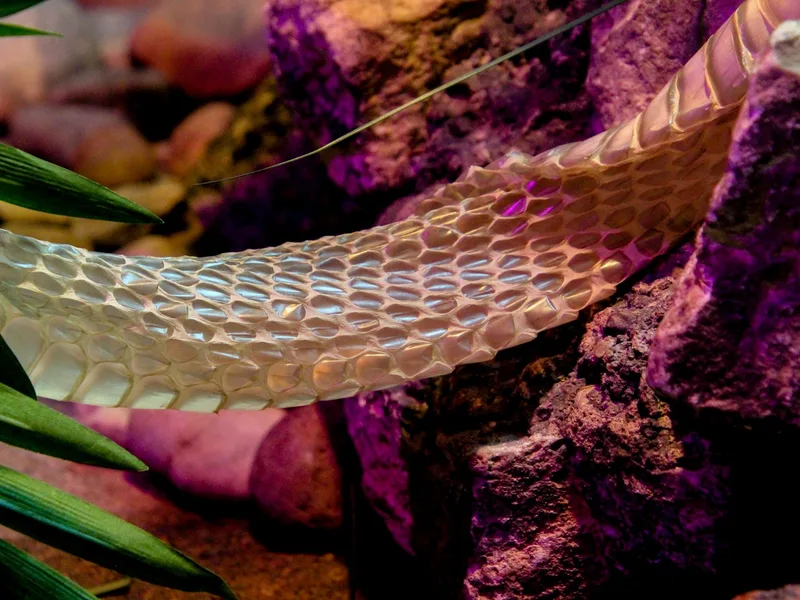
A shed skin
A shed skin: In Al Quzayn, snakes inhabit damp coastal voids and may leave shed skin in areas near water and seaweed.
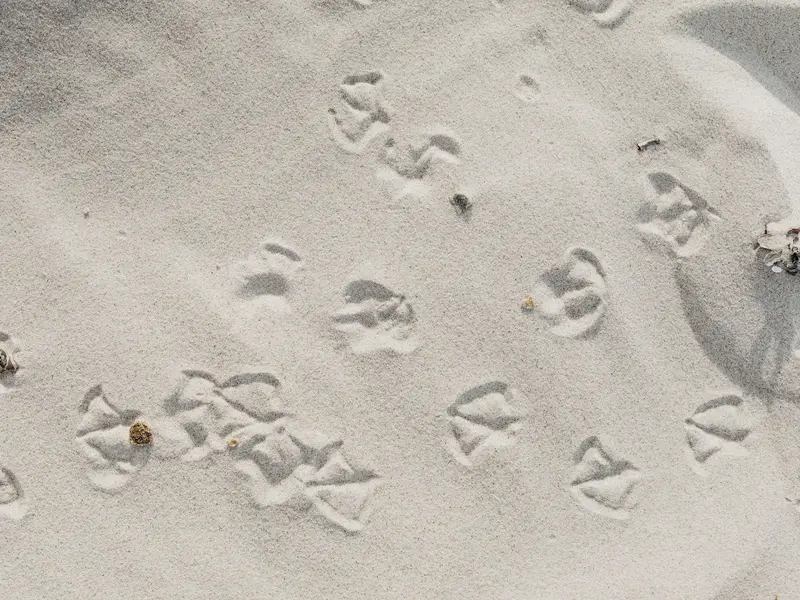
The track in the sand
The track in the sand: Beach sand and coastal soil show very clear slip trails, especially after high tide when moisture settles on the surface.
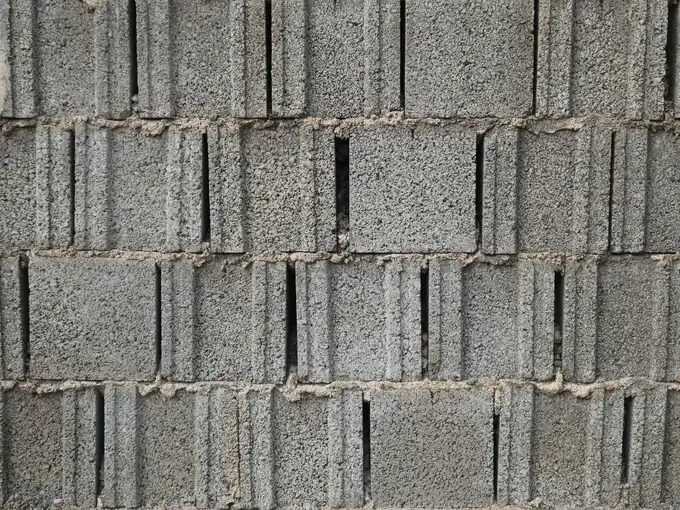
Block and rubble piles
Block and rubble piles: Old structures and abandoned rest houses contain voids and debris stacks providing deep shelter for snakes.
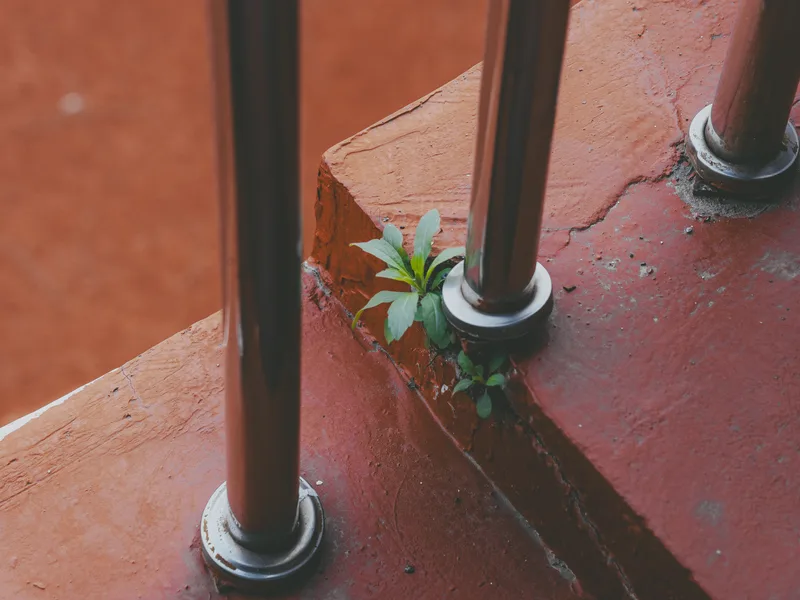
The gap under the gate
The gap under the gate: Rest house and residential gates are salt eaten and rusted, making gaps underneath very wide and easy to pass.
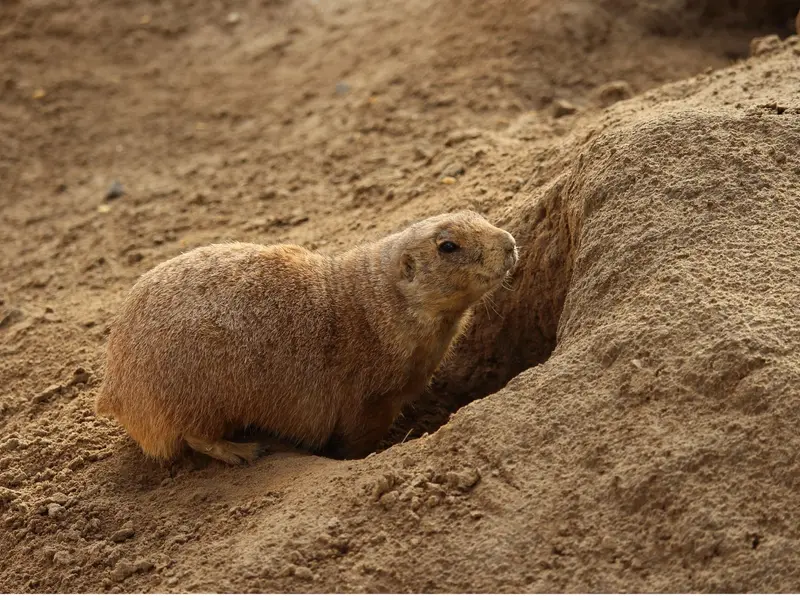
Rodent burrows
Rodent burrows: Coastal damp ground contains rat networks close to the surface due to high moisture preventing deep burrowing.
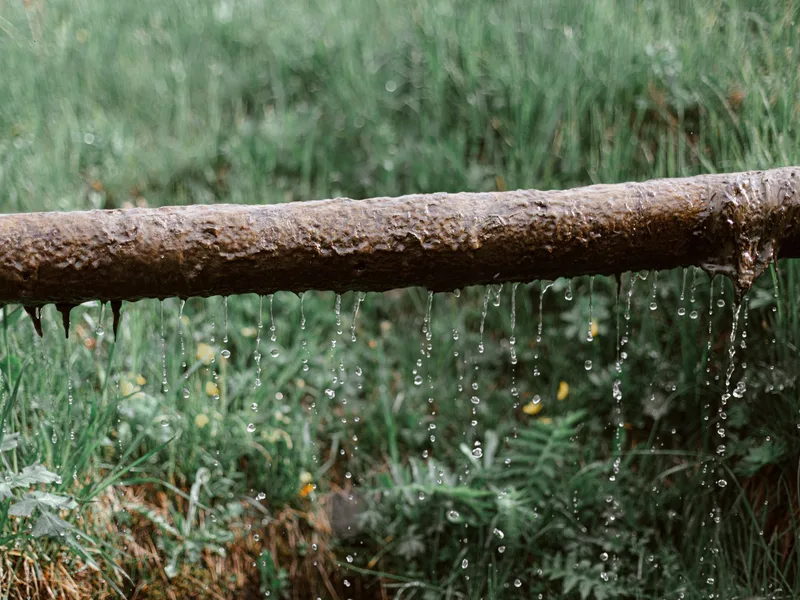
A leaking irrigation line
A leaking irrigation line: Beachside rest houses and coastal gardens use seawater irrigation and leaking lines, and the moisture attracts insects and rodents.
How we work
-
1
Inspect and locate
We work the perimeter, the garden and the service rooms with a torch and a mirror, reading the tracks, the skins and the burrows to establish whether it is still on site and where it came in.
-
2
Safe removal
It comes out on a hook and tongs into a closed container and is released away from buildings where that is possible, with no chasing it around a room.
-
3
Close the routes, take away the shelter
A strip under the gate, sleeves around pipe entries, tight covers on the floor drains, and the blocks and palm fronds moved off the wall line.
-
4
Cut the food, then come back
We treat the rodents and the geckos on the perimeter, then return once that activity has settled to check the sealed points and look for any fresh track.
What snake control includes
-

A recorded site inspection
Perimeter, garden, service rooms and pipe entries, with tracks and skins recorded before anything is applied.
-

Drains and entries closed
Tight covers on floor drains, sleeves around waste and air conditioning pipe runs, and the weep holes in the boundary wall closed.
-

Rodent work around the building
Closed bait stations on the rodent runs, because cutting the prey is what makes the site stop suiting them.
-

Perimeter treatment down the food chain
Insects on lit walls hold the geckos, and geckos feed some species, so we treat the chain from the bottom up.
-

A perimeter housekeeping list
What to move off the wall line, how low to cut the ground cover, where the lighting sits, and what to do if you see another one.
-

A scheduled follow-up
A set date to check the sealed points, the rodent stations and any new track in the sand.
What is different about South Sub-Municipality
The South sub municipality runs from the edge of Old Makkah Road down to Al Khumrah and the southern corniche. Dense residential districts sit beside new subdivisions such as Al Sanabil and Al Taawun, warehouse fringes such as Al Saruriyah and Al Sarawat, and an old seaside settlement at Al Quzayn. Open stormwater channels cross the housing, and the warehouses, the vegetable and livestock markets and the nearby Islamic Port and Industrial City give pests shelter, food and year round humidity. Pressure is greatest in the older quarters, where drainage networks are ageing.
Questions about this district
Does high humidity make snakes more dangerous here in Al Quzayn?
High humidity does not make snakes more aggressive, but it keeps them active all year. In dry inland areas, snakes shelter deeply during intense summer heat. In Al Quzayn, snakes remain hunting even in August and September, greatly increasing odds of direct encounter.
Is the sewage treatment works beside us the root cause of snake and rodent problems?
The treatment facility is a major source of moisture and rodent food. But snakes come because rodent populations here are enormous. Treating the facility itself is not your responsibility, but your property needs repeated treatment because external environmental pressure is very high indeed.
Are snakes in Al Quzayn more aggressive than other Jeddah snakes?
The snakes themselves are not more aggressive, but they face higher competitive pressure due to the dense concentration of other snakes in the same area. This may make them less fearful of humans and more likely to enter homes hunting for their prey.
Will washing the gaps under gates stop snakes entering?
Washing gaps temporarily reduces insects and debris, but salt and moisture return to corrode metal quickly. New gaps form within days of cleaning. Permanent treatment requires structural repair of the gates and doors themselves, not just surface cleaning.
Are the beachside rest houses around Al Quzayn the direct source of snakes?
Rest houses provide shelter and irrigated gardens watered with salt water, attracting rodent and insect populations. Snakes follow this abundant food toward the rest houses and adjoining homes. Short distances between facilities create easy snake routes.
Is treating just our home sufficient if rest houses and beach are full of rats?
Treating the home alone offers only temporary protection. As long as rest houses and the beach support massive rodent populations, external pressure remains very high. Repeated treatment and continuous maintenance of gaps and entry points are essential.
How much does snake control in Al Quzayn cost?
It is set after the inspection, because the price follows the type of infestation, the size of the space, how far it has spread and the number of visits it needs. Send a photo and a description on WhatsApp and we will give you an estimate before we reach Al Quzayn.
Nearby districts we cover
Other services in Al Quzayn
Other services we provide to residents of Al Quzayn.
-
 Residential
Cockroach control
Residential
Cockroach control
-
 Residential
Bed bug control
Residential
Bed bug control
-
 Residential
Termite control
Residential
Termite control
-
 Residential
Rodents and mice
Residential
Rodents and mice
-
 Residential
Mosquito control
Residential
Mosquito control
-
 Residential
Fly control
Residential
Fly control
-
 Residential
Ant control
Residential
Ant control
-
 Residential
Gecko control
Residential
Gecko control
-
 Residential
Scorpion control
Residential
Scorpion control
-
 Residential
Flea control
Residential
Flea control
-
 Residential
Bird and pigeon control
Residential
Bird and pigeon control
-
 Residential
Preventive treatment
Residential
Preventive treatment
-
 Residential
Disinfection
Residential
Disinfection
-
 Commercial
Annual contracts
Commercial
Annual contracts
-
 Commercial
Restaurants and cafes
Commercial
Restaurants and cafes
-
 Commercial
Hotels and apartments
Commercial
Hotels and apartments
-
 Commercial
Warehouses and factories
Commercial
Warehouses and factories
-
 Commercial
Schools and nurseries
Commercial
Schools and nurseries
-
 Commercial
Retail and malls
Commercial
Retail and malls
-
 Commercial
Rest houses and farms
Commercial
Rest houses and farms
-
 Commercial
Fumigation
Commercial
Fumigation
-
 Water tanks
Water tank cleaning
Water tanks
Water tank cleaning
-
 Water tanks
Water tank sterilization
Water tanks
Water tank sterilization
-
 Water tanks
Water tank sealing
Water tanks
Water tank sealing
-
 Water tanks
Tank leak repair
Water tanks
Tank leak repair
Need snake control in Al Quzayn? Tell us what you saw and we will tell you what it needs
We reach Al Quzayn at a time we agree, and you get the full cost before we start.