
Snake control in Harat Al Amir Jeddah
Harat Al Amir is an old residential quarter tightly contained within the small coastal town of Thuwal, with traditional houses pressed close together and small shops lining very narrow internal streets. High sea humidity throughout the year and proximity to the fishing harbour and corniche keep the spaces beneath homes and shops perpetually damp, and this is where snakes settle hunting for rodents sheltering from salt and moisture.
-
Targeted, not broadcast
Product goes into cracks and runways, never sprayed across open surfaces.
-
Told before we start
What we will use, where it goes, and what to cover or move before we arrive.
-
A follow-up visit
We return after the first treatment, because what survives it does not show on the day.
-
Homes and businesses
Apartments and villas, and kitchens and stores that need a record of each visit.
Why they keep coming back in Harat Al Amir
Snakes in Thuwal prefer the damp gaps beneath ground floor shops over the flats above them, drawn by larger numbers of rodents feeding on food scraps and grain stored below. The method is set out in full on Snake control in detail.
The shop below and the flat above, one entry point
The ground floor shop feeds rats on food scraps and spilled grain, and the rats shelter in damp gaps beneath the flooring. The snake enters through one small opening under the door or from a drain, then travels vertically to reach the flat above via gaps around rising pipes and conduits.
Sea humidity and gaps beneath old foundations
Salt air and high humidity all year keep the gaps beneath houses constantly damp, making them ideal shelter for rats and geckos alike. The snake hides in these gaps hunting for the abundant food supply already living there.
Narrow streets and shared drains
Very tight internal streets and shared drainage between houses mean snakes move easily from one building to the next through underground channels. Sealing one gap in one house is useless: the shared drain beneath the street must be treated comprehensively.
Landmarks of Harat Al Amir
The quarter is easily reached from Thuwal Municipality Building, and the gaps beneath the street-level shops face the corniche directly, making treatment of the shared drain our priority. The very close Thuwal Corniche means constant high humidity and the need for ongoing inspection of the seaside-facing gaps.
- Thuwal Municipality Building
- Thuwal Corniche
- Al Shati Mosque
- Jeddah Madinah Road
What the site tells us before we start
A small seaside town containing closely packed traditional mud and popular built houses with a few low rise modern concrete buildings alongside. Water arrives by tanker to fill household tanks, and open ground and the irrigated campus of King Abdullah University surround the town.
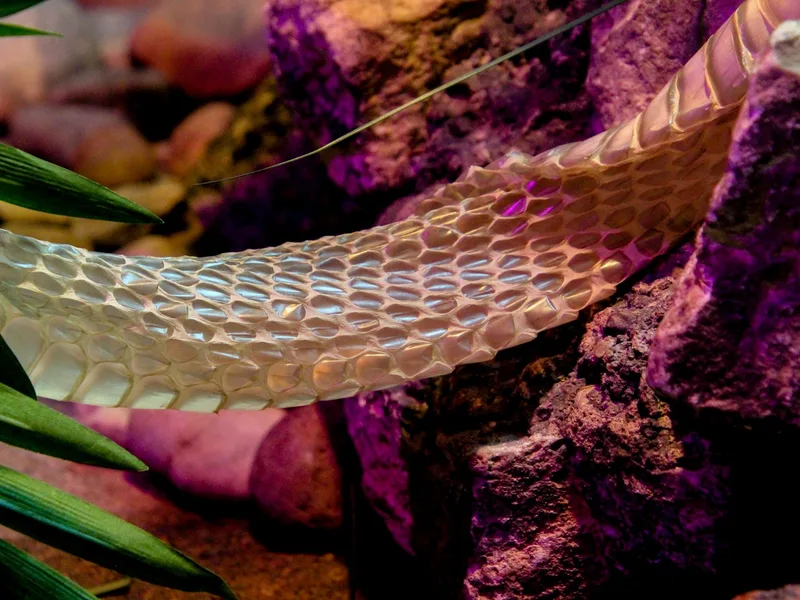
A shed skin
Shed skin lies in the damp gaps beneath ground floors, especially near household water tanks and commercial shop flooring.
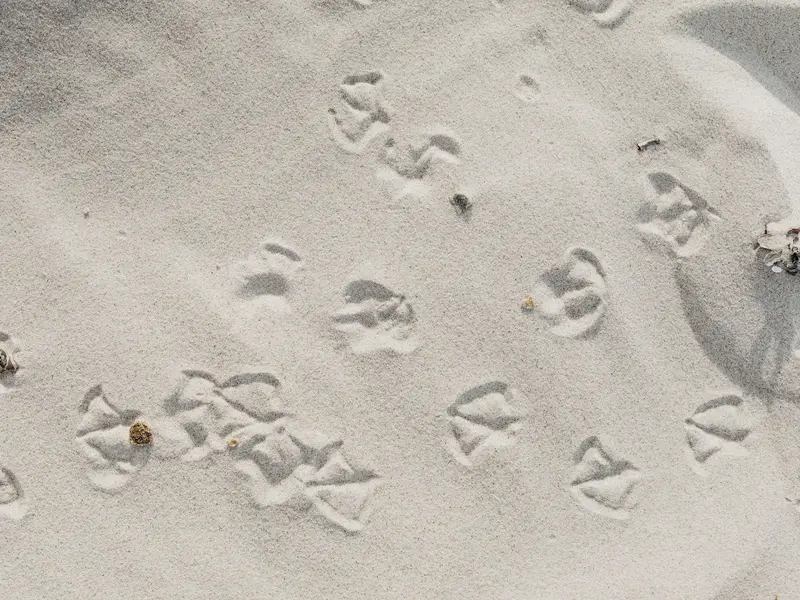
The track in the sand
Crawl tracks are visible on damp sand and clay beneath narrow streets and in the coastal gaps of the old quarter.
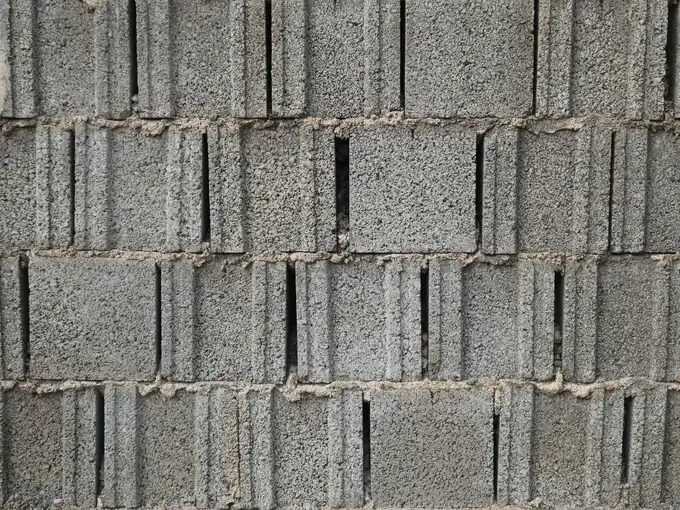
Block and rubble piles
Concrete block piles are rare in the old neighbourhood, but rubble from past repairs creates small gaps where snakes hide and rest.
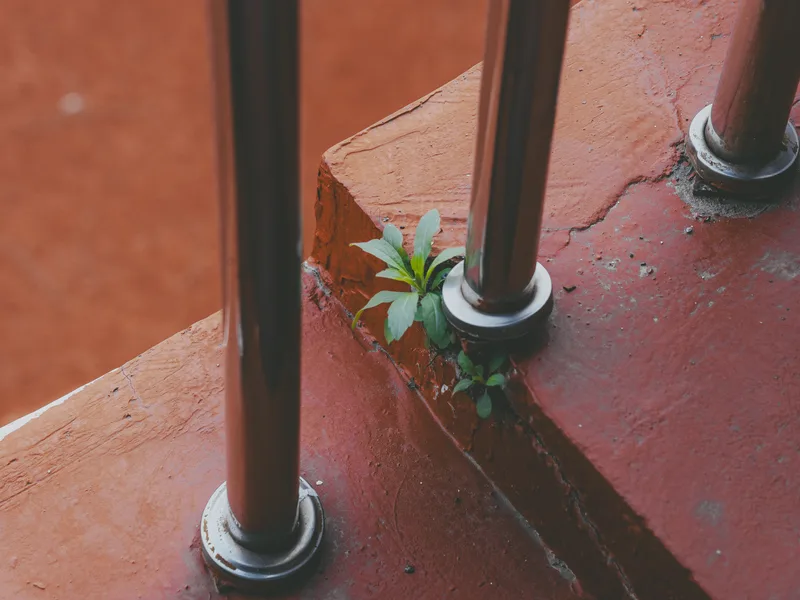
The gap under the gate
The gap beneath shop doors on the street needs immediate sealing as the snake's preferred first entry searching for rats.
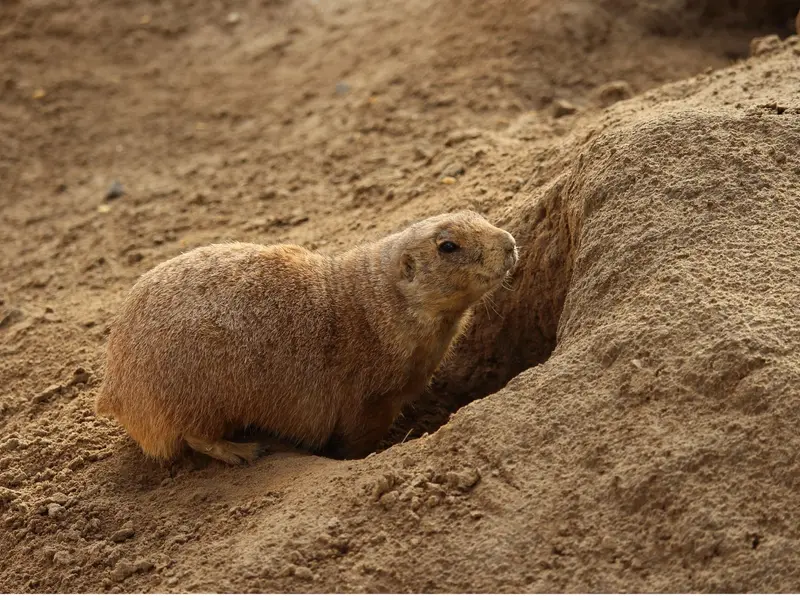
Rodent burrows
Rodent burrows in below-ground gaps draw snakes directly, especially in shops storing grain and food supplies.
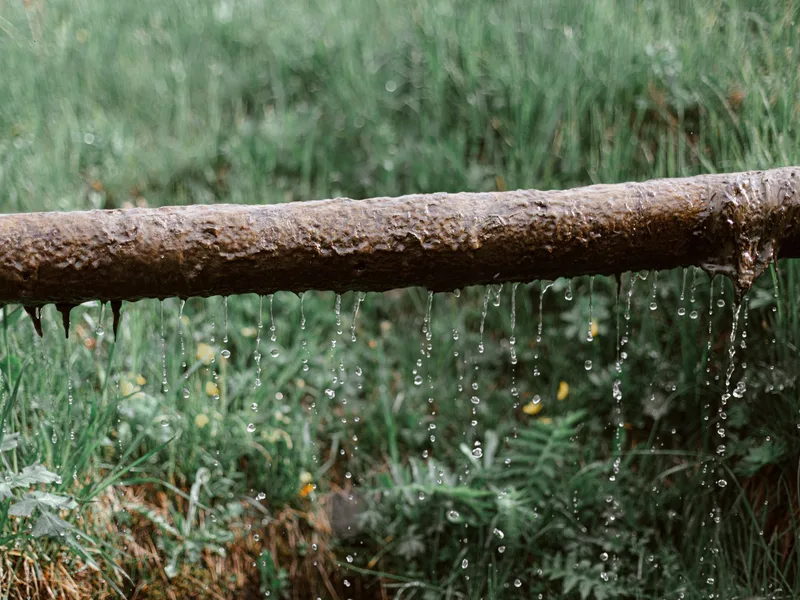
A leaking irrigation line
Leaking water from high cisterns and household tanks creates permanent damp patches beneath foundations that attract insects and rats continuously.
How we work
-
1
Inspect and locate
We work the perimeter, the garden and the service rooms with a torch and a mirror, reading the tracks, the skins and the burrows to establish whether it is still on site and where it came in.
-
2
Safe removal
It comes out on a hook and tongs into a closed container and is released away from buildings where that is possible, with no chasing it around a room.
-
3
Close the routes, take away the shelter
A strip under the gate, sleeves around pipe entries, tight covers on the floor drains, and the blocks and palm fronds moved off the wall line.
-
4
Cut the food, then come back
We treat the rodents and the geckos on the perimeter, then return once that activity has settled to check the sealed points and look for any fresh track.
What snake control includes
-

A recorded site inspection
Perimeter, garden, service rooms and pipe entries, with tracks and skins recorded before anything is applied.
-

Drains and entries closed
Tight covers on floor drains, sleeves around waste and air conditioning pipe runs, and the weep holes in the boundary wall closed.
-

Rodent work around the building
Closed bait stations on the rodent runs, because cutting the prey is what makes the site stop suiting them.
-

Perimeter treatment down the food chain
Insects on lit walls hold the geckos, and geckos feed some species, so we treat the chain from the bottom up.
-

A perimeter housekeeping list
What to move off the wall line, how low to cut the ground cover, where the lighting sits, and what to do if you see another one.
-

A scheduled follow-up
A set date to check the sealed points, the rodent stations and any new track in the sand.
What is different about Thuwal Sub-Municipality
Thuwal sub municipality is a small fishing town on the Red Sea coast at the far northern edge of Jeddah governorate. Its old quarters are closely packed popular and mud built houses on narrow streets, with newer low rise concrete homes from the town's development programme beside them. Sea humidity stays high all year, the fishing harbour and the corniche form its seafront, water arrives by tanker so household tanks are everywhere, and the town sits on Wadi Thuwal, ringed by open ground and by the irrigated green campus of King Abdullah University of Science and Technology.
Questions about this district
Does a snake enter a ground floor shop or just pass through it?
The snake enters hunting for rats feeding on wasted flour, grain and food scraps. The shop is dark, damp and food-rich, so it is ideal. If the shop closes at night the snake may sleep beneath shelves or in a dark corner until dawn.
Can one shop be sealed without treating neighbouring shops too?
The gaps beneath adjacent shops are connected underground through shared drains and common channels. Sealing one shop only pushes the snake to the next one. The building owners must coordinate or treat all the gaps in the street together.
Can a snake reach the upstairs flat from the space below the shop?
Yes. Gaps around water and electrical pipes that run vertically from ground to upper floors provide a direct route. The snake climbs from below-ground gaps into the flat using these passages. Eliminating rats below the shop removes the snake's reason to enter at all.
Do old drains beneath the street provide safe passage for snakes between houses?
The shared drain beneath the narrow street gives snakes perfectly safe routes to move between buildings unseen. Treating the drain itself or sealing every gap on the house side is essential.
After removal from one shop, might another snake arrive from a neighbouring shop within a week?
Yes, if rats remain in the neighbouring shop and gaps beneath ground are connected, another snake will arrive hunting the same food source. All the street's rats and gaps must be treated together, not one shop in isolation.
Does the high humidity and salt in the air affect the sealing method?
Yes significantly. Salt and moisture cause rapid metal corrosion, so the materials we use for sealing must have high salt resistance. Regular checks are important because gaps can reopen due to coastal weathering.
How much does snake control in Harat Al Amir cost?
It is set after the inspection, because the price follows the type of infestation, the size of the space, how far it has spread and the number of visits it needs. Send a photo and a description on WhatsApp and we will give you an estimate before we reach Harat Al Amir.
Nearby districts we cover
Other services in Harat Al Amir
Other services we provide to residents of Harat Al Amir.
-
 Residential
Cockroach control
Residential
Cockroach control
-
 Residential
Bed bug control
Residential
Bed bug control
-
 Residential
Termite control
Residential
Termite control
-
 Residential
Rodents and mice
Residential
Rodents and mice
-
 Residential
Mosquito control
Residential
Mosquito control
-
 Residential
Fly control
Residential
Fly control
-
 Residential
Ant control
Residential
Ant control
-
 Residential
Gecko control
Residential
Gecko control
-
 Residential
Scorpion control
Residential
Scorpion control
-
 Residential
Flea control
Residential
Flea control
-
 Residential
Bird and pigeon control
Residential
Bird and pigeon control
-
 Residential
Preventive treatment
Residential
Preventive treatment
-
 Residential
Disinfection
Residential
Disinfection
-
 Commercial
Annual contracts
Commercial
Annual contracts
-
 Commercial
Restaurants and cafes
Commercial
Restaurants and cafes
-
 Commercial
Hotels and apartments
Commercial
Hotels and apartments
-
 Commercial
Warehouses and factories
Commercial
Warehouses and factories
-
 Commercial
Schools and nurseries
Commercial
Schools and nurseries
-
 Commercial
Retail and malls
Commercial
Retail and malls
-
 Commercial
Rest houses and farms
Commercial
Rest houses and farms
-
 Commercial
Fumigation
Commercial
Fumigation
-
 Water tanks
Water tank cleaning
Water tanks
Water tank cleaning
-
 Water tanks
Water tank sterilization
Water tanks
Water tank sterilization
-
 Water tanks
Water tank sealing
Water tanks
Water tank sealing
-
 Water tanks
Tank leak repair
Water tanks
Tank leak repair
Need snake control in Harat Al Amir? Tell us what you saw and we will tell you what it needs
We reach Harat Al Amir at a time we agree, and you get the full cost before we start.