
Where do mosquitoes actually breed?
A mosquito needs a spoonful of standing water to lay eggs. Fogging the air kills what is flying now and does nothing to the generation flying next week.
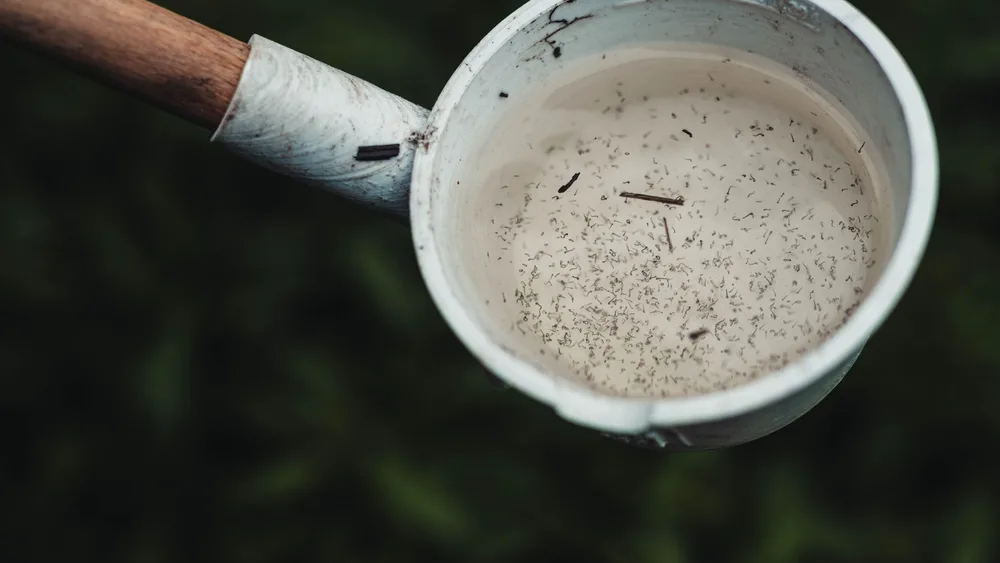
Mosquito control is where people spend the most for the least result, and the reason is simple: the flying stage gets treated and the water stage gets left alone. The water stage is the factory.
The life cycle in two lines
The female lays her eggs on the surface of standing water. They hatch into larvae that live in that same water, become pupae, and emerge as flying adults. In hot weather the whole cycle can finish in a matter of days.
Every mosquito in your room came out of standing water nearby. The question is not how to drive them out, it is where that water is.
It takes far less water than you think
You do not need a pond. For some species a bottle cap is enough. Look for:
- Plant pot saucers and their bases, the single most common source in most homes.
- Air conditioning condensate and water pooling under the outdoor unit.
- Old tyres, buckets and boxes left in a yard or on a roof.
- Blocked roof gutters holding rainwater.
- Tanks and drums that are not tightly sealed.
- Animal and bird water bowls that are not changed daily.
- Inspection chambers and gullies that are rarely used.
What actually works
- Empty and turn over. Anything that collects rainwater gets emptied and inverted weekly. This alone reduces numbers more than any spray.
- Change standing water weekly. Plant saucers and animal bowls. Weekly matters because it is shorter than the cycle.
- Seal what cannot be emptied. Tanks covered tightly, openings meshed.
- Treat water that cannot be removed with a product made for larvae, not with an adult insecticide.
- Window mesh protects the room. It does not reduce breeding.
Why outdoor fogging is not enough on its own
Thermal or cold fogging in a yard knocks flying numbers down for hours or days, and it is genuinely useful before an event. But it never reaches the larvae in the water, so the population replaces itself quickly. Using it alone is exactly why people say "we sprayed and it did nothing".
Treatment that lasts does both: reduce what is flying now through mosquito control, and treat the breeding sites so it is not simply replaced. Where the tank is one of those sites the answer is not a pesticide but cleaning the tank and sealing its lid.