
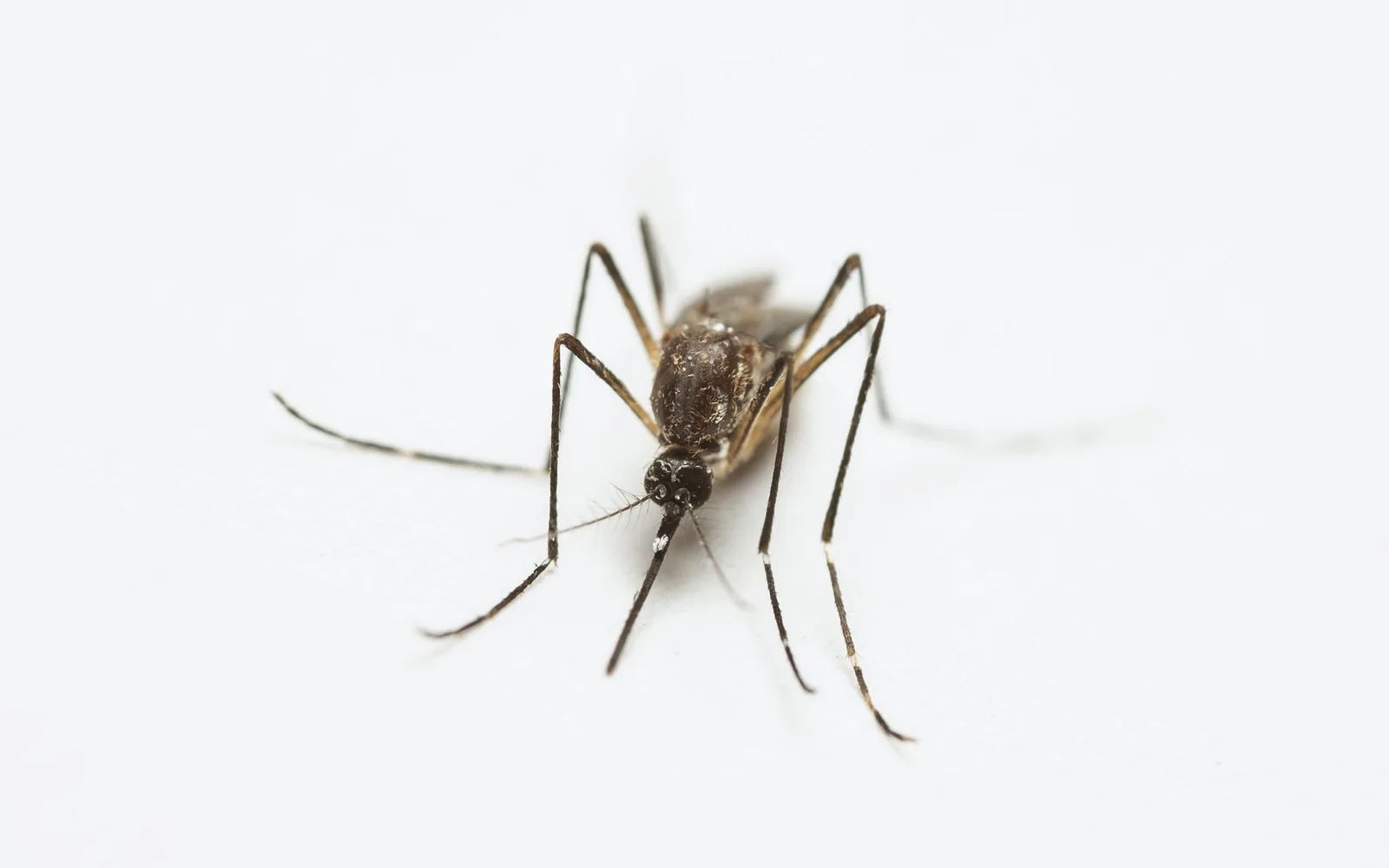
Mosquito control for homes and gardens
We start by finding every point that holds standing water, treat what cannot be emptied in the water itself, then put a residual on the shaded surfaces the adults sit on through the day.
-
Targeted, not broadcast
Product goes into cracks and runways, never sprayed across open surfaces.
-
Told before we start
What we will use, where it goes, and what to cover or move before we arrive.
-
A follow-up visit
We return after the first treatment, because what survives it does not show on the day.
-
Homes and businesses
Apartments and villas, and kitchens and stores that need a record of each visit.
Why a mosquito spray usually does not hold
Three reasons, and between them they explain why the numbers came back within days.
Fogging reaches only what is flying
The stage that makes the problem is in the water, not in the air. The larvae finish developing untouched and a new generation emerges within days.
The source is smaller and closer than expected
A plant saucer or an air-conditioning tray holds enough water for a full cycle. Container mosquitoes do not travel far from where they emerged.
The eggs wait for the next fill
Eggs stick to the wall above the waterline and survive drying for weeks. Emptying a container once does not settle it, and the next watering or rain hatches what stayed.
Standing water and shade decide the method
What we walk through on the first circuit of the building, and why each one changes the treatment.
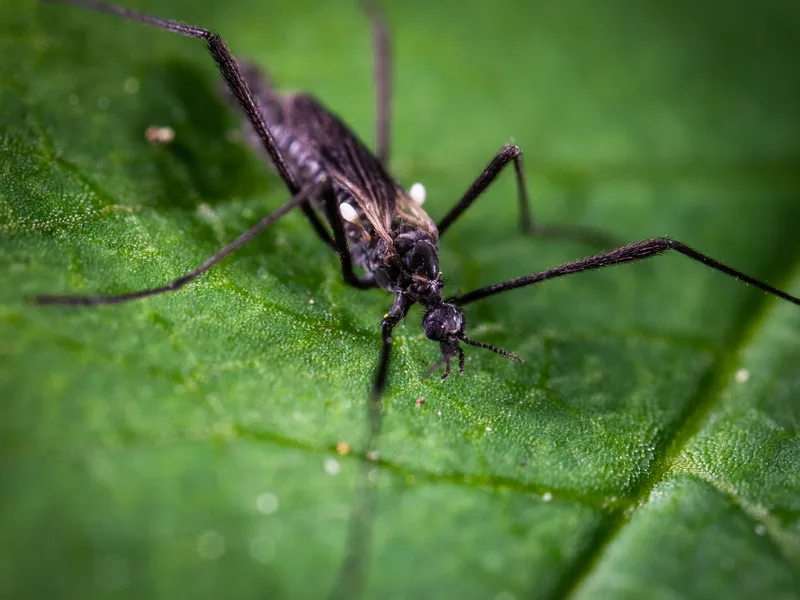
The daytime biter
It breeds in small containers of clear water around the building, so the search starts inside the wall rather than beyond it.
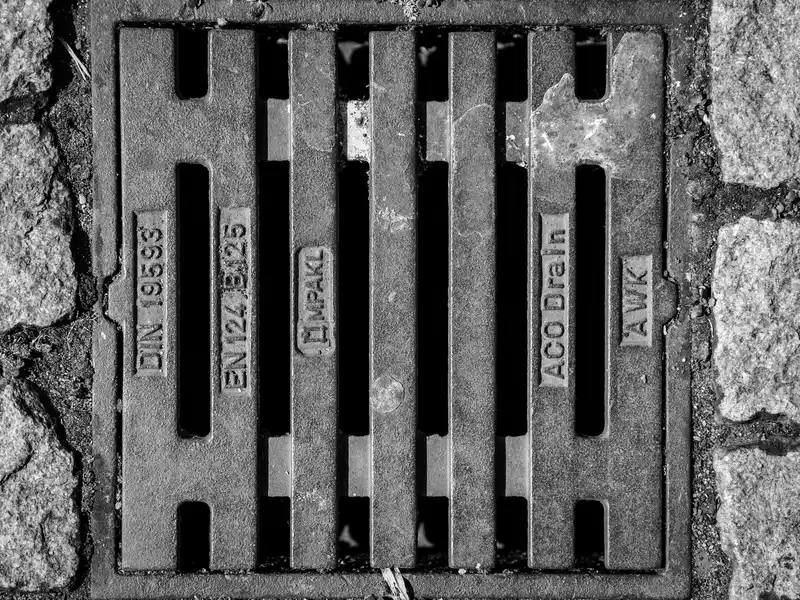
The one that comes out after sunset
It prefers water carrying organic matter in drains and sumps, so treatment starts at the grate, not in the bedroom.
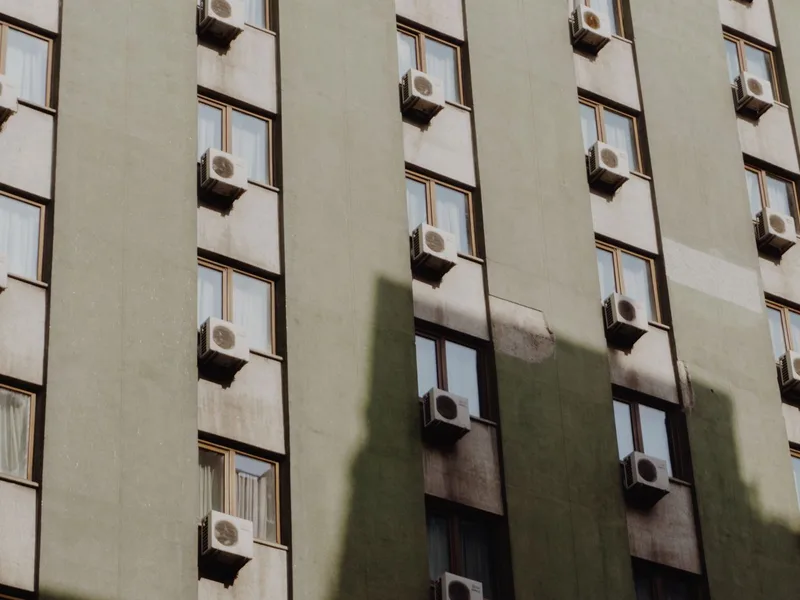
Air-conditioning condensate
Constant dripping leaves a small permanent pool under the unit, one of the steadiest breeding points because nobody ever looks at it.
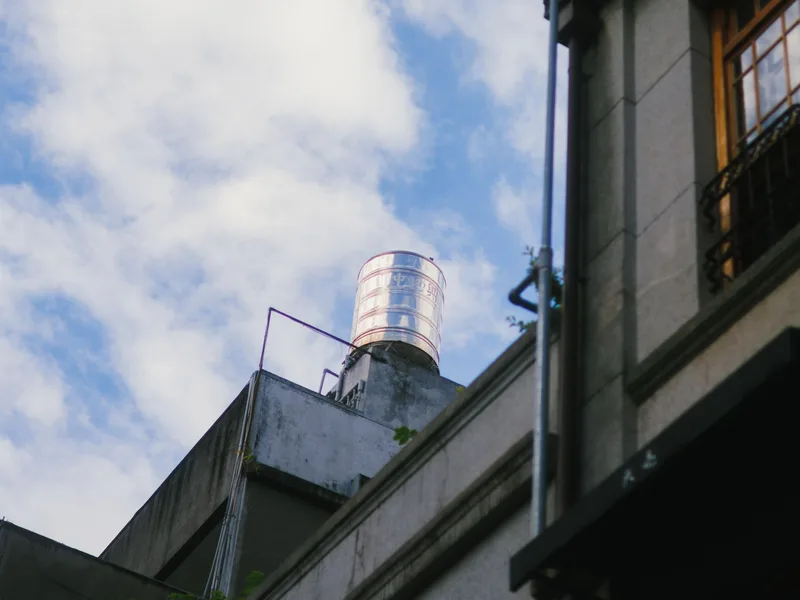
The tank and its openings
A lid that does not seat or a vent without mesh opens still, clean water to egg laying, and it earns a check before anything is sprayed.

Garden containers and irrigation
Saucers, animal water bowls and over-watering refresh the water every couple of days, which turns an incident into a continuous cycle.
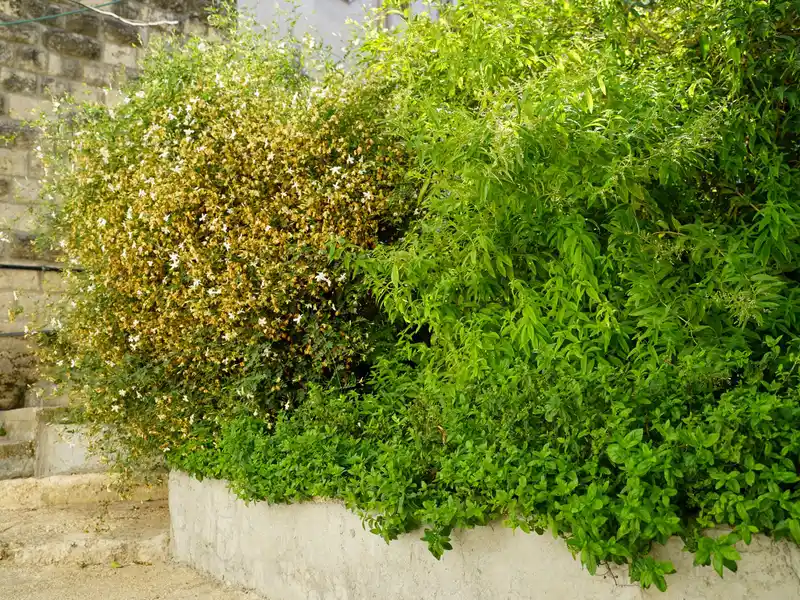
The shade it rests in
The adult spends the day on a shaded, humid surface close to the ground, and those are precisely the surfaces that carry the residual.
How the visit runs
Four steps. It starts with the water, not with the product.
-
1
Inspect and map the water
We walk the perimeter, the roof, the garden, the meter chambers and the condensate runs, record everything that holds water, and read the species from the breeding site and the time of biting.
-
2
Remove the water that can go
Empty, invert, cover: saucers, containers, old tyres and roof gullies. Every point that disappears is a treatment that never needs repeating.
-
3
Larval treatment, then the resting surfaces
Water that cannot be drained is treated so the larva never completes, then a residual goes under planting, beneath outdoor furniture and along low shaded walls.
-
4
The follow-up visit
We come back once the generation that was in the water on the first visit has completed, review every point we recorded and re-treat where needed.
What mosquito control includes
-

A recorded water survey
Roof, perimeter, garden, meter chambers and condensate lines, written down before anything is applied.
-

Draining and covering the sources
Emptying what can be emptied, draining what can be drained, and covering what has to stay full.
-

Larval treatment for the water that stays
For ground tanks, inspection chambers, water features and any permanent water that has to remain.
-

A residual on the resting places
Under trees and shrubs, beneath outdoor furniture and on shaded walls, where the adult sits out the day.
-

Aftercare instructions
What stays inverted, what gets covered, which openings need mesh, and when watering goes back to normal.
-

A scheduled follow-up
A set date after the first treatment, with every recorded water point reviewed and re-treated if the water came back.

Exactly where the product goes
-
1
Inside joints, not on surfaces
Bait goes into a cabinet joint or a gap behind an appliance, in dots the size of a match head, in places no hand reaches and nothing touches in ordinary use.
-
2
Away from where food is
Nothing is sprayed on preparation surfaces, inside food cupboards, or across open floor in living rooms and bedrooms.
-
3
A little preparation first
Cover dishes, move water bowls. We give you the ventilation time for your treatment on the call, rather than a general number printed on a page.
-
4
Tell us the exceptions
Asthma, an allergy or a pregnancy in the home changes the product choice and the order of the visit. It is a change we make often and it does not delay the appointment.
Our work
What customers say on Google
Excellent to deal with, very good service, and they explain. The staff explain how each product is used, completely honestly.
Translated from the Arabic original.
The termite problem disappeared after the treatment. Thank you.
Translated from the Arabic original.
We had a cockroach problem, and after the treatment, praise God, the cockroaches have largely gone. Their work is tidy and they are respectful to deal with. I recommend them.
Translated from the Arabic original.
We cover Jeddah and Makkah
Every district has its own page for this service. Tap yours.
Common questions
Is fogging on its own enough?
Fogging brings the flying numbers down for that evening, which is useful before an occasion, but it does not reach the larvae in the water or the eggs. We use it as a support step after the sources are handled, not instead of them.
How many visits, and when will I notice a difference?
Usually two: the treatment, then a follow-up timed to the emergence of the generation that was already in the water. Biting starts to drop within a few days of the first visit and settles after the second. A property with permanent water or a large garden is better served by a recurring arrangement, see Preventive treatment.
Why did the mosquitoes come back?
Three reasons, in that order: a water point we did not reach or that filled again, eggs stuck to the wall of a container that was refilled, and a source outside the boundary we treated. The first two are closed on the follow-up. If it is the third we say so plainly, because that one needs an arrangement with the neighbour or with the building management.
Is it safe around children and pets, and do we have to leave?
Most of the work is outdoors: draining, treating water, and a targeted residual on shaded surfaces, not a broadcast spray through the bedrooms. Ventilation and re-entry change with the product and the space, so we tell you on the call before the appointment rather than printing a fixed number here. The simple preparation is in where mosquitoes breed.
Could the water tank be the source?
Yes, if the lid does not seat, the vent has no mesh, or a leak is holding water around it. We check the tank as part of the circuit and tell you what it needs. If the tank itself needs work, that is a separate job: Water tank cleaning and Water tank sealing.
It gets much worse after rain and in humid weather. Is that normal?
Yes. Rain fills every container and hollow at once, and the effect shows up a week or two later, because that is how long the cycle takes in warm weather. That is why a preventive visit belongs before the season rather than after it. The same logic runs through Fly control, where the answer is also a breeding source rather than the air.
What does mosquito control cost?
It is set after the inspection, because it follows the size of the perimeter and garden, how many permanent water points there are, and whether the source sits inside your boundary or is shared with the building. Send photos of the outside and a note of when the biting happens on WhatsApp, and we will give you an estimate before we come out.
Other services
Scroll to see the rest of what we do.
-
 Residential
Cockroach control
Residential
Cockroach control
-
 Residential
Bed bug control
Residential
Bed bug control
-
 Residential
Termite control
Residential
Termite control
-
 Residential
Rodents and mice
Residential
Rodents and mice
-
 Residential
Fly control
Residential
Fly control
-
 Residential
Ant control
Residential
Ant control
-
 Residential
Gecko control
Residential
Gecko control
-
 Residential
Scorpion control
Residential
Scorpion control
-
 Residential
Snake control
Residential
Snake control
-
 Residential
Flea control
Residential
Flea control
-
 Residential
Bird and pigeon control
Residential
Bird and pigeon control
-
 Residential
Preventive treatment
Residential
Preventive treatment
-
 Residential
Disinfection
Residential
Disinfection
-
 Commercial
Annual contracts
Commercial
Annual contracts
-
 Commercial
Restaurants and cafes
Commercial
Restaurants and cafes
-
 Commercial
Hotels and apartments
Commercial
Hotels and apartments
-
 Commercial
Warehouses and factories
Commercial
Warehouses and factories
-
 Commercial
Schools and nurseries
Commercial
Schools and nurseries
-
 Commercial
Retail and malls
Commercial
Retail and malls
-
 Commercial
Rest houses and farms
Commercial
Rest houses and farms
-
 Commercial
Fumigation
Commercial
Fumigation
-
 Water tanks
Water tank cleaning
Water tanks
Water tank cleaning
-
 Water tanks
Water tank sterilization
Water tanks
Water tank sterilization
-
 Water tanks
Water tank sealing
Water tanks
Water tank sealing
-
 Water tanks
Tank leak repair
Water tanks
Tank leak repair
Need mosquito control? Describe what you saw and we will tell you what it needs
A short call is enough. We tell you what we can see and the full cost before we start, and you decide after that.