

Annual contracts in Al Naeem Jeddah
Al Naeem is a dense commercial district where restaurants, cafes and shops crowd Hira Street and Al Naeem Street in constant operation. The passages between buildings and small storerooms create a complex habitat that requires deep understanding of pest flow patterns and daily movement routines. Infestations here spread vertically and horizontally through shared infrastructure faster than in residential areas.
-
Targeted, not broadcast
Product goes into cracks and runways, never sprayed across open surfaces.
-
Told before we start
What we will use, where it goes, and what to cover or move before we arrive.
-
A follow-up visit
We return after the first treatment, because what survives it does not show on the day.
-
Homes and businesses
Apartments and villas, and kitchens and stores that need a record of each visit.
Why they keep coming back in Al Naeem
Adjacent restaurants and cafes in the district share drainage lines and internal grease traps, allowing cockroaches and ants to move between premises rapidly and establish colonies that extend beyond single shop boundaries. The method is set out in full on what Annual contracts involves.
Density of food outlets and shared drainage infrastructure
Dozens of food businesses on Hira and Al Naeem streets share common drain lines and grease interceptors. Cockroaches and ants ignore boundaries between shops, and an annual contract is essential to track spread across single buildings and into neighbouring premises. Shared plumbing makes pest control here a collective problem disguised as individual shop issues.
Hira International Market as a hub for incoming infestations
The market concentrates merchandise from many sources, and boxes and bags enter carrying cockroaches, flour beetles and ants. Basement storerooms and upper floors crammed with stock offer ideal shelter, and continuous monitoring uncovers infestations at receiving points before they radiate into the surrounding commercial blocks.
Complex architectural layout and hidden entry points
Narrow passages, small storerooms, interconnected roofs and service corridors between blocks create a maze of routes along which pests move unseen. Monitoring points must be positioned at strategic locations that intercept actual pest pathways, not placed at random in spaces that look obvious but see no traffic.
Al Naeem on the map
Al Naeem sits about 2 km from Al Nahdah and about 3 km from Al Muhammadiyah.
Open in Google MapsWhat sets the shape of the contract
Hira International Market and crowded food outlets provide continuous food sources. Ground floor shops beneath residential units link pests across different buildings through shared walls and service passages.
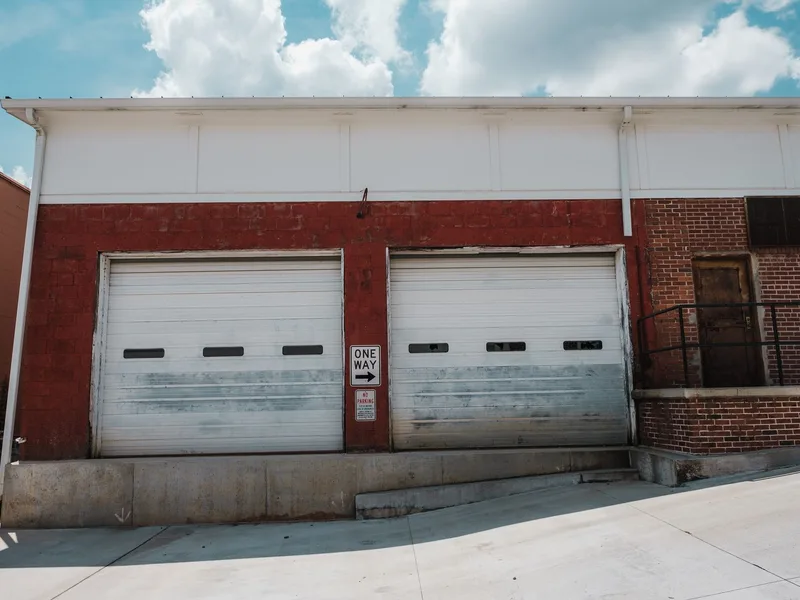
The goods-in door
Al Naeem commercial premises have street entrances and rear storerooms, so we coordinate goods-in points with each shop's operating schedule to avoid disrupting trade during delivery hours.
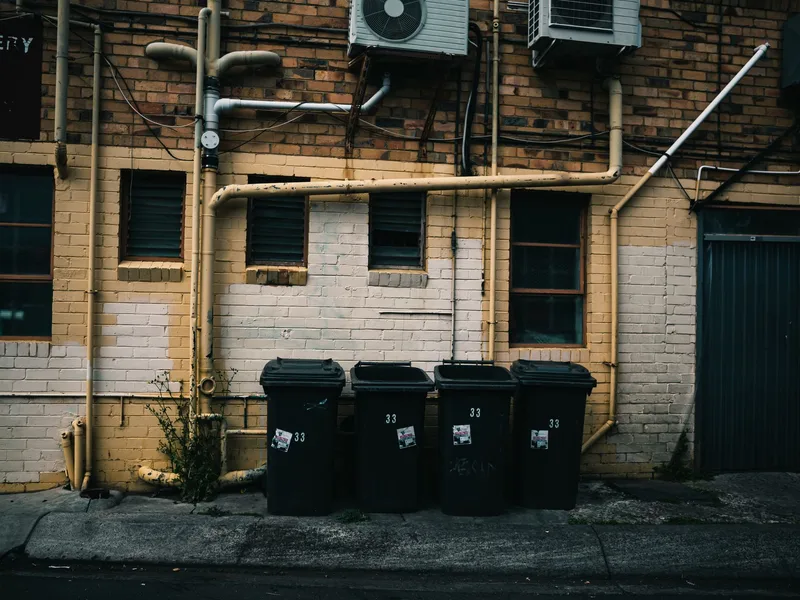
The waste area
Waste areas in food outlets are confined and congested, so we place monitoring points around waste bins and open areas adjacent to each shop rather than inside cramped back rooms.
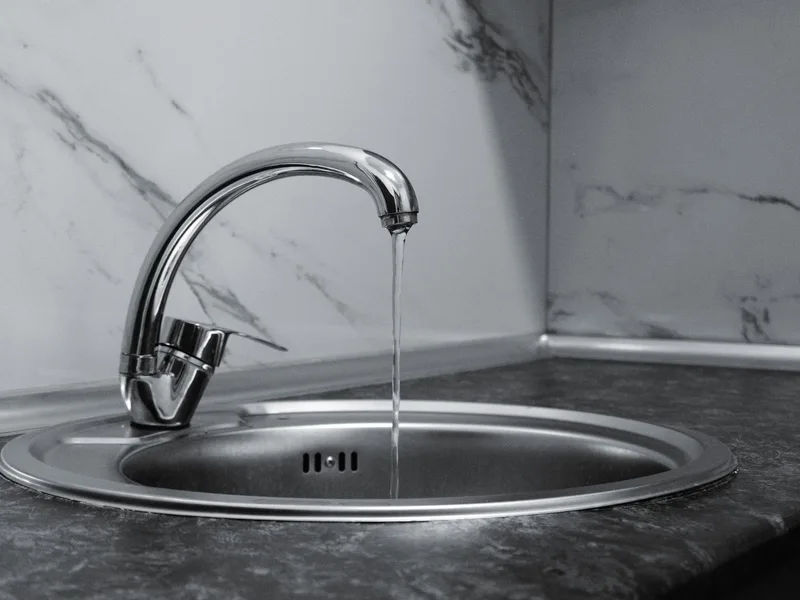
Drains and grease traps
Drainage in Al Naeem is complex: individual restaurants have their own grease traps, but main channels run common to several shops, and we coordinate monitoring points in the public network with Jeddah Municipality.
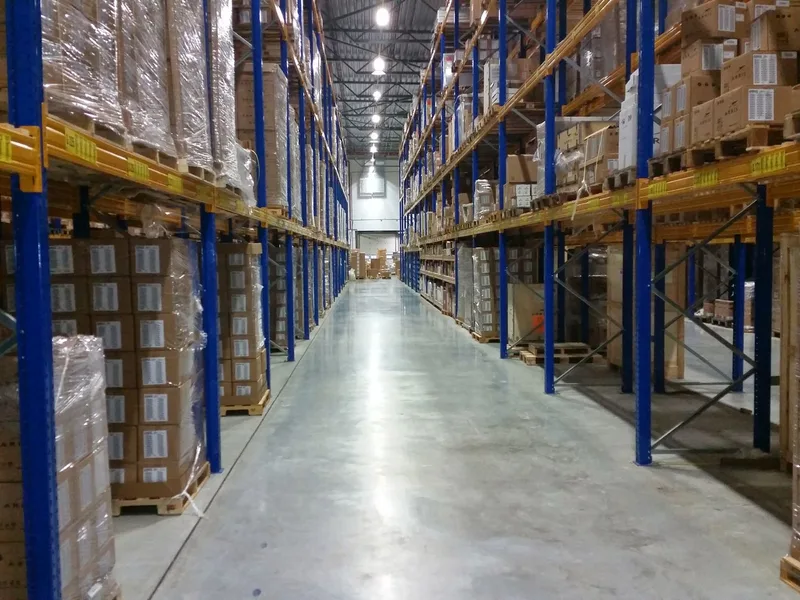
Dry store and pallets
Dry stores sit behind or below each shop, often narrow and crammed with stock, so we focus points on rear storerooms and ventilation openings to track flour beetles and cockroaches.

Fixed, numbered points
We place numbered points at shop entrance, rear access, storeroom and drain, using consistent numbering so shopkeepers can identify which point requires attention and report findings reliably.

The file itself
Reports identify which shop carries higher pressure and where shared networks need concentrated treatment, with recommendations to seal gaps and cracks that connect adjacent premises.
How we work
-
1
Survey and risk assessment
We walk the building from the goods-in door through preparation, stores and washrooms, and record the species pressure, the entry routes, the moisture and which areas carry which level of risk.
-
2
The plan, the map and the frequency
We number the monitoring positions on a plan of the site, agree the visit frequency from what each area handles and how open the building is, and agree who receives and signs the report.
-
3
The scheduled visits
Every visit reads the same route, point by point, records the reading even when it is nil, and treats the area the reading calls for rather than the whole building.
-
4
Review and reading the trend
We read the visits together rather than one at a time: where the readings climbed, which corrective actions are still open, and whether an area needs more points or closer visits.
What the annual contract includes
-

Opening survey and site plan
A walk that fixes the risk areas and the entry routes, and a plan with the monitoring positions numbered before anything is installed.
-

Numbered monitoring points
Fixed positions on a set route, opened, read and logged every visit, and replaced when damaged.
-

Targeted treatment when called for
On the cracks, junctions and service areas the reading points to, and outside operating hours where that is needed.
-

Drains and waste areas
Floor gullies, grease traps and the ground around the containers on every visit, because that is the source that renews itself.
-

Report and corrective actions
After every visit: what was found, what was applied and where, and what the site needs to fix, such as a door gap or a missing drain cover.
-

Scheduled visits and visits in between
A schedule agreed in the contract, plus a visit when activity appears between two dates, logged like any other.
Landmarks of Al Naeem
Al Naeem divides into multiple sectors and requires precise knowledge of street layout and internal passages to reach all commercial addresses. We position our monitoring network relative to Prince Sultan Road as the eastern boundary and Hira International Market as the western reference point, making it straightforward to track pest movement across the entire commercial zone.
- Hira Street
- Al Naeem Street
- Hira International Market
- Al Naeem Public Park
- Prince Sultan Road
Questions about this district
If the neighbouring restaurant is immaculate, why does our shop have cockroaches?
Neighbours may appear clean to the public, but cockroaches spread through shared drains and underground channels that no one sees. Pests in a commercial district do not stay within one shop but migrate freely between buildings through common infrastructure, so cleanliness in one outlet does not prevent infestations elsewhere.
Can pests come from Hira International Market next door to us?
Yes, the market receives goods from many sources, and boxes and sacks bring flour beetles, cockroaches and ants. Pests spread from market storerooms to neighbouring shops through shared passages and wall gaps. Al Naeem's position near the market means it experiences constant pressure from incoming infestations.
Does an annual contract track pest movement between adjacent shops?
Yes, monitoring points are placed in shared passages and common drains to follow pest routes. Reports show which shop carries higher pressure and where shared infrastructure needs concentrated treatment to interrupt cross contamination.
Does a commercial district need a different control approach than a residential area?
Yes, commercial areas require different strategy. Operating hours vary by shop, restaurants work at night, and visits must coordinate with each outlet's schedule without disrupting trade. Residential areas have uniform occupancy and simpler routines.
Are there seasons when Al Naeem experiences heavier pest pressure than others?
Yes, warm months from May to September see higher cockroach and ant activity due to heat and food waste accumulation. Ramadan intensifies pressure as restaurants run longer shifts and food remnants accumulate faster, creating temporary peaks that routine visits cannot anticipate.
Can a single shop be treated without addressing neighbouring premises?
A call out visit tackles one shop only, but pests return from shared infrastructure and neighbouring outlets. An annual contract treats each shop within the district context and monitors the common drains that connect all premises, making prevention continuous rather than reactive.
How much does annual contracts in Al Naeem cost?
It is set after the inspection, because the price follows the type of infestation, the size of the space, how far it has spread and the number of visits it needs. Send a photo and a description on WhatsApp and we will give you an estimate before we reach Al Naeem.
Nearby districts we cover
Other services in Al Naeem
Other services we provide to residents of Al Naeem.
-
 Residential
Cockroach control
Residential
Cockroach control
-
 Residential
Bed bug control
Residential
Bed bug control
-
 Residential
Termite control
Residential
Termite control
-
 Residential
Rodents and mice
Residential
Rodents and mice
-
 Residential
Mosquito control
Residential
Mosquito control
-
 Residential
Fly control
Residential
Fly control
-
 Residential
Ant control
Residential
Ant control
-
 Residential
Gecko control
Residential
Gecko control
-
 Residential
Scorpion control
Residential
Scorpion control
-
 Residential
Snake control
Residential
Snake control
-
 Residential
Flea control
Residential
Flea control
-
 Residential
Bird and pigeon control
Residential
Bird and pigeon control
-
 Residential
Preventive treatment
Residential
Preventive treatment
-
 Residential
Disinfection
Residential
Disinfection
-
 Commercial
Restaurants and cafes
Commercial
Restaurants and cafes
-
 Commercial
Hotels and apartments
Commercial
Hotels and apartments
-
 Commercial
Warehouses and factories
Commercial
Warehouses and factories
-
 Commercial
Schools and nurseries
Commercial
Schools and nurseries
-
 Commercial
Retail and malls
Commercial
Retail and malls
-
 Commercial
Rest houses and farms
Commercial
Rest houses and farms
-
 Commercial
Fumigation
Commercial
Fumigation
-
 Water tanks
Water tank cleaning
Water tanks
Water tank cleaning
-
 Water tanks
Water tank sterilization
Water tanks
Water tank sterilization
-
 Water tanks
Water tank sealing
Water tanks
Water tank sealing
-
 Water tanks
Tank leak repair
Water tanks
Tank leak repair
Need annual contracts in Al Naeem? Tell us what you saw and we will tell you what it needs
We reach Al Naeem at a time we agree, and you get the full cost before we start.