
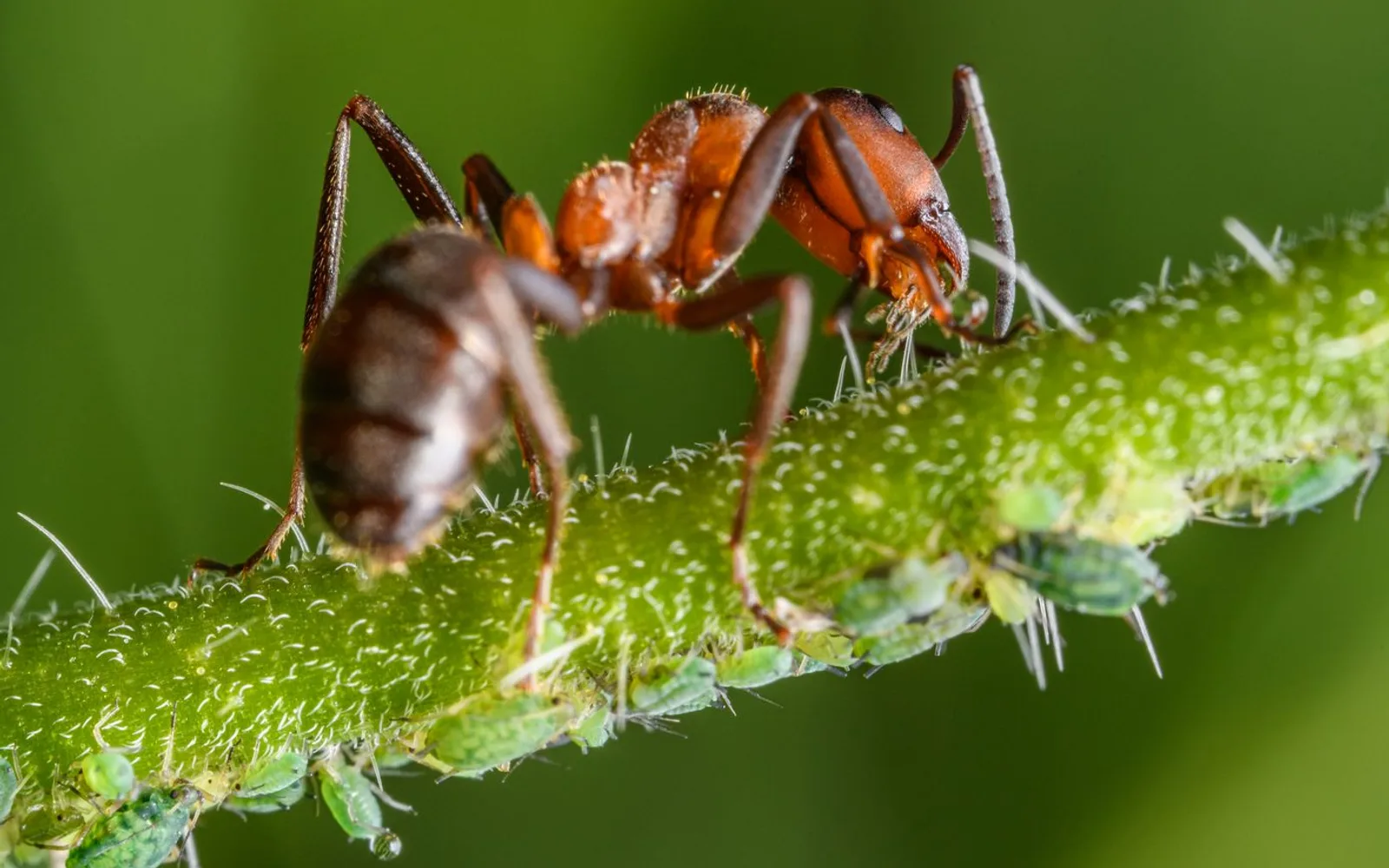
Ant control in Al Kandarah Jeddah
Al Kandarah is a central commercial zone mixing the famous Kandarah Souq with hotels, warehouses and ageing apartment buildings along King Fahd Road and Old Makkah Road. Ants here are diverse because food sources are varied: gold and sweets at the market, fats in restaurants, grains in storage, each attracting different species and requiring matched baits.
-
Targeted, not broadcast
Product goes into cracks and runways, never sprayed across open surfaces.
-
Told before we start
What we will use, where it goes, and what to cover or move before we arrive.
-
A follow-up visit
We return after the first treatment, because what survives it does not show on the day.
-
Homes and businesses
Apartments and villas, and kitchens and stores that need a record of each visit.
Why they keep coming back in Al Kandarah
Ants here build large colonies in wall cavities and warehouses, and we often find one nest serving an entire shop and its attached storage area without crossing to a neighbour. The method is set out in full on what Ant control involves.
Popular markets supply endless food
The Kandarah Souq trades night and day with food waste on floors and walls, and ants need not search far. Treating one shop alone will fail if the souq's outside perimeter is not treated as a unified system.
Warehouses and hotels form an interconnected system
The hotel stores grains, flour and oil, and the neighbouring warehouse does the same, with ants moving between them through openings and cracks. Treatment must cover all adjoining stores together as one zone, not as isolated spaces.
Old buildings harbour multiple separate nests
Ancient stone and concrete walls are riddled with voids and cracks, and ants build a nest on nearly every floor. You may find a different colony in each shop, each with its own trail and feeding pattern.
Landmarks of Al Kandarah
Treating Al Kandarah requires precise coordination between shops, hotels and warehouses. We focus on King Fahd Road and Old Makkah Road where food sources concentrate, and the souq itself needs comprehensive exterior treatment around the perimeter shops where trails begin.
- King Fahd Road
- Old Makkah Road
- King Khalid Road
- Kandarah Souq
- Jeddah National Hospital
The species and the trail decide the bait
Close to the port and high humidity throughout the year, combined with old buildings and ageing drainage networks, create an ideal environment for ants and other pests to thrive and establish large colonies.
The sweet feeders
Sugar seeking ants here come from souq remnants, sweets and spice shops, intensifying at night after the shops close and workers seek easy food in unguarded stalls.
The grease and protein feeders
Protein seeking ants concentrate in hotels and restaurants and shops selling oils and fats, nesting deeper and resisting repellent spray more stubbornly than sugar feeders.
The trail and its direction
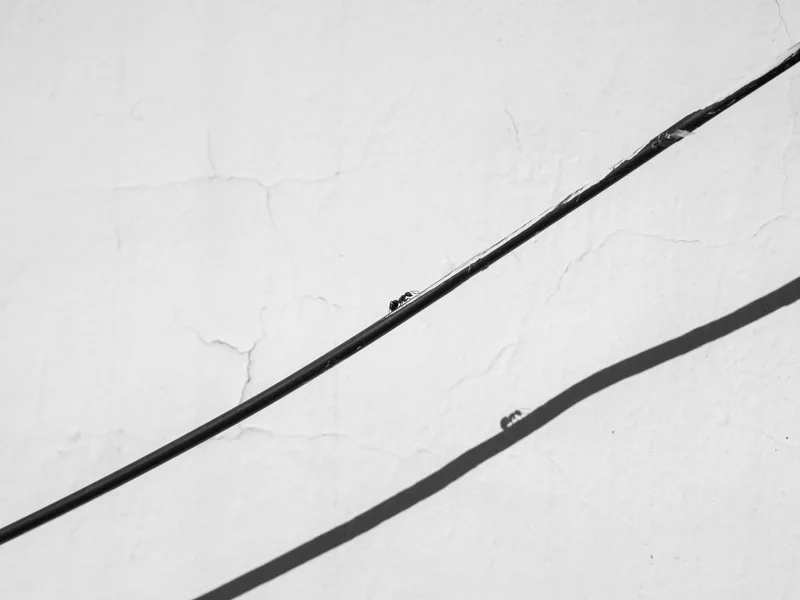
The trail begins underground through cracks and pipes and rises through adjoining shops and hotels, and the same path often serves three or four shops at once, making individual shop treatment ineffective.
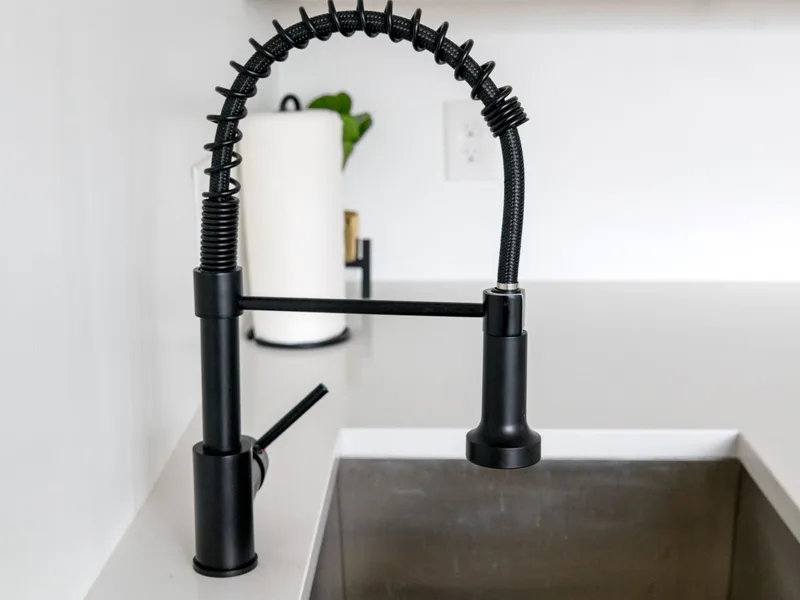
Moisture before food
High humidity from the port encourages year round breeding, and old drainage networks provide safe underground routes for ants to move and spread without exposure.
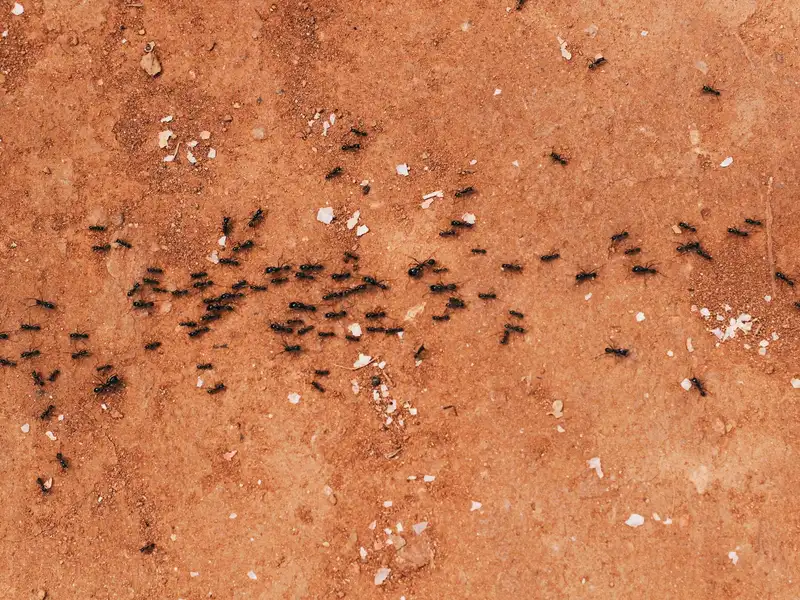
The nest outside the building
Outside nests in Al Kandarah are large and deep in old stone walls and may extend a metre or more underground, requiring precision injection into wall openings rather than surface spraying.
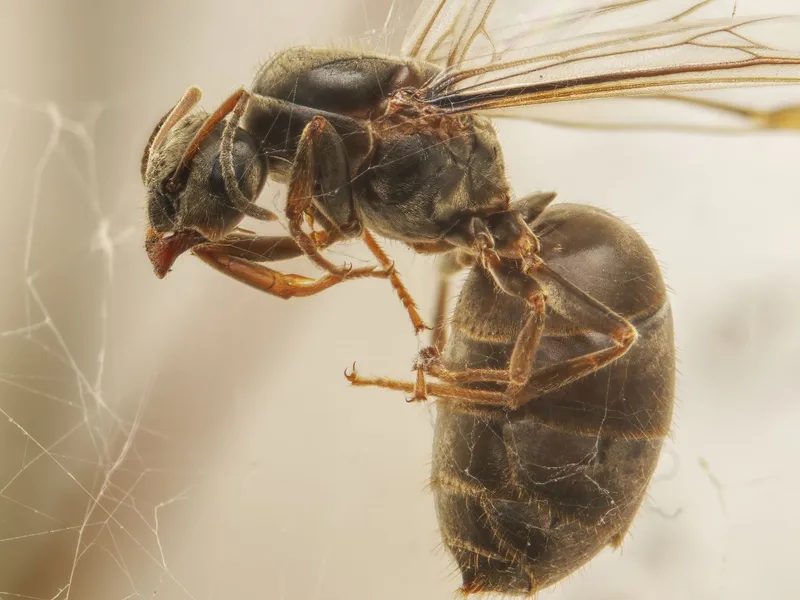
Winged ants
Winged ants appear in abundance during hot seasons in Al Kandarah, signalling rapid colony growth, and swift action prevents new nests spreading to adjoining properties.
How we work
-
1
Inspect and follow the trail
We follow the line from where you see it to where it enters, and establish the species, what it is feeding on and the moisture keeping the nest close.
-
2
Matched bait placed on the trail
We choose the matrix from the feeding preference and place it on the trail itself, leaving the trail intact so the workers carry it to the queen and the brood.
-
3
Treat the perimeter and close the ways in
An external treatment at the wall base and the openings, and we point out the cracks, pipe entries and any branch touching the building.
-
4
The follow-up visit
We come back once the bait has worked through the nest, check the trail is gone, and look for a satellite nest if a new line has appeared.
What ant control includes
-

Following the trail to its source
Species, entry point and the direction of the nest, established before anything is applied.
-

Bait matched to the colony
Sugar or protein according to what the workers are carrying, placed on the trail rather than near it.
-

An external perimeter treatment
A band at the wall base and the outside openings, with the indoor trail left unsprayed so it keeps carrying bait.
-

Moisture points and entries
Condensate lines, sink surrounds, weep holes and pipe entries, which are what keeps a nest against the building.
-

Aftercare instructions
What not to wipe until the bait has been taken, what to cover, and when normal cleaning can resume.
-

A scheduled follow-up
A set date to check the nest and re-bait anywhere still active.
What is different about Al Balad Sub-Municipality
Al Balad sub municipality covers the historic core of Jeddah and the districts that first grew outside its wall. Its building stock is the oldest in the city: heritage stone houses and apartment blocks from past decades, threaded with hotels, shops and crowded popular markets around Bab Makkah, Bab Sharif and the Kandarah Souq. Nearness to the sea, the Islamic Port and the Arbaeen lagoon keeps humidity high all year, water and drainage networks are old, and narrow lanes, dense eateries and commercial storerooms put food and shelter within reach at every corner.
Questions about this district
Is treating my gold shop enough, or must the entire souq be treated?
Your shop may be the entry point, but ants move freely between adjoining shops from below. Effective treatment covers the souq's outside perimeter and every connected shop as one integrated system.
My warehouse is packed with flour and sugar sacks. Must I empty everything?
No emptying is needed, but we place specialised bait around sugar and flour stacks so the ants reach it before your stock, and the workers carry it back to the nest rather than feeding on your goods.
The hotel has constant foot traffic and room service. Does the ant problem ever clear?
Constant food supply means the ant problem will not vanish entirely, but we control it through repeated treatment and monitoring every four to six weeks to eliminate new generations.
I see black ants and red ants. Do they need different treatment?
Black and red ants are different species with different behaviours, but good bait succeeds on both because we select it based on what each colony is actually feeding on.
If I treat my shop, does it affect the hotel next door, or must it be treated separately?
Shop and hotel are joined through shared walls and pipes, so treatment covers both together because the nest may sit in either space and the trail connects them.
After treatment, how long until I see clear results in the warehouse?
The bait starts working three to five days later when workers carry it to the queen and brood, and visible decline appears within a week, but monitoring continues for three to four weeks to catch new generations.
How much does ant control in Al Kandarah cost?
It is set after the inspection, because the price follows the type of infestation, the size of the space, how far it has spread and the number of visits it needs. Send a photo and a description on WhatsApp and we will give you an estimate before we reach Al Kandarah.
Nearby districts we cover
Other services in Al Kandarah
Other services we provide to residents of Al Kandarah.
-
 Residential
Cockroach control
Residential
Cockroach control
-
 Residential
Bed bug control
Residential
Bed bug control
-
 Residential
Termite control
Residential
Termite control
-
 Residential
Rodents and mice
Residential
Rodents and mice
-
 Residential
Mosquito control
Residential
Mosquito control
-
 Residential
Fly control
Residential
Fly control
-
 Residential
Gecko control
Residential
Gecko control
-
 Residential
Scorpion control
Residential
Scorpion control
-
 Residential
Snake control
Residential
Snake control
-
 Residential
Flea control
Residential
Flea control
-
 Residential
Bird and pigeon control
Residential
Bird and pigeon control
-
 Residential
Preventive treatment
Residential
Preventive treatment
-
 Residential
Disinfection
Residential
Disinfection
-
 Commercial
Annual contracts
Commercial
Annual contracts
-
 Commercial
Restaurants and cafes
Commercial
Restaurants and cafes
-
 Commercial
Hotels and apartments
Commercial
Hotels and apartments
-
 Commercial
Warehouses and factories
Commercial
Warehouses and factories
-
 Commercial
Schools and nurseries
Commercial
Schools and nurseries
-
 Commercial
Retail and malls
Commercial
Retail and malls
-
 Commercial
Rest houses and farms
Commercial
Rest houses and farms
-
 Commercial
Fumigation
Commercial
Fumigation
-
 Water tanks
Water tank cleaning
Water tanks
Water tank cleaning
-
 Water tanks
Water tank sterilization
Water tanks
Water tank sterilization
-
 Water tanks
Water tank sealing
Water tanks
Water tank sealing
-
 Water tanks
Tank leak repair
Water tanks
Tank leak repair
Need ant control in Al Kandarah? Tell us what you saw and we will tell you what it needs
We reach Al Kandarah at a time we agree, and you get the full cost before we start.