
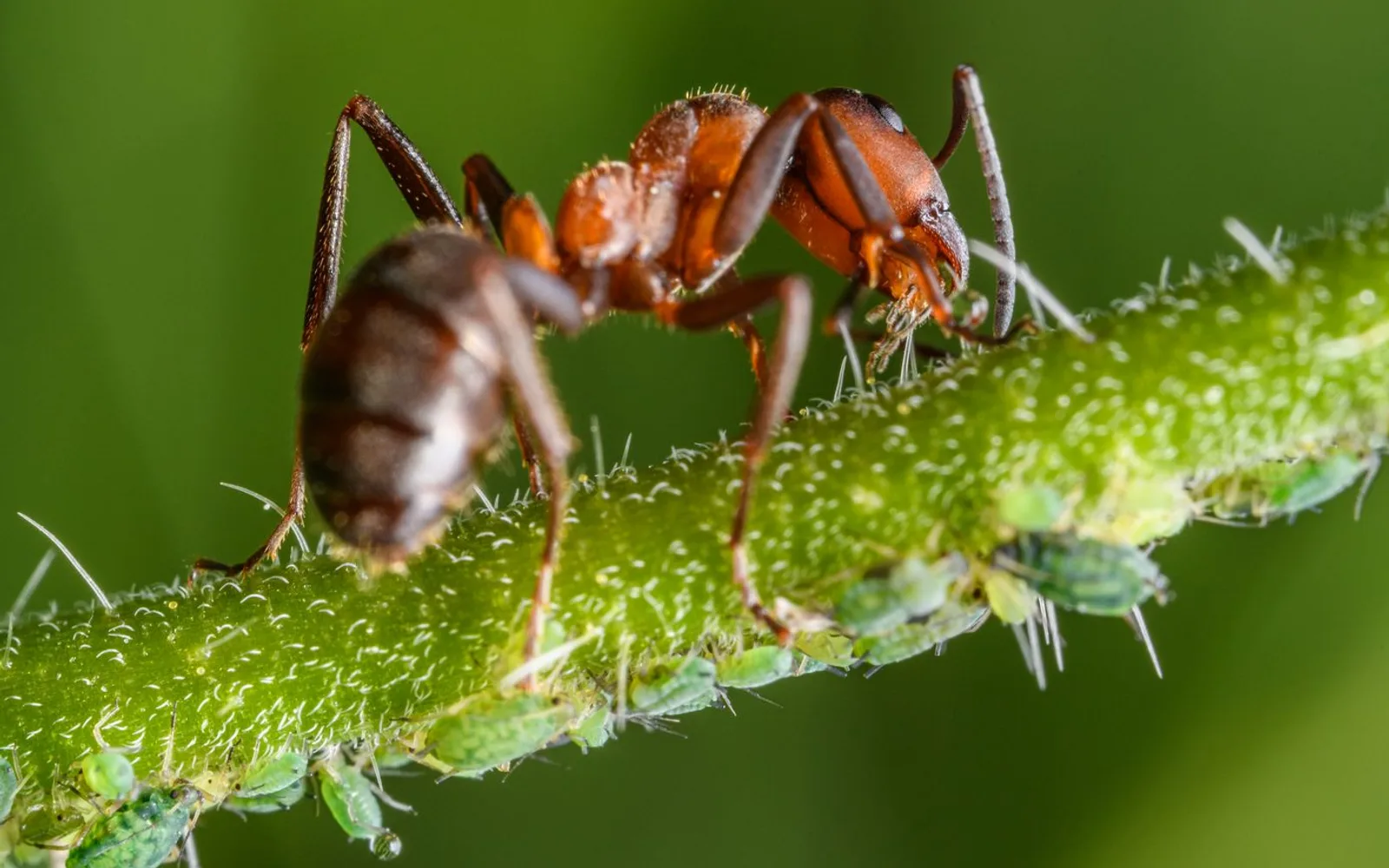
Ant control for homes and gardens
We follow the trail back to the nest before anything is applied, then place a bait matched to what the colony is feeding on so the workers carry it to the queen and the brood. After that we treat the outside perimeter and mark the openings that need closing.
-
Targeted, not broadcast
Product goes into cracks and runways, never sprayed across open surfaces.
-
Told before we start
What we will use, where it goes, and what to cover or move before we arrive.
-
A follow-up visit
We return after the first treatment, because what survives it does not show on the day.
-
Homes and businesses
Apartments and villas, and kitchens and stores that need a record of each visit.
Why spraying the ant trail does not end it
Three reasons, and all of them come back to the nest never being touched.
What you see is the smallest part of the colony
The foragers on the counter are a small fraction. The queen and the brood never leave the nest, so clearing the visible line changes nothing at the source.
A repellent spray splits the nest
Some species answer a repellent by breaking one nest into several smaller ones. Numbers drop for a week, then trails appear in rooms that never had them.
Bait only works if it is carried
Ants pass food mouth to mouth inside the nest, and that is the only route to the queen. Wiping or spraying the trail first removes the road the bait needed.
The species and the trail decide the bait
What we look for in the first ten minutes of a visit, and why each one changes the treatment.
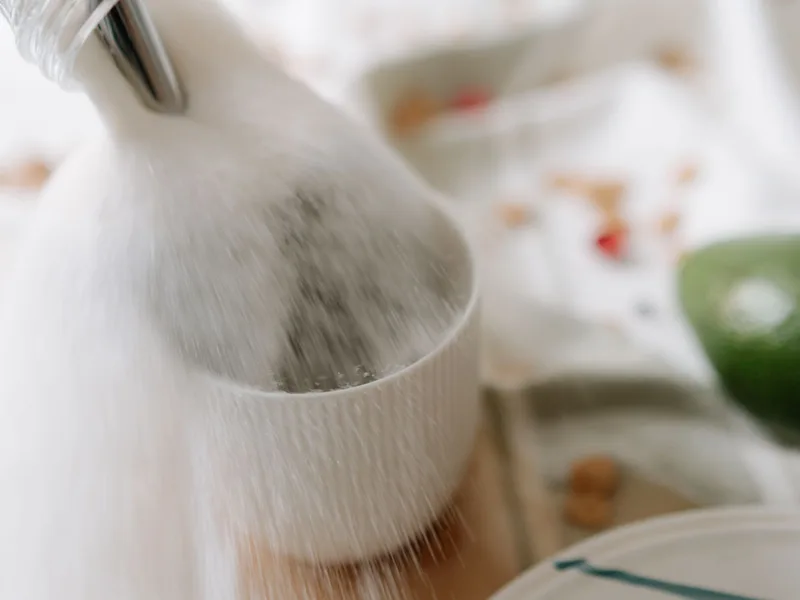
The sweet feeders
If the line heads for juice and sweet spills, a sugar bait is what travels, and a protein bait sits where it was left.
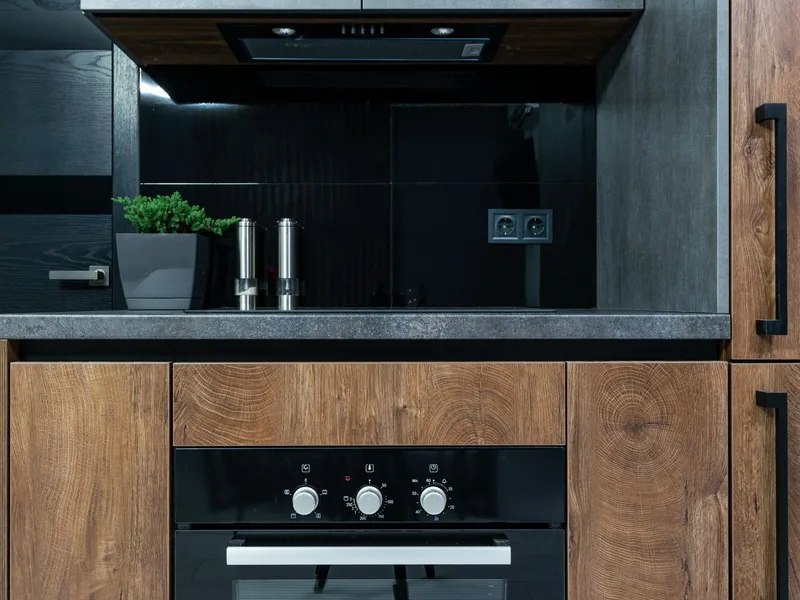
The grease and protein feeders
Feeding preference shifts with the season and what the brood needs, so we look at what the workers are carrying before choosing a matrix.
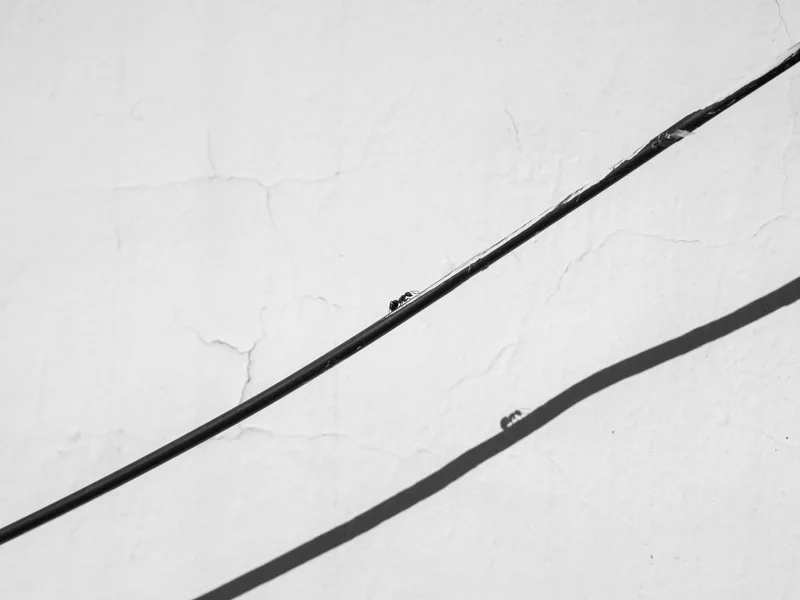
The trail and its direction
Ants keep to edges, pipe runs and cable lines, and the direction a loaded worker takes points at the nest.
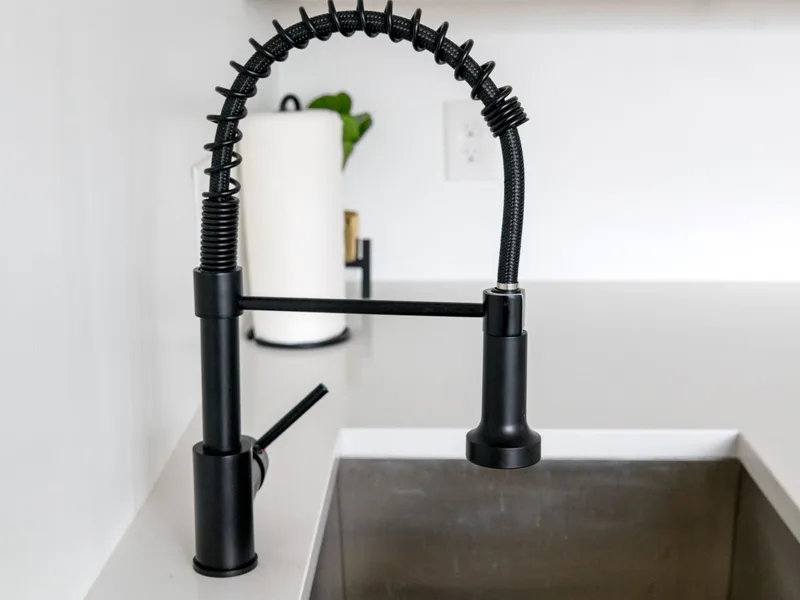
Moisture before food
In heat a colony comes in for water before food, and a small leak or irrigation running against the wall is enough to hold a nest beside the building.
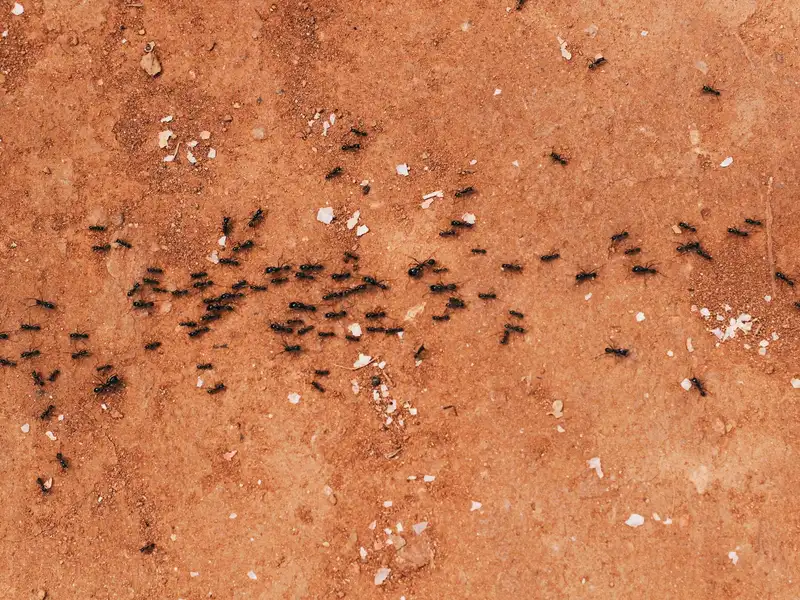
The nest outside the building
Most nests sit under paving, in planters and beside irrigation lines, so treating indoors alone leaves the source running.
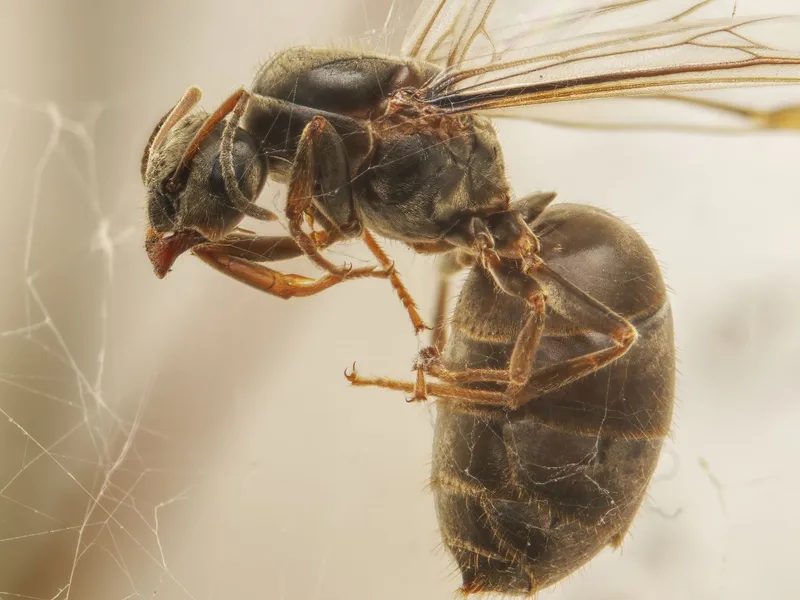
Winged ants
A pinched waist and elbowed antennae separate it from a termite swarmer, and that difference changes the service completely.
How the visit runs
Four steps, and the first one is following the trail rather than spraying it.
-
1
Inspect and follow the trail
We follow the line from where you see it to where it enters, and establish the species, what it is feeding on and the moisture keeping the nest close.
-
2
Matched bait placed on the trail
We choose the matrix from the feeding preference and place it on the trail itself, leaving the trail intact so the workers carry it to the queen and the brood.
-
3
Treat the perimeter and close the ways in
An external treatment at the wall base and the openings, and we point out the cracks, pipe entries and any branch touching the building.
-
4
The follow-up visit
We come back once the bait has worked through the nest, check the trail is gone, and look for a satellite nest if a new line has appeared.
What ant control includes
-

Following the trail to its source
Species, entry point and the direction of the nest, established before anything is applied.
-

Bait matched to the colony
Sugar or protein according to what the workers are carrying, placed on the trail rather than near it.
-

An external perimeter treatment
A band at the wall base and the outside openings, with the indoor trail left unsprayed so it keeps carrying bait.
-

Moisture points and entries
Condensate lines, sink surrounds, weep holes and pipe entries, which are what keeps a nest against the building.
-

Aftercare instructions
What not to wipe until the bait has been taken, what to cover, and when normal cleaning can resume.
-

A scheduled follow-up
A set date to check the nest and re-bait anywhere still active.

Exactly where the product goes
-
1
Inside joints, not on surfaces
Bait goes into a cabinet joint or a gap behind an appliance, in dots the size of a match head, in places no hand reaches and nothing touches in ordinary use.
-
2
Away from where food is
Nothing is sprayed on preparation surfaces, inside food cupboards, or across open floor in living rooms and bedrooms.
-
3
A little preparation first
Cover dishes, move water bowls. We give you the ventilation time for your treatment on the call, rather than a general number printed on a page.
-
4
Tell us the exceptions
Asthma, an allergy or a pregnancy in the home changes the product choice and the order of the visit. It is a change we make often and it does not delay the appointment.
Our work
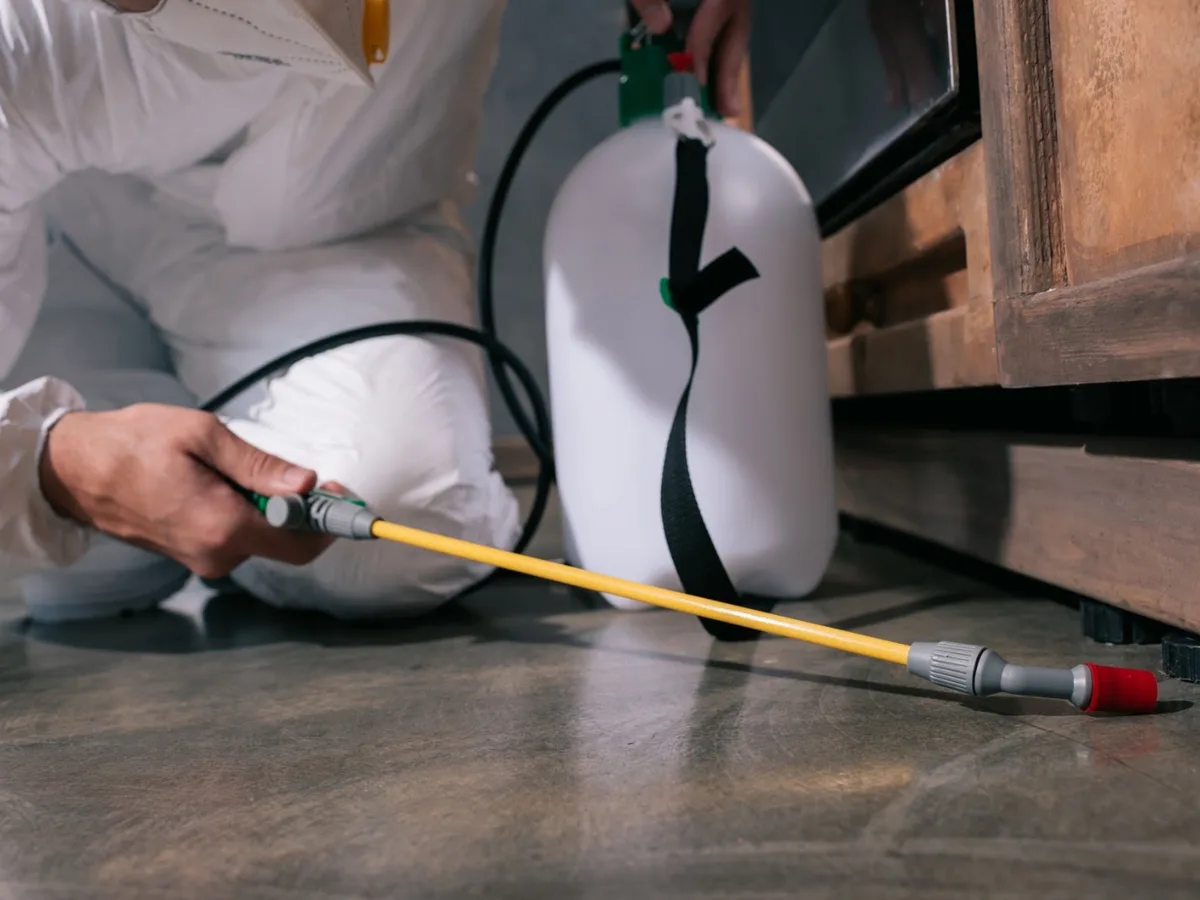
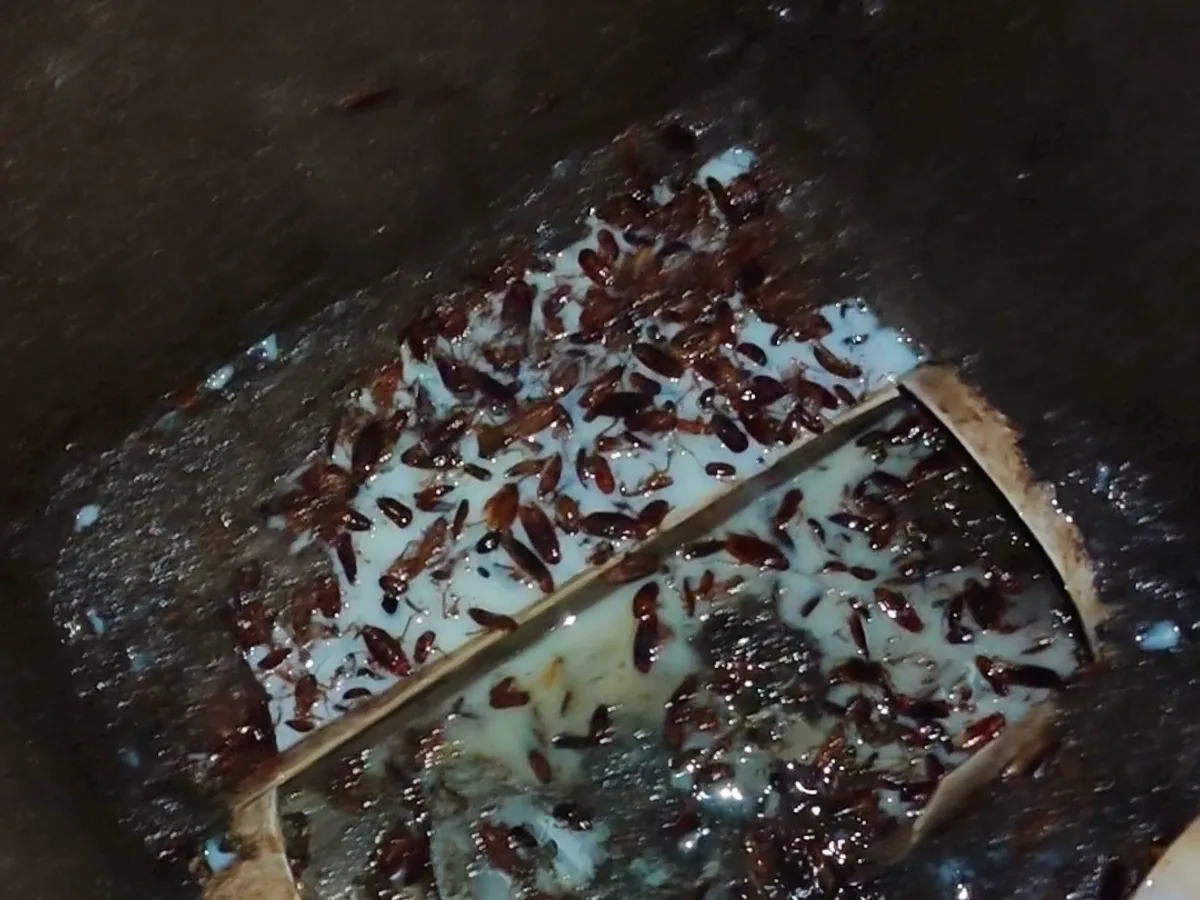
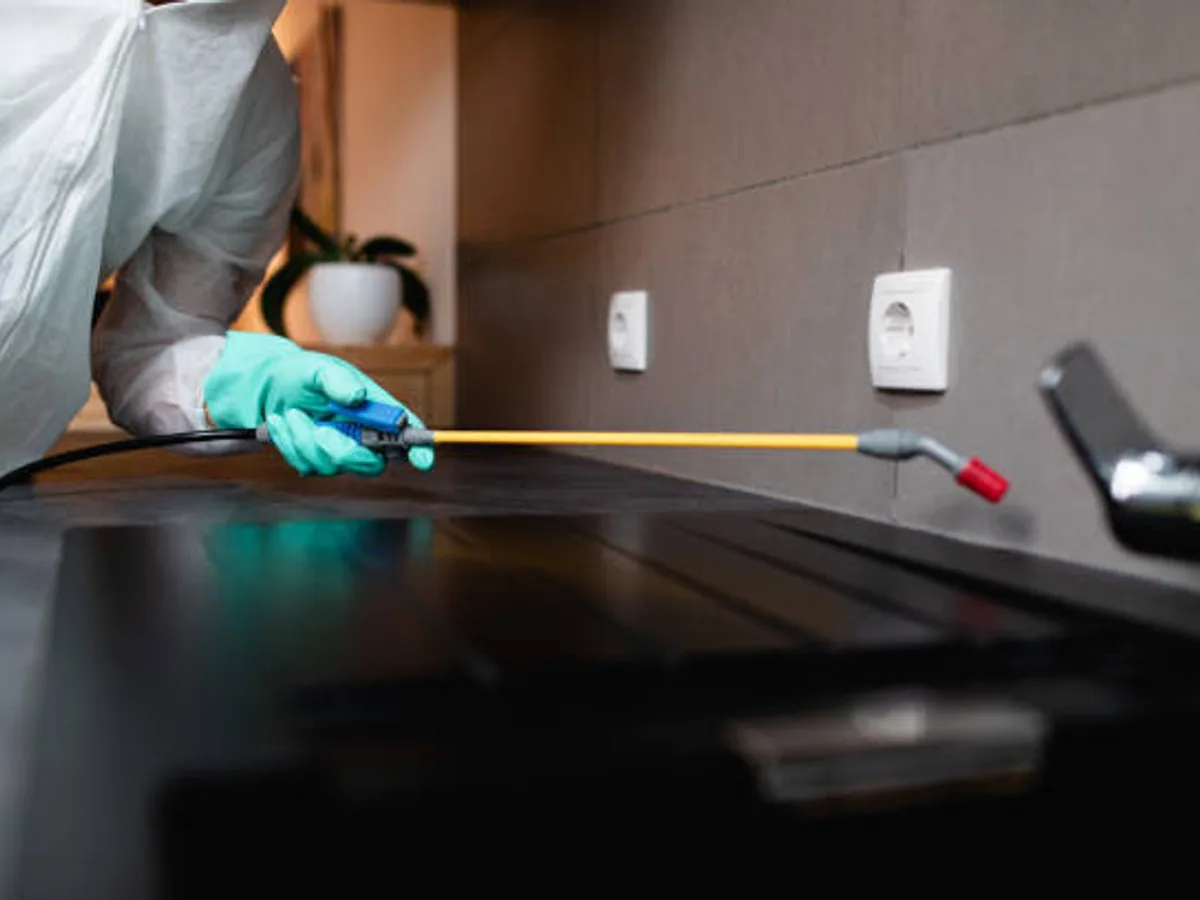
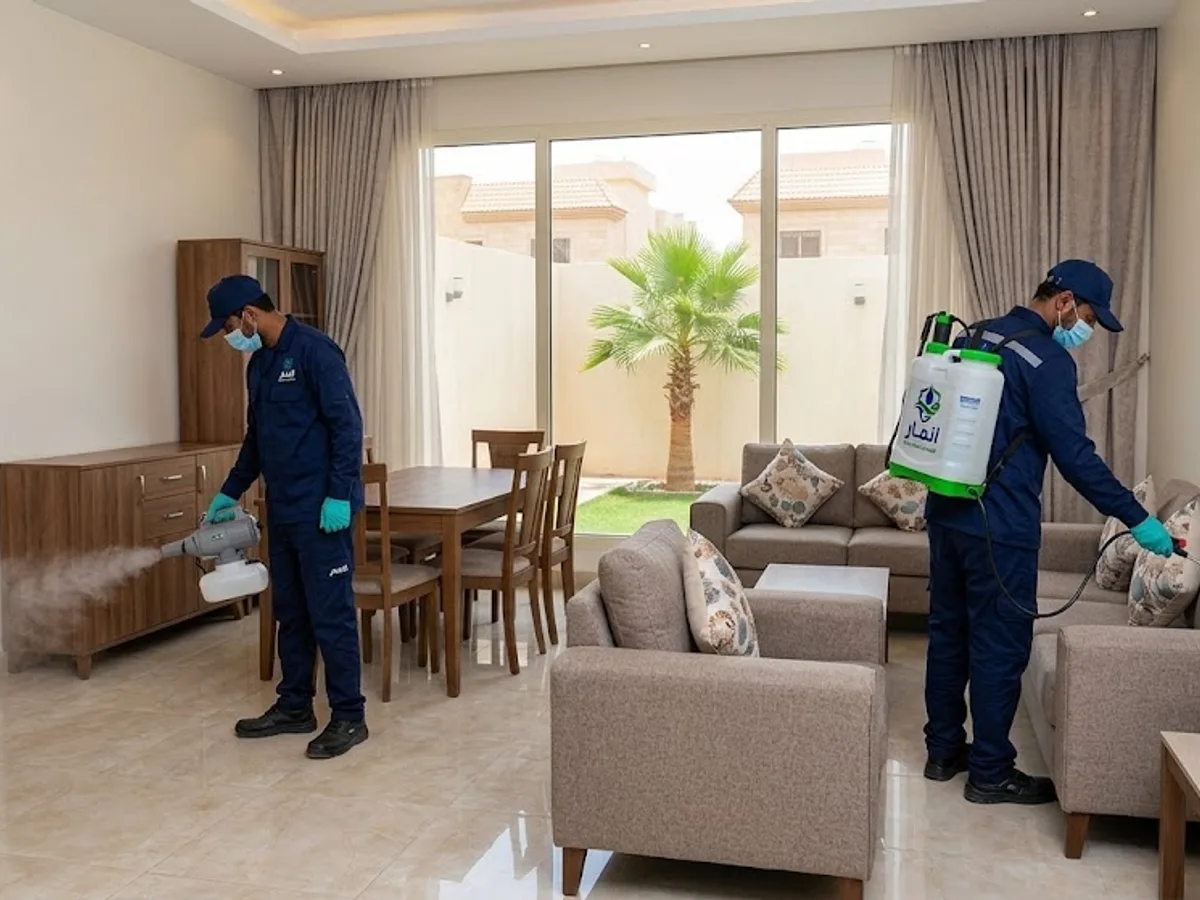
What customers say on Google
Excellent to deal with, very good service, and they explain. The staff explain how each product is used, completely honestly.
Translated from the Arabic original.
The termite problem disappeared after the treatment. Thank you.
Translated from the Arabic original.
We had a cockroach problem, and after the treatment, praise God, the cockroaches have largely gone. Their work is tidy and they are respectful to deal with. I recommend them.
Translated from the Arabic original.
We cover Jeddah and Makkah
Every district has its own page for this service. Tap yours.
Common questions
Should I spray the trail myself before you arrive?
Better not to. Most household products are repellent, so they scatter the line, make the workers refuse bait afterwards, and with some species push the nest into splitting. Leave the trail where it is and lift open food. The rest of the preparation is in why shop-bought sprays make it worse.
Why did the ants come back after the last spray?
Because the spray only reached the foragers. The queen and the brood stayed in the nest and replaced them within days. The other reason is that a repellent can break one nest into several, so numbers fall for a week and then more trails appear than before. That is why the work is done with bait that gets carried in, and why there is a second visit that checks the nest itself.
Is it safe around children and pets, and do we have to leave?
The bait goes into cracks, behind cabinets and into closed stations out of reach, and the broader treatment stays outside the building wherever it can. Ventilation and re-entry we give you on the call before the appointment, because it changes with the product and the space, and we do not print a fixed number here.
I found winged insects, are they ants or termites?
Look at the waist and the antennae. An ant has a pinched waist, elbowed antennae, and forewings longer than the hind pair. A termite has a straight waist, straight antennae, and four wings of the same length. The difference matters because the second one feeds on timber and damages the building itself, and that is a different service: Termite control.
Does having ants mean the house is not clean?
No. In this climate ants come in for water more often than for food, and a gap in a window frame or a watered planter against the wall is enough on its own. Homes kept immaculate arrive with the same trails. It is a question of openings and moisture, not housekeeping.
Do you treat restaurants and businesses?
Yes, and on a different footing: scheduled visits, bait points checked and logged every time, and a written record of the work. Ant trails in a commercial kitchen follow pipe runs and expansion joints, so the plan covers the whole building rather than one room. See Restaurants and cafes or Annual contracts.
What does ant control cost?
It is set after the inspection, because the figure follows the species, the size of the place, how many trails there are and whether the nest sits inside the building or out in the grounds. Send us a photo of the trail and where it runs on WhatsApp and we will give you an estimate before the visit.
Other services
Scroll to see the rest of what we do.
-
 Residential
Cockroach control
Residential
Cockroach control
-
 Residential
Bed bug control
Residential
Bed bug control
-
 Residential
Termite control
Residential
Termite control
-
 Residential
Rodents and mice
Residential
Rodents and mice
-
 Residential
Mosquito control
Residential
Mosquito control
-
 Residential
Fly control
Residential
Fly control
-
 Residential
Gecko control
Residential
Gecko control
-
 Residential
Scorpion control
Residential
Scorpion control
-
 Residential
Snake control
Residential
Snake control
-
 Residential
Flea control
Residential
Flea control
-
 Residential
Bird and pigeon control
Residential
Bird and pigeon control
-
 Residential
Preventive treatment
Residential
Preventive treatment
-
 Residential
Disinfection
Residential
Disinfection
-
 Commercial
Annual contracts
Commercial
Annual contracts
-
 Commercial
Restaurants and cafes
Commercial
Restaurants and cafes
-
 Commercial
Hotels and apartments
Commercial
Hotels and apartments
-
 Commercial
Warehouses and factories
Commercial
Warehouses and factories
-
 Commercial
Schools and nurseries
Commercial
Schools and nurseries
-
 Commercial
Retail and malls
Commercial
Retail and malls
-
 Commercial
Rest houses and farms
Commercial
Rest houses and farms
-
 Commercial
Fumigation
Commercial
Fumigation
-
 Water tanks
Water tank cleaning
Water tanks
Water tank cleaning
-
 Water tanks
Water tank sterilization
Water tanks
Water tank sterilization
-
 Water tanks
Water tank sealing
Water tanks
Water tank sealing
-
 Water tanks
Tank leak repair
Water tanks
Tank leak repair
Need ant control? Describe what you saw and we will tell you what it needs
A short call is enough. We tell you what we can see and the full cost before we start, and you decide after that.