
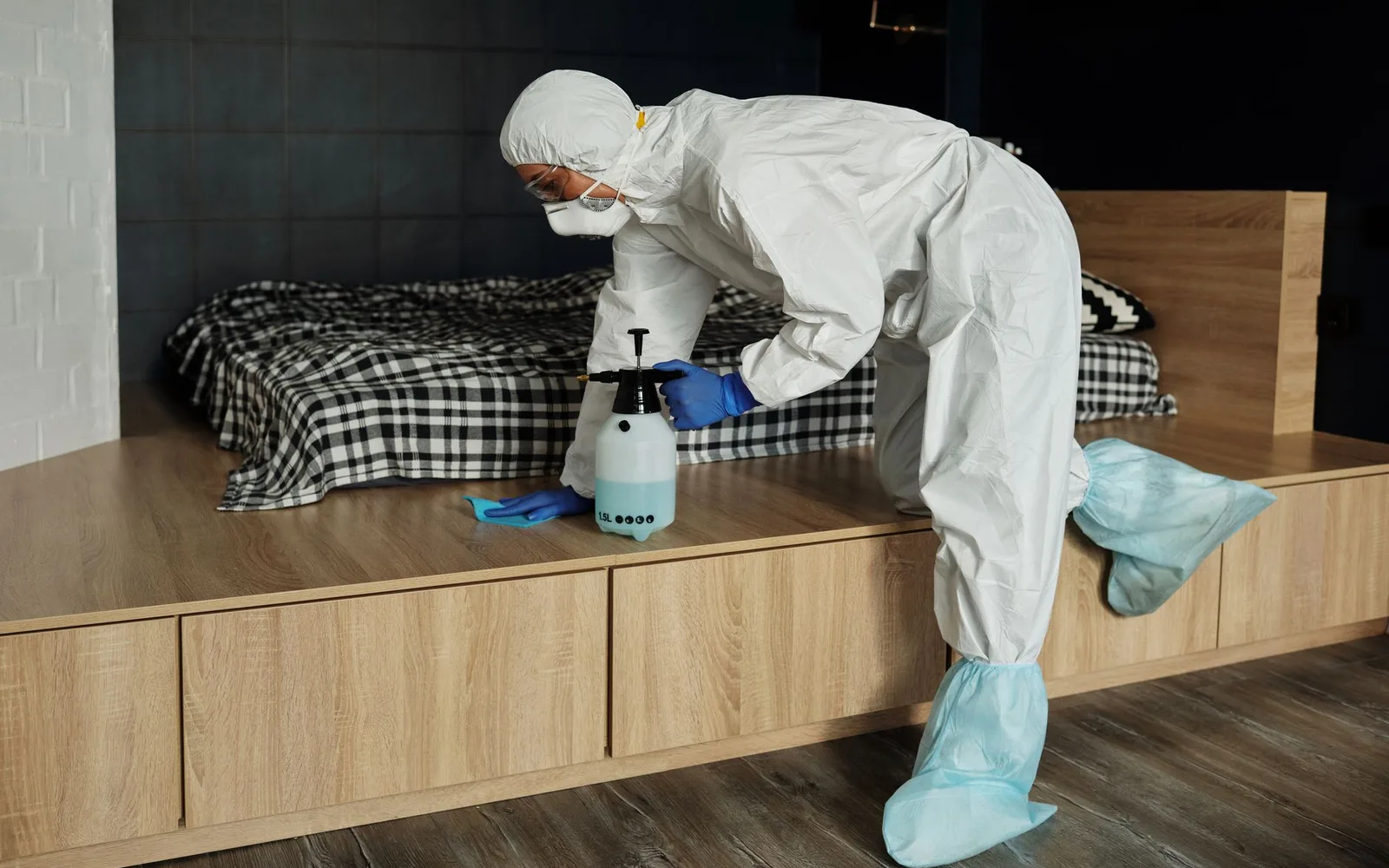
Bed bug control in Al Hajlah Makkah
Al Hajlah is a quarter of hotels and rented apartment blocks for Umrah pilgrims crammed onto Ibrahim Al Khalil Street south west of the Grand Mosque, wedged between two hills. Guests turn over nearly every week in season, and many arrive from other hotels or cities already carrying bed bugs. The buildings sit so close together that the insect spreads easily between a hotel and the residential flats above or beside it.
-
Targeted, not broadcast
Product goes into cracks and runways, never sprayed across open surfaces.
-
Told before we start
What we will use, where it goes, and what to cover or move before we arrive.
-
A follow-up visit
We return after the first treatment, because what survives it does not show on the day.
-
Homes and businesses
Apartments and villas, and kitchens and stores that need a record of each visit.
Why they keep coming back in Al Hajlah
Hotels here receive Umrah pilgrims from many countries every single day, and some guests arrive directly from another hotel known or unknown to have bed bugs. The method is set out in full on how we approach Bed bug control.
Pilgrims and seasonal visitors arriving constantly
Al Hajlah's hotels and rented flats host pilgrims who stay a week or less in season, many travelling directly from other hotels in the quarter or from cities elsewhere. Luggage moving from room to room carries bed bugs, and the pressure to turn rooms fast between guests means thorough cleaning does not happen. A guest unaware they carry the insect from a previous hotel becomes a vector the moment they arrive.
Hotels and apartments in mixed use buildings
Some towers in Al Hajlah hold both hotels and residential apartments. Shared internal stairwells, corridors and utilities provide highways for bed bugs to move from hotel to flat, or between a rented flat and an owner occupied home next door. Treatment of the entire building is often necessary.
Crowded buildings on a narrow steep street
Al Hajlah is squeezed into a narrow canyon with buildings almost touching. Insects travel easily between adjacent buildings through cracks in the walls and gaps around shared utilities. The street's narrowness and the hills either side create high humidity that keeps bed bugs alive longer, and the constant foot traffic of pilgrims and hotel staff amplifies the spread.
Al Hajlah on the map
Al Hajlah sits about 0.5 km from Ajyad and about 0.5 km from Al Shubaikah.
Open in Google MapsThe places that decide the treatment
Al Hajlah occupies the steep sides of Ibrahim Al Khalil Street between two hills, with old crowded hotels and rented buildings stacked closely together. Pilgrims move in and out daily with luggage, and the narrow street and high humidity create conditions where bed bugs persist despite frequent building turnover.

The mattress seam
Mattress seams in hotel rooms here need daily careful inspection because guests turn over so fast and infestation can spread room to room before it is even noticed.
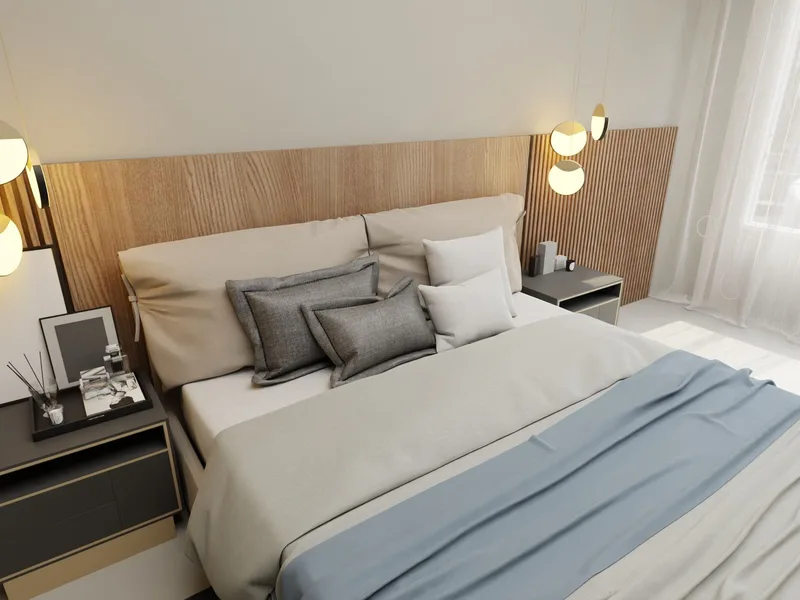
Frame joints and screw holes
Frame joints and screw holes in hotel beds must be checked carefully because bed bugs hide in them during the day and throughout the gap between guests.
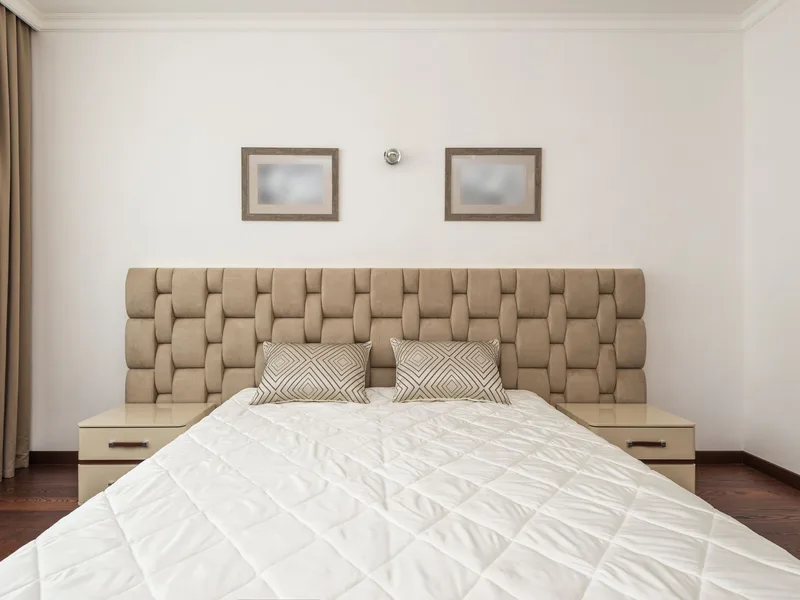
The headboard and the wall behind it
The headboard and its wall in these rooms often sit against an adjoining room with only a thin shared wall, so treatment must address both sides to prevent the insect sheltering just beyond.

What the bedding shows
Bedding in hotel rooms is changed between guests but bed bugs may hide in seams and corners despite surface cleaning, particularly in older mattresses.
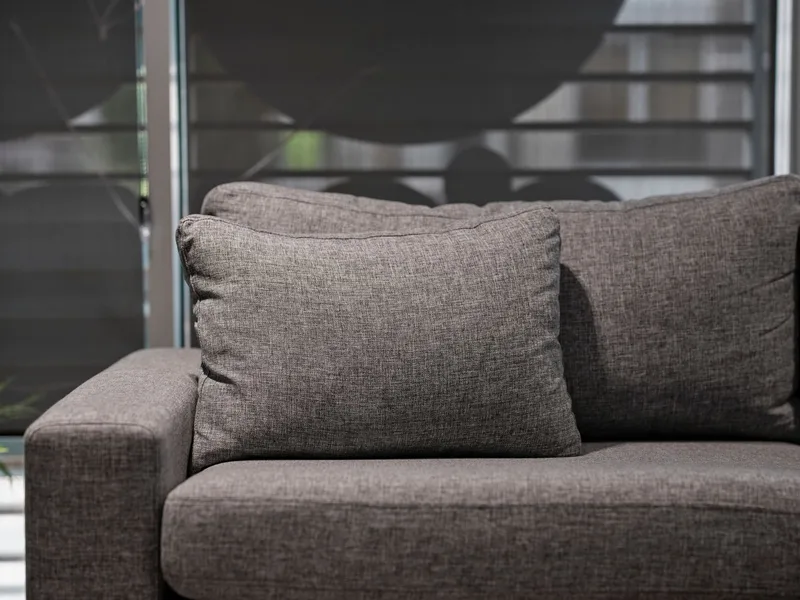
Sofas and armchairs
Sofas and chairs in hotel foyers and corridors may be the first harborage when an infested guest's luggage arrives and the insect seeks shelter.

Luggage and second hand furniture
Luggage and suitcases left in corridors and storage rooms may become centres of infestation and launch points for spread to multiple rooms, so inspection and cleaning of these areas is essential to any hotel prevention plan.
How we work
-
1
Inspect and map the spread
We strip the bed and work through the mattress and base seams, the frame joints, the headboard and the skirting, then check the upholstered furniture and the neighbouring rooms to see how far it has gone.
-
2
Laundry, heat and steam
Bedding is bagged and sealed inside the room, then washed and dried hot. Steam runs along the seams and edges, because heat reaches the cemented eggs that a liquid never will.
-
3
Targeted, non-repellent application
A non-repellent product goes onto the harbourage itself, with a dust into voids and screw holes. We do not use a repellent aerosol, because it drives the insect deeper into the wall and into the next room.
-
4
Monitoring and the follow-up visit
A sealed encasement goes onto the mattress and the base, with monitors under the bed legs, then we return once the remaining eggs have hatched and re-treat anything still active.
What bed bug control includes
-

A recorded inspection
Mattress and base seams, frame joints, the headboard, the skirting and every upholstered piece in the room.
-

Steam and targeted application
Steam along the seams and edges, and a non-repellent product on the harbourage itself, not on the surfaces you sleep on.
-

Voids and pipe entries
Behind the skirting, around pipe entries and under socket plates, which is the route from one unit to the next.
-

Monitors under the bed legs
Checked at every visit, they show remaining activity before the bites do.
-

Laundry, encasement and aftercare
The hot wash and dryer routine, a sealed encasement on the mattress and base, and what must not be carried out of the room.
-

A follow-up timed to the hatch
A date set on the hatch, and re-treatment of anything still active.
Landmarks of Al Hajlah
Treatment of Al Hajlah is coordinated by location along Ibrahim Al Khalil Street, with work sequenced through each hotel and building according to guest flow patterns. Care is taken at the interfaces between the street and the Grand Mosque, and work extends down Al Hijrah Street where seasonal accommodation is densest.
- Ibrahim Al Khalil Street
- The Grand Mosque
- Jabal Omar
- Al Shubaikah Cemetery
- Al Hijrah Street
Questions about this district
Do pilgrims bring bed bugs into Al Hajlah from other hotels?
Yes, constantly. Guests do not know the previous hotel had an infestation. The insect hides in luggage or on clothing and transfers to the new hotel or rented flat within hours. Quick room inspections at check in rarely catch the bed bug before it finds harborage.
Should only the hotel be treated or must adjoining residential buildings be treated too?
If the hotel and flats share a building, treatment must include all shared corridors and stairwells. Bed bugs move vertically and horizontally between hotel and homes, so treating the hotel alone often fails. Coordination with residential units is essential.
Can permanent residents in a flat above unknowingly bring bed bugs into the hotel?
Yes, and spread can happen in both directions. If residents of the flat above have bed bugs, the insects will migrate downward through shared pipes and corridors into the hotel.
Can luggage stacked in hallways and storage areas transmit bed bugs?
Very likely. Guest luggage piled in corridors and storerooms provides harborage for bed bugs and becomes a launch point for spread to other rooms in the hotel or adjoining buildings. This is a hidden vector.
Does the constant turnover of guests make prevention almost impossible?
Yes, the daily influx of pilgrims makes prevention very challenging. Rapid room checks and turnover cleaning are essential but insufficient. Routine prophylactic treatment of the entire hotel is more reliable than prevention alone.
Can a residential flat in the same tower as a hotel become infested?
Yes, especially if pipes and corridors are shared. A permanent resident may discover infestation weeks after bed bugs began spreading in the hotel next door, because the problem was not visibly present at the start.
How much does bed bug control in Al Hajlah cost?
It is set after the inspection, because the price follows the type of infestation, the size of the space, how far it has spread and the number of visits it needs. Send a photo and a description on WhatsApp and we will give you an estimate before we reach Al Hajlah.
Nearby districts we cover
Other services in Al Hajlah
Other services we provide to residents of Al Hajlah.
-
 Residential
Cockroach control
Residential
Cockroach control
-
 Residential
Termite control
Residential
Termite control
-
 Residential
Rodents and mice
Residential
Rodents and mice
-
 Residential
Mosquito control
Residential
Mosquito control
-
 Residential
Fly control
Residential
Fly control
-
 Residential
Ant control
Residential
Ant control
-
 Residential
Gecko control
Residential
Gecko control
-
 Residential
Scorpion control
Residential
Scorpion control
-
 Residential
Snake control
Residential
Snake control
-
 Residential
Flea control
Residential
Flea control
-
 Residential
Bird and pigeon control
Residential
Bird and pigeon control
-
 Residential
Preventive treatment
Residential
Preventive treatment
-
 Residential
Disinfection
Residential
Disinfection
-
 Commercial
Annual contracts
Commercial
Annual contracts
-
 Commercial
Restaurants and cafes
Commercial
Restaurants and cafes
-
 Commercial
Hotels and apartments
Commercial
Hotels and apartments
-
 Commercial
Warehouses and factories
Commercial
Warehouses and factories
-
 Commercial
Schools and nurseries
Commercial
Schools and nurseries
-
 Commercial
Retail and malls
Commercial
Retail and malls
-
 Commercial
Rest houses and farms
Commercial
Rest houses and farms
-
 Commercial
Fumigation
Commercial
Fumigation
-
 Water tanks
Water tank cleaning
Water tanks
Water tank cleaning
-
 Water tanks
Water tank sterilization
Water tanks
Water tank sterilization
-
 Water tanks
Water tank sealing
Water tanks
Water tank sealing
-
 Water tanks
Tank leak repair
Water tanks
Tank leak repair
Need bed bug control in Al Hajlah? Tell us what you saw and we will tell you what it needs
We reach Al Hajlah at a time we agree, and you get the full cost before we start.