
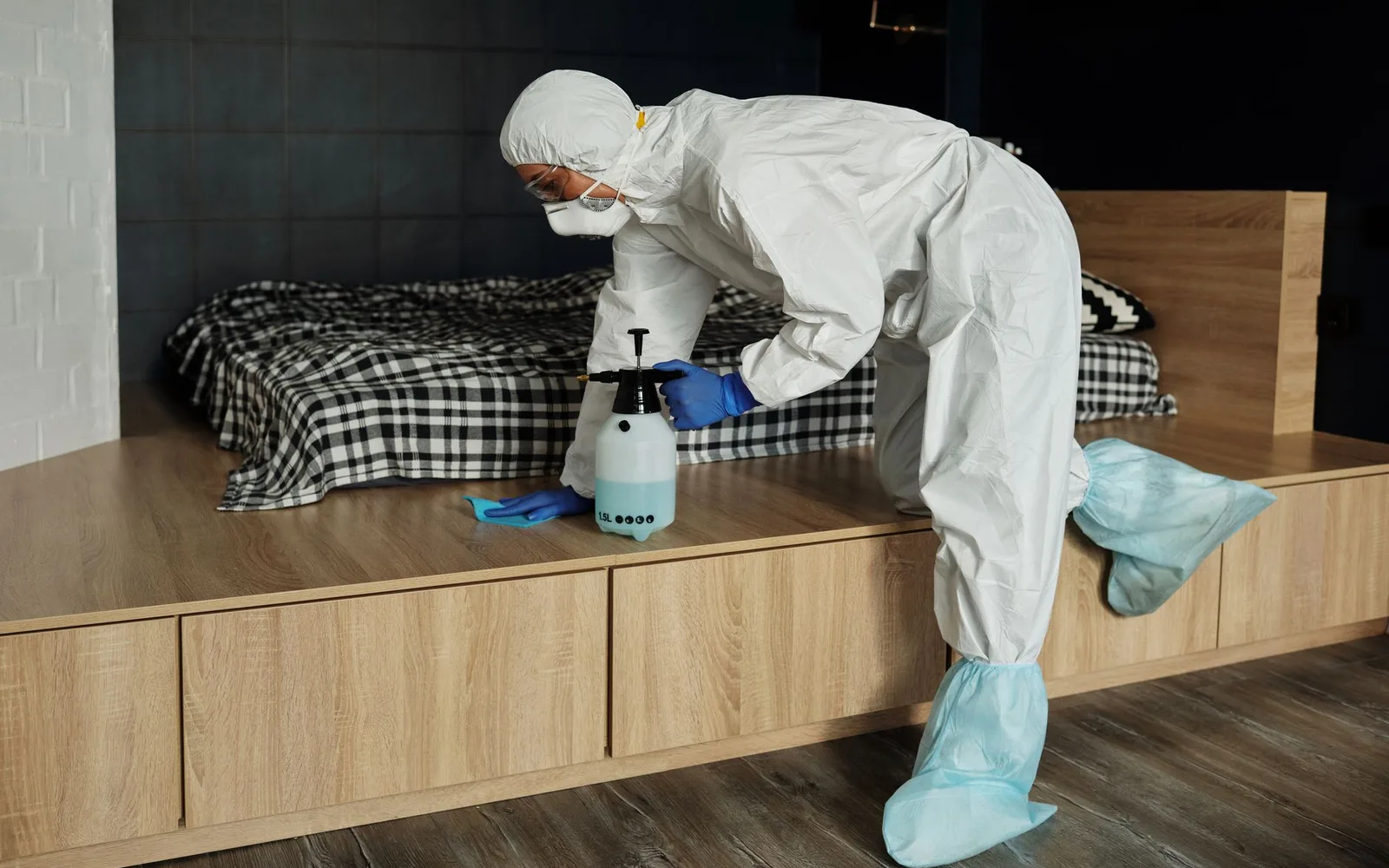
Bed bug control in Al Huda Jeddah
Al Huda is a medium density residential district in south Jeddah, with three storey apartment buildings interspersed with vacant plots as new housing schemes develop around them. Shared stairwells and internal pipework make bed bugs easy to spread vertically between flats, and the ongoing construction brings insects up from exposed soil into the buildings.
-
Targeted, not broadcast
Product goes into cracks and runways, never sprayed across open surfaces.
-
Told before we start
What we will use, where it goes, and what to cover or move before we arrive.
-
A follow-up visit
We return after the first treatment, because what survives it does not show on the day.
-
Homes and businesses
Apartments and villas, and kitchens and stores that need a record of each visit.
Why they keep coming back in Al Huda
In these apartment blocks, bed bugs move vertically between flats through shared water pipes and electrical conduits. When a lower flat is infested and an upper flat is not yet treated, the insect escapes upward as soon as treatment starts below. The method is set out in full on the full Bed bug control page.
Shared stairwells and communal entrances
The common staircases and shared entry doors of Al Huda's apartment buildings are highways for bed bugs. The insect travels on visitors' clothing and luggage, or crawls through gaps around the pipes and cables that run up the stairwell. A visitor from an infested home carries it easily into the building on a overnight bag.
Vacant plots and active construction sites
The open ground and construction zones scattered through the district harbour diverse fauna. New pipes and conduits laid for development bring insects up from the soil into adjacent buildings. Work sites become temporary harborage that feeds the infestation.
Mixed age buildings and transient residents
Old apartment blocks stand beside new villas going up, and the residents range from established families to temporary tenants. This diversity means bed bugs enter from multiple sources and spread in multiple directions. A new tenant arriving from elsewhere can introduce the pest into a previously clean building.
Al Huda on the map
Al Huda sits about 3.5 km from Al Ajawid and about 3.5 km from Al Sanabil.
Open in Google MapsThe places that decide the treatment
Al Huda sits at the intersection of older apartment blocks and new subdivisions, with vacant ground between them. Al Laith Road runs near its western edge, bringing traffic and goods through the area. This mix of old and new buildings creates variable pest pressure.

The mattress seam
Mattress seams in the flats here are often caked with grime and mould because moisture from shared pipes seeps in, requiring deep cleaning before treatment is effective.
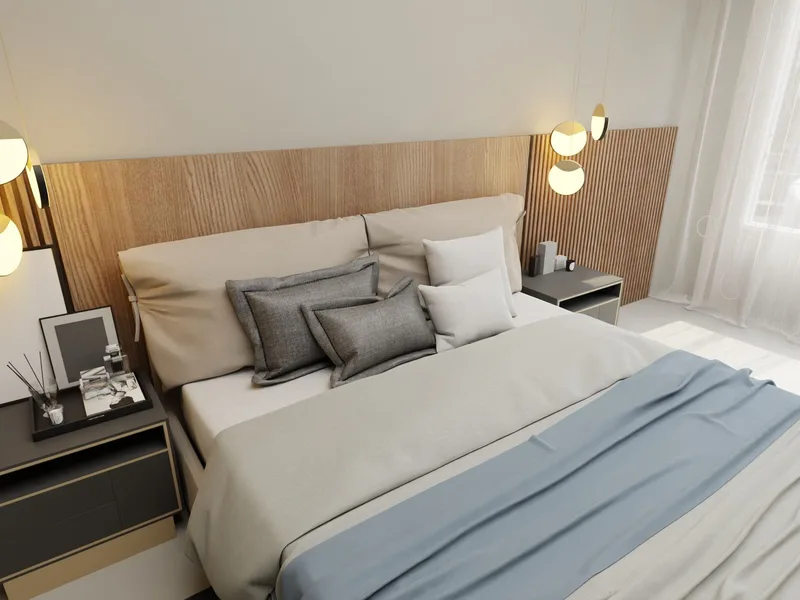
Frame joints and screw holes
Frame joints and screw holes in these apartment beds may sit directly against water pipes or electrical conduits that are part of the building's shared services, demanding careful inspection.
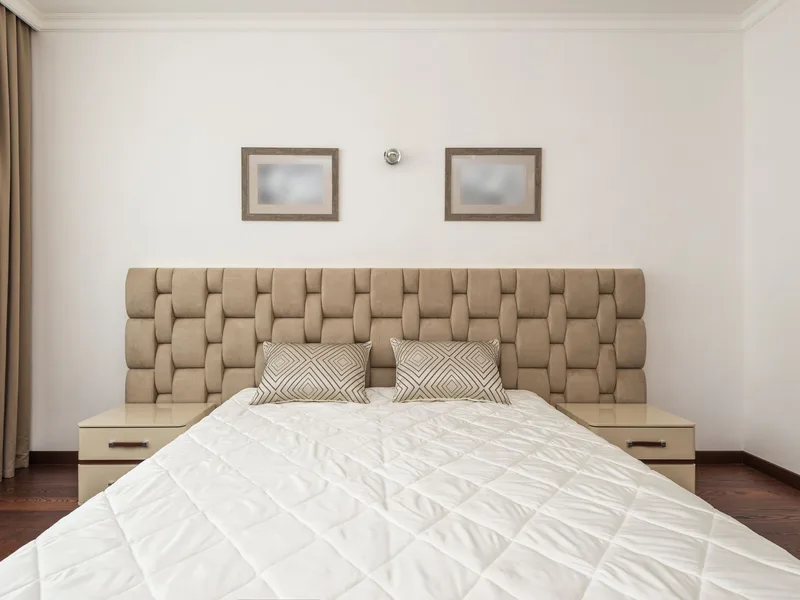
The headboard and the wall behind it
The headboard and wall behind it may run adjacent to the main water mains of the block, so checking for bed bug harborage in the gaps around these utilities is essential.

What the bedding shows
Bedding here may display faecal spotting clearly if the infestation has continued for some weeks, especially in flats where residents tolerated the problem without treatment.

Sofas and armchairs
Sofas and armchairs in these homes are often relatively recent purchases, but may arrive infested from a warehouse or shop where bed bugs were already present.

Luggage and second hand furniture
Luggage and suitcases that visitors bring into the flat may carry bed bugs from a hotel or other home, so inspecting them on arrival reduces the risk of vertical spread through the building.
How we work
-
1
Inspect and map the spread
We strip the bed and work through the mattress and base seams, the frame joints, the headboard and the skirting, then check the upholstered furniture and the neighbouring rooms to see how far it has gone.
-
2
Laundry, heat and steam
Bedding is bagged and sealed inside the room, then washed and dried hot. Steam runs along the seams and edges, because heat reaches the cemented eggs that a liquid never will.
-
3
Targeted, non-repellent application
A non-repellent product goes onto the harbourage itself, with a dust into voids and screw holes. We do not use a repellent aerosol, because it drives the insect deeper into the wall and into the next room.
-
4
Monitoring and the follow-up visit
A sealed encasement goes onto the mattress and the base, with monitors under the bed legs, then we return once the remaining eggs have hatched and re-treat anything still active.
What bed bug control includes
-

A recorded inspection
Mattress and base seams, frame joints, the headboard, the skirting and every upholstered piece in the room.
-

Steam and targeted application
Steam along the seams and edges, and a non-repellent product on the harbourage itself, not on the surfaces you sleep on.
-

Voids and pipe entries
Behind the skirting, around pipe entries and under socket plates, which is the route from one unit to the next.
-

Monitors under the bed legs
Checked at every visit, they show remaining activity before the bites do.
-

Laundry, encasement and aftercare
The hot wash and dryer routine, a sealed encasement on the mattress and base, and what must not be carried out of the room.
-

A follow-up timed to the hatch
A date set on the hatch, and re-treatment of anything still active.
Landmarks of Al Huda
Al Huda is fully serviced around Al Huda Mosque and Al Laith Road, making it accessible from the main street entrance. The flats scattered between Al Huda Park and the health centre are treated in coordinated sequence across the buildings according to risk assessment.
- Al Laith Road
- Al Huda Mosque
- Al Huda Park
- Al Huda Health Centre
Questions about this district
Can bed bugs climb from a lower flat to an upper flat through the pipes?
Yes, they crawl through the gaps around water pipes and electrical conduits. Vertically adjoining flats need coordinated treatment, because the insect simply flees from a treated flat to an untreated neighbour and waits.
Must every flat in the building be treated at the same time?
Coordinate with the flats directly above and below yours at minimum. If even one adjoining flat is not treated, bed bugs will return from there within weeks, re infesting your flat as soon as they detect activity.
Can a guest's luggage bring bed bugs into the building?
Yes, and it is common here. Guests carry bed bugs unknowingly in overnight bags from hotels or other infested homes. If a visitor has stayed in a hotel with an infestation, the risk of transfer is very high.
Could a new tenant bring bed bugs from a previous residence?
Certainly. Temporary residents in Al Huda often come from elsewhere, possibly from an area with an infestation. Inspecting the flat before occupancy and prophylactic treatment of the bedroom reduce the risk of introducing the pest.
Does moisture from the vacant plots around the district help bed bugs?
Open ground and construction zones provide habitat for many other insects. Bed bugs themselves do not breed in soil, but the dampness and presence of other pests may signal conditions inside buildings that support bed bug spread.
Is one treatment visit enough to eliminate bed bugs from the flat?
The first treatment kills active adults, but cemented eggs will hatch within a week. The second visit, timed on the hatch date, is essential to kill the emerging generation. Preventing reinfestation from an adjoining flat is equally important to treatment itself.
How much does bed bug control in Al Huda cost?
It is set after the inspection, because the price follows the type of infestation, the size of the space, how far it has spread and the number of visits it needs. Send a photo and a description on WhatsApp and we will give you an estimate before we reach Al Huda.
Nearby districts we cover
Other services in Al Huda
Other services we provide to residents of Al Huda.
-
 Residential
Cockroach control
Residential
Cockroach control
-
 Residential
Termite control
Residential
Termite control
-
 Residential
Rodents and mice
Residential
Rodents and mice
-
 Residential
Mosquito control
Residential
Mosquito control
-
 Residential
Fly control
Residential
Fly control
-
 Residential
Ant control
Residential
Ant control
-
 Residential
Gecko control
Residential
Gecko control
-
 Residential
Scorpion control
Residential
Scorpion control
-
 Residential
Snake control
Residential
Snake control
-
 Residential
Flea control
Residential
Flea control
-
 Residential
Bird and pigeon control
Residential
Bird and pigeon control
-
 Residential
Preventive treatment
Residential
Preventive treatment
-
 Residential
Disinfection
Residential
Disinfection
-
 Commercial
Annual contracts
Commercial
Annual contracts
-
 Commercial
Restaurants and cafes
Commercial
Restaurants and cafes
-
 Commercial
Hotels and apartments
Commercial
Hotels and apartments
-
 Commercial
Warehouses and factories
Commercial
Warehouses and factories
-
 Commercial
Schools and nurseries
Commercial
Schools and nurseries
-
 Commercial
Retail and malls
Commercial
Retail and malls
-
 Commercial
Rest houses and farms
Commercial
Rest houses and farms
-
 Commercial
Fumigation
Commercial
Fumigation
-
 Water tanks
Water tank cleaning
Water tanks
Water tank cleaning
-
 Water tanks
Water tank sterilization
Water tanks
Water tank sterilization
-
 Water tanks
Water tank sealing
Water tanks
Water tank sealing
-
 Water tanks
Tank leak repair
Water tanks
Tank leak repair
Need bed bug control in Al Huda? Tell us what you saw and we will tell you what it needs
We reach Al Huda at a time we agree, and you get the full cost before we start.