

Bird and pigeon control in Al Hajlah Al Jadid Makkah
Al Hajlah Al Jadid is a developing district around the Saudi German Hospital where new buildings stand among empty plots and construction sites. Clean roofs and shelter in building works draw pigeons hunting for new nesting ground before villas and apartment blocks fill the area and owners notice the damage.
-
Targeted, not broadcast
Product goes into cracks and runways, never sprayed across open surfaces.
-
Told before we start
What we will use, where it goes, and what to cover or move before we arrive.
-
A follow-up visit
We return after the first treatment, because what survives it does not show on the day.
-
Homes and businesses
Apartments and villas, and kitchens and stores that need a record of each visit.
Why they keep coming back in Al Hajlah Al Jadid
Fresh roofs on new buildings attract pigeons to nest quickly before occupancy, often before residents realise the buildings are already colonised by established flocks. The method is set out in full on how we approach Bird and pigeon control.
Brand new exposed roofs still empty of residents
New buildings are incomplete and unoccupied, making their roofs clean, safe and visible to pigeons seeking a fresh nesting site. Early treatment stops nesting before it sets and families move in to discover an outbreak.
Building sites provide water, material and intermediate shelter
Excavations and trenches fill with water after rain, and stacked timber, rubble and materials offer pigeons shelter before they move to the roof. Clearing such materials from the zone helps reduce the pigeon population.
Wide gaps between buildings speed pigeon movement across plots
Empty land lets pigeons move rapidly from one building to the next without obstacle. Deterrents on a single building may not be enough if pigeons find untreated shelter nearby and simply relocate to it.
The character of Al Hajlah Al Jadid
New development: ongoing construction and vacant plots between the homes
New buildings rising among empty plots draw pigeons seeking fresh territory before the neighbourhood fills. Early deterrent fitting before occupancy stops the habit before it takes hold, unlike treatment after the pigeons have settled and established themselves.
The building decides which deterrent works
Wadi Uranah runs through the low ground and holds water after rain, while open building sites and stacked materials offer pigeons water, shelter and temporary refuge from the elements.
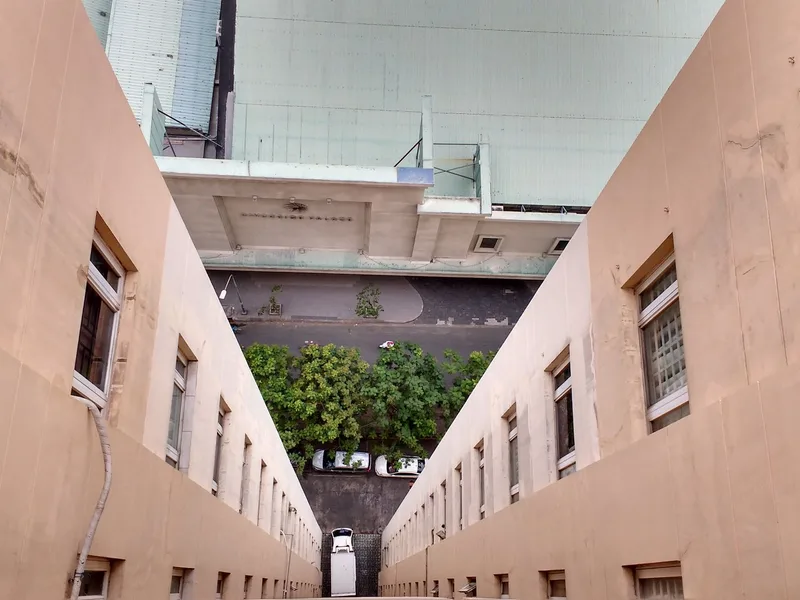
Ledge width
New building roofs are wide and smooth, making deterrent fixing easy but requiring strong fixing before occupancy, since the building structure is still settling.

Air conditioning platforms
New air conditioning units drip intermittently during phased operation, but before full occupancy they do not provide the continuous water that sustains large flocks.
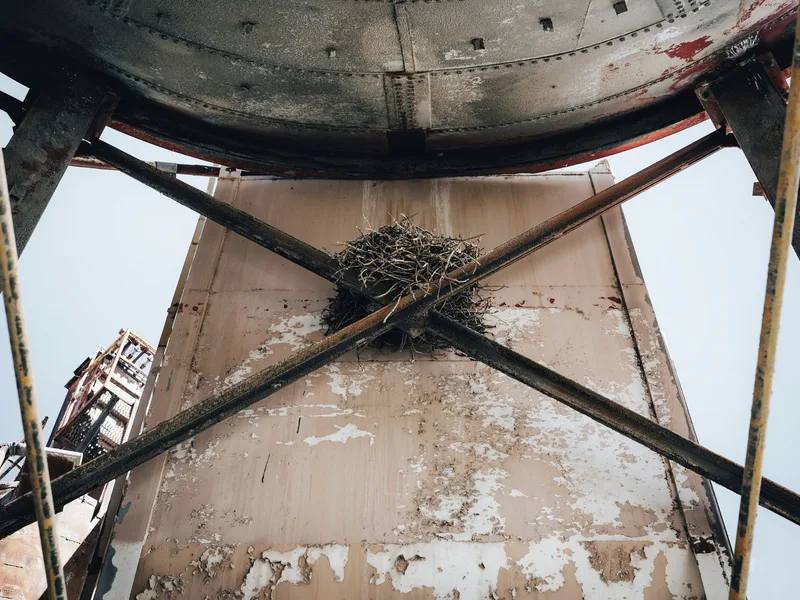
The nest itself
Early pigeon nests on new roofs are few at first, but multiply rapidly if not treated before construction finishes and families arrive.
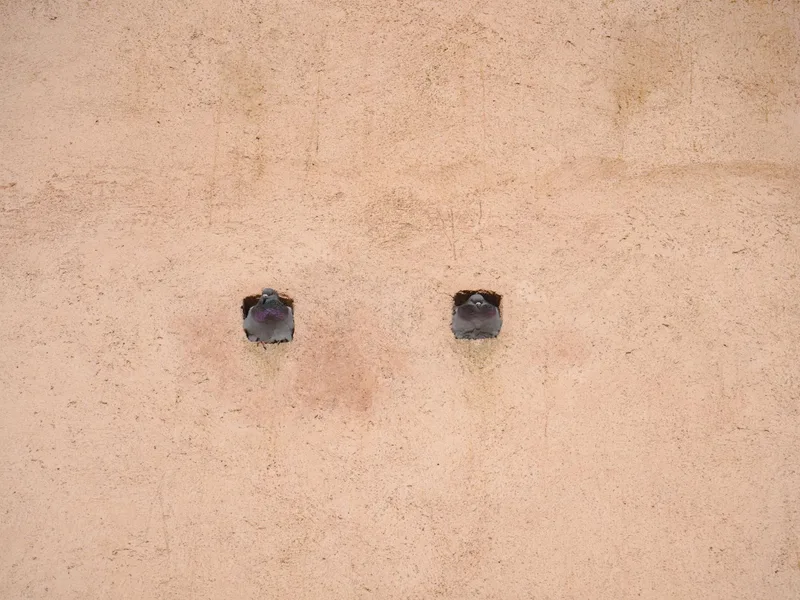
The droppings pattern
Droppings on a new roof show quickly and attract more birds, especially when nearby building sites provide food sources.
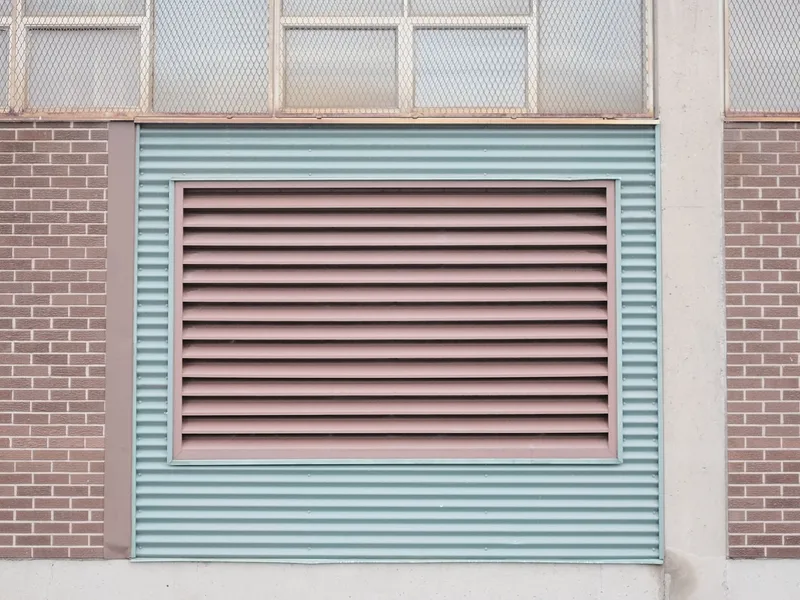
Openings and shafts
Windows and openings on incomplete buildings stand wide open, letting pigeons enter the interior before the structure is finished and access is sealed.
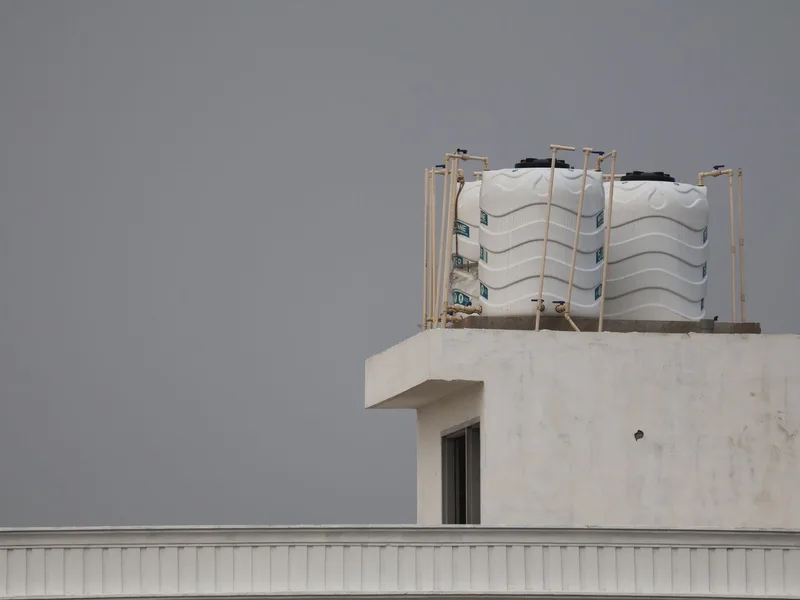
Around the roof tank
New roof water tanks often sit uncovered during final stages, exposing them to falling droppings and contamination from perching birds.
How we work
-
1
Survey the roof and the facade
We walk the roof, the projections, the condenser platforms and the shafts, separate the nesting positions from the perching ones, and measure and photograph every ledge.
-
2
Strip the nests and treat the parasites
Droppings are wetted before they are lifted so nothing goes airborne dry, bagged closed, and the nest position is treated for ticks and mites before the surface is sanitised.
-
3
Close and fit
Netting tensioned on a perimeter wire with no gap at the corners, spikes or wire on the narrow projections, metal mesh across vents and shafts, and the roof drains freed of the nest material packing them.
-
4
The follow-up visit
We come back to check the tension, the corners and any position the flock has moved to, and correct what has slackened before a bird finds it.
What bird and pigeon control includes
-

A recorded survey
Every ledge, condenser platform and shaft, photographed, with nesting separated from perching before anything is chosen.
-

Nest removal and drain clearing
Lifted wet rather than swept dry, bagged closed, and the roof drains freed of the nest material packing them.
-

Parasite treatment and sanitising
The nest position treated for ticks and mites, then the surface the droppings sat on sanitised.
-

Sealing and fitting the deterrents
Netting tensioned on a perimeter wire, spikes or wire on narrow projections, and metal mesh across ventilation openings.
-

Aftercare instructions
The condensate water, food left on the roof, and what should not sit beside a ledge if the attraction is to stay gone.
-

A follow-up on tension and corners
Netting slackens and corners open over time; the visit corrects that and closes any new position.
What is different about South Makkah Sub-Municipality
South Makkah sub municipality is the belt of Crown Prince schemes south of Al Ukayshiyah, along the Al Laith road and the extension of Ibrahim Al Khalil Road to the Fifth Ring Road and the Non Muslims bypass. Most of it is still bare: granted plots awaiting houses, new villas standing alone, open building sites and unfinished paving and drainage. Wadi Uranah and its tributaries cross the low ground and hold water after rain, hills close it in, and rodents, reptiles and scorpions shelter in stacked materials and foundation pits before the neighbourhoods fill up.
Questions about this district
Do brand new unused roofs attract more pigeons than occupied ones?
Yes. An empty roof is clean, quiet and safe. Pigeons choose quiet rooftops before families arrive and use them. Early treatment before occupancy stops the habit from setting, whereas treating an established flock is much harder.
Does Wadi Uranah which runs through here bring extra wild pigeons?
The wadi provides water and shelter during rains, but pigeons seeking roosts move from the riverbed to nearby buildings. Treating roofs near the wadi stops them from using the buildings as nesting sites.
Do pigeons return to nest again after the nest is removed from a construction site?
Yes, if the building is left without deterrents. The building site and stacked materials offer intermediate shelter and an easy return point. Combining nest removal with deterrent fitting and material clearance stops the pigeons from coming back.
Is fitting a deterrent on one new villa enough when vacant plots surround it?
The villa is protected, but pigeons move to nearby untreated villas. Coordinating with neighbouring properties that are close by gives much better results than treating one building in isolation.
Are wild birds from the Kasab hills different from domestic pigeons here?
Hill birds are fewer in number than domestic pigeons, but they choose the same roosts. Deterrents block them all the same way.
When is the best time to fit deterrents on a brand new building?
As soon as the roof and slab are complete, because pigeons arrive quickly when they see an empty unguarded roof. Waiting until full completion leaves a window for nesting to start.
How much does bird and pigeon control in Al Hajlah Al Jadid cost?
It is set after the inspection, because the price follows the type of infestation, the size of the space, how far it has spread and the number of visits it needs. Send a photo and a description on WhatsApp and we will give you an estimate before we reach Al Hajlah Al Jadid.
Nearby districts we cover
Other services in Al Hajlah Al Jadid
Other services we provide to residents of Al Hajlah Al Jadid.
-
 Residential
Cockroach control
Residential
Cockroach control
-
 Residential
Bed bug control
Residential
Bed bug control
-
 Residential
Termite control
Residential
Termite control
-
 Residential
Rodents and mice
Residential
Rodents and mice
-
 Residential
Mosquito control
Residential
Mosquito control
-
 Residential
Fly control
Residential
Fly control
-
 Residential
Ant control
Residential
Ant control
-
 Residential
Gecko control
Residential
Gecko control
-
 Residential
Scorpion control
Residential
Scorpion control
-
 Residential
Snake control
Residential
Snake control
-
 Residential
Flea control
Residential
Flea control
-
 Residential
Preventive treatment
Residential
Preventive treatment
-
 Residential
Disinfection
Residential
Disinfection
-
 Commercial
Annual contracts
Commercial
Annual contracts
-
 Commercial
Restaurants and cafes
Commercial
Restaurants and cafes
-
 Commercial
Hotels and apartments
Commercial
Hotels and apartments
-
 Commercial
Warehouses and factories
Commercial
Warehouses and factories
-
 Commercial
Schools and nurseries
Commercial
Schools and nurseries
-
 Commercial
Retail and malls
Commercial
Retail and malls
-
 Commercial
Rest houses and farms
Commercial
Rest houses and farms
-
 Commercial
Fumigation
Commercial
Fumigation
-
 Water tanks
Water tank cleaning
Water tanks
Water tank cleaning
-
 Water tanks
Water tank sterilization
Water tanks
Water tank sterilization
-
 Water tanks
Water tank sealing
Water tanks
Water tank sealing
-
 Water tanks
Tank leak repair
Water tanks
Tank leak repair
Need bird and pigeon control in Al Hajlah Al Jadid? Tell us what you saw and we will tell you what it needs
We reach Al Hajlah Al Jadid at a time we agree, and you get the full cost before we start.