
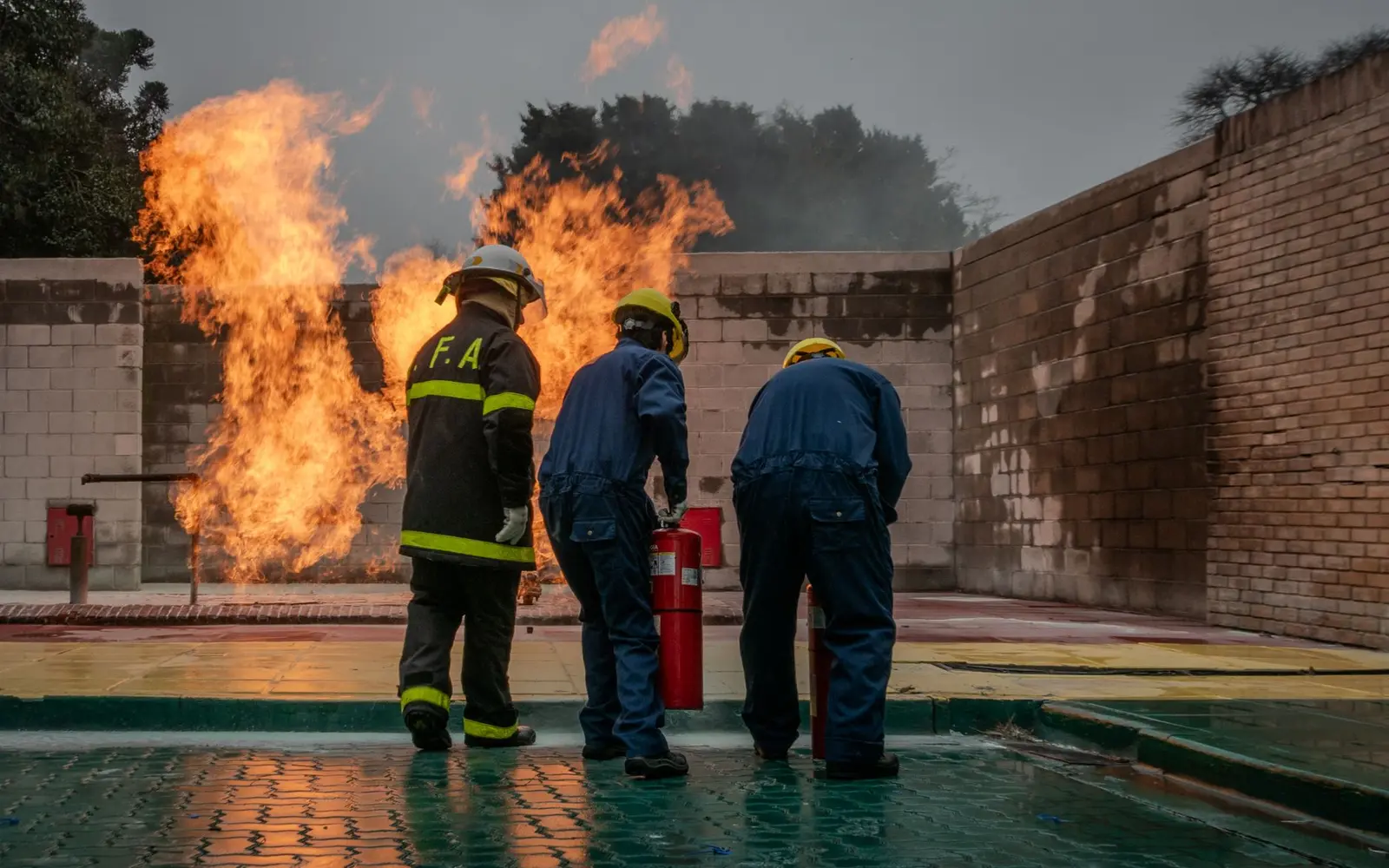
Bird and pigeon control netting, deterrents and exclusion
We survey the roof and the facade first and separate the nesting positions from the perching ones, take off the nests and the droppings, treat the parasites the nest leaves behind, then close each position with the deterrent its shape actually needs.
-
Targeted, not broadcast
Product goes into cracks and runways, never sprayed across open surfaces.
-
Told before we start
What we will use, where it goes, and what to cover or move before we arrive.
-
A follow-up visit
We return after the first treatment, because what survives it does not show on the day.
-
Homes and businesses
Apartments and villas, and kitchens and stores that need a record of each visit.
Why the birds come back after every attempt to move them on
Three reasons, and all of them are about the building rather than the bird.
It returns to the same ledge
A pigeon is tied to the ledge it nested on and is back within days of being disturbed. Scaring moves the problem for a week; only exclusion ends it.
Deterrents it learns to ignore
The plastic owl, the reflective tape and the sound unit are all learned within weeks, and then the birds perch on them.
The wrong product for the ledge
Spikes protect a narrow projection. On a wide ledge the bird lands behind the row or builds the nest between it, so the position looks protected and is not.
The building decides which deterrent works
What we measure and photograph on the roof and the facade, and why each one changes what gets fitted.
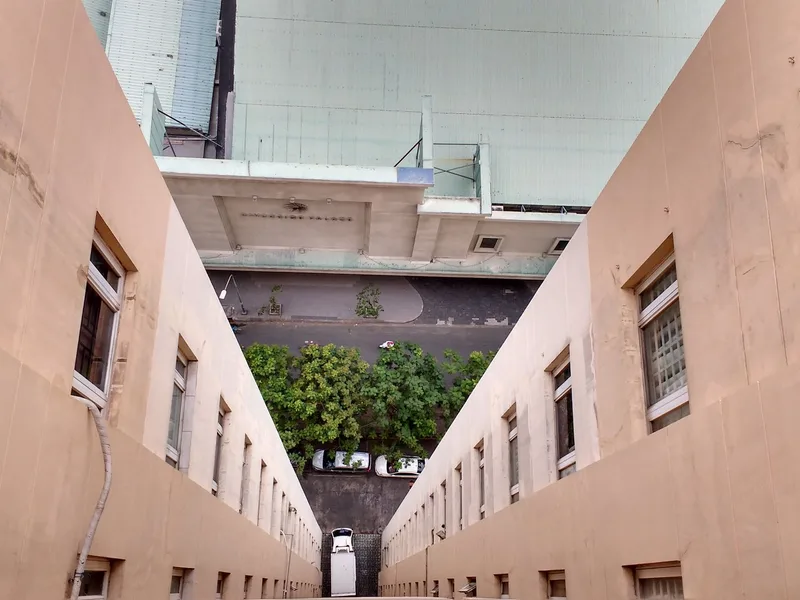
Ledge width
A narrow projection takes spikes or a wire; a ledge wide enough to hold a nest needs tensioned netting or a wire line.
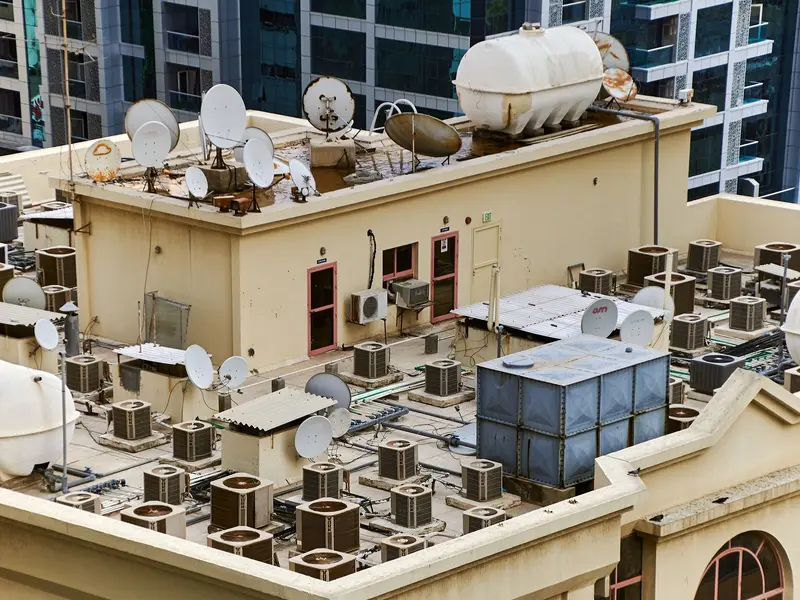
Air conditioning platforms
The space under the unit is shaded and out of the wind, and the condensate line supplies drinking water, which makes it the first void we open.
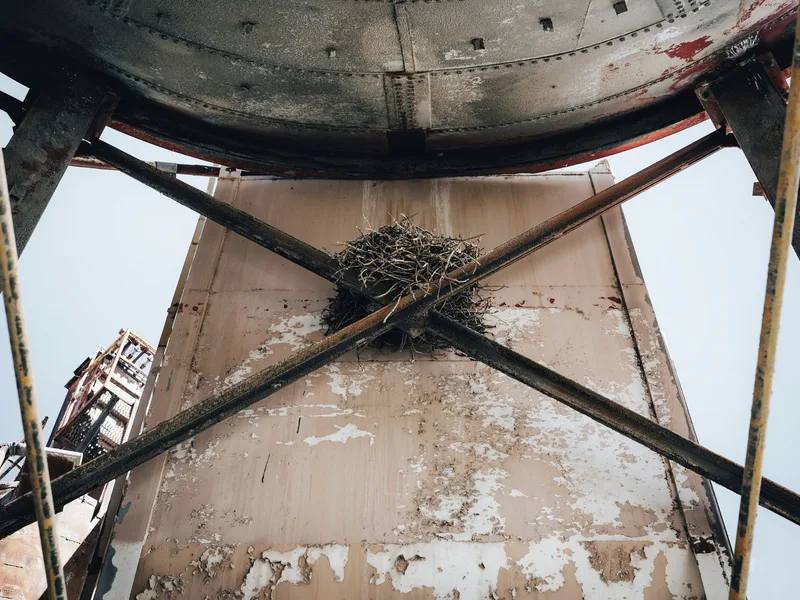
The nest itself
A nest means breeding rather than perching, and it means parasites that will look for another host once the birds are gone.
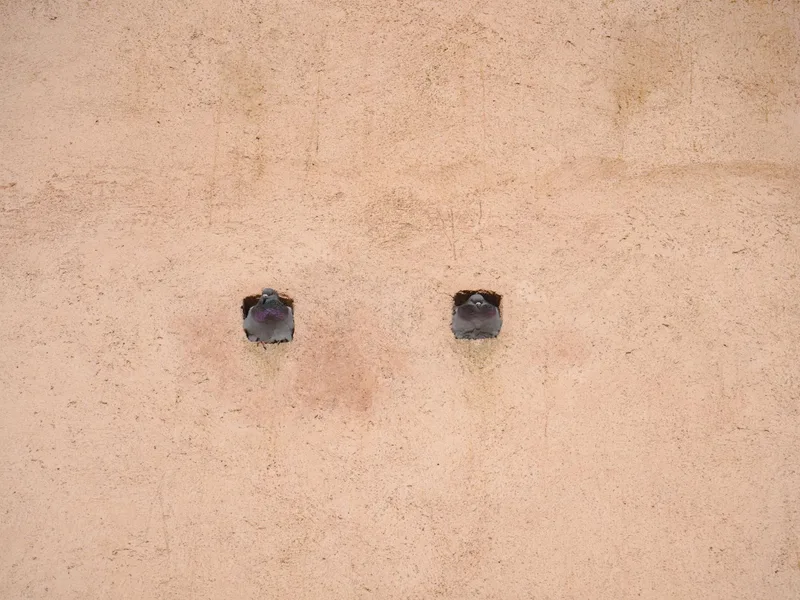
The droppings pattern
A build-up under one point means a night roost; a spread across the surface means daytime loafing, and the two take different products.
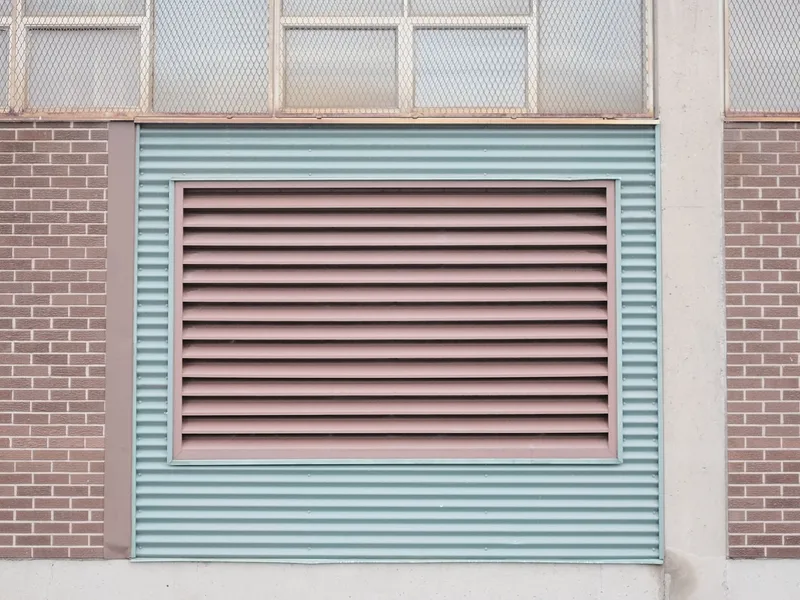
Openings and shafts
A broken vent or an open shaft turns a facade into an interior roost, and closing it comes before any deterrent on the outside.
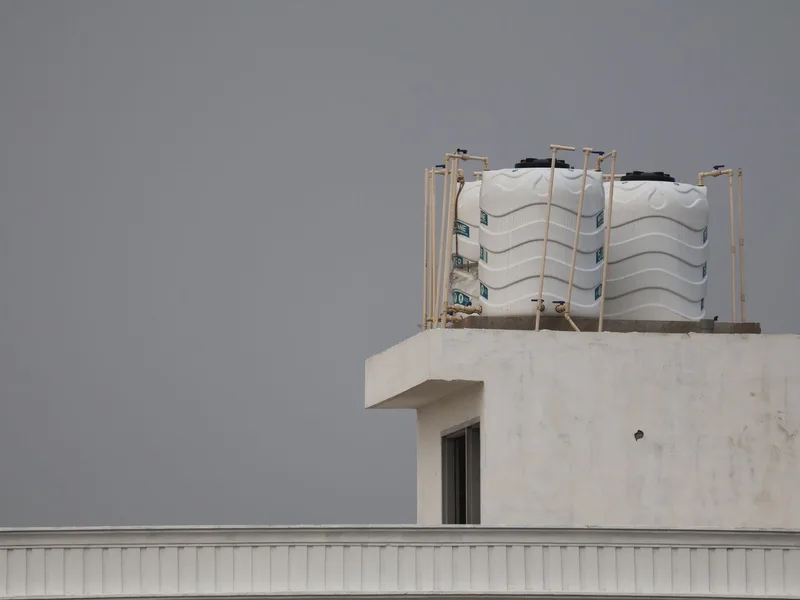
Around the roof tank
The shade beside a tank is a favoured perch, and droppings near its hatch or the feed line are a contamination route we deal with first.
How the visit runs
Four steps. It starts with a survey and does not end when the netting goes up.
-
1
Survey the roof and the facade
We walk the roof, the projections, the condenser platforms and the shafts, separate the nesting positions from the perching ones, and measure and photograph every ledge.
-
2
Strip the nests and treat the parasites
Droppings are wetted before they are lifted so nothing goes airborne dry, bagged closed, and the nest position is treated for ticks and mites before the surface is sanitised.
-
3
Close and fit
Netting tensioned on a perimeter wire with no gap at the corners, spikes or wire on the narrow projections, metal mesh across vents and shafts, and the roof drains freed of the nest material packing them.
-
4
The follow-up visit
We come back to check the tension, the corners and any position the flock has moved to, and correct what has slackened before a bird finds it.
What bird and pigeon control includes
-

A recorded survey
Every ledge, condenser platform and shaft, photographed, with nesting separated from perching before anything is chosen.
-

Nest removal and drain clearing
Lifted wet rather than swept dry, bagged closed, and the roof drains freed of the nest material packing them.
-

Parasite treatment and sanitising
The nest position treated for ticks and mites, then the surface the droppings sat on sanitised.
-

Sealing and fitting the deterrents
Netting tensioned on a perimeter wire, spikes or wire on narrow projections, and metal mesh across ventilation openings.
-

Aftercare instructions
The condensate water, food left on the roof, and what should not sit beside a ledge if the attraction is to stay gone.
-

A follow-up on tension and corners
Netting slackens and corners open over time; the visit corrects that and closes any new position.
Exactly where the product goes
-
1
Inside joints, not on surfaces
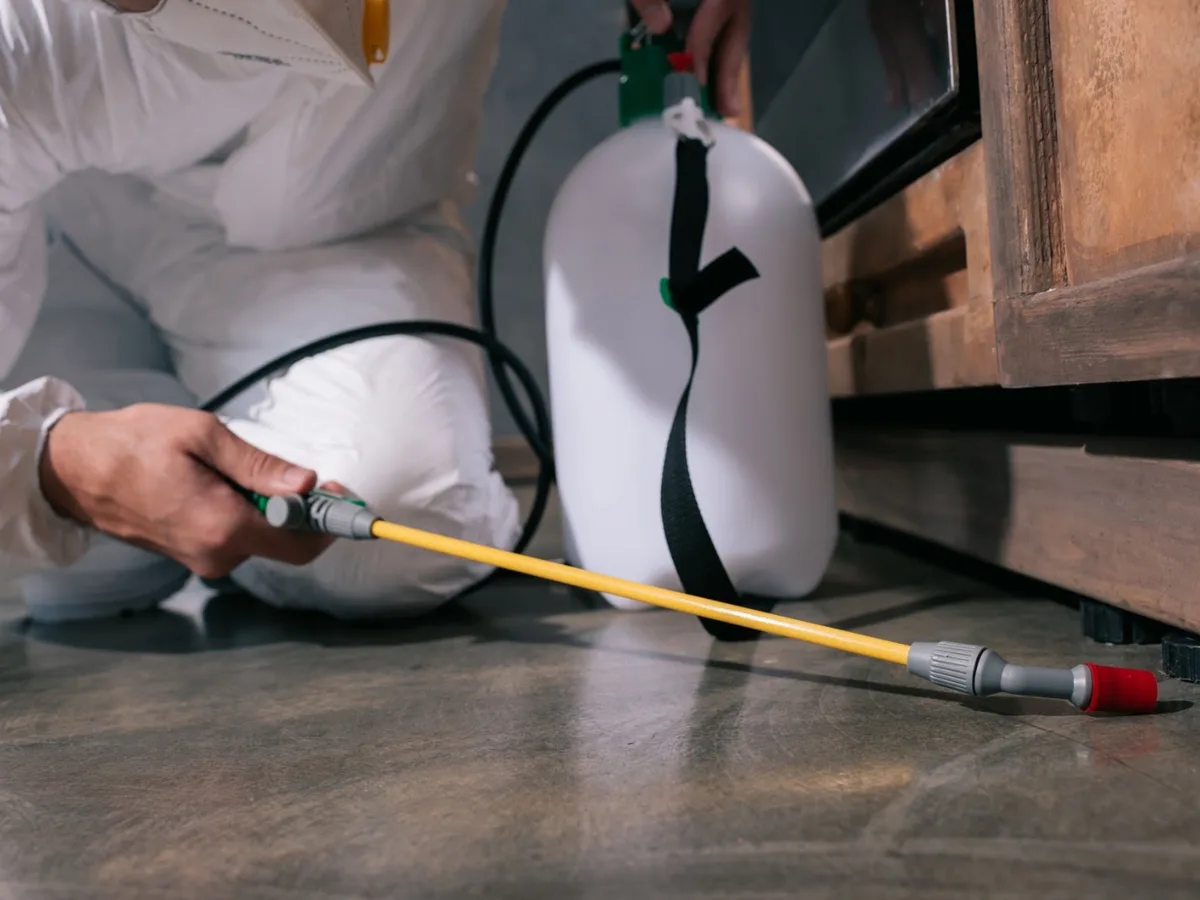
Bait goes into a cabinet joint or a gap behind an appliance, in dots the size of a match head, in places no hand reaches and nothing touches in ordinary use.
-
2
Away from where food is
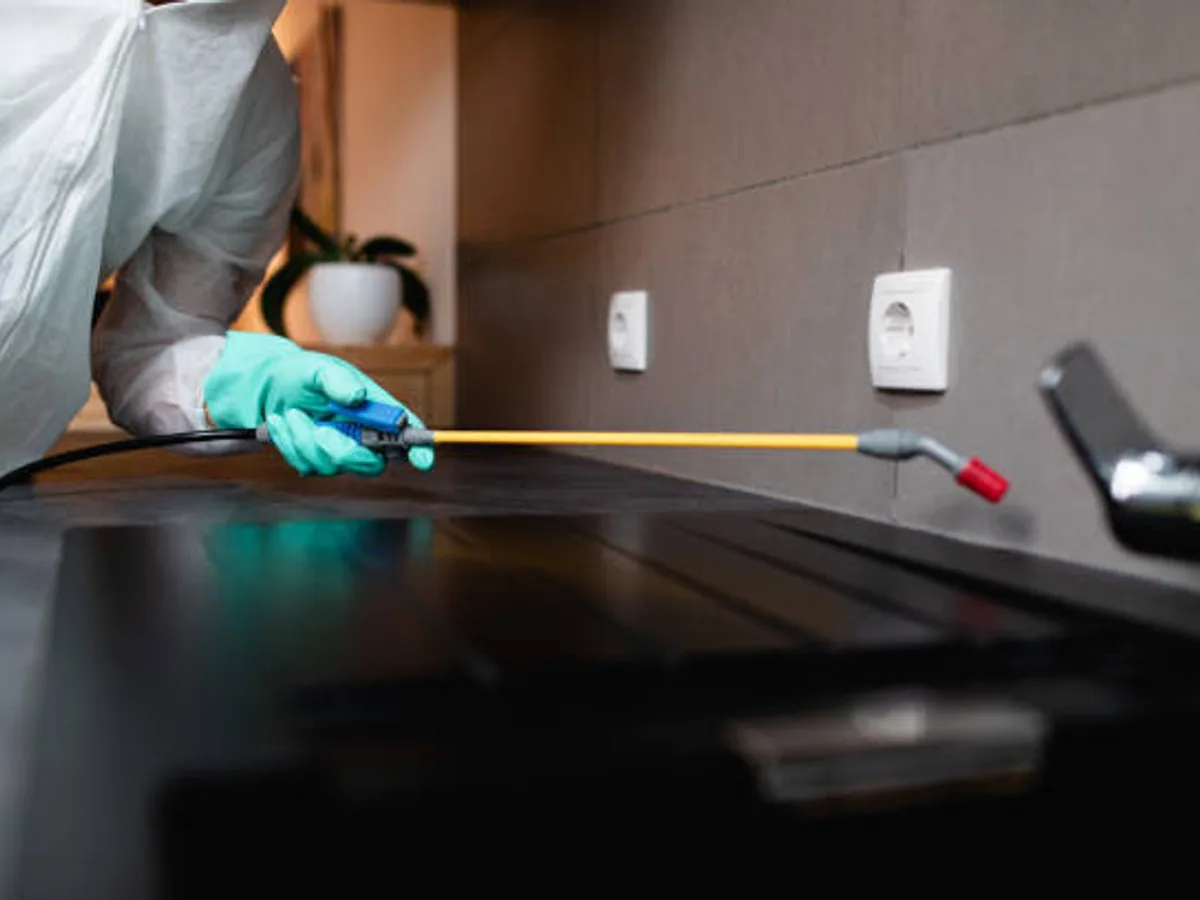
Nothing is sprayed on preparation surfaces, inside food cupboards, or across open floor in living rooms and bedrooms.
-
3
A little preparation first
Cover dishes, move water bowls. We give you the ventilation time for your treatment on the call, rather than a general number printed on a page.
-
4
Tell us the exceptions
Asthma, an allergy or a pregnancy in the home changes the product choice and the order of the visit. It is a change we make often and it does not delay the appointment.
Our work
What customers say on Google
Excellent to deal with, very good service, and they explain. The staff explain how each product is used, completely honestly.
Translated from the Arabic original.
The termite problem disappeared after the treatment. Thank you.
Translated from the Arabic original.
We had a cockroach problem, and after the treatment, praise God, the cockroaches have largely gone. Their work is tidy and they are respectful to deal with. I recommend them.
Translated from the Arabic original.
We cover Jeddah and Makkah
Every district has its own page for this service. Tap yours.
Common questions
Do you harm the birds?
No. The work is exclusion: the nest comes off, then the position is closed so it cannot be used again. We do not use poison on birds, and the aim is that the flock settles somewhere that is not your building. Where there are chicks in a nest we time the visit around them instead of going straight at it.
We fitted spikes and they nested anyway
That is what spikes do on a wide ledge. They protect a narrow projection; on a wide one the bird lands behind the row, or uses it as the base it builds the nest on. A wide ledge needs tensioned netting or a wire line, and the choice comes from measuring, not from guessing.
Will fitting it damage the facade or the roof waterproofing?
The fixing follows the surface: structural adhesive where that is enough, mechanical fixings with the penetration sealed where drilling is unavoidable, and nothing driven through a waterproofing layer. What we need from you is safe access to the roof and the area beside the ledge cleared, and the rest is in whether pesticides are safe around children.
The birds are gone and now something tiny is biting indoors
Those are pigeon ticks and bird mites. They live in the nest and on the bird, and when the bird goes they crawl to the nearest opening with a host behind it, usually along an air conditioning line or a window frame. That is why the nest position is treated before the closing work, not after. If the biting has already started indoors, the inside needs treating too, see Flea control.
They perch on the water tank, does any of that reach the water?
Droppings around the tank hatch or on the feed line are a genuine contamination route, especially if the cover no longer seats properly or the vent has no mesh on it. We close the perch and clean the surround, and it is finished with Water tank cleaning and then Water tank sterilization if anything reached the cover or the inside.
Will they come back after the netting is up?
They come back if a position stayed open, and three reasons cover most of it: a net corner left slack, which a bird gets behind and then cannot get out of; a position that was never in the scope, such as a condenser platform or the shaft next door; and someone feeding the flock nearby, which keeps the birds in the area trying every facade in turn. The follow-up visit exists for exactly that, to tension what has moved and close what has appeared. Where a building sits in permanent pressure, scheduled visits are the sensible arrangement, see Preventive treatment.
What does bird control cost?
It is set after the survey. What moves it: how many positions there are and how far they run, the height of the building and how we reach it, which deterrent each ledge forces on us, and how much nest and droppings work has to happen before anything is closed. Send photos of the roof and the facade on WhatsApp and we will give you an estimate before we come out, then a firm figure once the survey is done.
Other services
Scroll to see the rest of what we do.
-
 Residential
Cockroach control
Residential
Cockroach control
-
 Residential
Bed bug control
Residential
Bed bug control
-
 Residential
Termite control
Residential
Termite control
-
 Residential
Rodents and mice
Residential
Rodents and mice
-
 Residential
Mosquito control
Residential
Mosquito control
-
 Residential
Fly control
Residential
Fly control
-
 Residential
Ant control
Residential
Ant control
-
 Residential
Gecko control
Residential
Gecko control
-
 Residential
Scorpion control
Residential
Scorpion control
-
 Residential
Snake control
Residential
Snake control
-
 Residential
Flea control
Residential
Flea control
-
 Residential
Preventive treatment
Residential
Preventive treatment
-
 Residential
Disinfection
Residential
Disinfection
-
 Commercial
Annual contracts
Commercial
Annual contracts
-
 Commercial
Restaurants and cafes
Commercial
Restaurants and cafes
-
 Commercial
Hotels and apartments
Commercial
Hotels and apartments
-
 Commercial
Warehouses and factories
Commercial
Warehouses and factories
-
 Commercial
Schools and nurseries
Commercial
Schools and nurseries
-
 Commercial
Retail and malls
Commercial
Retail and malls
-
 Commercial
Rest houses and farms
Commercial
Rest houses and farms
-
 Commercial
Fumigation
Commercial
Fumigation
-
 Water tanks
Water tank cleaning
Water tanks
Water tank cleaning
-
 Water tanks
Water tank sterilization
Water tanks
Water tank sterilization
-
 Water tanks
Water tank sealing
Water tanks
Water tank sealing
-
 Water tanks
Tank leak repair
Water tanks
Tank leak repair
Need bird and pigeon control? Describe what you saw and we will tell you what it needs
A short call is enough. We tell you what we can see and the full cost before we start, and you decide after that.