
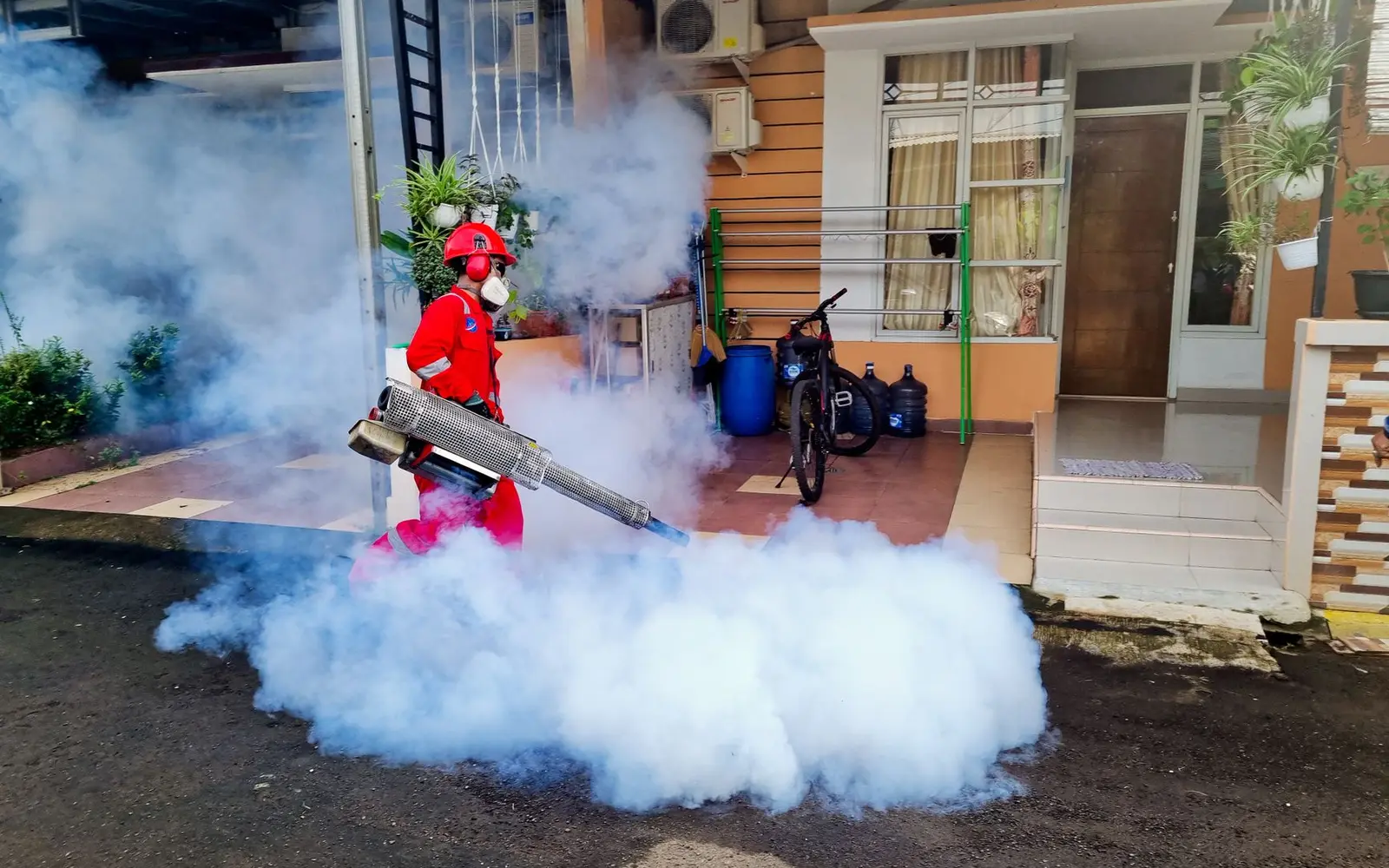
Cockroach control in Harat Al Bahr Jeddah
The south western edge of Harat Al Bahr sits behind Bab Al Bunt, looking straight out over the water, and its old stone houses near the port hold the sea's damp inside thick walls. That constant moisture on the ground floors gives cockroaches a water source that never dries, so they settle into the stone's cracks and the ageing drains far more readily than they would in an inland district.
-
Targeted, not broadcast
Product goes into cracks and runways, never sprayed across open surfaces.
-
Told before we start
What we will use, where it goes, and what to cover or move before we arrive.
-
A follow-up visit
We return after the first treatment, because what survives it does not show on the day.
-
Homes and businesses
Apartments and villas, and kitchens and stores that need a record of each visit.
Why they keep coming back in Harat Al Bahr
On the ground floors of the houses behind Bab Al Bunt, the heaviest activity sits along the base of the thick walls, where the damp drawn in from the sea never fully leaves. The method is set out in full on Cockroach control in detail.
The stone hides more than the surface
The houses of Harat Al Bahr are built from thick manqabi coral stone, and its body is full of cavities and cracks where cockroaches shelter. Spraying the surface is not enough, so we work bait into the hollows of the stone and along its joints, where the colony actually sits.
Sea damp keeps them active
So near the water, the humidity never drops, and the American cockroach finds its ideal home in the ageing drains and the damp ground floors. We dry out the water sources and treat the moisture points first, before we go after the insect itself.
Houses that touch, pipes that are shared
The houses here stand wall to wall, sharing their masonry and an old drainage network, so what is treated in one house can return to it from the neighbour through the pipes and the gaps between walls. That is why we close the crossing points, not just what shows on the surface.
The species and the place decide the method
Close to the port and the open sea, the ground floors of these stone houses stay damp all year, and salt and moisture widen the cracks in the old masonry until they become inner runs that roaches travel unseen.
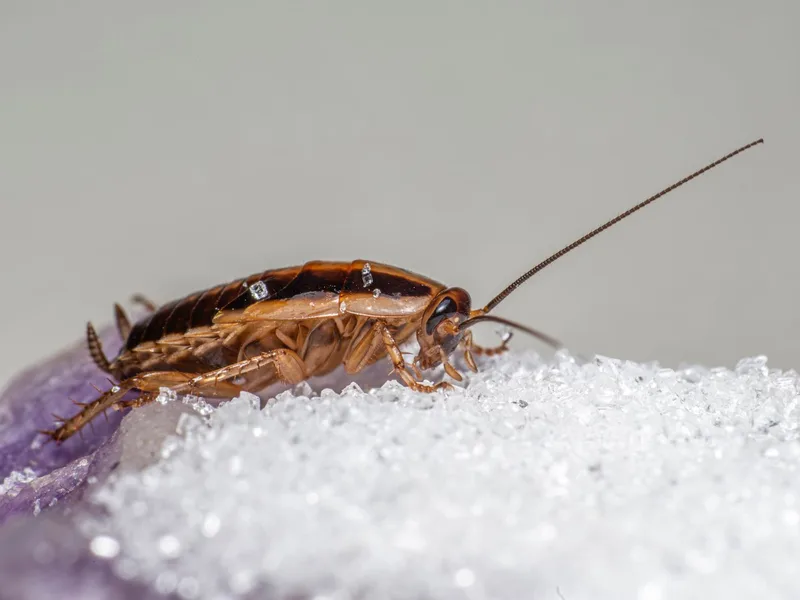
German cockroach
The German cockroach lives in the kitchens of these old houses, near the sink and its warmth. It is small, breeds fast, and hides in the cracks of the ageing wooden cupboards.
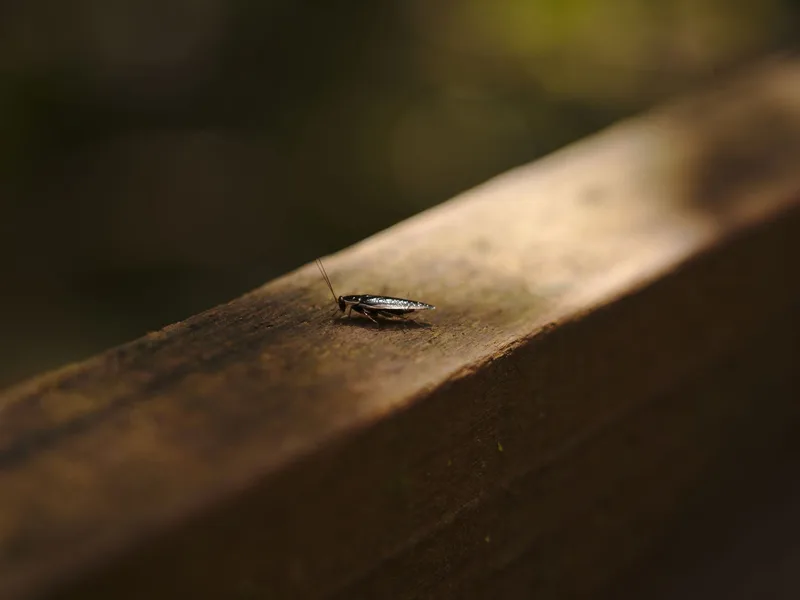
American cockroach
The large American cockroach prefers the damp of the ground floors and the drains close to the sea, climbing up at night from the old drainage into the house.
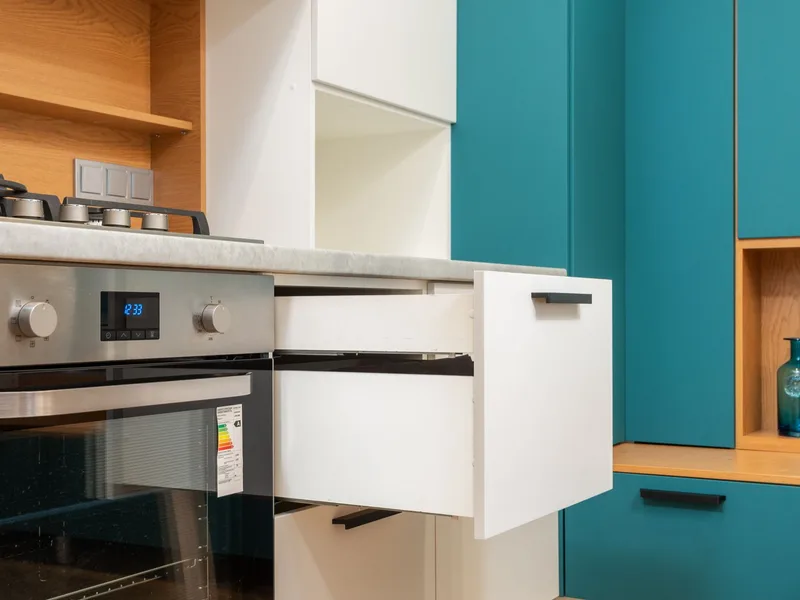
Appliance heat
The heat of the fridge and the water heater draws cockroaches on the humid coastal nights, gathering them behind warm motors where they find dryness and warmth together.
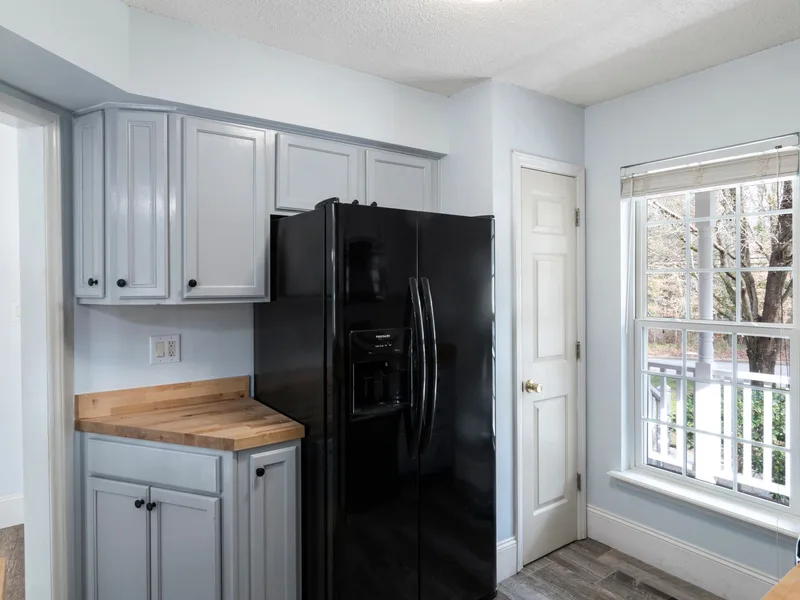
The gap behind the fridge
The gap behind the fridge, in the narrow kitchens of these old houses, is warm, dark, and rarely cleaned, so it becomes a favoured shelter where the cockroach lays its eggs.

Water before food
A cockroach looks for water before food, and in houses this close to the sea the damp in the walls and the drip of old pipes are enough to keep it fed and breeding.
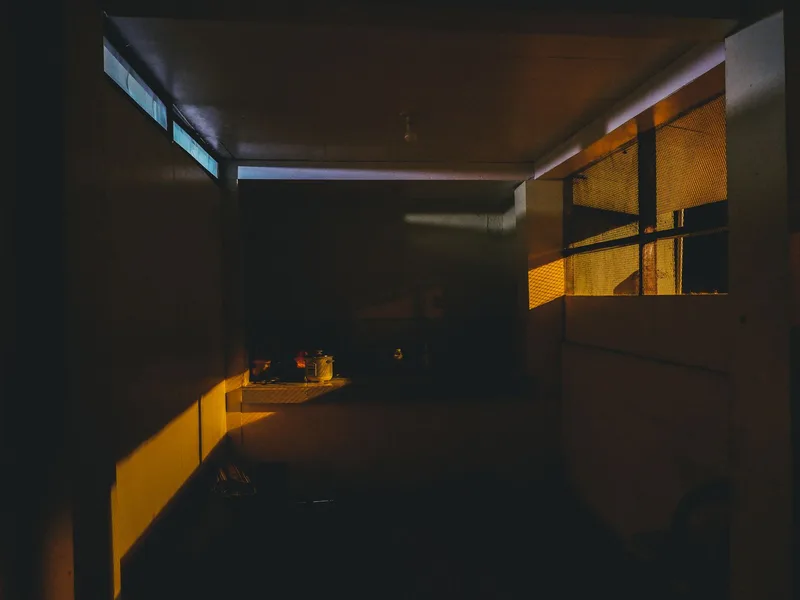
What you see at night
The one cockroach you see crossing the floor at night is only the edge of the colony; the rest stays hidden in the stone's cracks and the joints of the drains until dawn.
How we work
-
1
Inspect and identify
We work through the kitchen, the bathrooms and the drain runs, and establish the species, the harbourage points and the moisture keeping them there.
-
2
Treat the harbourage
Gel bait into joints and cracks, targeted spray where it is warranted, and dust in the dry voids behind appliances.
-
3
Close what can be closed
We point out the gaps, the drain entries and anything needing a plumber, because exclusion does more to stop a return than repeating the spray.
-
4
The follow-up visit
We come back once the surviving egg cases have hatched, check the points and re-treat where needed.
What cockroach control includes
-

A recorded inspection
Species, harbourage points and moisture sources, established before anything is applied.
-

Placed gel bait
In cabinet joints, cracks and behind appliances, where the insect actually travels.
-

Targeted spray where needed
On runways and junctions, never on preparation surfaces or open floors.
-

Drain and entry treatment
Floor traps, shafts and pipe entries, which is where the larger species comes from.
-

Aftercare instructions
Ventilation, what to cover, and when surfaces can be cleaned without undoing the work.
-

A scheduled follow-up
A set date after the first treatment, and re-treatment of anything still active.
Questions about this district
My house is old stone, does that make treatment harder?
Coral stone is full of voids and cracks where cockroaches hide, so the surface alone is not the answer. We place bait inside the joints and fissures and return later to close off whatever has hatched deep in the wall.
The roaches come from old drains, what do you do?
The ageing drains near the port are a main route for the American cockroach. We treat the points where it climbs and set bait there, and advise sealing any unused openings, because the constant damp keeps the drainage an open road all year round.
My neighbour on the shared wall treated his house and they came to me?
In the wall to wall houses of Harat Al Bahr, the masonry and the drainage are shared, so cockroaches can move from a treated house to the one beside it through the gaps. The work that lasts covers the crossing points between you, not one house treated on its own.
Does being close to the sea mean more roaches?
Yes. The high humidity by the water keeps the ground floors damp all year, and that steady moisture is exactly what a cockroach needs to live and breed, far more than it would find in the drier districts away from the coast.
The ground floor used to be a storeroom, does it need special work?
Ground floors that once served as storerooms near the port gather damp and abandoned voids, an ideal setting for cockroaches. We check the dark corners and the old drain openings, and concentrate the bait where use is low and the dark is deepest.
Will the spray harm the old roshan woodwork?
We work with the nature of these heritage houses, using targeted bait and fine treatment inside the cracks rather than flooding the surfaces, so we do not wet the old timber or leave a mark on the roshan screens and the joints of the stone walls.
How much does cockroach control in Harat Al Bahr cost?
It is set after the inspection, because the price follows the type of infestation, the size of the space, how far it has spread and the number of visits it needs. Send a photo and a description on WhatsApp and we will give you an estimate before we reach Harat Al Bahr.
Nearby districts we cover
Other services in Harat Al Bahr
Other services we provide to residents of Harat Al Bahr.
-
 Residential
Bed bug control
Residential
Bed bug control
-
 Residential
Termite control
Residential
Termite control
-
 Residential
Rodents and mice
Residential
Rodents and mice
-
 Residential
Mosquito control
Residential
Mosquito control
-
 Residential
Fly control
Residential
Fly control
-
 Residential
Ant control
Residential
Ant control
-
 Residential
Gecko control
Residential
Gecko control
-
 Residential
Scorpion control
Residential
Scorpion control
-
 Residential
Snake control
Residential
Snake control
-
 Residential
Flea control
Residential
Flea control
-
 Residential
Bird and pigeon control
Residential
Bird and pigeon control
-
 Residential
Preventive treatment
Residential
Preventive treatment
-
 Residential
Disinfection
Residential
Disinfection
-
 Commercial
Annual contracts
Commercial
Annual contracts
-
 Commercial
Restaurants and cafes
Commercial
Restaurants and cafes
-
 Commercial
Hotels and apartments
Commercial
Hotels and apartments
-
 Commercial
Warehouses and factories
Commercial
Warehouses and factories
-
 Commercial
Schools and nurseries
Commercial
Schools and nurseries
-
 Commercial
Retail and malls
Commercial
Retail and malls
-
 Commercial
Rest houses and farms
Commercial
Rest houses and farms
-
 Commercial
Fumigation
Commercial
Fumigation
-
 Water tanks
Water tank cleaning
Water tanks
Water tank cleaning
-
 Water tanks
Water tank sterilization
Water tanks
Water tank sterilization
-
 Water tanks
Water tank sealing
Water tanks
Water tank sealing
-
 Water tanks
Tank leak repair
Water tanks
Tank leak repair
Need cockroach control in Harat Al Bahr? Tell us what you saw and we will tell you what it needs
We reach Harat Al Bahr at a time we agree, and you get the full cost before we start.