
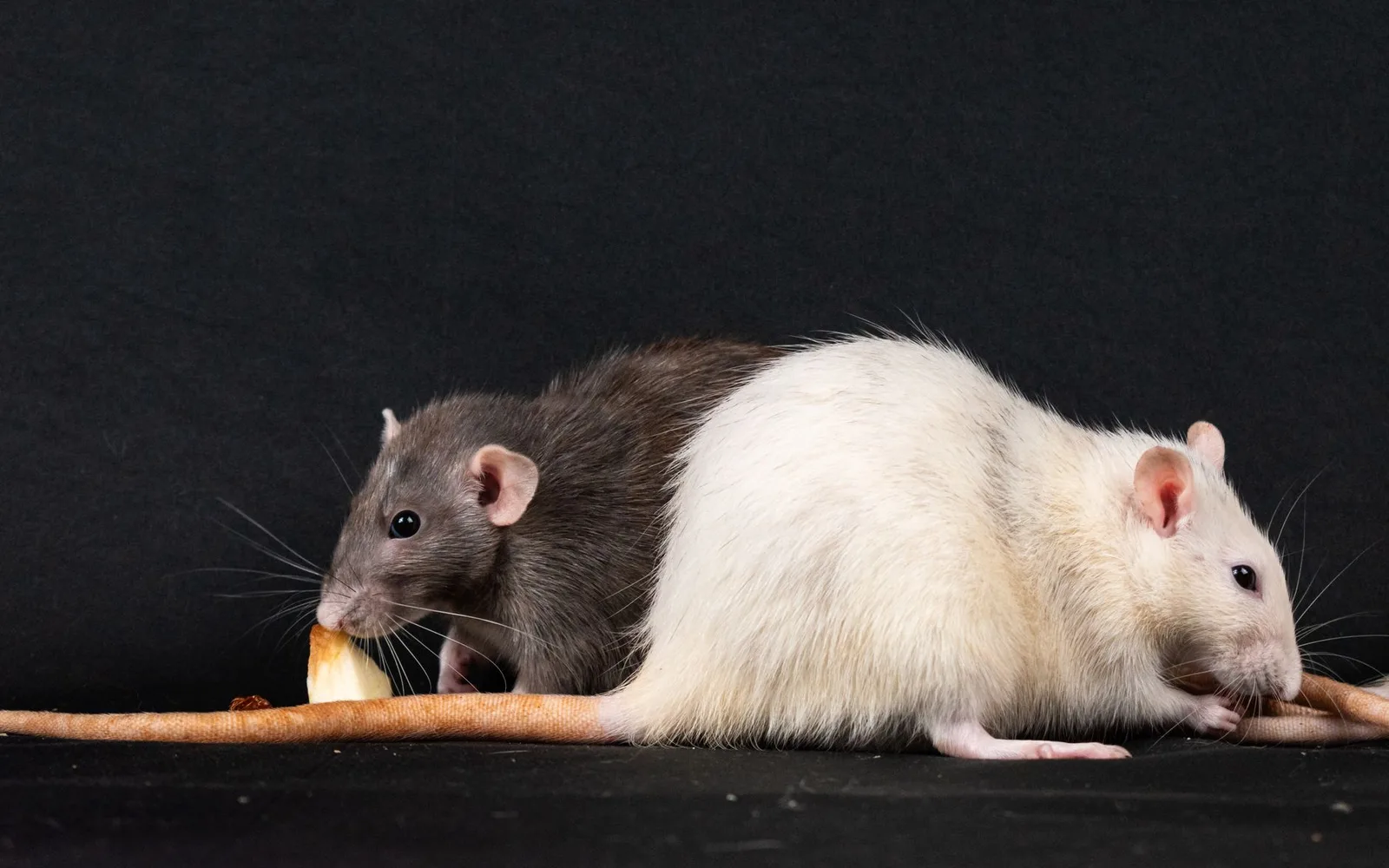
Rodents and mice in Harat Al Bahr Jeddah
Harat Al Bahr is an old waterfront quarter where closely packed coral stone buildings and constant moisture from the harbour and nearby port create ideal rodent refuge. Treatment here differs fundamentally from other areas because continuous salt spray and humidity compromise protective materials, and bait stations need reinforced shelter against the corrosive marine environment.
-
Targeted, not broadcast
Product goes into cracks and runways, never sprayed across open surfaces.
-
Told before we start
What we will use, where it goes, and what to cover or move before we arrive.
-
A follow-up visit
We return after the first treatment, because what survives it does not show on the day.
-
Homes and businesses
Apartments and villas, and kitchens and stores that need a record of each visit.
Why they keep coming back in Harat Al Bahr
Rodents here prefer water-borne routes and subsurface voids over horizontal pathways, and salt in the air accelerates decay of barriers and protective compounds alike. The method is set out in full on Rodents and mice in detail.
Relentless moisture from the sea and port operations
Water seeps through ageing foundations and corroded pipework, and metal rusts at an accelerated pace. Bait and traps need closer inspection because persistent humidity compromises material integrity. Bait stations themselves must be shielded from salt spray and continuous moisture that would otherwise degrade them within days rather than weeks.
Narrow lanes and buildings pressed tightly against one another
Rodents move easily between adjoining structures through shared pipe openings and utility conduits. Treating a single building may prove ineffective unless entry points connecting to neighbouring houses are sealed simultaneously, as rodents simply re-enter from adjacent properties.
Proximity to the warehouse, port and commercial food sources
Ships, storage yards and restaurants nearby supply rodents with continuous food abundance. The quarter lies open to daily foot and vehicle traffic carrying cargo, and rodents travel within boxes, rope coils and packaged goods moving between vessel and dwelling.
The character of Harat Al Bahr
Historic district: close-set buildings, narrow lanes and ageing services
An ageing district means pipework, ceilings and foundations contain voids and holes invisible from outside. Rodent treatment requires extended inspection and sealing time because holes are numerous, old materials are fragile, and attempted repairs may cause structural damage to weakened walls.
What we read in the building before any bait goes down
Ground lies low at the waterfront edge, and moisture from the sea and busy port continuously penetrates ageing foundations and corroded pipe networks that run beneath old stone buildings.
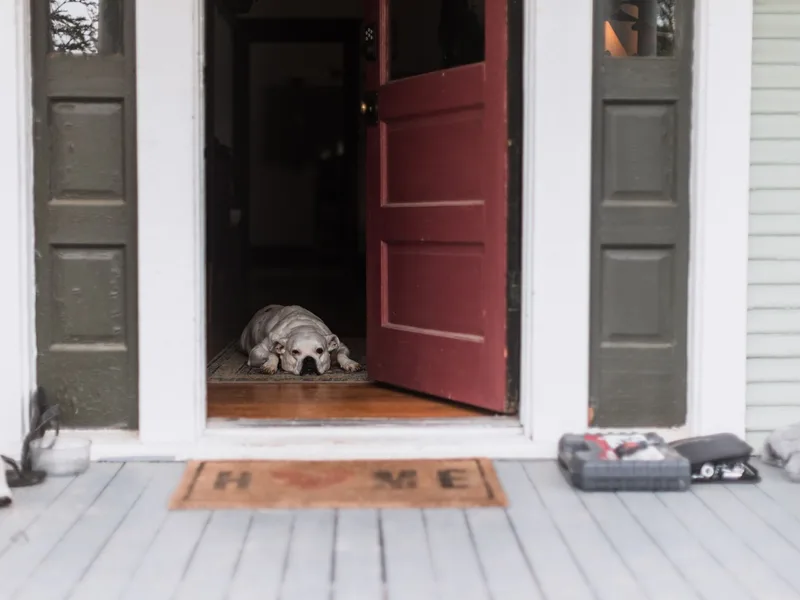
The gap under the door
The gap under the door here usually contains standing moisture and may intentionally remain open for ventilation, so we seal it completely and monitor for water seepage that would reopen it.
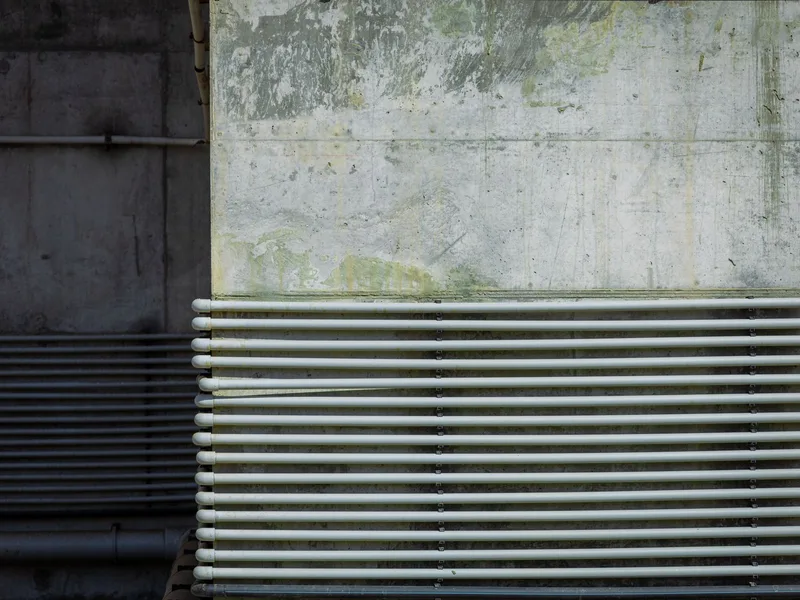
Pipe and conduit openings
Old pipe openings are numerous and rust creates additional holes, so we inspect every water and drainage line and plug every gap with solid material that will not corrode.
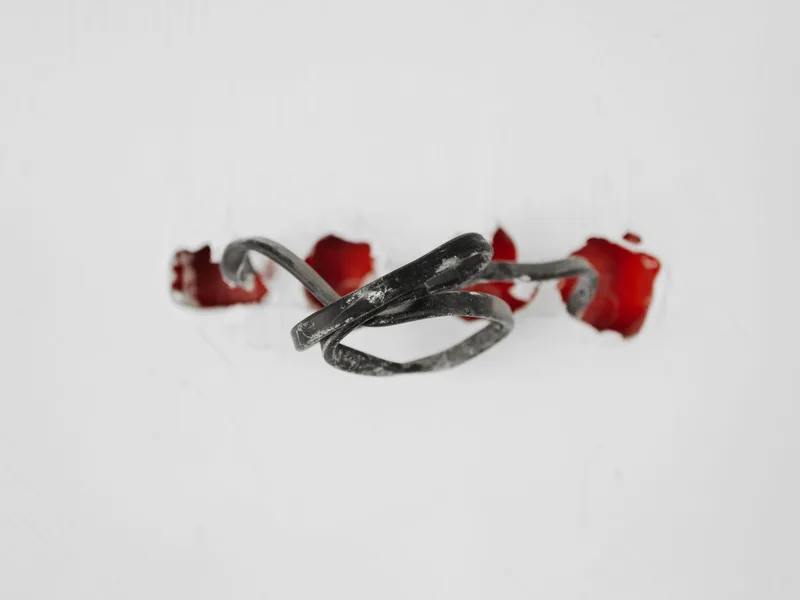
Gnaw marks
Gnaw marks on plastic and timber pipes are common here due to moisture that softens the material, so we check every corner and beneath all floor-level fixtures.
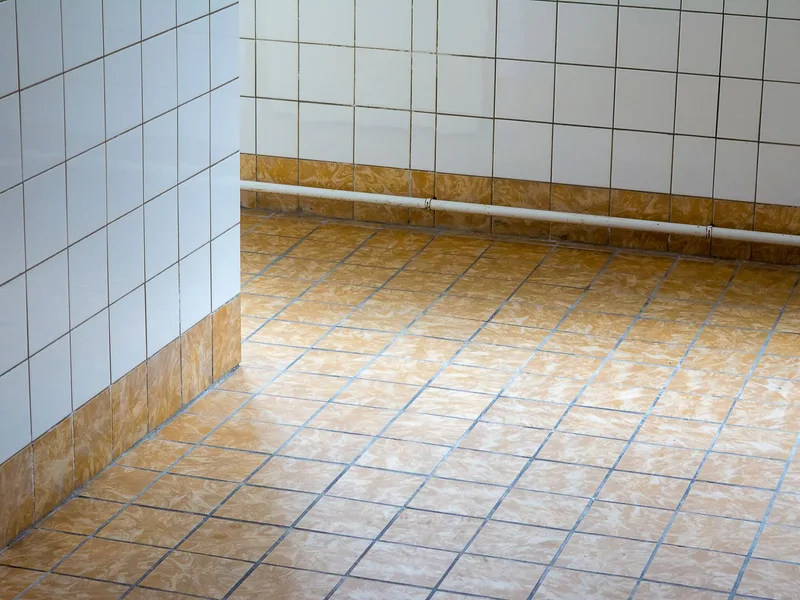
The run along the wall
The run along walls follows pipe routes and utility lines, and moisture leaves visible tracks on old coral stone walls that help us trace the exact pathways used.
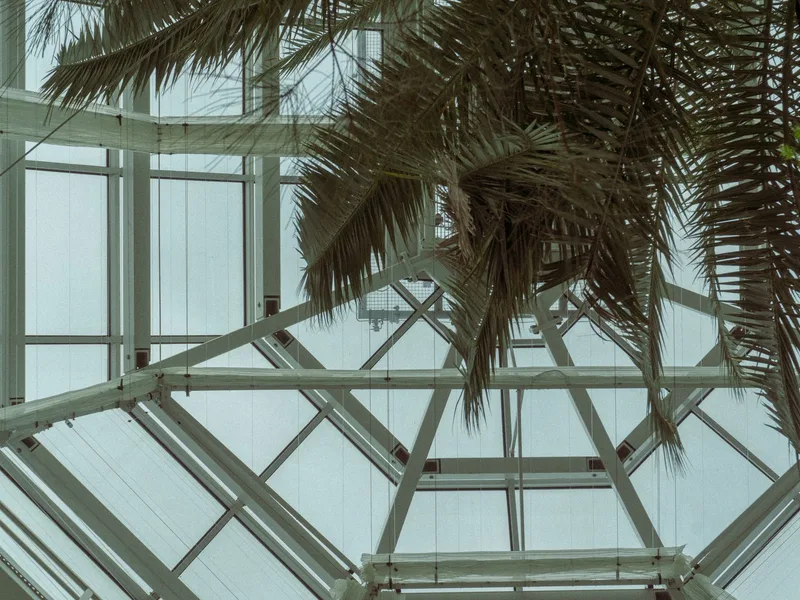
The route from above
The route from above travels through voids between ceilings and floors, through holes in pipework that descend from upper storeys or adjoining buildings, and along the exterior where pipe brackets create ledges.
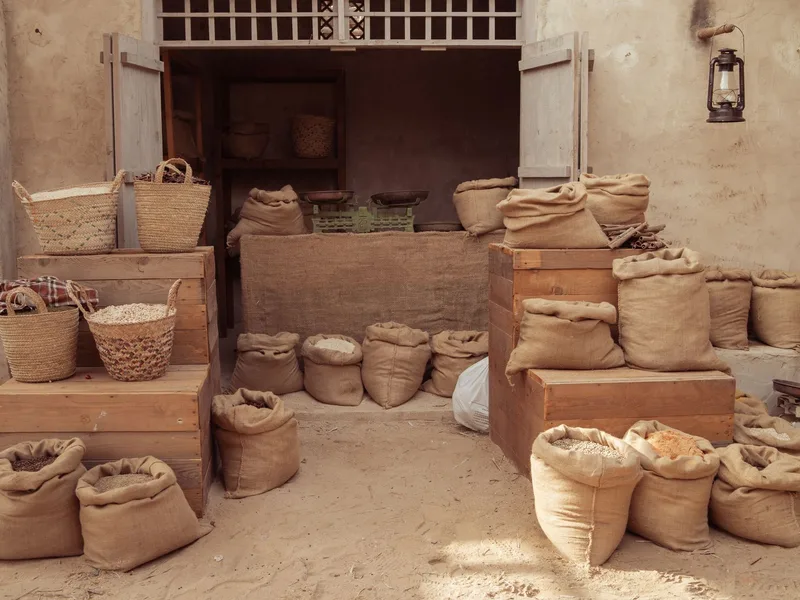
The water and the food on offer
Water and food available here is abundant: seepage from pipes, food scraps from restaurants and shops, cargo from harbour facilities, and waste piled in narrow lanes.
How we work
-
1
Inspect and trace the runs
We work the perimeter, the kitchen, the store and the false ceiling, establish the species, the entry points and the water source, and mark the station positions before anything is carried in.
-
2
Close the openings
Metal mesh, mortar and base strips at the gaps, around pipe sleeves and at vents, because foam and silicone are gnawed through within days.
-
3
Secured bait and traps
Closed stations fixed on the runs outside the building, and traps rather than loose bait indoors, so that anything that dies stays somewhere we can reach.
-
4
The follow-up visit
We read the take at each station, replenish what has gone, remove anything found, and close any opening that showed itself once the movement settled.
What rodent control includes
-

Inspection and a station map
Entry points, runs and station positions recorded, so the same points are checked on every visit.
-

Sealing pipes and drains
Floor traps, pipe sleeves, vents and the air conditioning drain line, the routes that arrive from outside the unit.
-

Secured bait stations
Closed and fixed on the outside runs, out of reach of children and animals, while indoors we work with traps.
-

Treating the nest site
A rodent leaves parasites and nesting material behind, so the nest is removed and the void it sat in is treated.
-

Aftercare instructions
Stock lifted off the floor, droppings cleaned damp with disinfectant instead of swept dry, and pet bowls emptied at night.
-

A scheduled follow-up
A set date after the first visit: read the take, replenish the bait, remove anything found and close what is still open.
Landmarks of Harat Al Bahr
Work in Harat Al Bahr is organised around known reference points. We begin at Bab Al Bunt and progress southward towards Qabil Street, inspecting every lane and every subsurface void and foundation gap along our path toward Dar Radwan and Akkash Mosque.
- Bab Al Bunt
- Qabil Street
- Dar Radwan
- Akkash Mosque
Questions about this district
Do rodents arrive directly from ships and the harbour itself?
Yes, vessels and storage yards supply a constant source. Rodents nest in rope coils and cargo boxes and travel with goods into nearby homes. Treatment must focus on cargo reception points and the small storage areas scattered throughout the quarter.
Why does salt and humidity degrade bait stations faster here?
Salt air causes material corrosion and moisture weakens bait potency, reducing its effectiveness significantly. Bait and traps require replacement every seven to ten days rather than the standard schedule applied elsewhere.
Does treating a single house prevent rodents entering from neighbours?
No: buildings are pressed so closely together that rodents move through foundation gaps and shared pipe routes. We recommend coordinating with adjacent property holders where possible, or at minimum sealing every shared utility opening between houses.
How frequently does a waterfront quarter like Harat Al Bahr need treatment?
Initial treatment is intensive, followed by monitoring every two to three weeks during the stabilisation phase. Thereafter monthly treatment at minimum, because continuous inflow from the port means rodents return quickly.
Are the shared ventilation shafts between houses a major entry point?
Certainly: shared pipework and utility openings are rapid rodent highways. We seal them with material that cannot be gnawed and inspect every connection point between neighbouring buildings.
Does abundant water and food around the port make control harder?
Much harder. Natural food sources are plentiful and rodents easily find substitutes for placed bait. We prioritise sealing entry points first and removing all accessible food inside the building before any bait stations are set.
How much does rodents and mice in Harat Al Bahr cost?
It is set after the inspection, because the price follows the type of infestation, the size of the space, how far it has spread and the number of visits it needs. Send a photo and a description on WhatsApp and we will give you an estimate before we reach Harat Al Bahr.
Nearby districts we cover
Other services in Harat Al Bahr
Other services we provide to residents of Harat Al Bahr.
-
 Residential
Cockroach control
Residential
Cockroach control
-
 Residential
Bed bug control
Residential
Bed bug control
-
 Residential
Termite control
Residential
Termite control
-
 Residential
Mosquito control
Residential
Mosquito control
-
 Residential
Fly control
Residential
Fly control
-
 Residential
Ant control
Residential
Ant control
-
 Residential
Gecko control
Residential
Gecko control
-
 Residential
Scorpion control
Residential
Scorpion control
-
 Residential
Snake control
Residential
Snake control
-
 Residential
Flea control
Residential
Flea control
-
 Residential
Bird and pigeon control
Residential
Bird and pigeon control
-
 Residential
Preventive treatment
Residential
Preventive treatment
-
 Residential
Disinfection
Residential
Disinfection
-
 Commercial
Annual contracts
Commercial
Annual contracts
-
 Commercial
Restaurants and cafes
Commercial
Restaurants and cafes
-
 Commercial
Hotels and apartments
Commercial
Hotels and apartments
-
 Commercial
Warehouses and factories
Commercial
Warehouses and factories
-
 Commercial
Schools and nurseries
Commercial
Schools and nurseries
-
 Commercial
Retail and malls
Commercial
Retail and malls
-
 Commercial
Rest houses and farms
Commercial
Rest houses and farms
-
 Commercial
Fumigation
Commercial
Fumigation
-
 Water tanks
Water tank cleaning
Water tanks
Water tank cleaning
-
 Water tanks
Water tank sterilization
Water tanks
Water tank sterilization
-
 Water tanks
Water tank sealing
Water tanks
Water tank sealing
-
 Water tanks
Tank leak repair
Water tanks
Tank leak repair
Need rodents and mice in Harat Al Bahr? Tell us what you saw and we will tell you what it needs
We reach Harat Al Bahr at a time we agree, and you get the full cost before we start.