
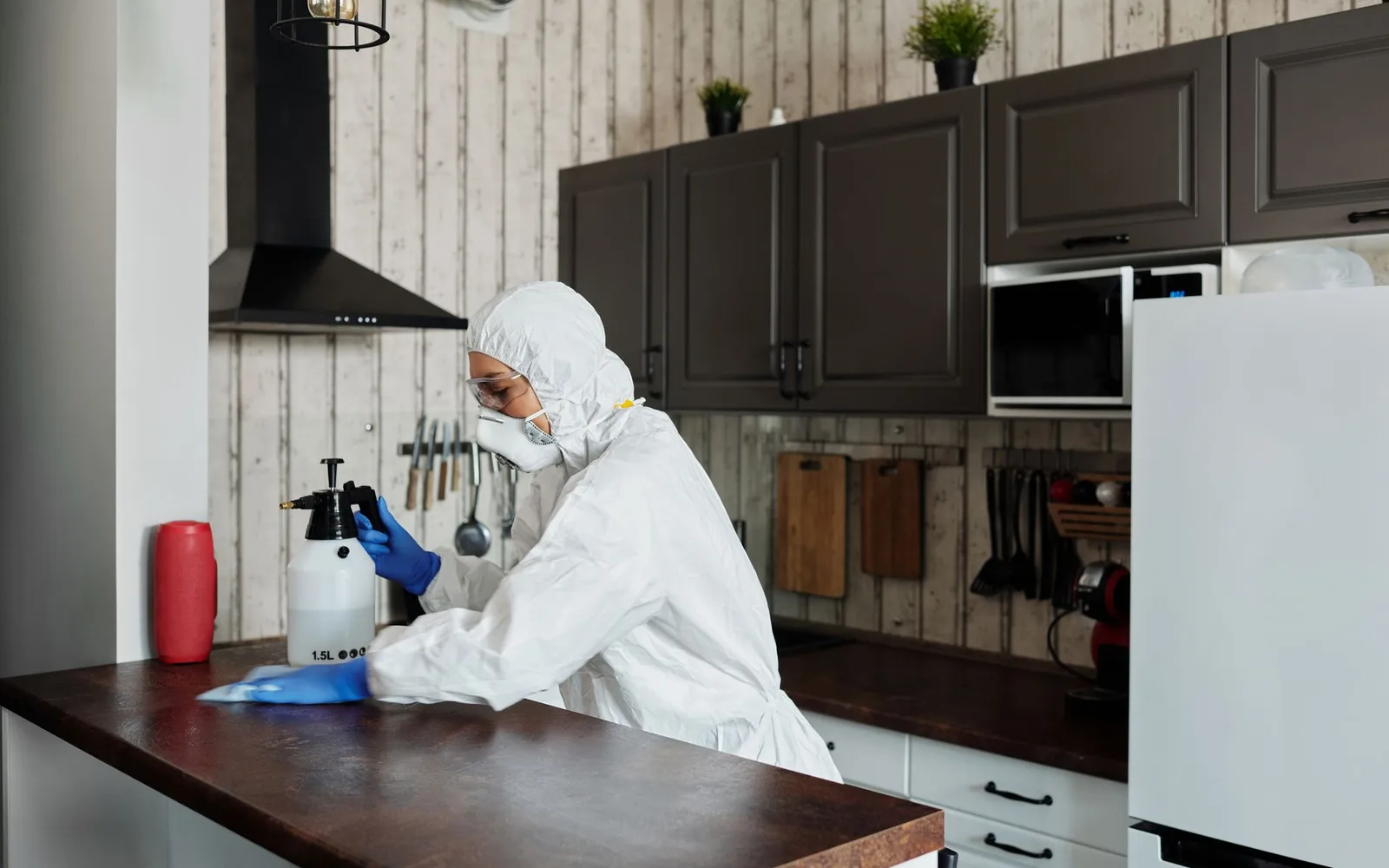
Disinfection in Al Harazat Jeddah
Al Harazat is an apartment district that grew densely on former farmland, with low rise blocks and narrow streets that mean poor air circulation and higher moisture retention. We treat the corridors, staircases and shared entries in ways that reckon with the high resident density and the moisture that traps disease longer in confined spaces without adequate natural ventilation.
-
Targeted, not broadcast
Product goes into cracks and runways, never sprayed across open surfaces.
-
Told before we start
What we will use, where it goes, and what to cover or move before we arrive.
-
A follow-up visit
We return after the first treatment, because what survives it does not show on the day.
-
Homes and businesses
Apartments and villas, and kitchens and stores that need a record of each visit.
Why they keep coming back in Al Harazat
Repeated floors and shared access points mean intense daily movement, and moisture stays in the corridors far longer because natural ventilation is poor and the air cannot dry the damp surfaces overnight. The method is set out in full on Disinfection in detail.
Buildings closely set and ventilation severely constrained
Blocks stand very close to each other, streets are narrow and sky access is limited. Natural ventilation is poor, and moisture persists in corridors and stairs much longer than it would in a spaced district. The disinfectant needs longer dwell time to be effective, and infection adheres more firmly to wet surfaces.
Foundations on former agricultural land and poor drainage
The district developed on what was once cultivated soil, and the ground retains moisture. Older drainage networks may be weak, seasonal dampness increases in winter, and this affects the shared stairs and communal yards. The water table rises seasonally and affects the basement areas under the buildings.
High resident count and repeated touch on common surfaces
Population density is very high, large families in small flats are the norm, and touch points like handrails, door handles and lift buttons receive scores of contacts each day. Regular scheduled disinfection is essential, not periodic emergency treatment, because the disease load builds continuously from the daily footfall.
Al Harazat on the map
Al Harazat sits about 4.5 km from Umm Al Salam and about 5.5 km from Al Mahamid.
Open in Google MapsWhat we look at before the product is chosen
The district sits south east of Jeddah near the Old Makkah Road, built on unplanned subdivisions with narrow streets and buildings standing very close together, limiting natural air flow through the blocks.
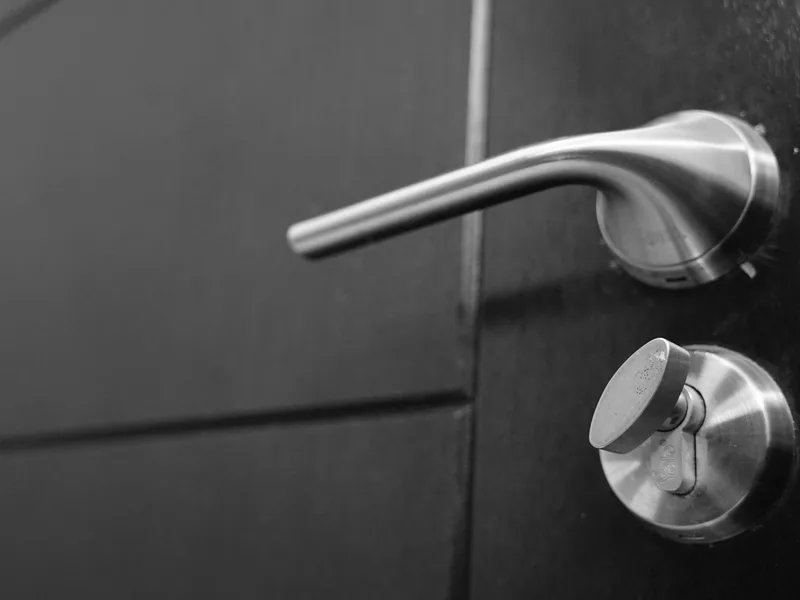
The touch points
Touch points in corridors, on handrails and shared door handles accumulate infection rapidly in high density apartment areas where hundreds pass daily.
Porous surfaces
Porous surfaces of concrete, mass concrete blocks and walls painted with cheap domestic paint absorb moisture and hold contamination deep in the surface.
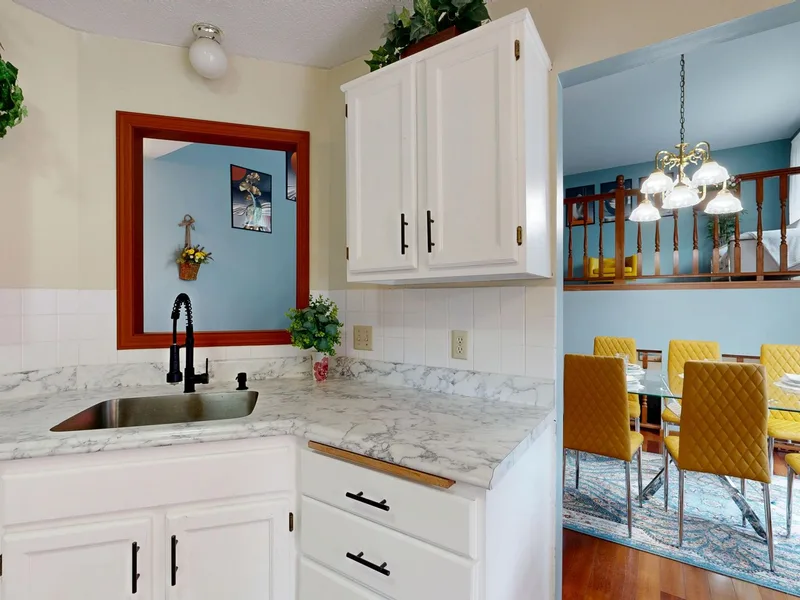
The finish itself
Interior paint in shared corridors is often old or poor quality; the disinfectant must be strong enough to work but not strip the existing finish.
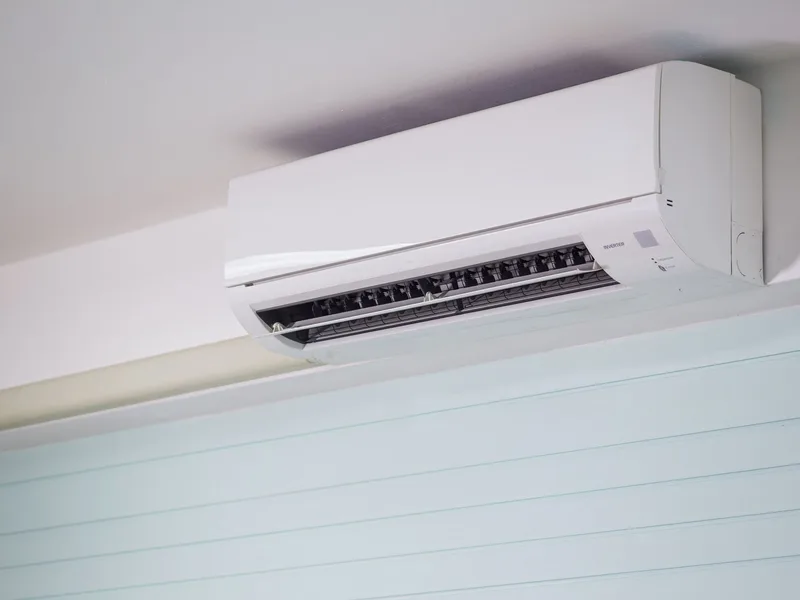
The air conditioning unit
Air conditioning units in blocks drain onto corridors and stairs, creating constant dripping moisture that is an ideal breeding ground for ongoing infection.
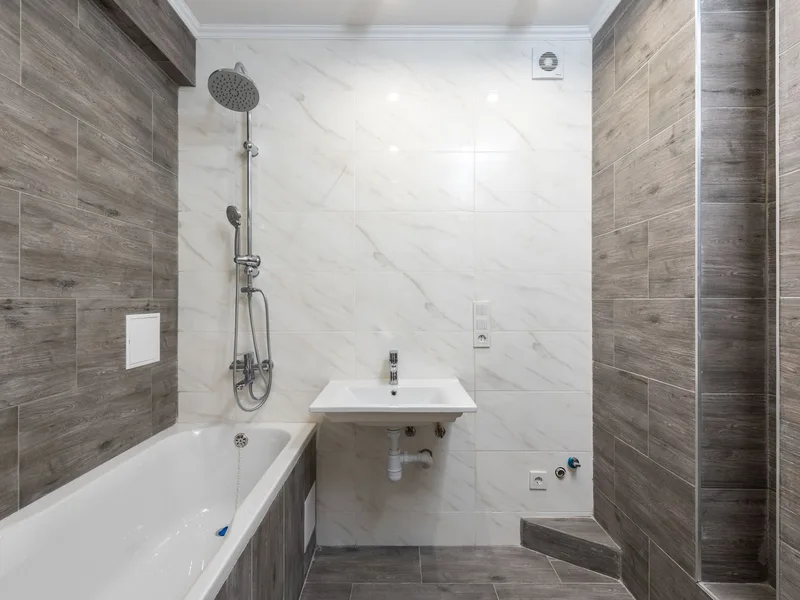
Floor traps
Floor traps in corridors and on stairs collect debris; seasonal moisture means strong odours return in cooler months unless traps are treated and kept clear.
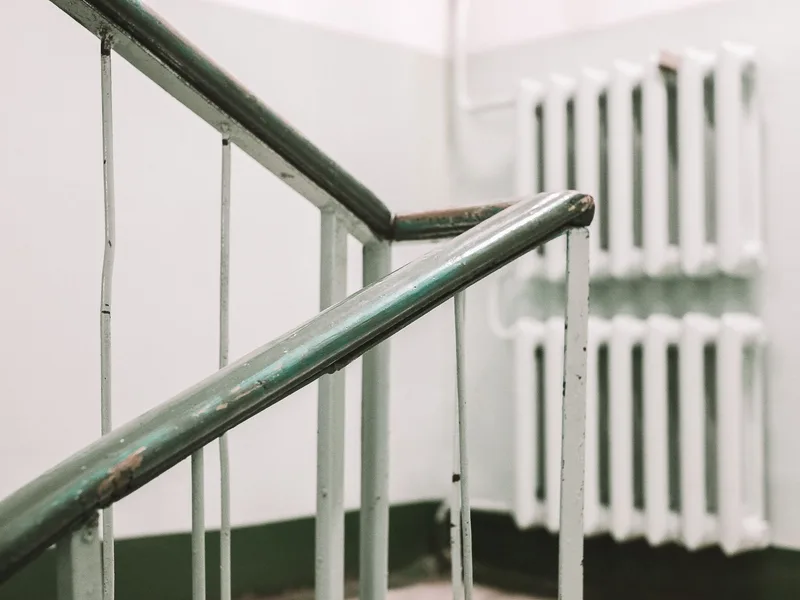
Shared entrances and stairs
Shared stairs may be narrow and the single entry point means every resident in the block passes the same spot dozens of times each day, creating a bottleneck for contamination.
How we work
-
1
Walk the space and list the surfaces
We go through the rooms and mark the touch points, the porous surfaces and the finishes, then ask what prompted the call: illness at home, moving into a new place, building work, or a smell that arrived out of nowhere.
-
2
Clean what we are about to treat
We take the film of dust and grease off the surfaces that are in scope, so the product reaches the surface itself. This is preparation for the treatment, not general house cleaning.
-
3
Apply it, and hold the contact time
Hand work on the touch points, a product matched to each surface, and the surface left visibly wet for as long as that material needs before it is dried off. Cold fogging comes last, for what a cloth cannot reach.
-
4
Ventilate and hand back
We open the place up, rinse food preparation surfaces with water, and tell you when each room goes back into use. We give you that timing on the call, because it changes with the product and the space.
What a disinfection visit includes
-

A surface and touch point survey
What gets treated, and with what, settled before anything is opened.
-

Soil off first, then the disinfectant
The greasy film comes off first, then a product that stays wet for the contact time it needs.
-

Floor traps and the air conditioning drain
Floor traps, sink outlets and the drain tray, which is where most smells actually begin.
-
Cold fogging for the space
For upward faces and corners a cloth never reaches, done as the last thing before we leave a room.
-

Ventilation and use instructions
What gets rinsed with water, what is left alone, and when each room goes back into use.
-

A scheduled repeat when it is needed
For shared entrances and places people pass through every day, because a disinfectant leaves nothing behind to stop the next contact.
The character of Al Harazat
Apartment district: residential blocks, repeated floors and shared entrances
Repeated apartment floors mean each building houses multiple family units and changing occupants, but the single shared entry becomes a central contamination point that needs regular treatment, not one off work, because the infection load rebuilds constantly from daily traffic.
Questions about this district
How does disinfecting a dense apartment block differ from disinfecting a villa area?
Dense apartment blocks need far more frequent treatment because contact points multiply and residents live closer together. Shared corridors and stairs carry a high daily load, and moisture persists longer in confined spaces. The infection pressure is constant, not seasonal.
Does the high humidity in Al Harazat make infection worse or harder to treat?
High humidity extends the life of pathogens on surfaces and allows them to survive better on wet materials. Closely spaced buildings and narrow streets block natural air flow. We select products designed to work in damp conditions and leave them wet long enough to penetrate the moisture.
How does old drainage network affect the disinfection work?
Poor drainage allows odours to return from underground, and bacteria breed in stagnant water under the buildings. We inspect the floor traps and drainage outlets carefully and treat them as part of the job, because that is often where the smell and the returning contamination originate.
How often should apartment blocks in areas like Al Harazat be disinfected?
Standard recommendation for apartment buildings is monthly on common areas, but in Al Harazat with higher density and worse humidity, we often advise more frequent treatment, especially of the corridors and shared stairs where contact is heaviest.
Do you disinfect inside the individual flats or just the common areas?
We typically focus on the common areas: entries, stairs and shared corridors. Treating individual flats is done by request and costs separately, but we can advise on a full building programme that includes both shared and private spaces.
Does disinfection eliminate the smell from the underground drainage?
Surface disinfection treats odours that come from touch surfaces, not from deep sewerage. We do treat the floor traps and drainage outlets where we can reach, and that is where most of the returning smell originates. Deep drainage cleaning is a separate specialist job.
How much does disinfection in Al Harazat cost?
It is set after the inspection, because the price follows the type of infestation, the size of the space, how far it has spread and the number of visits it needs. Send a photo and a description on WhatsApp and we will give you an estimate before we reach Al Harazat.
Nearby districts we cover
Other services in Al Harazat
Other services we provide to residents of Al Harazat.
-
 Residential
Cockroach control
Residential
Cockroach control
-
 Residential
Bed bug control
Residential
Bed bug control
-
 Residential
Termite control
Residential
Termite control
-
 Residential
Rodents and mice
Residential
Rodents and mice
-
 Residential
Mosquito control
Residential
Mosquito control
-
 Residential
Fly control
Residential
Fly control
-
 Residential
Ant control
Residential
Ant control
-
 Residential
Gecko control
Residential
Gecko control
-
 Residential
Scorpion control
Residential
Scorpion control
-
 Residential
Snake control
Residential
Snake control
-
 Residential
Flea control
Residential
Flea control
-
 Residential
Bird and pigeon control
Residential
Bird and pigeon control
-
 Residential
Preventive treatment
Residential
Preventive treatment
-
 Commercial
Annual contracts
Commercial
Annual contracts
-
 Commercial
Restaurants and cafes
Commercial
Restaurants and cafes
-
 Commercial
Hotels and apartments
Commercial
Hotels and apartments
-
 Commercial
Warehouses and factories
Commercial
Warehouses and factories
-
 Commercial
Schools and nurseries
Commercial
Schools and nurseries
-
 Commercial
Retail and malls
Commercial
Retail and malls
-
 Commercial
Rest houses and farms
Commercial
Rest houses and farms
-
 Commercial
Fumigation
Commercial
Fumigation
-
 Water tanks
Water tank cleaning
Water tanks
Water tank cleaning
-
 Water tanks
Water tank sterilization
Water tanks
Water tank sterilization
-
 Water tanks
Water tank sealing
Water tanks
Water tank sealing
-
 Water tanks
Tank leak repair
Water tanks
Tank leak repair
Need disinfection in Al Harazat? Tell us what you saw and we will tell you what it needs
We reach Al Harazat at a time we agree, and you get the full cost before we start.