
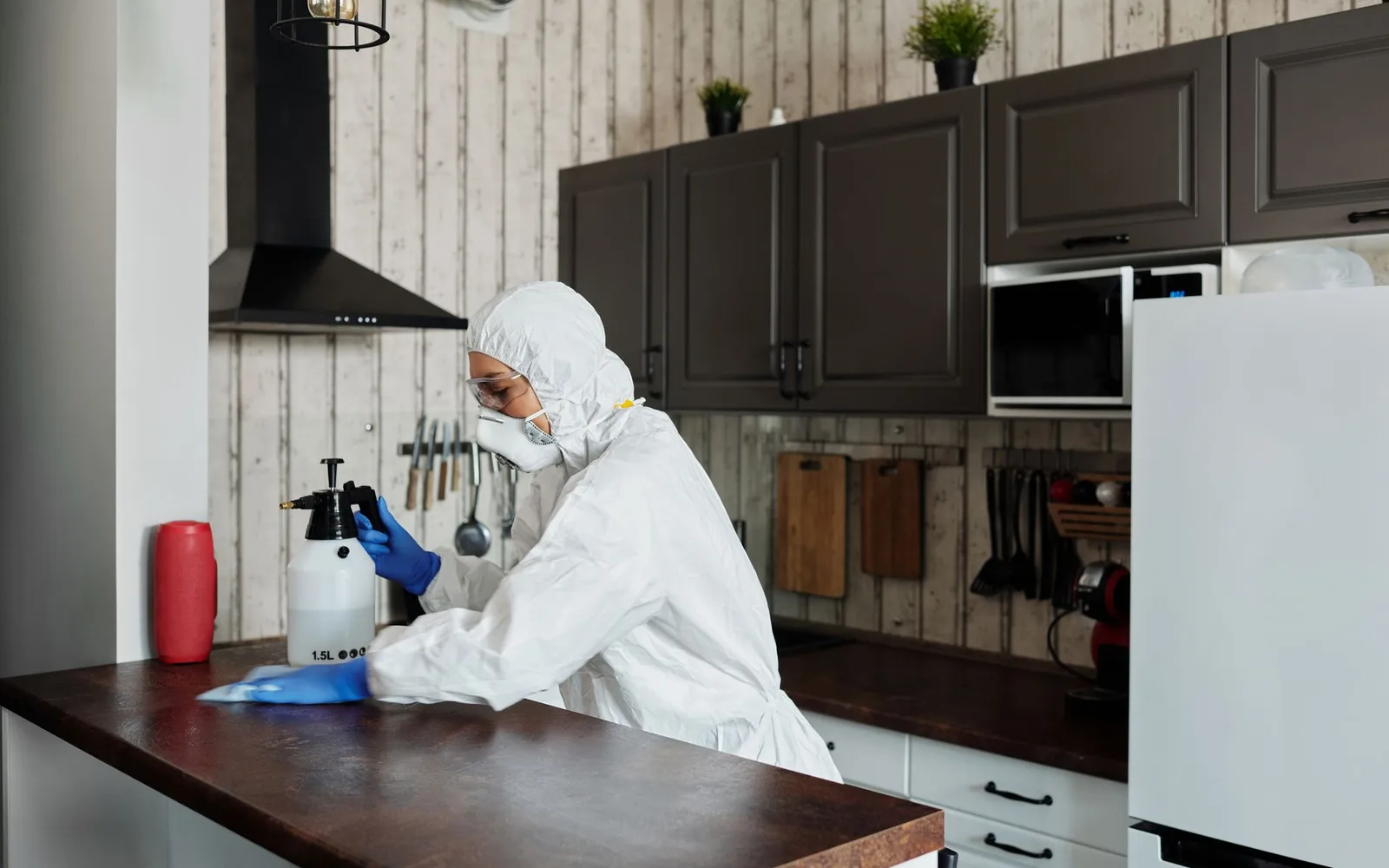
Disinfection for homes and businesses
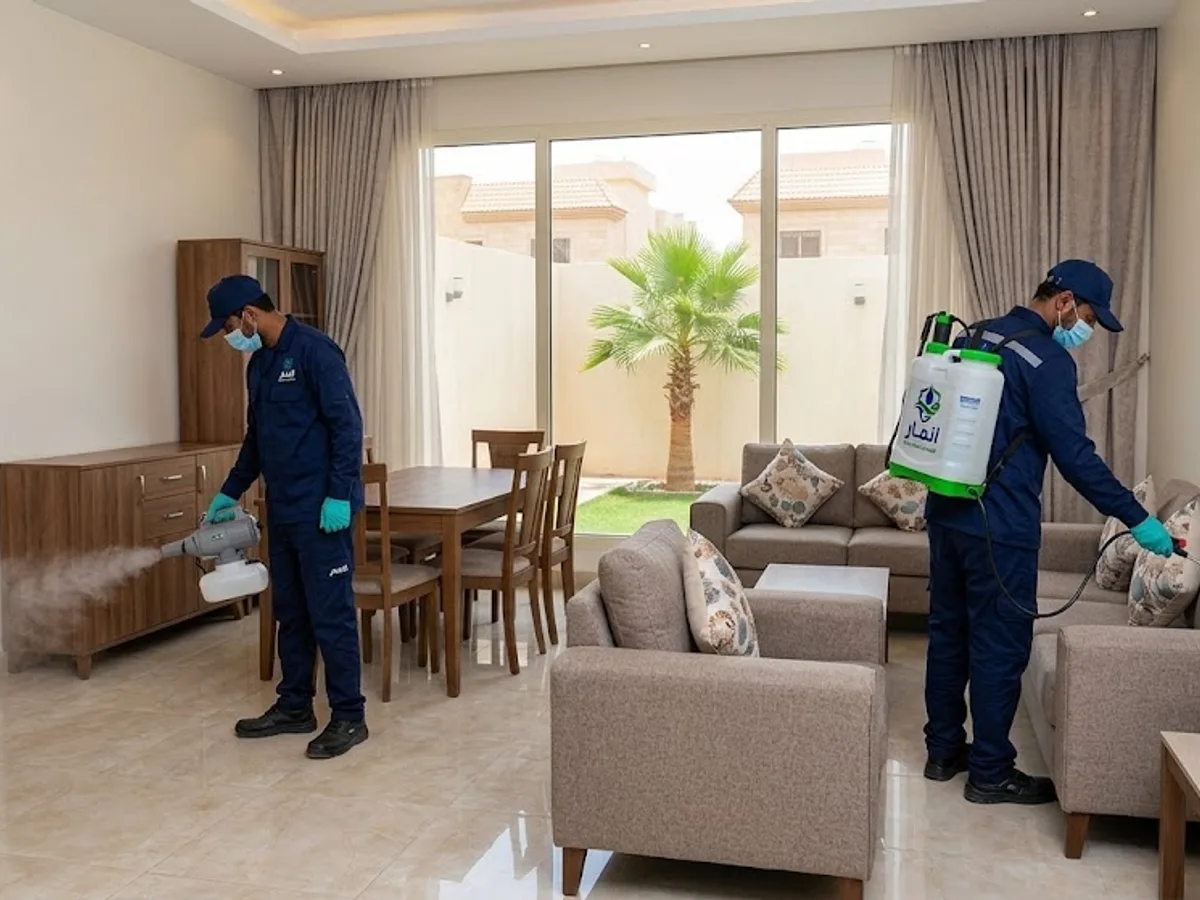
We list the surfaces and the touch points first, take the film off whatever we are treating so the product reaches the surface itself, then apply it and leave it wet for as long as it needs. Floor traps and the air conditioning drain are part of the job, because that is where a returning smell comes from, not the worktop.
-
Targeted, not broadcast
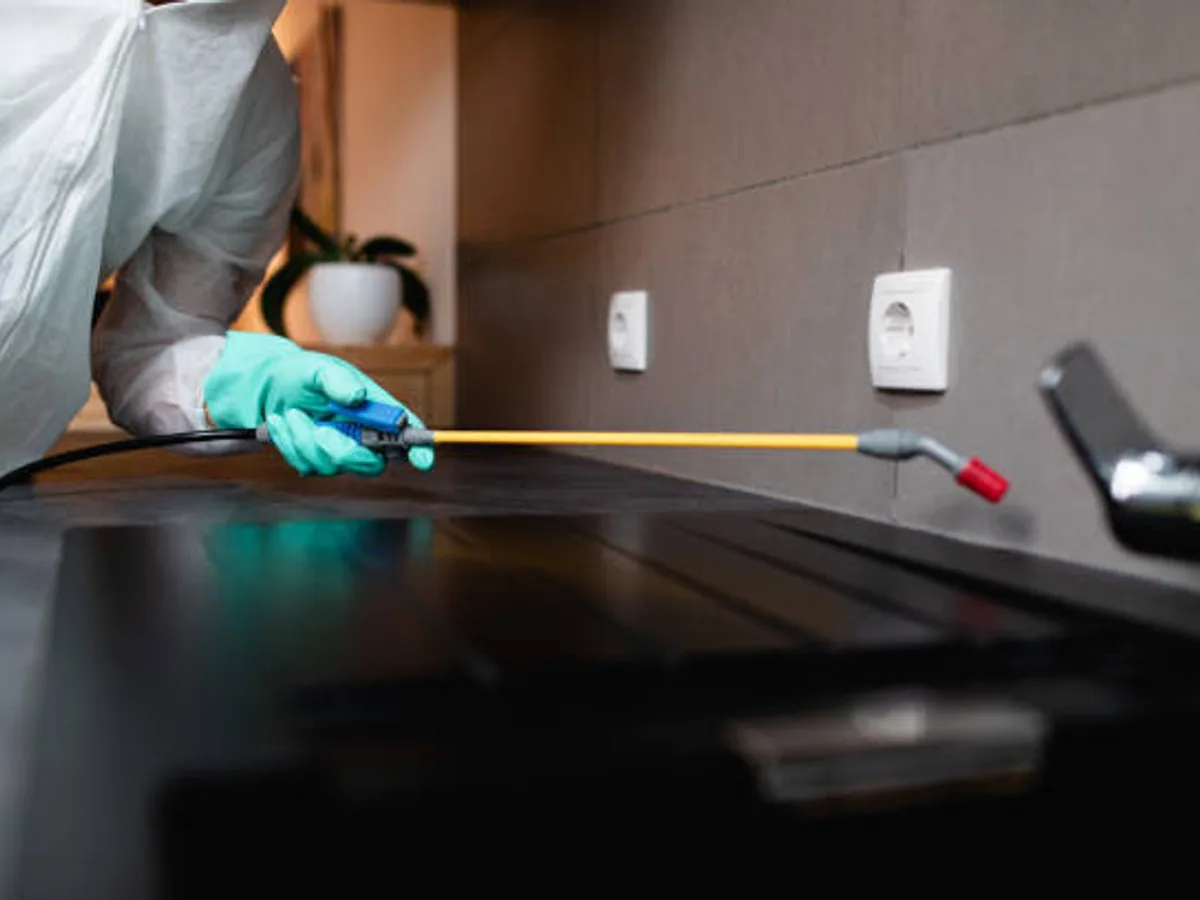
Product goes into cracks and runways, never sprayed across open surfaces.
-
Told before we start
What we will use, where it goes, and what to cover or move before we arrive.
-
A follow-up visit
We return after the first treatment, because what survives it does not show on the day.
-
Homes and businesses
Apartments and villas, and kitchens and stores that need a record of each visit.
Why a pass with a disinfectant does not hold
Three reasons, and between them they explain what happened last time.
A disinfectant does not work through a film
Every surface in use carries a thin film of dust and grease, and that is normal. The active is spent on the film before it touches the surface, so what you get is a wet surface and nothing else.
Drying it straight away cancels it
Every product has a contact time it needs to stay visibly wet for. Spray and wipe in one motion leaves a clean surface, not a disinfected one.
It is a moment, not a barrier
A disinfectant leaves nothing behind it, and recontamination starts with the next hand on the handle. That is why the touch points and the frequency matter more than covering every square metre once.
What we look at before the product is chosen
Six things we go over on the first walkthrough, and each one changes either the product or the method.
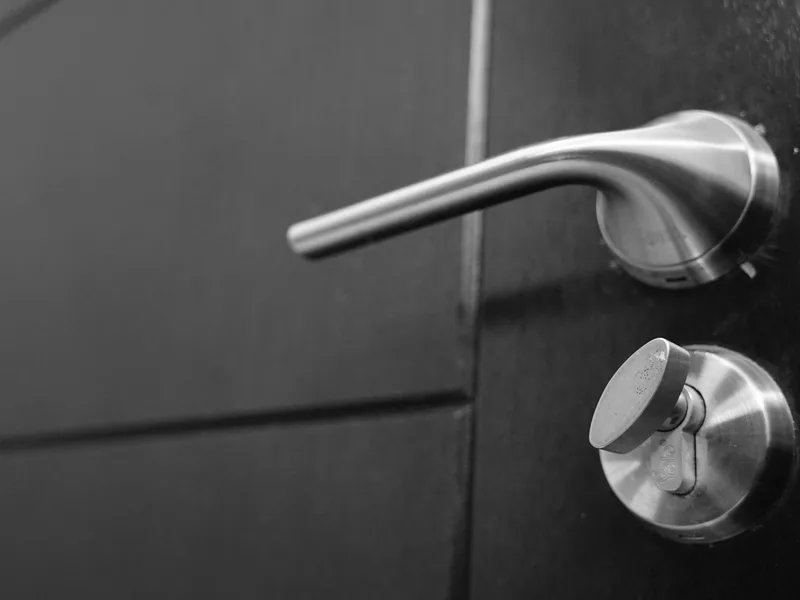
The touch points
Handles, switches and taps are the real route between people, and they get hand work, because fogging does not reach them properly.
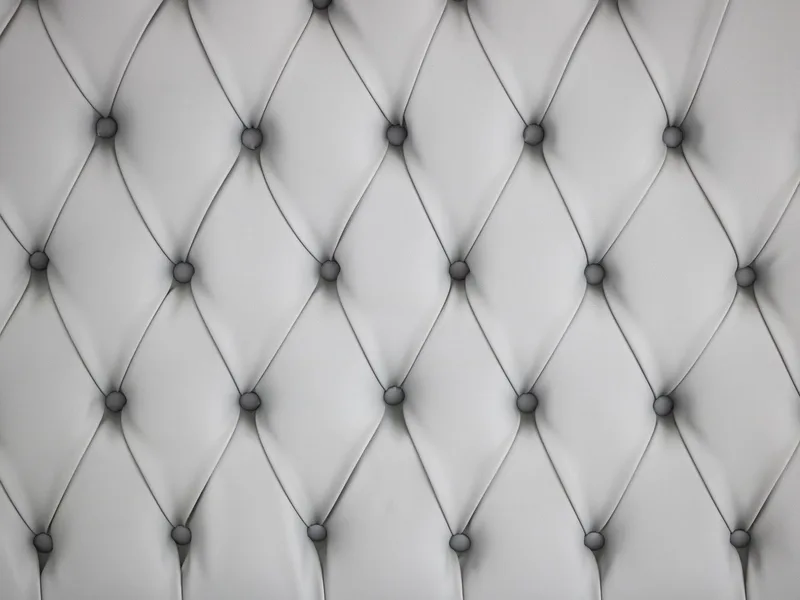
Porous surfaces
Fabric, mattresses and rugs pull the product in instead of holding it on top, so they need a textile safe material and drying time.
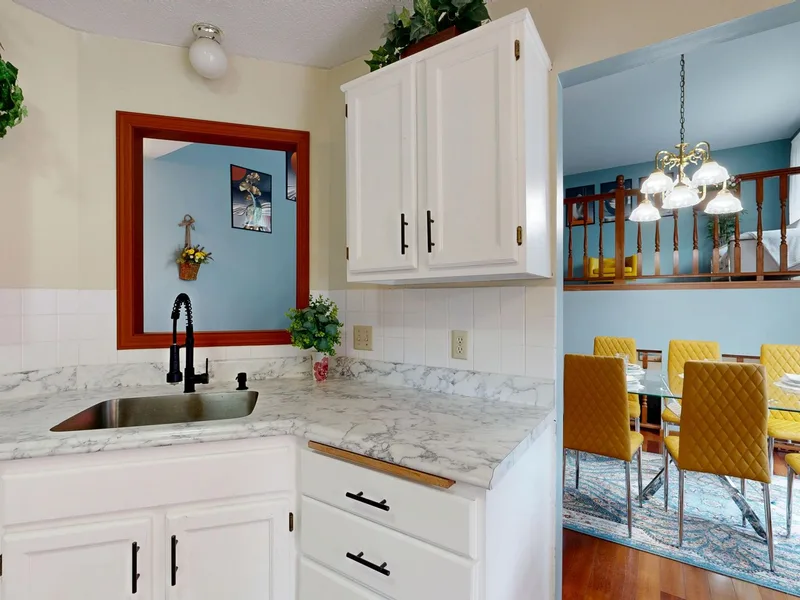
The finish itself
Marble, natural stone and aluminium take badly to chlorine products, so we ask about the finish before anything is opened.
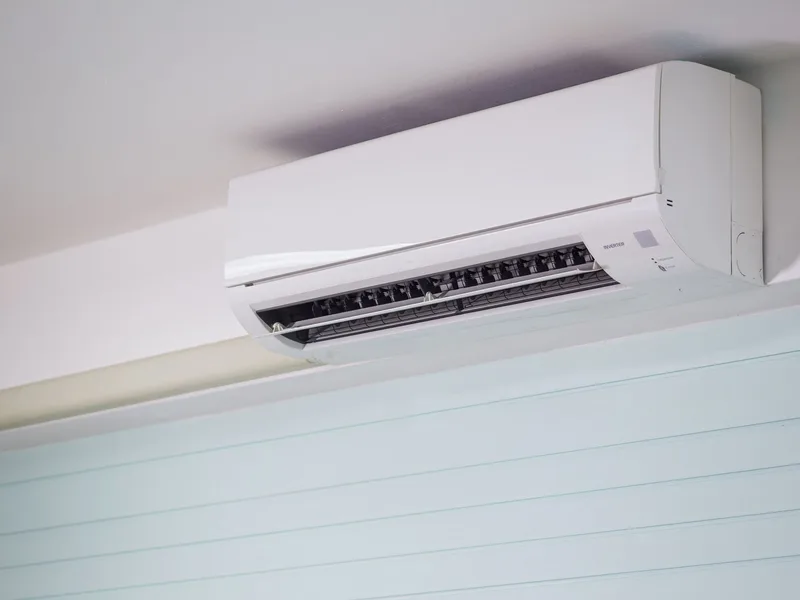
The air conditioning unit
The filter and the drain tray stay damp right through the summer, and treating the room while leaving the unit brings the smell back within days.
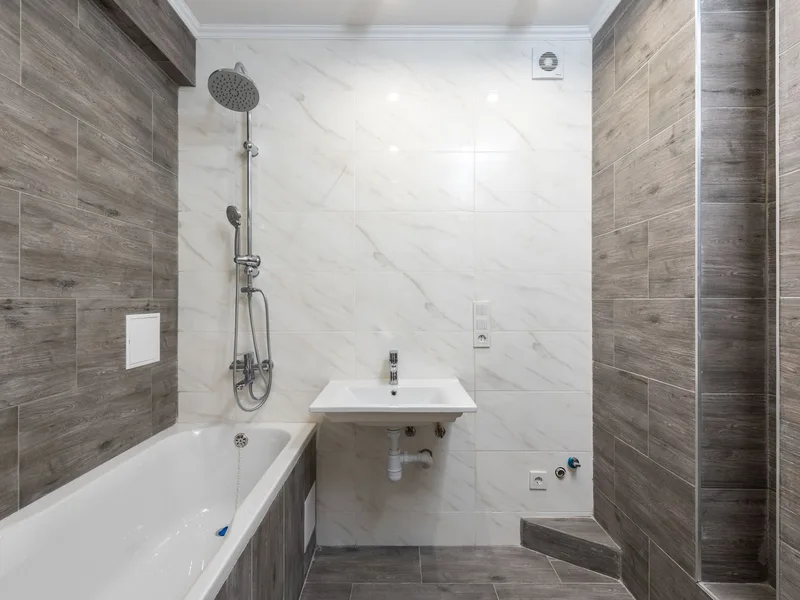
Floor traps
When the water in a trap dries out, drain air comes straight back up into the room, and that is a plumbing smell no amount of surface work will fix.
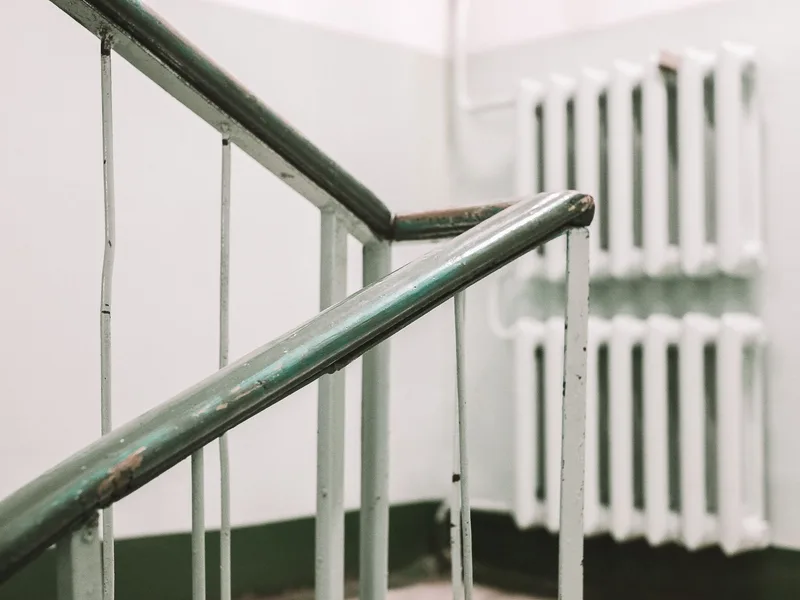
Shared entrances and stairs
Handrails, lift buttons and the entrance door are touched dozens of times a day, and they are the first route back into a flat.
How the visit runs
Four steps, and the order is what does the work.
-
1
Walk the space and list the surfaces
We go through the rooms and mark the touch points, the porous surfaces and the finishes, then ask what prompted the call: illness at home, moving into a new place, building work, or a smell that arrived out of nowhere.
-
2
Clean what we are about to treat
We take the film of dust and grease off the surfaces that are in scope, so the product reaches the surface itself. This is preparation for the treatment, not general house cleaning.
-
3
Apply it, and hold the contact time
Hand work on the touch points, a product matched to each surface, and the surface left visibly wet for as long as that material needs before it is dried off. Cold fogging comes last, for what a cloth cannot reach.
-
4
Ventilate and hand back
We open the place up, rinse food preparation surfaces with water, and tell you when each room goes back into use. We give you that timing on the call, because it changes with the product and the space.
What a disinfection visit includes
-

A surface and touch point survey
What gets treated, and with what, settled before anything is opened.
-

Soil off first, then the disinfectant
The greasy film comes off first, then a product that stays wet for the contact time it needs.
-

Floor traps and the air conditioning drain
Floor traps, sink outlets and the drain tray, which is where most smells actually begin.
-
Cold fogging for the space
For upward faces and corners a cloth never reaches, done as the last thing before we leave a room.
-

Ventilation and use instructions
What gets rinsed with water, what is left alone, and when each room goes back into use.
-

A scheduled repeat when it is needed
For shared entrances and places people pass through every day, because a disinfectant leaves nothing behind to stop the next contact.
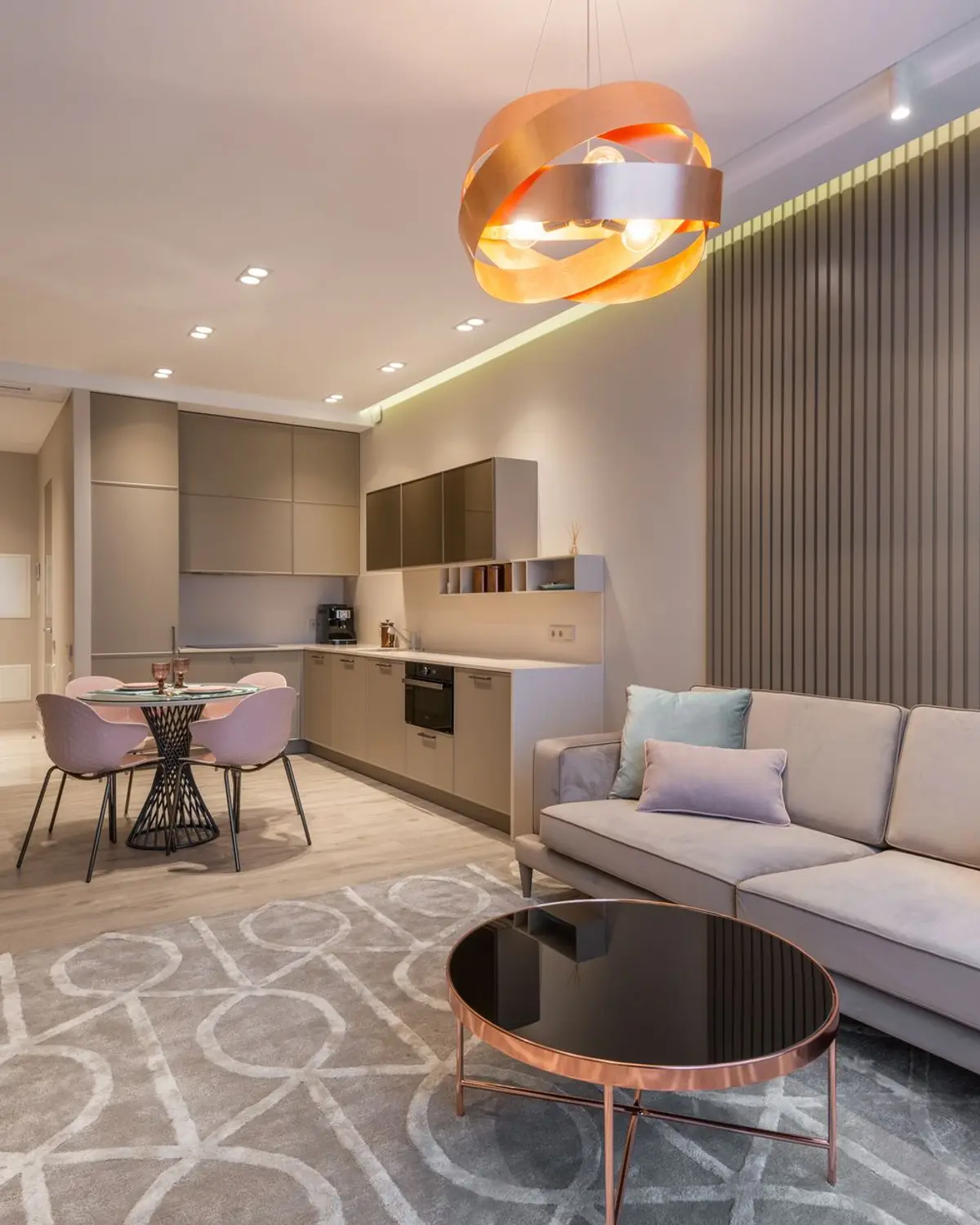
Exactly where the product goes
-
1
Inside joints, not on surfaces
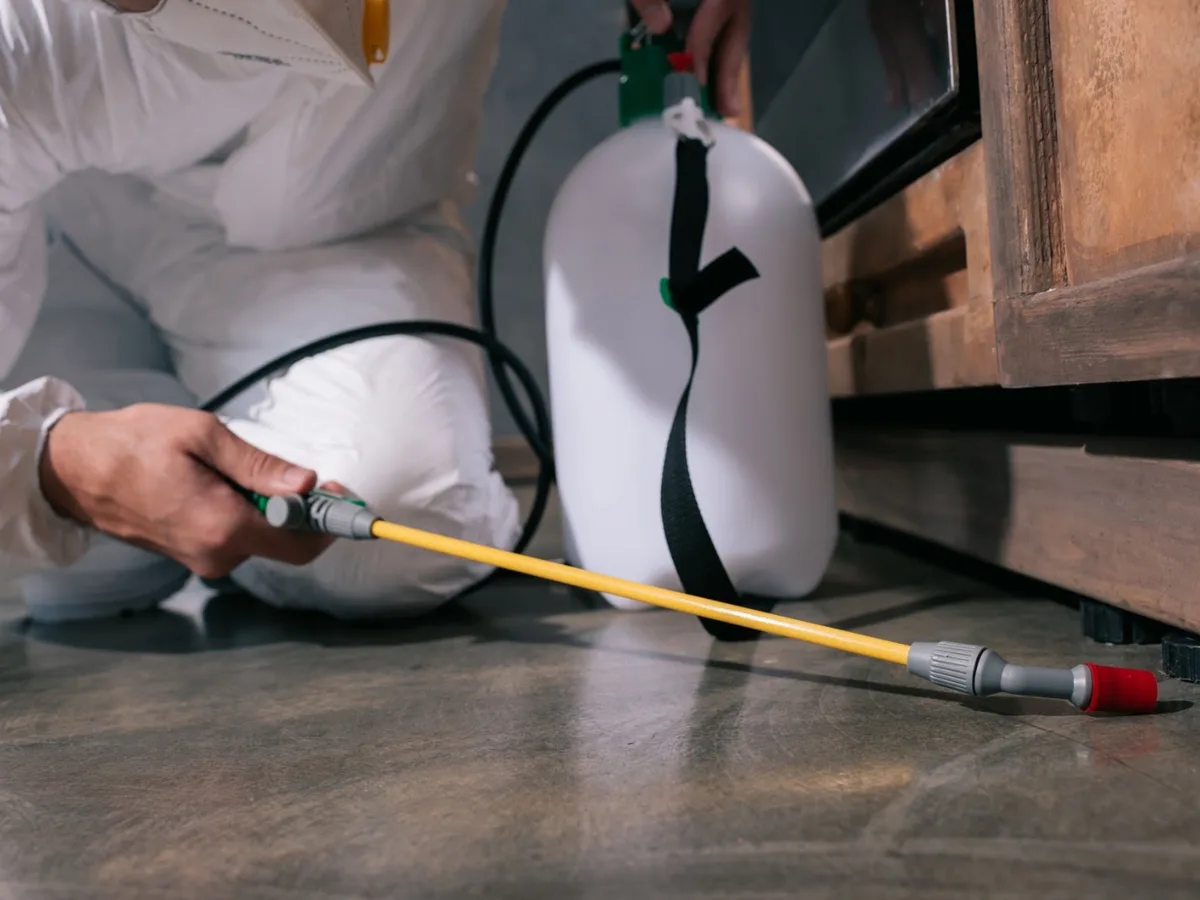
Bait goes into a cabinet joint or a gap behind an appliance, in dots the size of a match head, in places no hand reaches and nothing touches in ordinary use.
-
2
Away from where food is
Nothing is sprayed on preparation surfaces, inside food cupboards, or across open floor in living rooms and bedrooms.
-
3
A little preparation first
Cover dishes, move water bowls. We give you the ventilation time for your treatment on the call, rather than a general number printed on a page.
-
4
Tell us the exceptions
Asthma, an allergy or a pregnancy in the home changes the product choice and the order of the visit. It is a change we make often and it does not delay the appointment.
Our work
What customers say on Google
We had a cockroach problem, and after the treatment, praise God, the cockroaches have largely gone. Their work is tidy and they are respectful to deal with. I recommend them.
Translated from the Arabic original.
Excellent and courteous service, and the bed bugs were cleared from the house completely. I recommend them, God willing.
Translated from the Arabic original.
Excellent to deal with, very good service, and they explain. The staff explain how each product is used, completely honestly.
Translated from the Arabic original.
We cover Jeddah and Makkah
Every district has its own page for this service. Tap yours.
Common questions
What is the difference between cleaning and disinfection?
Cleaning takes away soil and grease. Disinfection acts on the micro-organisms left once it is gone, and neither one replaces the other. The order is not optional either: a disinfectant laid over a film of dust is spent before it ever reaches the surface. We clean the surfaces that are in scope as preparation for the treatment, but we do not offer general house cleaning.
Is it safe around children, pets and food surfaces?
The product is chosen for the surface and for the room, and in spaces in daily use we work by targeted wiping rather than broadcast spraying. Toys and pet bowls are lifted before we start, and food preparation surfaces are rinsed with water once the contact time is finished.
When can the rooms be used again?
It depends on the material, and on whether we fogged the room or kept to targeted wiping. The size of the space and the ventilation come into it as well. We give you the timing on the phone before the visit and repeat it when we arrive, and we do not print a fixed number here because it genuinely differs case to case. What you can set up before we get there is in whether pesticides are safe around children.
Does disinfection stop it coming back, and why did the smell return?
Disinfection is a point in time and leaves no residual behind it, so a surface is back in service from the next touch. That is why we work the touch points and suggest a repeat rather than covering every square metre once. If the smell came back within days, the source is usually not a surface at all: a floor trap whose water seal has dried out, an air conditioning drain tray, or damp sitting behind a finish. Where a place takes people through it every day, a schedule beats a single visit, and that is what Annual contracts covers.
Does disinfection deal with insects or rodents?
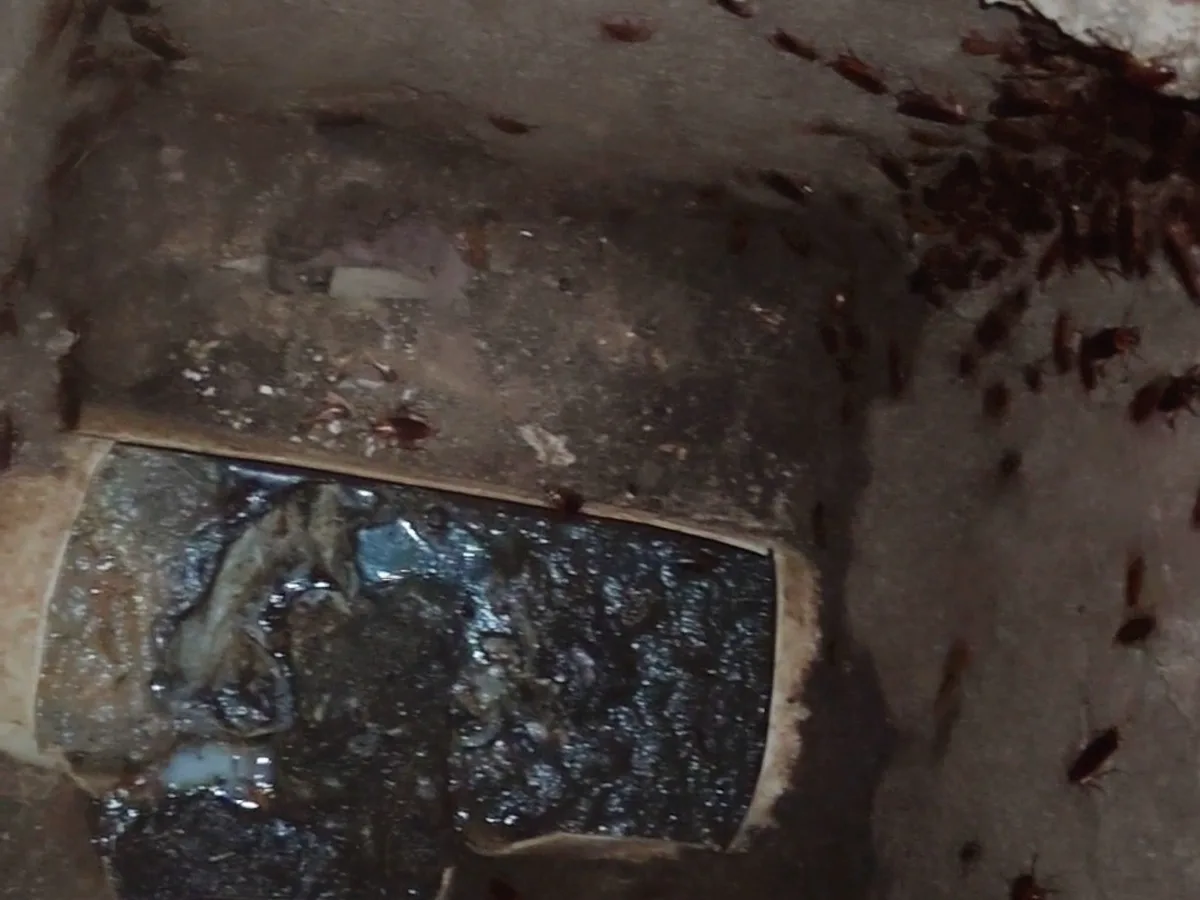
No. Different product, different target: a disinfectant acts on micro-organisms sitting on a surface and does nothing to a cockroach harbourage or a rodent run. Where a place needs both, the control work goes first and the disinfection follows it. See Cockroach control or Rodents and mice. Rodent droppings in particular are never swept dry, they are wetted with disinfectant first and then lifted.
Does this cover the water tank?
No. A tank is a separate job with its own order: drain it, lift the sediment off the floor of it, wash it down under high pressure, and sterilise last. Treating the surfaces inside a flat does nothing to water standing in a tank, so if the smell or the taste is in the water itself, start at Water tank cleaning and then Water tank sterilization.
What does a disinfection visit cost?
It is set after the inspection, because the figure follows the number of rooms, how many surfaces are in scope, the finishes involved, whether the place needs fogging or targeted wiping alone, and whether it is one visit or a repeating schedule. Send us the size of the place and a description of what you want treated on WhatsApp, and we will give you an estimate before we come out.
Other services
Scroll to see the rest of what we do.
-
 Residential
Cockroach control
Residential
Cockroach control
-
 Residential
Bed bug control
Residential
Bed bug control
-
 Residential
Termite control
Residential
Termite control
-
 Residential
Rodents and mice
Residential
Rodents and mice
-
 Residential
Mosquito control
Residential
Mosquito control
-
 Residential
Fly control
Residential
Fly control
-
 Residential
Ant control
Residential
Ant control
-
 Residential
Gecko control
Residential
Gecko control
-
 Residential
Scorpion control
Residential
Scorpion control
-
 Residential
Snake control
Residential
Snake control
-
 Residential
Flea control
Residential
Flea control
-
 Residential
Bird and pigeon control
Residential
Bird and pigeon control
-
 Residential
Preventive treatment
Residential
Preventive treatment
-
 Commercial
Annual contracts
Commercial
Annual contracts
-
 Commercial
Restaurants and cafes
Commercial
Restaurants and cafes
-
 Commercial
Hotels and apartments
Commercial
Hotels and apartments
-
 Commercial
Warehouses and factories
Commercial
Warehouses and factories
-
 Commercial
Schools and nurseries
Commercial
Schools and nurseries
-
 Commercial
Retail and malls
Commercial
Retail and malls
-
 Commercial
Rest houses and farms
Commercial
Rest houses and farms
-
 Commercial
Fumigation
Commercial
Fumigation
-
 Water tanks
Water tank cleaning
Water tanks
Water tank cleaning
-
 Water tanks
Water tank sterilization
Water tanks
Water tank sterilization
-
 Water tanks
Water tank sealing
Water tanks
Water tank sealing
-
 Water tanks
Tank leak repair
Water tanks
Tank leak repair
Need disinfection? Describe what you saw and we will tell you what it needs
A short call is enough. We tell you what we can see and the full cost before we start, and you decide after that.