
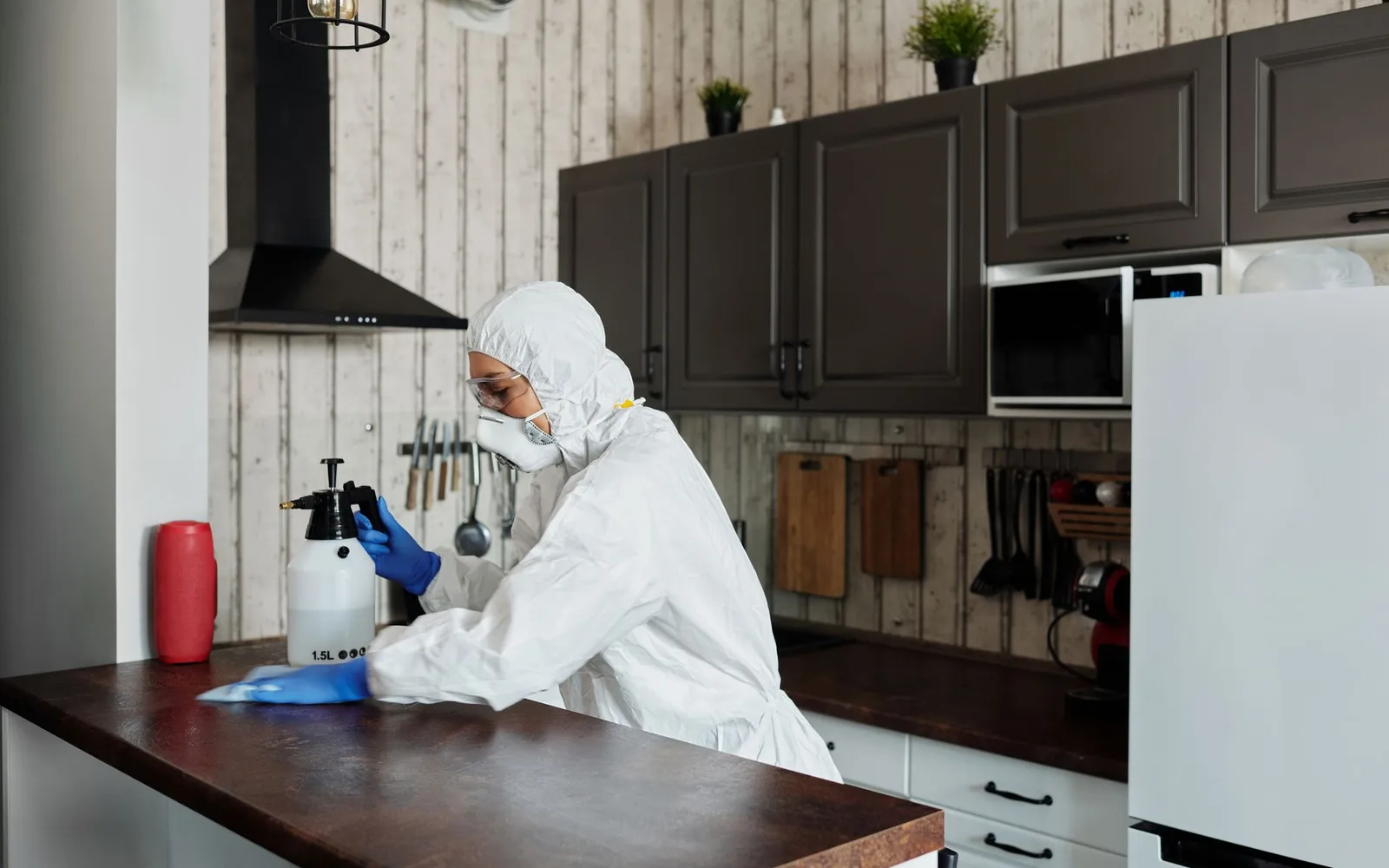
Disinfection in Al Quzayn Jeddah
Al Quzayn is an old coastal settlement at the southernmost edge of Jeddah on the southern corniche, where high humidity and salt air persist through the year and penetrate everything. Disinfectant must be formulated specially to withstand the coastal environment. A nearby iron factory and sewage treatment works multiply the contamination sources and the pest load.
-
Targeted, not broadcast
Product goes into cracks and runways, never sprayed across open surfaces.
-
Told before we start
What we will use, where it goes, and what to cover or move before we arrive.
-
A follow-up visit
We return after the first treatment, because what survives it does not show on the day.
-
Homes and businesses
Apartments and villas, and kitchens and stores that need a record of each visit.
Why they keep coming back in Al Quzayn
Salt and humidity accelerate the return of smells after disinfection, and the coastal environment creates ideal breeding conditions for mosquitoes and salt-resistant insects that thrive in wet air. The method is set out in full on how we approach Disinfection.
Salt and humidity cut disinfectant potency
The coastal environment in Al Quzayn means salt-laden air and high humidity that penetrate everything and reduce how long the disinfectant stays active. The product reacts with salt and moisture rapidly, so we select a formulation that lasts longer in these conditions and recommend more frequent applications than inland districts to maintain protection.
Smells return quickly from damp and salt
Salt and humidity are not the direct source of odours, but they speed organic decay and the dampness provides ideal breeding conditions for bacteria and fungi that produce smells. We concentrate on the air conditioning drain and floor traps and the damp spaces much more intensively here than elsewhere.
The factory and treatment plant widen the pest sources
The steel mill and sewage treatment works nearby create a rich environment for insects, pests and odours. This means disinfection alone does not solve the long-term problem; treatment must repeat regularly and entry points and gaps facing the industrial area need special focus to slow reinvasion from neighbouring sites.
Landmarks of Al Quzayn
Al Quzayn stretches along the Southern Corniche and Abna Al Sayyid Street, and access to the homes via Al Seef Beach and the seaside rest houses provides clear reference points for organising the work across this old coastal settlement.
- Southern Corniche
- King Faisal Road
- Abna Al Sayyid Street
- Al Seef Beach
What we look at before the product is chosen
An old coastal district bordered by a steel mill and a sewage treatment plant, with Al Seef Beach and seaside rest houses providing continuous damp conditions year-round.
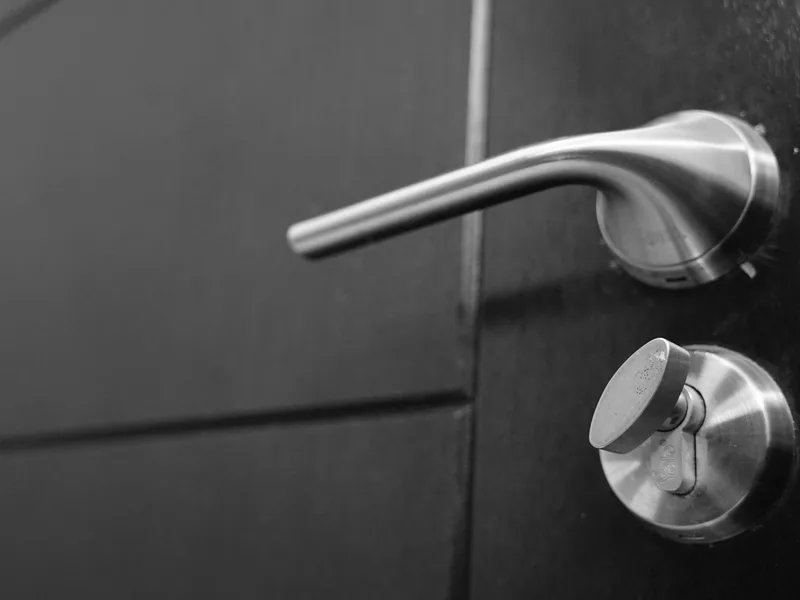
The touch points
High touch surfaces on the corniche accumulate salt and moisture rapidly, so we concentrate on areas near doors and windows and handles with much more frequent treatment to limit reinfestation.
Porous surfaces
Porous surfaces such as stone and plaster in coastal homes absorb moisture and salt easily and need deep cleaning before disinfection to remove accumulated salt deposits that interfere with the product.
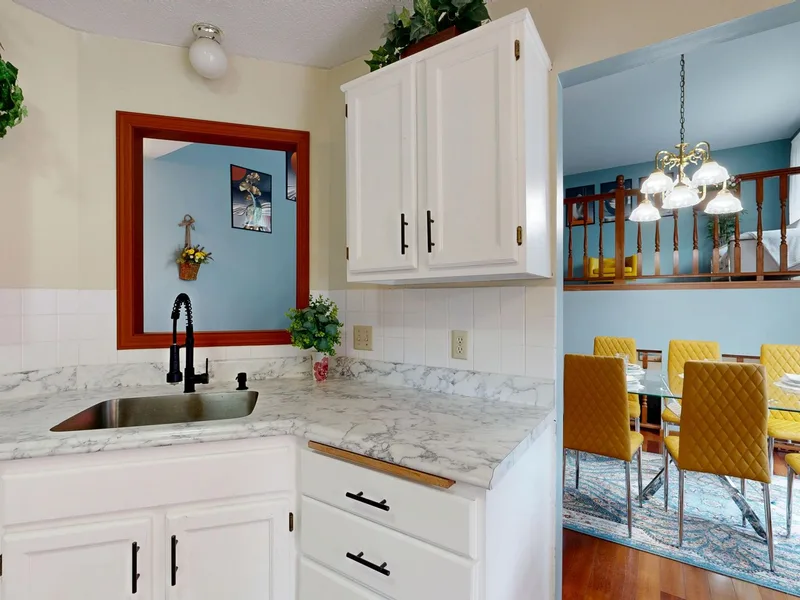
The finish itself
Finishes in old seaside homes vary and some show signs of damage from salt and humidity, so we select a disinfectant that does not harm aged paint and timber structures further.
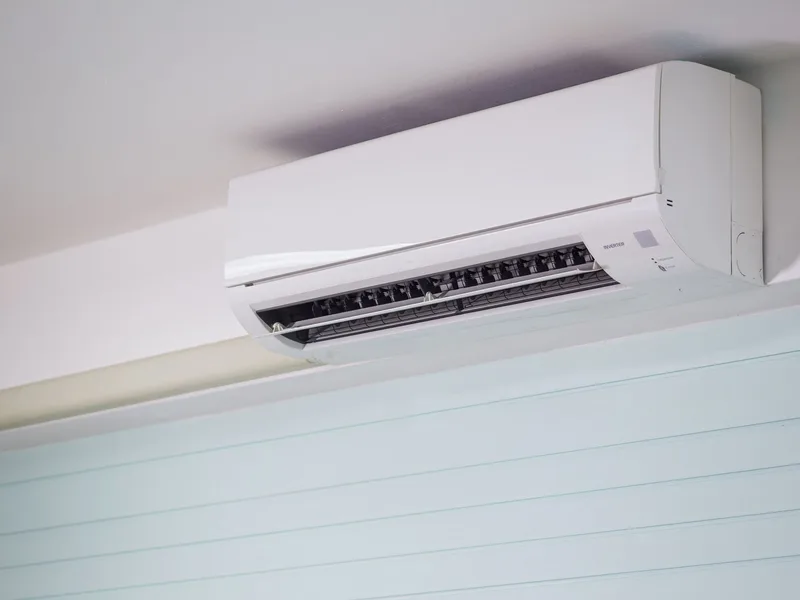
The air conditioning unit
Air conditioning units on the corniche discharge much more water due to high humidity, and the drainage water may carry insects and larvae, so we clean and disinfect the drain lines thoroughly.
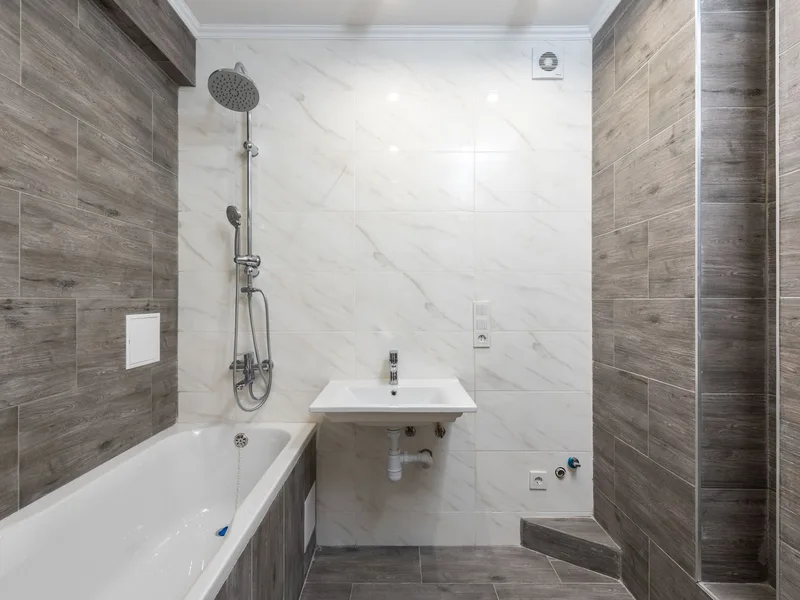
Floor traps
Floor traps in coastal homes accumulate moisture and salt and are a major source of foul smells and salt-resistant insects, so we treat them with particular care and attention every time.
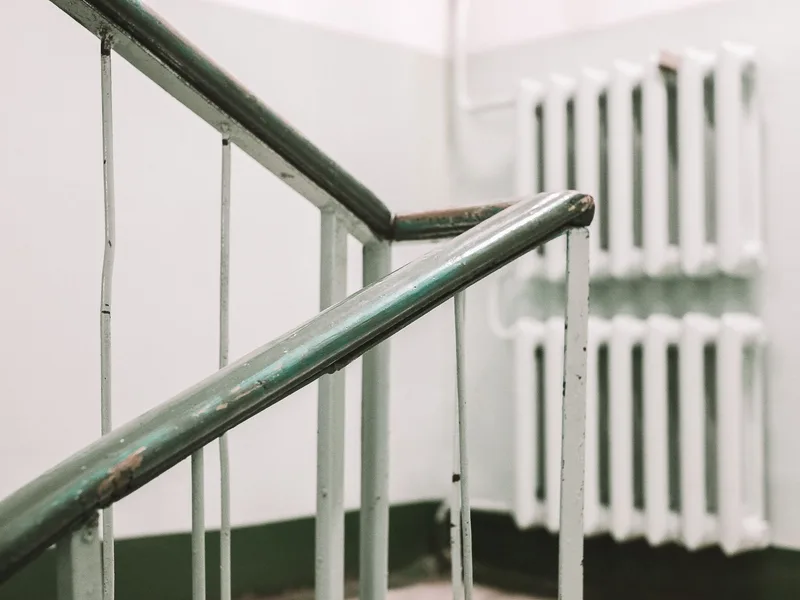
Shared entrances and stairs
Shared entrances and stairs in old apartment blocks on the corniche face salt air directly, so we focus treatment on these open or semi-open areas with extra intensity.
How we work
-
1
Walk the space and list the surfaces
We go through the rooms and mark the touch points, the porous surfaces and the finishes, then ask what prompted the call: illness at home, moving into a new place, building work, or a smell that arrived out of nowhere.
-
2
Clean what we are about to treat
We take the film of dust and grease off the surfaces that are in scope, so the product reaches the surface itself. This is preparation for the treatment, not general house cleaning.
-
3
Apply it, and hold the contact time
Hand work on the touch points, a product matched to each surface, and the surface left visibly wet for as long as that material needs before it is dried off. Cold fogging comes last, for what a cloth cannot reach.
-
4
Ventilate and hand back
We open the place up, rinse food preparation surfaces with water, and tell you when each room goes back into use. We give you that timing on the call, because it changes with the product and the space.
What a disinfection visit includes
-

A surface and touch point survey
What gets treated, and with what, settled before anything is opened.
-

Soil off first, then the disinfectant
The greasy film comes off first, then a product that stays wet for the contact time it needs.
-

Floor traps and the air conditioning drain
Floor traps, sink outlets and the drain tray, which is where most smells actually begin.
-
Cold fogging for the space
For upward faces and corners a cloth never reaches, done as the last thing before we leave a room.
-

Ventilation and use instructions
What gets rinsed with water, what is left alone, and when each room goes back into use.
-

A scheduled repeat when it is needed
For shared entrances and places people pass through every day, because a disinfectant leaves nothing behind to stop the next contact.
What is different about South Sub-Municipality
The South sub municipality runs from the edge of Old Makkah Road down to Al Khumrah and the southern corniche. Dense residential districts sit beside new subdivisions such as Al Sanabil and Al Taawun, warehouse fringes such as Al Saruriyah and Al Sarawat, and an old seaside settlement at Al Quzayn. Open stormwater channels cross the housing, and the warehouses, the vegetable and livestock markets and the nearby Islamic Port and Industrial City give pests shelter, food and year round humidity. Pressure is greatest in the older quarters, where drainage networks are ageing.
Questions about this district
Does sea salt and humidity really reduce how well the disinfectant works?
Yes, salt and humidity shorten how long the disinfectant stays active. We therefore select a formulation that lasts longer and recommend more frequent applications compared to inland districts, perhaps every two months instead of every three months.
Why do bad smells return so quickly on the corniche?
High humidity provides ideal breeding conditions for bacteria and fungi that produce smells. We treat floor traps and damp areas deeply because smells originate there, not from dry surfaces. The drain of the air conditioning unit also needs special attention.
Is treating seaside rest houses different from residential homes?
Yes, open rest houses near the beach need different treatment. They have better ventilation but face salt air and sea moisture much more directly, so we focus on external protection and windows and doors where salt ingress is highest.
Is the air conditioning drain more important in a coastal setting?
Much more important here than anywhere else. High humidity increases the volume of water the unit drains, and that water may carry insects and larvae. We treat the drainage line with special care every time disinfection takes place.
Does salt interfere with the disinfectant right after it is applied?
Yes, salt reduces how well the disinfectant works and how long it stays active. We therefore recommend more frequent applications and we clean surfaces of salt and dust thoroughly before application so the product reaches the surface itself.
How often should a home on the southern corniche be disinfected?
We recommend disinfection every two to three months in Al Quzayn instead of every three to four months in inland districts. The coastal environment and salt air speed the return of insects and odours significantly.
How much does disinfection in Al Quzayn cost?
It is set after the inspection, because the price follows the type of infestation, the size of the space, how far it has spread and the number of visits it needs. Send a photo and a description on WhatsApp and we will give you an estimate before we reach Al Quzayn.
Nearby districts we cover
Other services in Al Quzayn
Other services we provide to residents of Al Quzayn.
-
 Residential
Cockroach control
Residential
Cockroach control
-
 Residential
Bed bug control
Residential
Bed bug control
-
 Residential
Termite control
Residential
Termite control
-
 Residential
Rodents and mice
Residential
Rodents and mice
-
 Residential
Mosquito control
Residential
Mosquito control
-
 Residential
Fly control
Residential
Fly control
-
 Residential
Ant control
Residential
Ant control
-
 Residential
Gecko control
Residential
Gecko control
-
 Residential
Scorpion control
Residential
Scorpion control
-
 Residential
Snake control
Residential
Snake control
-
 Residential
Flea control
Residential
Flea control
-
 Residential
Bird and pigeon control
Residential
Bird and pigeon control
-
 Residential
Preventive treatment
Residential
Preventive treatment
-
 Commercial
Annual contracts
Commercial
Annual contracts
-
 Commercial
Restaurants and cafes
Commercial
Restaurants and cafes
-
 Commercial
Hotels and apartments
Commercial
Hotels and apartments
-
 Commercial
Warehouses and factories
Commercial
Warehouses and factories
-
 Commercial
Schools and nurseries
Commercial
Schools and nurseries
-
 Commercial
Retail and malls
Commercial
Retail and malls
-
 Commercial
Rest houses and farms
Commercial
Rest houses and farms
-
 Commercial
Fumigation
Commercial
Fumigation
-
 Water tanks
Water tank cleaning
Water tanks
Water tank cleaning
-
 Water tanks
Water tank sterilization
Water tanks
Water tank sterilization
-
 Water tanks
Water tank sealing
Water tanks
Water tank sealing
-
 Water tanks
Tank leak repair
Water tanks
Tank leak repair
Need disinfection in Al Quzayn? Tell us what you saw and we will tell you what it needs
We reach Al Quzayn at a time we agree, and you get the full cost before we start.