
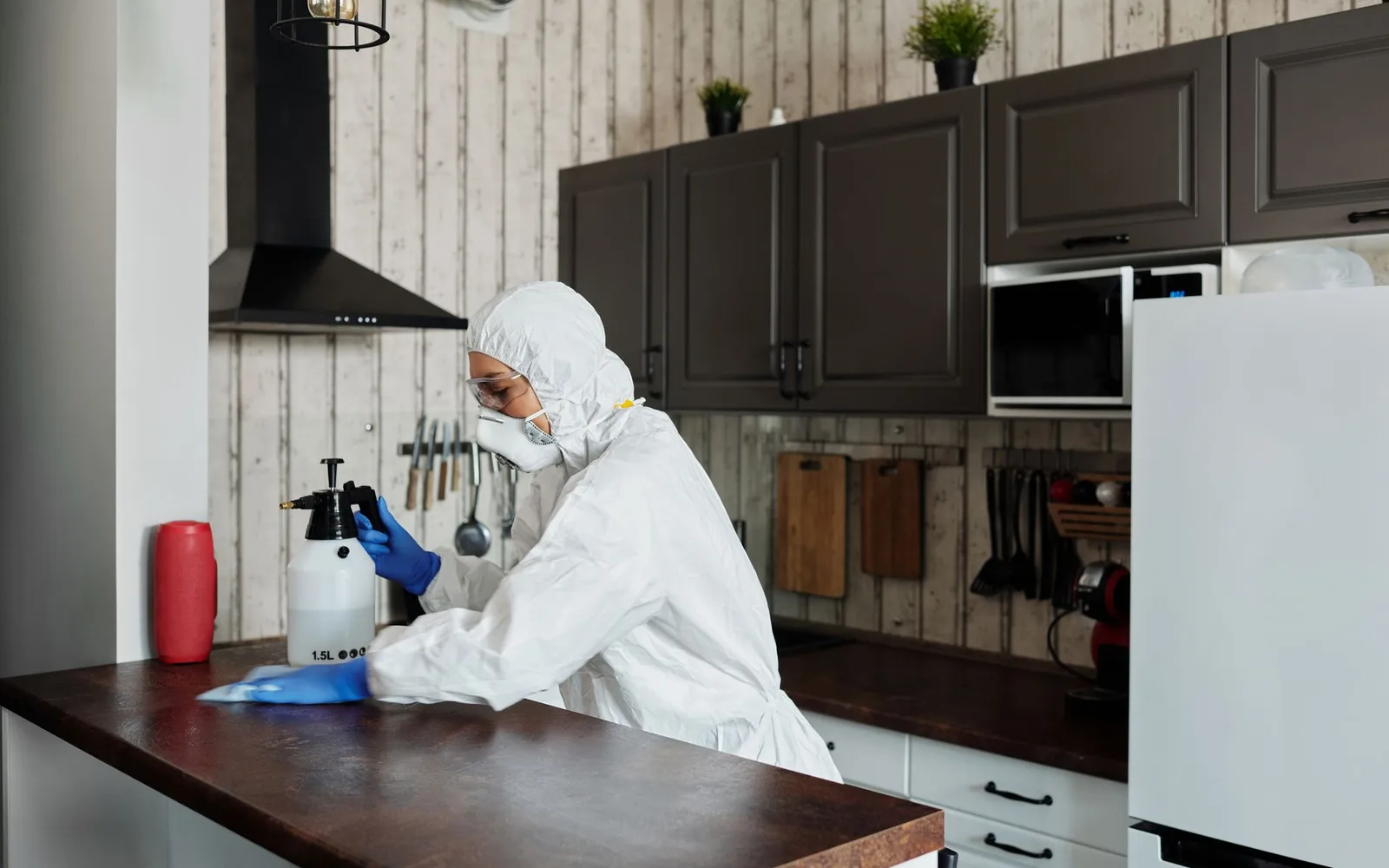
Disinfection in Al Rabwah Jeddah
Al Rabwah is an established older district between King Fahd Road and Hira Street, where villas and apartment blocks sit above commercial shops and restaurants. Plumbing and drainage lines are decades old and leak continuously, the population density is high, and this sustains an endless cycle of cockroaches, ants and rodents.
-
Targeted, not broadcast
Product goes into cracks and runways, never sprayed across open surfaces.
-
Told before we start
What we will use, where it goes, and what to cover or move before we arrive.
-
A follow-up visit
We return after the first treatment, because what survives it does not show on the day.
-
Homes and businesses
Apartments and villas, and kitchens and stores that need a record of each visit.
Why they keep coming back in Al Rabwah
Furnished flats on Sari Street hold second hand furniture and irregular humidity levels, becoming ideal breeding grounds for cockroaches before new tenants arrive to occupy them. The method is set out in full on Disinfection in detail.
Ageing pipes leak slowly but continuously, sustaining insect populations
Water and sewer lines decades old leak steadily and slowly, keeping spaces beneath floors and inside walls constantly damp. Cockroaches and rodents live in this perpetual moisture and breed rapidly. We concentrate on treating these voids and deep floor cracks where they hide.
Tightly packed older buildings let insects move freely between homes
Gaps between closely spaced villas and flats allow pests to move from one home to the next without pause. If one house is disinfected but neighbours are not, insects return swiftly from the adjoining property. We focus on shared entrances, cracks around pipes and gaps between walls.
Furnished flats receive second hand furniture carrying cockroach eggs
Old used furniture moved into furnished flats may carry dormant cockroach eggs and other pests inside seams and joints. We disinfect spaces between and under furniture, cracks in timber floors, and the lower edges of cupboards and storage.
Al Rabwah on the map
Al Rabwah sits about 1.5 km from Al Bawadi and about 3 km from Al Marwah.
Open in Google MapsWhat we look at before the product is chosen
The age of the district means water and sewer pipes from past decades, gaps between buildings are deep and floor seals are imperfect, allowing insects to move freely between villas and flats and across properties.
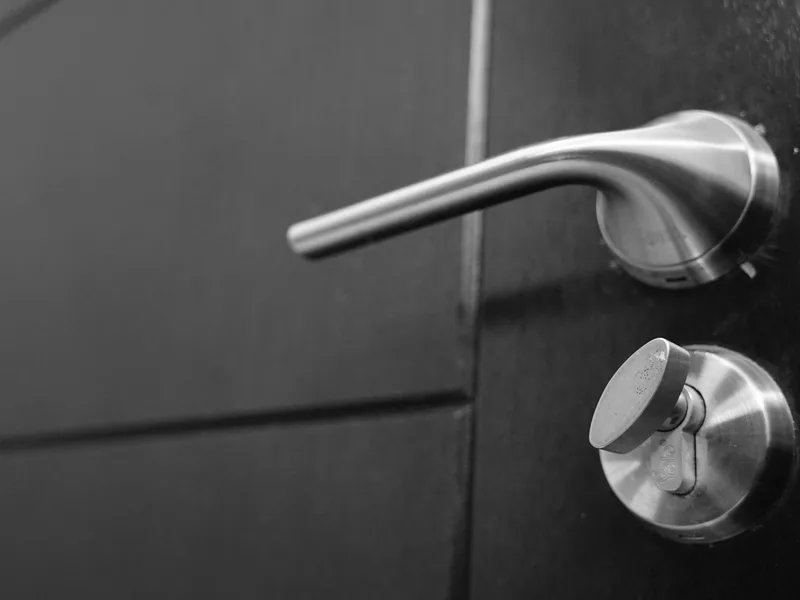
The touch points
Bathroom and kitchen drains, shared windows between flats, and water vents are main insect routes, so we treat these first with concentrated disinfectant that penetrates deep cracks.
Porous surfaces
Old timber surfaces and wooden floors have absorbed moisture for decades and become natural insect incubators. We use disinfectants formulated for timber and leave them wet longer to reach depth.
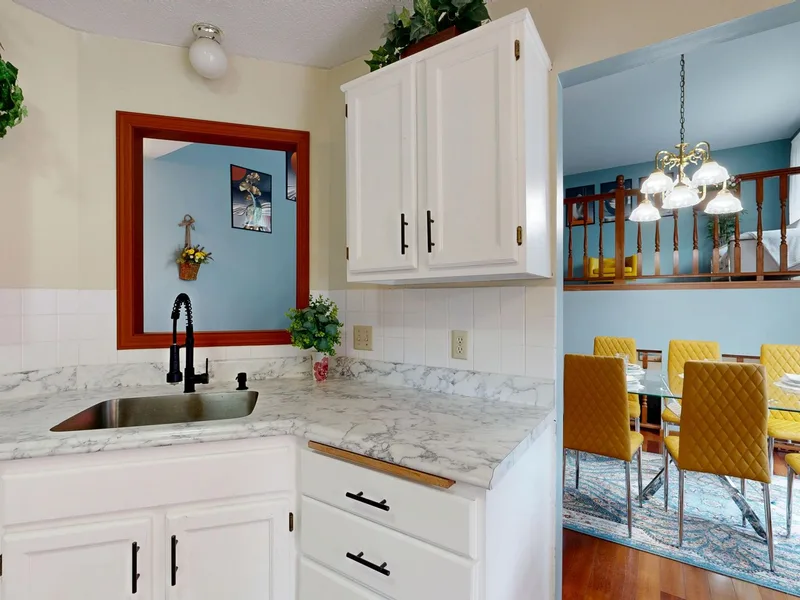
The finish itself
Light coloured walls and floors may show disinfectant marks, so we choose lower concentrations or clear formulations, while ensuring they stay wet for the full contact time needed.
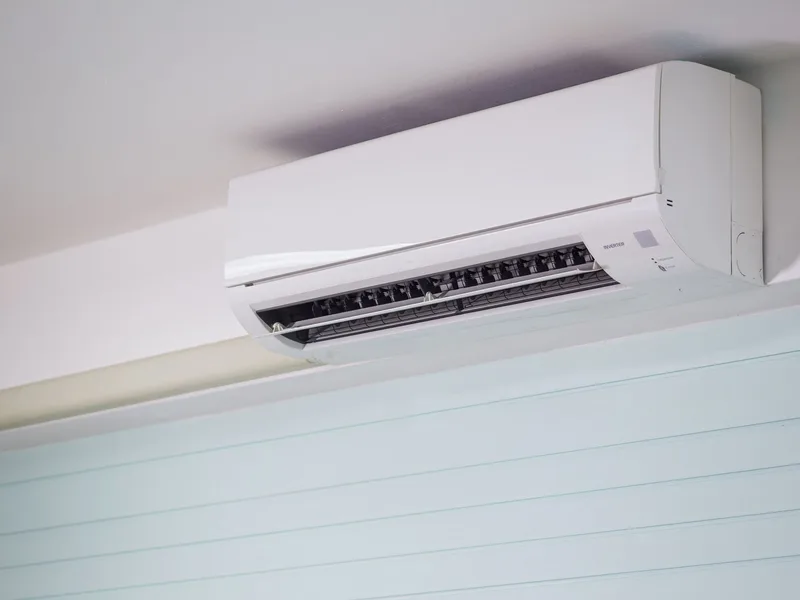
The air conditioning unit
Old air conditioning units have filters clogged with decades of dust and moisture. We replace filters before disinfection, treat drain lines carefully, and run the AC afterward to dry out interior cavities.
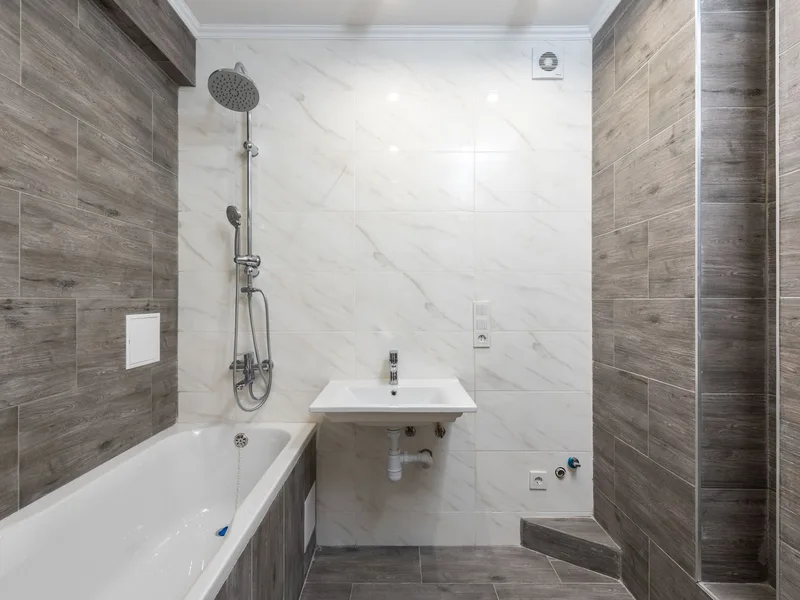
Floor traps
Floor traps in bathrooms and kitchens may be blocked by old debris and hold standing water deep inside. We flush with boiling water, baking soda and strong disinfectant to break through blockages.
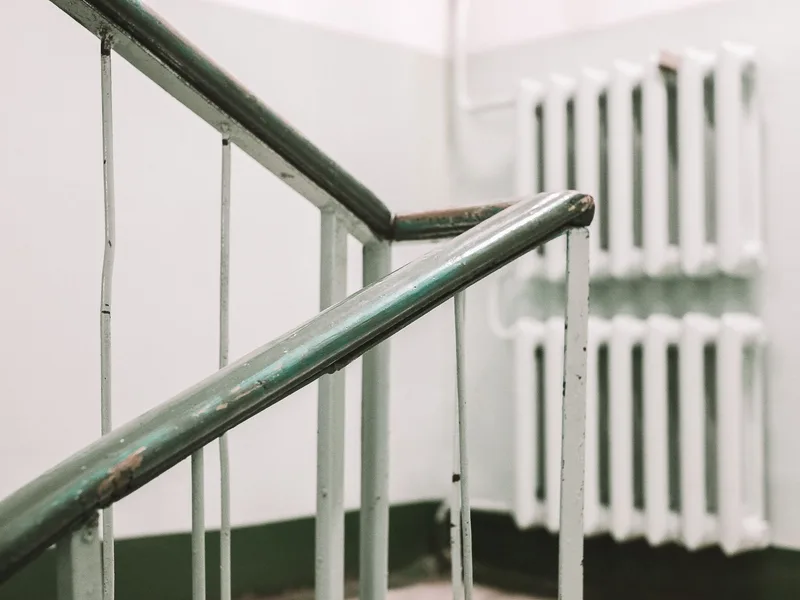
Shared entrances and stairs
Shared entrances and stairs between flats have never been disinfected together, so they are a common space collecting pests from every flat. We deep clean first, then treat every surface and corner.
How we work
-
1
Walk the space and list the surfaces
We go through the rooms and mark the touch points, the porous surfaces and the finishes, then ask what prompted the call: illness at home, moving into a new place, building work, or a smell that arrived out of nowhere.
-
2
Clean what we are about to treat
We take the film of dust and grease off the surfaces that are in scope, so the product reaches the surface itself. This is preparation for the treatment, not general house cleaning.
-
3
Apply it, and hold the contact time
Hand work on the touch points, a product matched to each surface, and the surface left visibly wet for as long as that material needs before it is dried off. Cold fogging comes last, for what a cloth cannot reach.
-
4
Ventilate and hand back
We open the place up, rinse food preparation surfaces with water, and tell you when each room goes back into use. We give you that timing on the call, because it changes with the product and the space.
What a disinfection visit includes
-

A surface and touch point survey
What gets treated, and with what, settled before anything is opened.
-

Soil off first, then the disinfectant
The greasy film comes off first, then a product that stays wet for the contact time it needs.
-

Floor traps and the air conditioning drain
Floor traps, sink outlets and the drain tray, which is where most smells actually begin.
-
Cold fogging for the space
For upward faces and corners a cloth never reaches, done as the last thing before we leave a room.
-

Ventilation and use instructions
What gets rinsed with water, what is left alone, and when each room goes back into use.
-

A scheduled repeat when it is needed
For shared entrances and places people pass through every day, because a disinfectant leaves nothing behind to stop the next contact.
The character of Al Rabwah
Mixed district: shops at street level with homes above them
Homes filled with rotating tenants and owners, furnished with old second hand pieces, create continuous pressure from insects because each new arrival may carry dormant eggs hidden in baggage and furniture seams. Disinfection requires more frequent visits and focus on all shared touch points.
Questions about this district
Do old leaking pipes mean homes here need more frequent disinfection?
Yes, significantly. Continuous leaking maintains damp spaces under floors, creating ideal conditions for cockroaches and rodents. We disinfect every two to three months in these older homes.
How do we treat the gaps between tightly packed old buildings?
We use disinfectants that spray onto external floors and tight gaps between structures, and recommend sealing large gaps with flexible sealant around pipes and utilities.
Should newly arrived second hand furniture be treated before we move it in?
Yes, ideally disinfect the furniture outside before bringing it in, or disinfect the entire flat after furniture placement and allow the disinfectant to dry completely.
Is disinfection alone enough or must the pipes be repaired first?
Disinfection kills current pests, but repairing leaks is essential to prevent swift return. Repair leaks first, then disinfect the affected voids.
How many times must a furnished flat be disinfected before a new tenant moves in?
Twice minimum: once before furniture arrives, and again after the space is fully set up and before the first tenant takes occupation.
If neighbours do not disinfect, how fast do insects return to our flat?
Very fast, pests move easily from an untreated nearby home. You may need to coordinate with neighbours on joint disinfection, or repeat treatment every six weeks instead of three months.
How much does disinfection in Al Rabwah cost?
It is set after the inspection, because the price follows the type of infestation, the size of the space, how far it has spread and the number of visits it needs. Send a photo and a description on WhatsApp and we will give you an estimate before we reach Al Rabwah.
Nearby districts we cover
Other services in Al Rabwah
Other services we provide to residents of Al Rabwah.
-
 Residential
Cockroach control
Residential
Cockroach control
-
 Residential
Bed bug control
Residential
Bed bug control
-
 Residential
Termite control
Residential
Termite control
-
 Residential
Rodents and mice
Residential
Rodents and mice
-
 Residential
Mosquito control
Residential
Mosquito control
-
 Residential
Fly control
Residential
Fly control
-
 Residential
Ant control
Residential
Ant control
-
 Residential
Gecko control
Residential
Gecko control
-
 Residential
Scorpion control
Residential
Scorpion control
-
 Residential
Snake control
Residential
Snake control
-
 Residential
Flea control
Residential
Flea control
-
 Residential
Bird and pigeon control
Residential
Bird and pigeon control
-
 Residential
Preventive treatment
Residential
Preventive treatment
-
 Commercial
Annual contracts
Commercial
Annual contracts
-
 Commercial
Restaurants and cafes
Commercial
Restaurants and cafes
-
 Commercial
Hotels and apartments
Commercial
Hotels and apartments
-
 Commercial
Warehouses and factories
Commercial
Warehouses and factories
-
 Commercial
Schools and nurseries
Commercial
Schools and nurseries
-
 Commercial
Retail and malls
Commercial
Retail and malls
-
 Commercial
Rest houses and farms
Commercial
Rest houses and farms
-
 Commercial
Fumigation
Commercial
Fumigation
-
 Water tanks
Water tank cleaning
Water tanks
Water tank cleaning
-
 Water tanks
Water tank sterilization
Water tanks
Water tank sterilization
-
 Water tanks
Water tank sealing
Water tanks
Water tank sealing
-
 Water tanks
Tank leak repair
Water tanks
Tank leak repair
Need disinfection in Al Rabwah? Tell us what you saw and we will tell you what it needs
We reach Al Rabwah at a time we agree, and you get the full cost before we start.