
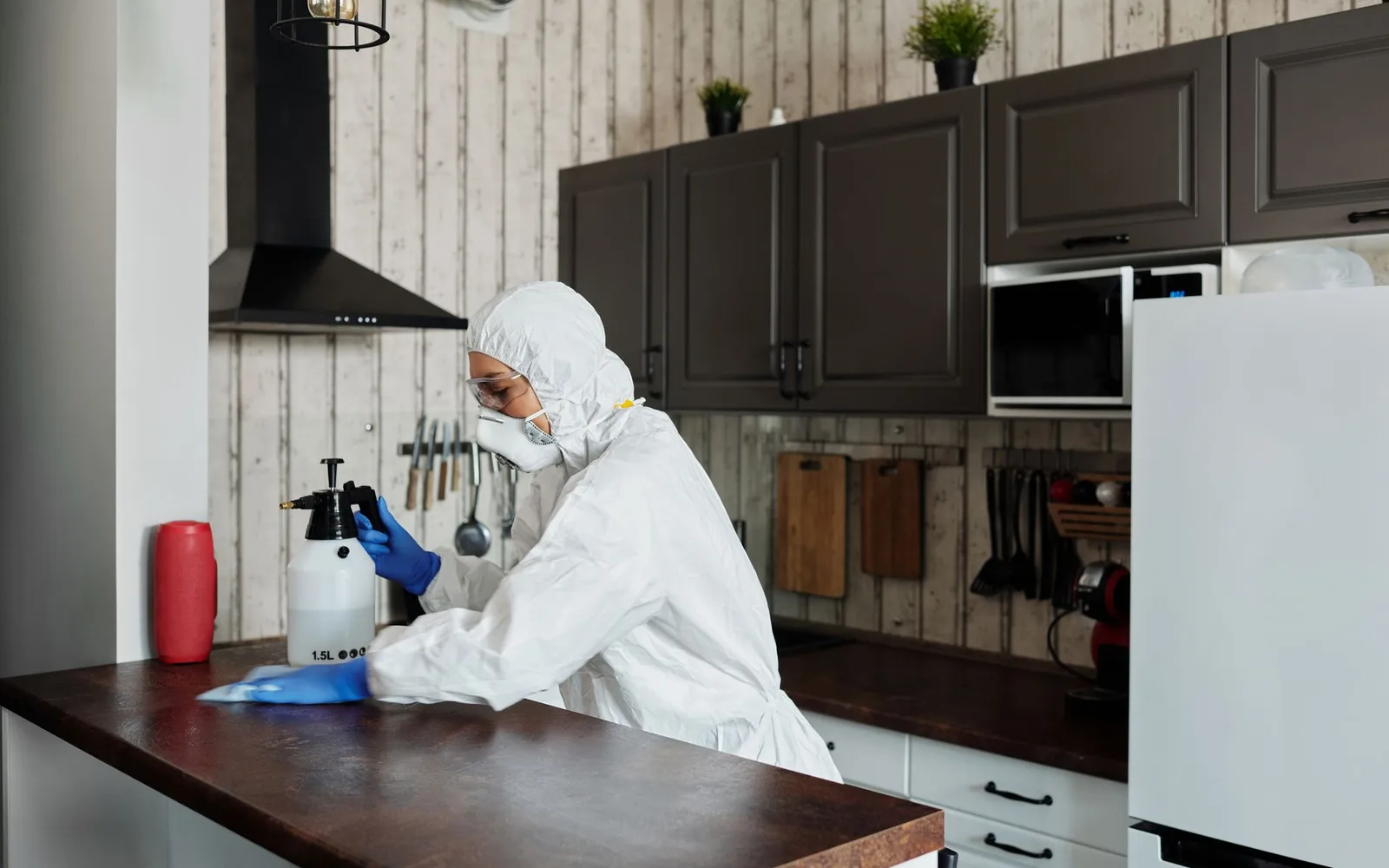
Disinfection in East Al Sulaymaniyah Jeddah
East Al Sulaymaniyah is part of a mixed district near the Haramain high speed rail station and Haramain Road, with apartments, villas and commercial streets in medium density housing under the Umm Al Salam sub municipality. Shops occupy ground floors selling food and oils, homes sit above them, and cracks between the commercial and residential sections pass odours and moisture upward. Disinfection must treat these transitions and gaps with special care.
-
Targeted, not broadcast
Product goes into cracks and runways, never sprayed across open surfaces.
-
Told before we start
What we will use, where it goes, and what to cover or move before we arrive.
-
A follow-up visit
We return after the first treatment, because what survives it does not show on the day.
-
Homes and businesses
Apartments and villas, and kitchens and stores that need a record of each visit.
Why they keep coming back in East Al Sulaymaniyah
Cooking smells and grease from shops and restaurants enter upper flats through poorly sealed gaps between commercial and residential floors, and moisture from commercial kitchens rises through the building. The method is set out in full on Disinfection in detail.
Ground floor shops and restaurants and poorly sealed gaps
Grease and steam from restaurant kitchens rise into upper flats through openings in ceilings and walls between storeys. These openings exist for structural reasons or may be broken fan ducts that do not function. Disinfection must focus on these openings, cracks and passages between floors.
Accumulated grease and humidity from restaurants
Grease from restaurants settles on walls, ceiling surfaces, fans and pipes. The grease layer blocks disinfectant absorption. We clean with degreaser before disinfection to remove the surface layer, then apply disinfectant to the clean surface.
Shared pipes and traps between floors
Drainage and ventilation pipes run between commercial and residential floors, and water and grease collect in them. These pipes may not be in easily accessible locations. We inspect the areas we can reach and clean them carefully.
The character of East Al Sulaymaniyah
Mixed district: shops at street level with homes above them
East Al Sulaymaniyah is a mixed district with shops and restaurants below residences, and grease and smells constantly rise from the commercial floor into upper flats through gaps that are not tightly sealed.
What we look at before the product is chosen
The area combines recently planned districts with land still being developed nearby. Shops and restaurants on King Abdullah Road sit very close to homes, and the drainage network is relatively old in some locations.
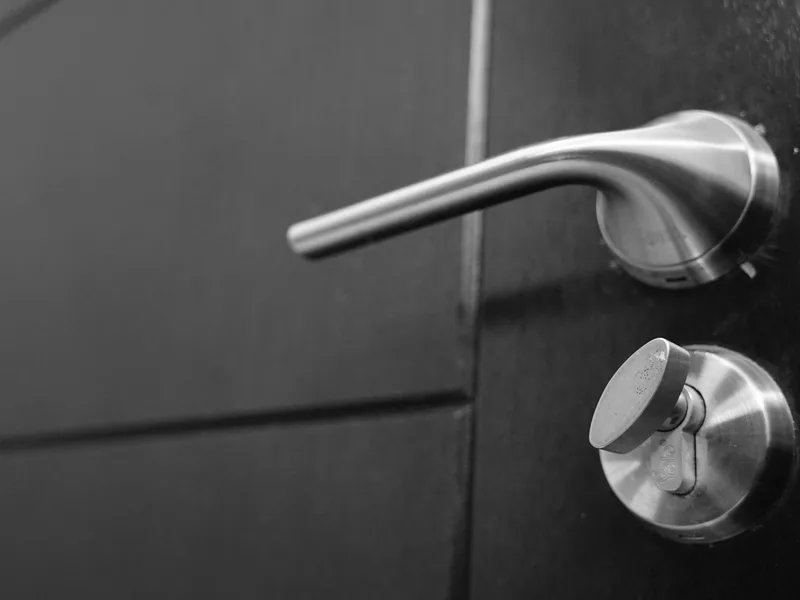
The touch points
Lift buttons, railings and wall handles in flats above shops catch cooking grease from rising steam, and grease makes them breeding grounds for pathogens.
Porous surfaces
Kitchen and bathroom surfaces and corridors are coated with grease and moisture rising from below, and disinfectant cannot penetrate the grease layer. We degrease before disinfection.
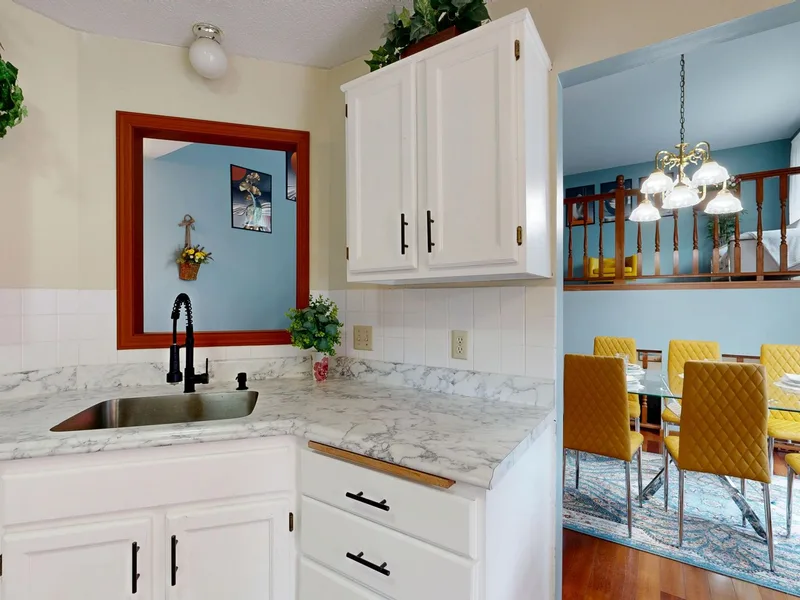
The finish itself
Paint on walls and ceilings may peel from moisture and grease, and disinfectant cannot reach the wall beneath flaking paint. We remove peeling paint before disinfection.
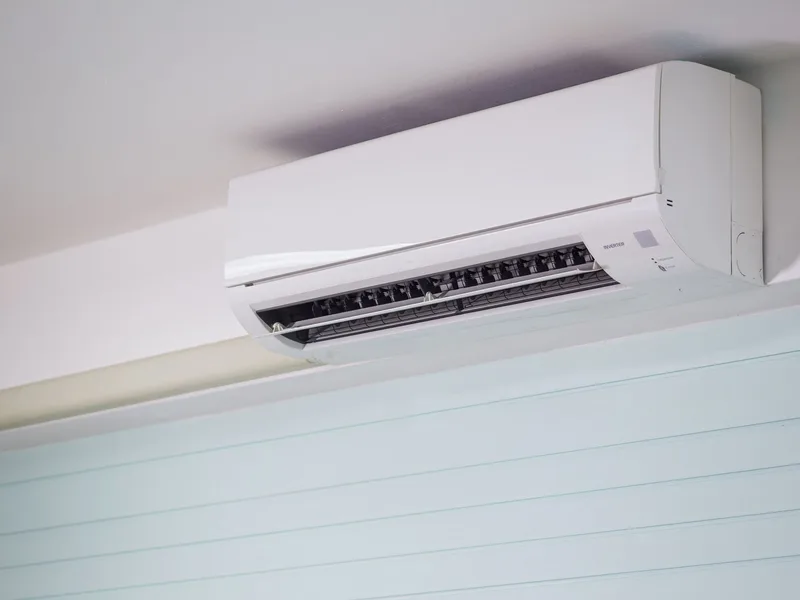
The air conditioning unit
Air conditioning units absorb grease vapour and humidity from the commercial floor, and filters clog with grease very rapidly. We recommend cleaning filters weekly and replacing monthly.
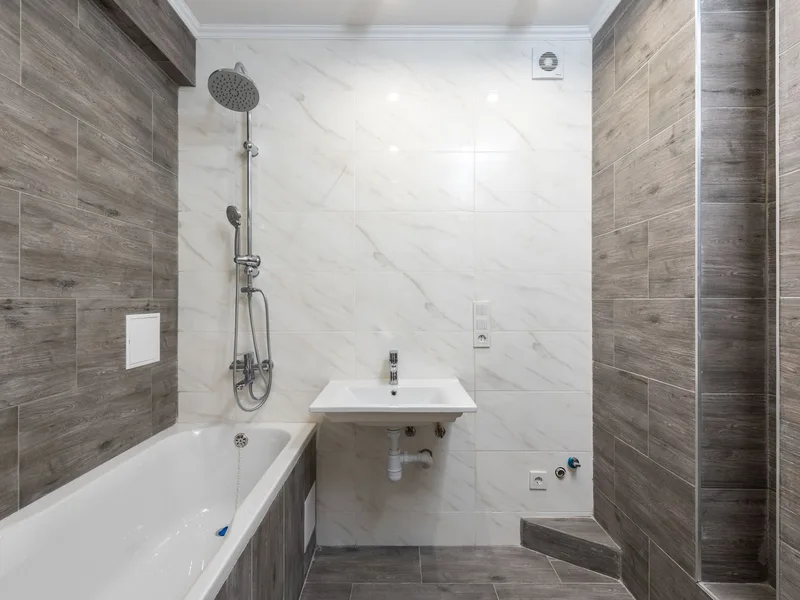
Floor traps
Floor traps and channels hold water and grease from the restaurant kitchen, and standing water produces foul smell. We clean and dry them before disinfection.
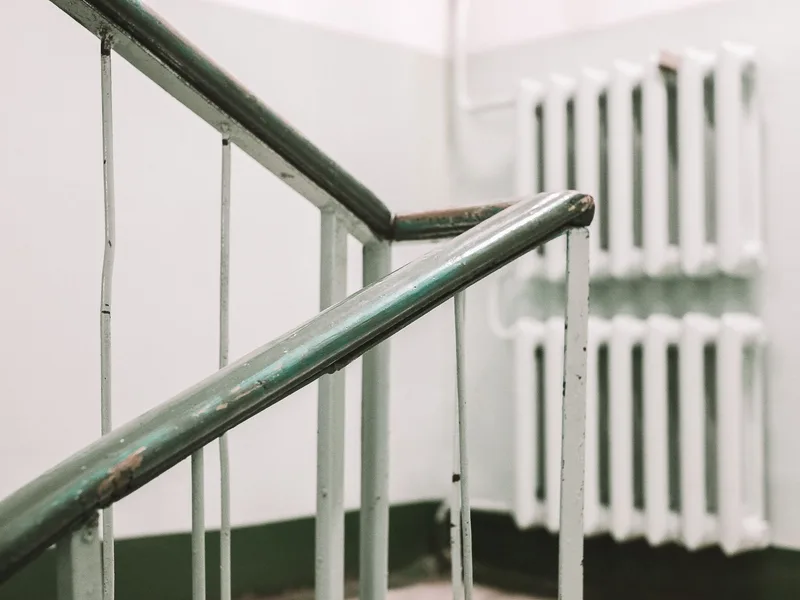
Shared entrances and stairs
We open windows before disinfection on the side away from the restaurant wind direction, close them firmly during treatment, and do not open them again until three hours have passed.
How we work
-
1
Walk the space and list the surfaces
We go through the rooms and mark the touch points, the porous surfaces and the finishes, then ask what prompted the call: illness at home, moving into a new place, building work, or a smell that arrived out of nowhere.
-
2
Clean what we are about to treat
We take the film of dust and grease off the surfaces that are in scope, so the product reaches the surface itself. This is preparation for the treatment, not general house cleaning.
-
3
Apply it, and hold the contact time
Hand work on the touch points, a product matched to each surface, and the surface left visibly wet for as long as that material needs before it is dried off. Cold fogging comes last, for what a cloth cannot reach.
-
4
Ventilate and hand back
We open the place up, rinse food preparation surfaces with water, and tell you when each room goes back into use. We give you that timing on the call, because it changes with the product and the space.
What a disinfection visit includes
-

A surface and touch point survey
What gets treated, and with what, settled before anything is opened.
-

Soil off first, then the disinfectant
The greasy film comes off first, then a product that stays wet for the contact time it needs.
-

Floor traps and the air conditioning drain
Floor traps, sink outlets and the drain tray, which is where most smells actually begin.
-
Cold fogging for the space
For upward faces and corners a cloth never reaches, done as the last thing before we leave a room.
-

Ventilation and use instructions
What gets rinsed with water, what is left alone, and when each room goes back into use.
-

A scheduled repeat when it is needed
For shared entrances and places people pass through every day, because a disinfectant leaves nothing behind to stop the next contact.
What is different about Umm Al Salam Sub-Municipality
The Umm Al Salam sub municipality covers the east and south east of Jeddah along the Old Makkah Road and the Haramain Road. It pairs recently planned districts such as Al Wahah, Al Nakhil and Al Shuruq with popular districts that grew outside formal planning, including Al Harazat, Al Mahamid and Umm Al Salam. The older areas have ageing drainage, unpaved streets and vacant plots where building waste collects, conditions that suit rodents, cockroaches and ants. The newer areas are ringed by half built subdivisions and open excavations.
Questions about this district
Do cooking smells from shops below mean disinfection alone cannot remove odour?
Disinfection alone may not be enough because the smell comes from the active commercial kitchen below. We recommend treating gaps between floors: sealing cracks, repairing fans, and treating pipes.
Can we stop contaminants from the shop without disinfecting the shop itself?
Very difficult. If we do not disinfect the shop and kitchen, smells and grease return quickly. We recommend co-operating with the shop owner to disinfect both sides together.
Do cracks and openings between commercial and residential floors need sealing before or after disinfection?
Before disinfection we inspect openings and seal them where possible with putty or foam. After disinfection they stay sealed to prevent odours and insects from entering.
How often does a flat above a restaurant need disinfection because of the contaminants below?
At least every six weeks, because contaminants return quickly from the active commercial kitchen. If we seal gaps well, frequency may decrease.
Do ceiling ventilation fans need separate cleaning and disinfection or are they covered by standard treatment?
Yes. Fans need separate cleaning and disinfection. We clean grease and dust from them first, then apply disinfectant to filters and ducting.
Do the shared traps and pipes between floors hold cooking grease smell even after disinfection?
Yes. Heavy grease in pipes may not clean with disinfection alone. We recommend flushing pipes with hot water and cleaners before disinfection.
How much does disinfection in East Al Sulaymaniyah cost?
It is set after the inspection, because the price follows the type of infestation, the size of the space, how far it has spread and the number of visits it needs. Send a photo and a description on WhatsApp and we will give you an estimate before we reach East Al Sulaymaniyah.
Nearby districts we cover
Other services in East Al Sulaymaniyah
Other services we provide to residents of East Al Sulaymaniyah.
-
 Residential
Cockroach control
Residential
Cockroach control
-
 Residential
Bed bug control
Residential
Bed bug control
-
 Residential
Termite control
Residential
Termite control
-
 Residential
Rodents and mice
Residential
Rodents and mice
-
 Residential
Mosquito control
Residential
Mosquito control
-
 Residential
Fly control
Residential
Fly control
-
 Residential
Ant control
Residential
Ant control
-
 Residential
Gecko control
Residential
Gecko control
-
 Residential
Scorpion control
Residential
Scorpion control
-
 Residential
Snake control
Residential
Snake control
-
 Residential
Flea control
Residential
Flea control
-
 Residential
Bird and pigeon control
Residential
Bird and pigeon control
-
 Residential
Preventive treatment
Residential
Preventive treatment
-
 Commercial
Annual contracts
Commercial
Annual contracts
-
 Commercial
Restaurants and cafes
Commercial
Restaurants and cafes
-
 Commercial
Hotels and apartments
Commercial
Hotels and apartments
-
 Commercial
Warehouses and factories
Commercial
Warehouses and factories
-
 Commercial
Schools and nurseries
Commercial
Schools and nurseries
-
 Commercial
Retail and malls
Commercial
Retail and malls
-
 Commercial
Rest houses and farms
Commercial
Rest houses and farms
-
 Commercial
Fumigation
Commercial
Fumigation
-
 Water tanks
Water tank cleaning
Water tanks
Water tank cleaning
-
 Water tanks
Water tank sterilization
Water tanks
Water tank sterilization
-
 Water tanks
Water tank sealing
Water tanks
Water tank sealing
-
 Water tanks
Tank leak repair
Water tanks
Tank leak repair
Need disinfection in East Al Sulaymaniyah? Tell us what you saw and we will tell you what it needs
We reach East Al Sulaymaniyah at a time we agree, and you get the full cost before we start.