
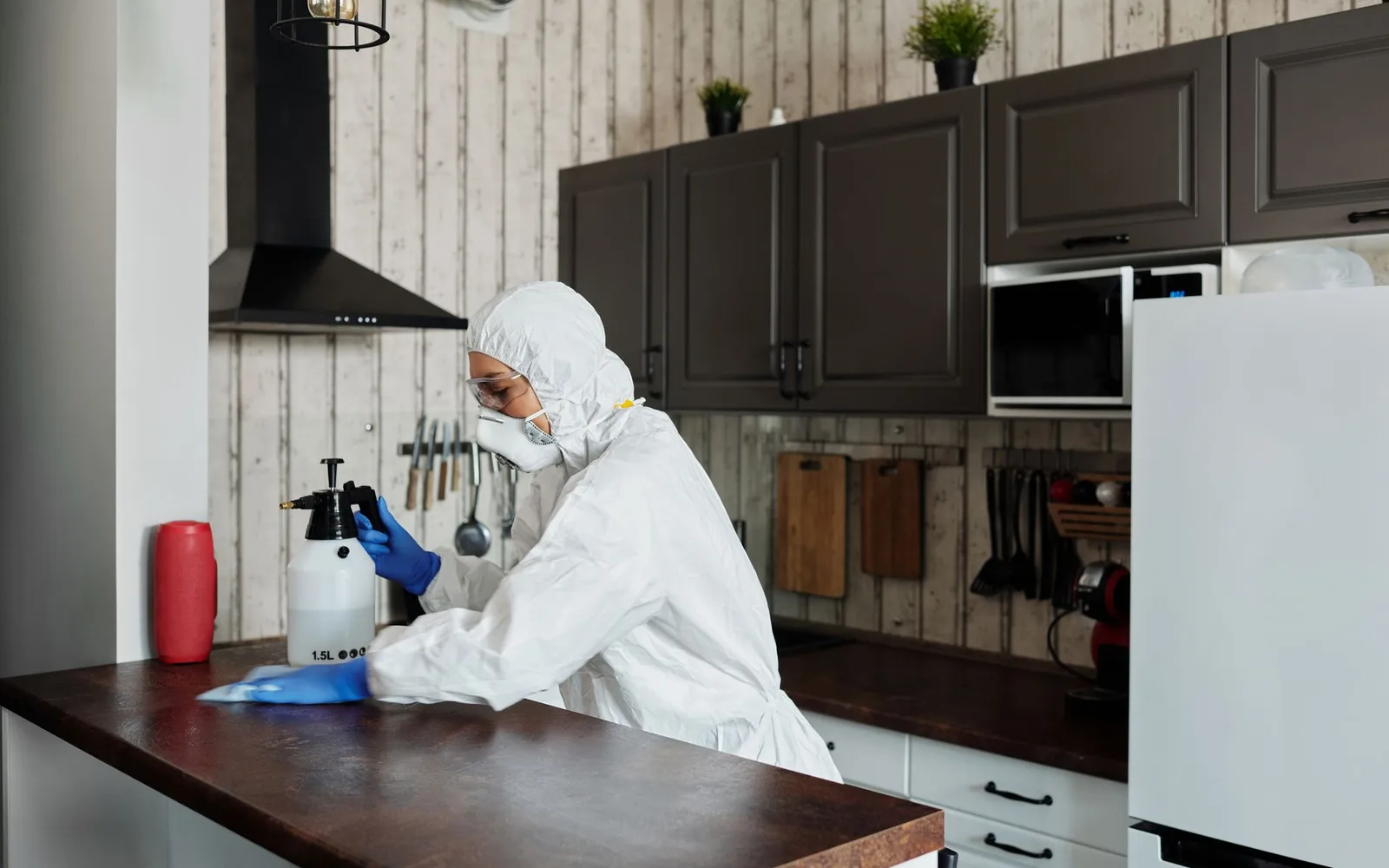
Disinfection in Harat Al Amir Jeddah
Harat Al Amir sits inside Thuwal, a small coastal town, mixing street-level shops with dense housing above them. Year-round sea humidity means disinfection here is different from inland work. Low-rise buildings and tight inner streets leave air still and moisture pooling on surfaces, cracks and floor traps in ways that open-air districts do not face.
-
Targeted, not broadcast
Product goes into cracks and runways, never sprayed across open surfaces.
-
Told before we start
What we will use, where it goes, and what to cover or move before we arrive.
-
A follow-up visit
We return after the first treatment, because what survives it does not show on the day.
-
Homes and businesses
Apartments and villas, and kitchens and stores that need a record of each visit.
Why they keep coming back in Harat Al Amir
Surfaces in the shops gather sea salt from the air, and mould grows fast on walls and cracks, especially in shaded zones where humidity stays trapped and drying is slow. The method is set out in full on how we approach Disinfection.
Sea salt forms a barrier to the disinfectant
Salt spray settles on outer surfaces and the narrow streets; a salt layer prevents the disinfectant from reaching the surface underneath. We clean salt off first with a specialist cleaner before disinfection, so the product touches the bare surface directly and works as intended.
Shops with footfall and still air above them
Shops at street level see visitors and daily traffic; housing above suffers from moisture from laundry, sleep and cooking that cannot escape. The disinfectant needs longer to work because still air in upper flats slows evaporation and the product stays wet longer than it should.
Ground and foundations draw moisture upward
The soil is close to wadi and sea, so moisture rises from the ground into foundations, then through walls to interiors. Disinfection treats the surface only, but moisture returns from below, so we focus on floor traps and shaded zones where it pools.
Landmarks of Harat Al Amir
Harat Al Amir sits between Thuwal Municipality Building and the Corniche, with shops on inner streets set back slightly from the sea itself. The mosque and school are nearby, and the road to Jeddah and Madinah passes behind the quarter, so we reach homes from inside the town without needing the main highway.
- Thuwal Municipality Building
- Thuwal Corniche
- Al Shati Mosque
- Jeddah Madinah Road
What we look at before the product is chosen
The town sits on Wadi Thuwal and beside the fishing harbour; salt-laden sea air and marine humidity enter the shops and flats continuously throughout the year without break.
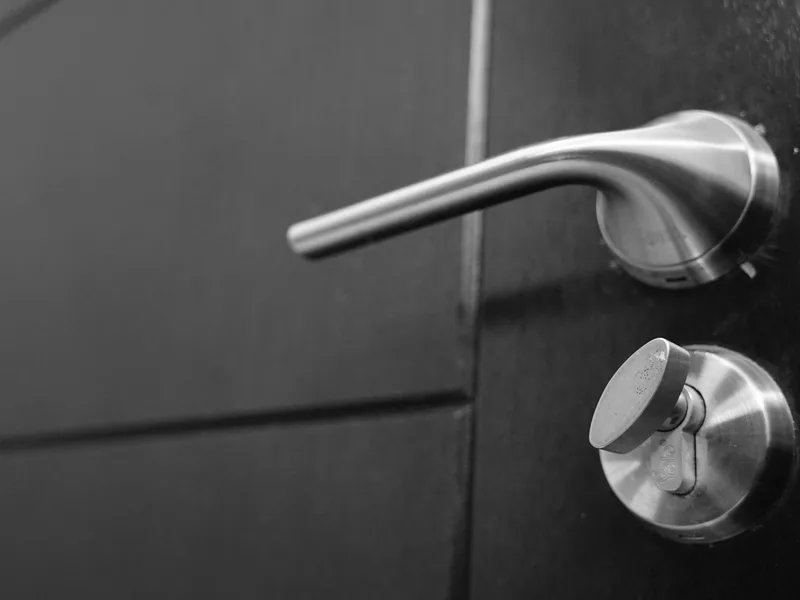
The touch points
Door handles, thresholds and railings on the narrow street gather salt and mould; clean them first, then disinfect so the product reaches bare material.
Porous surfaces
Old mud brick walls absorb moisture and salt deep inside; the disinfectant cannot reach far below the surface, so we focus on the outer and inner skin.
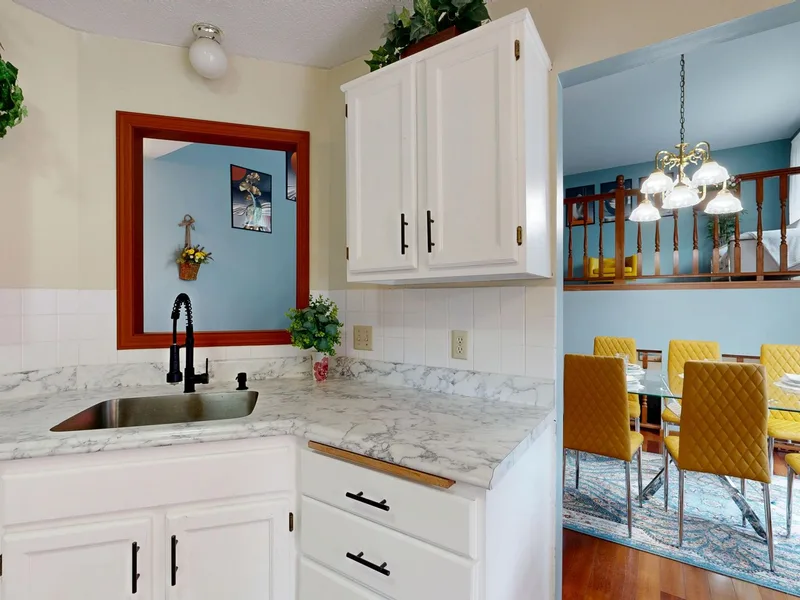
The finish itself
Shop floors are often old tiling with deep cracks between; gaps trap salt, moisture and organic matter where mould and bacteria hide.
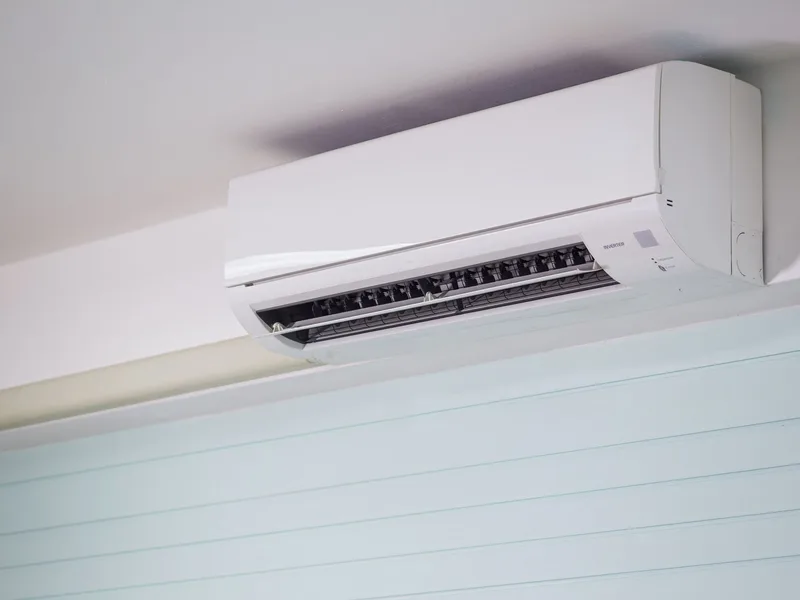
The air conditioning unit
Air conditioning units draw humidity from the sea air; old pipes may leak, adding moisture to the flat. Inspect the unit and filter before disinfection so the product does not spread wet air.
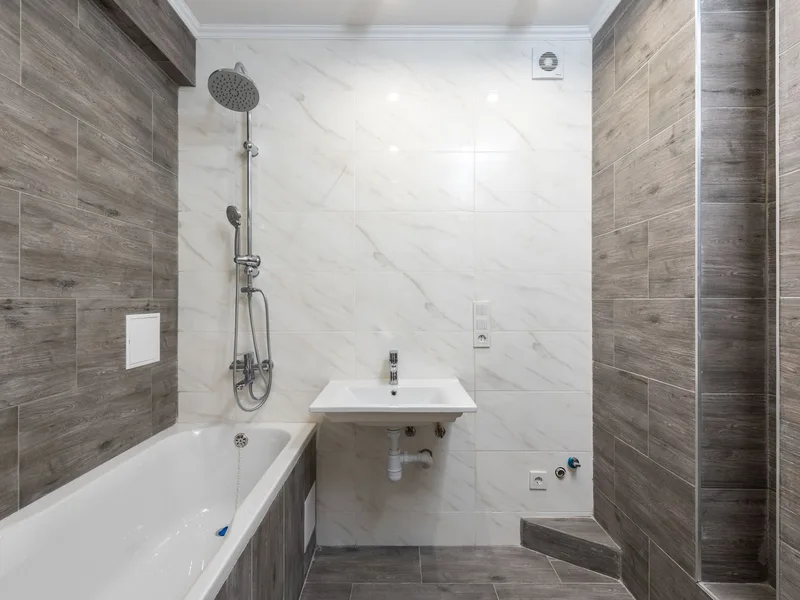
Floor traps
Floor traps in food shops and bathrooms often clog with salt and grease; clear them before disinfection so water drains properly and does not pool.
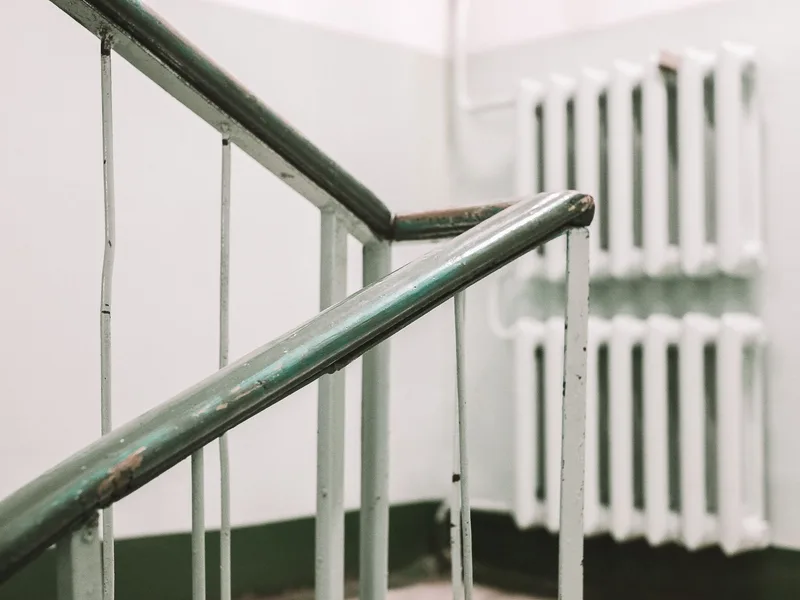
Shared entrances and stairs
The shared stairwell and entry draw moisture from all the flats; mould grows fast on shared walls because air is still and humidity stays trapped there.
How we work
-
1
Walk the space and list the surfaces
We go through the rooms and mark the touch points, the porous surfaces and the finishes, then ask what prompted the call: illness at home, moving into a new place, building work, or a smell that arrived out of nowhere.
-
2
Clean what we are about to treat
We take the film of dust and grease off the surfaces that are in scope, so the product reaches the surface itself. This is preparation for the treatment, not general house cleaning.
-
3
Apply it, and hold the contact time
Hand work on the touch points, a product matched to each surface, and the surface left visibly wet for as long as that material needs before it is dried off. Cold fogging comes last, for what a cloth cannot reach.
-
4
Ventilate and hand back
We open the place up, rinse food preparation surfaces with water, and tell you when each room goes back into use. We give you that timing on the call, because it changes with the product and the space.
What a disinfection visit includes
-

A surface and touch point survey
What gets treated, and with what, settled before anything is opened.
-

Soil off first, then the disinfectant
The greasy film comes off first, then a product that stays wet for the contact time it needs.
-

Floor traps and the air conditioning drain
Floor traps, sink outlets and the drain tray, which is where most smells actually begin.
-
Cold fogging for the space
For upward faces and corners a cloth never reaches, done as the last thing before we leave a room.
-

Ventilation and use instructions
What gets rinsed with water, what is left alone, and when each room goes back into use.
-

A scheduled repeat when it is needed
For shared entrances and places people pass through every day, because a disinfectant leaves nothing behind to stop the next contact.
What is different about Thuwal Sub-Municipality
Thuwal sub municipality is a small fishing town on the Red Sea coast at the far northern edge of Jeddah governorate. Its old quarters are closely packed popular and mud built houses on narrow streets, with newer low rise concrete homes from the town's development programme beside them. Sea humidity stays high all year, the fishing harbour and the corniche form its seafront, water arrives by tanker so household tanks are everywhere, and the town sits on Wadi Thuwal, ringed by open ground and by the irrigated green campus of King Abdullah University of Science and Technology.
Questions about this district
The shop is open every day; when can we disinfect without losing trade?
We disinfect after the shop closes in the evening or on a public holiday morning. The flat above gets treated at a different time. The disinfectant needs hours to dry, and the shop needs fresh air before doors open to customers again.
Salt smell and mould stench come from the street; will disinfection solve that?
Disinfection kills the fungi responsible but does not remove salt itself. The smell returns because the sea air itself is humid and salt-laden. We focus on floor traps, openings and gaps in walls where moisture pools and mould grows fastest.
The upstairs flat is very damp with black mould on the walls; will the product remove the stains?
The disinfectant kills germs and fungal spores but does not erase black marks. We wash black mould off first with a cleaner, then apply the disinfectant to stop it coming back. A damp environment means mould will return unless you address the humidity itself.
Does disinfection stop insects entering from the harbour and crowded street?
Disinfection does not repel insects, but it kills what is already there. Insects enter through openings and doors, so we focus on cracks and gaps. If pest pressure stays high, separate insect control with an approved spray alongside disinfection is the answer.
How often per year should the flat and shop be disinfected in this damp climate?
Food shops and fish stalls need disinfection weekly or monthly depending on customer flow. Normal housing three times yearly is enough, but when humidity peaks in winter and spring, more frequent disinfection helps manage the moisture and mould cycle.
Moisture enters constantly from the street and windows are always open; is disinfection worthwhile here?
Yes, disinfection kills the germs present now, but it is a moment, not a permanent barrier. Incoming sea air carries fresh germs. We suggest closing windows at night then opening by day, and running the air conditioning to dry the air inside.
How much does disinfection in Harat Al Amir cost?
It is set after the inspection, because the price follows the type of infestation, the size of the space, how far it has spread and the number of visits it needs. Send a photo and a description on WhatsApp and we will give you an estimate before we reach Harat Al Amir.
Nearby districts we cover
Other services in Harat Al Amir
Other services we provide to residents of Harat Al Amir.
-
 Residential
Cockroach control
Residential
Cockroach control
-
 Residential
Bed bug control
Residential
Bed bug control
-
 Residential
Termite control
Residential
Termite control
-
 Residential
Rodents and mice
Residential
Rodents and mice
-
 Residential
Mosquito control
Residential
Mosquito control
-
 Residential
Fly control
Residential
Fly control
-
 Residential
Ant control
Residential
Ant control
-
 Residential
Gecko control
Residential
Gecko control
-
 Residential
Scorpion control
Residential
Scorpion control
-
 Residential
Snake control
Residential
Snake control
-
 Residential
Flea control
Residential
Flea control
-
 Residential
Bird and pigeon control
Residential
Bird and pigeon control
-
 Residential
Preventive treatment
Residential
Preventive treatment
-
 Commercial
Annual contracts
Commercial
Annual contracts
-
 Commercial
Restaurants and cafes
Commercial
Restaurants and cafes
-
 Commercial
Hotels and apartments
Commercial
Hotels and apartments
-
 Commercial
Warehouses and factories
Commercial
Warehouses and factories
-
 Commercial
Schools and nurseries
Commercial
Schools and nurseries
-
 Commercial
Retail and malls
Commercial
Retail and malls
-
 Commercial
Rest houses and farms
Commercial
Rest houses and farms
-
 Commercial
Fumigation
Commercial
Fumigation
-
 Water tanks
Water tank cleaning
Water tanks
Water tank cleaning
-
 Water tanks
Water tank sterilization
Water tanks
Water tank sterilization
-
 Water tanks
Water tank sealing
Water tanks
Water tank sealing
-
 Water tanks
Tank leak repair
Water tanks
Tank leak repair
Need disinfection in Harat Al Amir? Tell us what you saw and we will tell you what it needs
We reach Harat Al Amir at a time we agree, and you get the full cost before we start.