
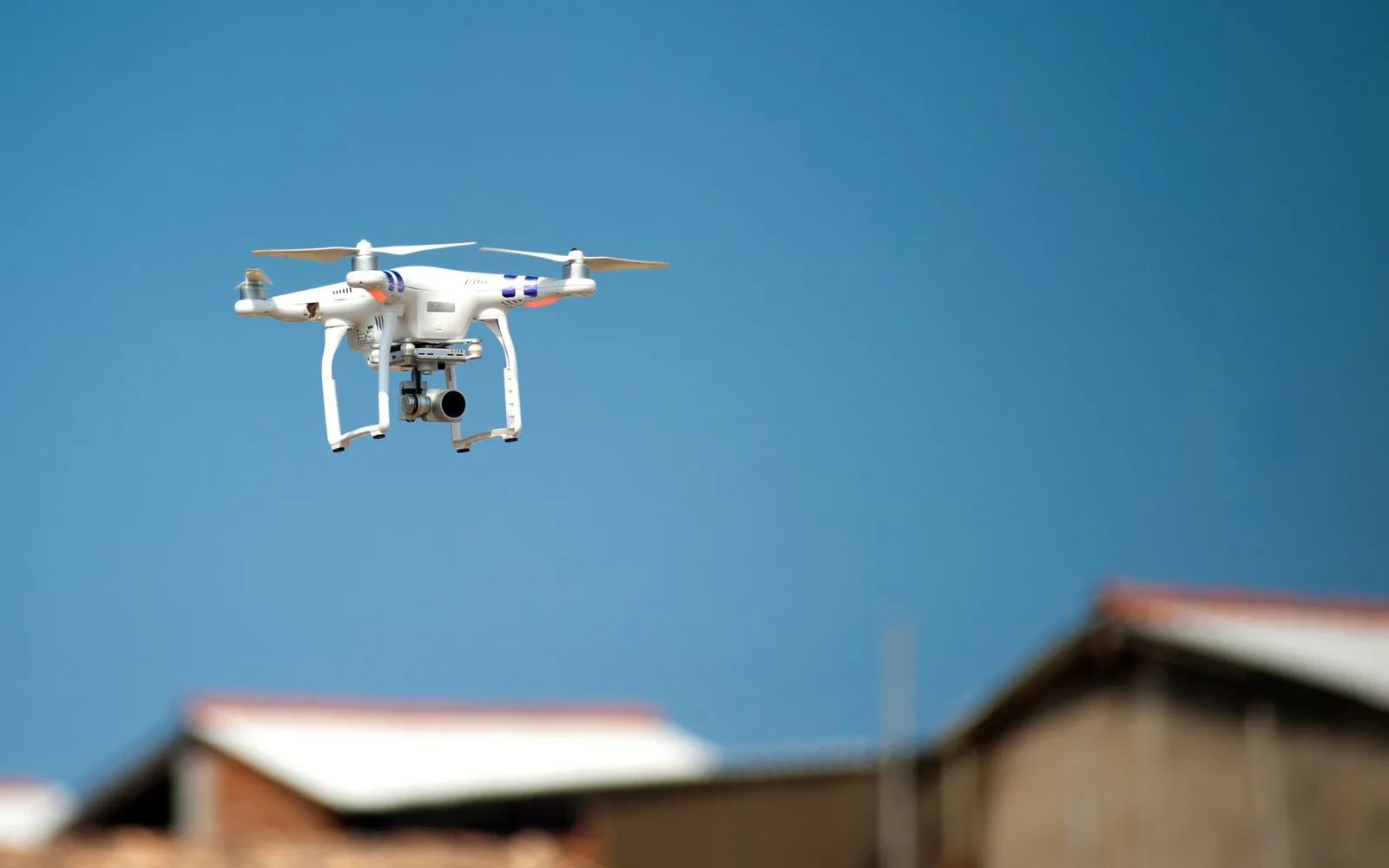
Fly control in East Al Sulaymaniyah Jeddah
East Al Sulaymaniyah is a mixed-use district where shops at street level sit directly below residential flats, and the medium-density housing pattern means flies move easily between a shop and the floors above it, or hop between adjacent premises sharing the same building. This vertical movement creates a single breeding problem across multiple owners.
-
Targeted, not broadcast
Product goes into cracks and runways, never sprayed across open surfaces.
-
Told before we start
What we will use, where it goes, and what to cover or move before we arrive.
-
A follow-up visit
We return after the first treatment, because what survives it does not show on the day.
-
Homes and businesses
Apartments and villas, and kitchens and stores that need a record of each visit.
Why they keep coming back in East Al Sulaymaniyah
Flies in mixed-use buildings do not respect property lines. The greengrocer at street level is often the breeding ground that seeds the flats overhead, and kitchen humidity from above speeds the reproduction below. The method is set out in full on what Fly control involves.
Movement between shop and flat above it
In a mixed-use block, flies do not acknowledge the boundary between commercial and residential. A vegetable shop at ground level fills the air with fermenting particles and moisture that rise to the flats above. Treating only the floors above will fail if the shop goes untouched, and treating only the shop means the colonies in the flats refill the space within days.
Multiple sources under one roof
Shared waste bins in the yard, an old storeroom on the roof, a common drain run beneath the building: each is a breeding site, and each feeds the fly population visible to all occupants. Treating one source while ignoring another leaves the problem alive and multiplies the visits needed.
Shared entry and stairwell
Flies rest on the walls and corners of shared stairs and entrance halls because they are damp and hold food debris. Treatment must penetrate the cracks and gaps where flies hide. Without it, the flies return to the same harborage within days.
The character of East Al Sulaymaniyah
Mixed district: shops at street level with homes above them
A shop on the ground floor and homes stacked above means flies have multiple food sources and complex movement routes. Effective treatment requires access to every floor and the shared spaces, not surface spraying from the outside.
Where the flies are actually coming from
The district sits near the Haramain Road and the high-speed rail station, surrounded by newer development and shops lining the main road. Proximity to schools and markets means constant foot traffic and daily deliveries that introduce flies and fresh waste.
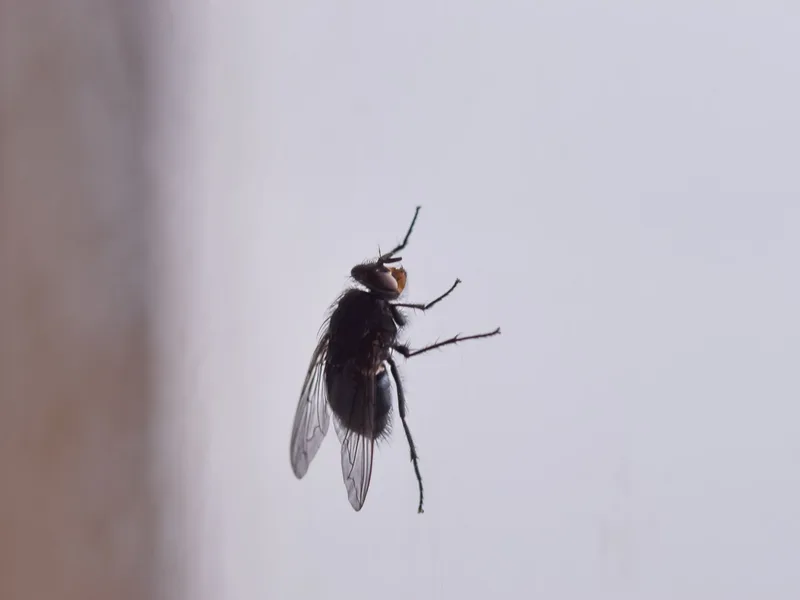
House fly
The house fly in mixed-use buildings moves between premises hunting for waste. Shops provide it with rich food sources every day, and the flow of foot traffic keeps introducing new colonies.
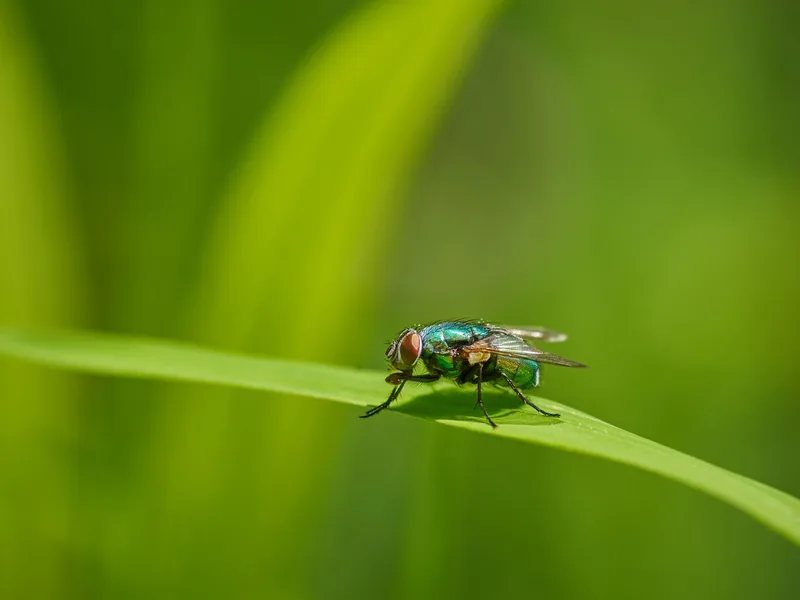
Blow fly
The blow fly favours shops stocking meat and poultry, and the high humidity in the kitchens above speeds its reproduction cycle and extends the season.
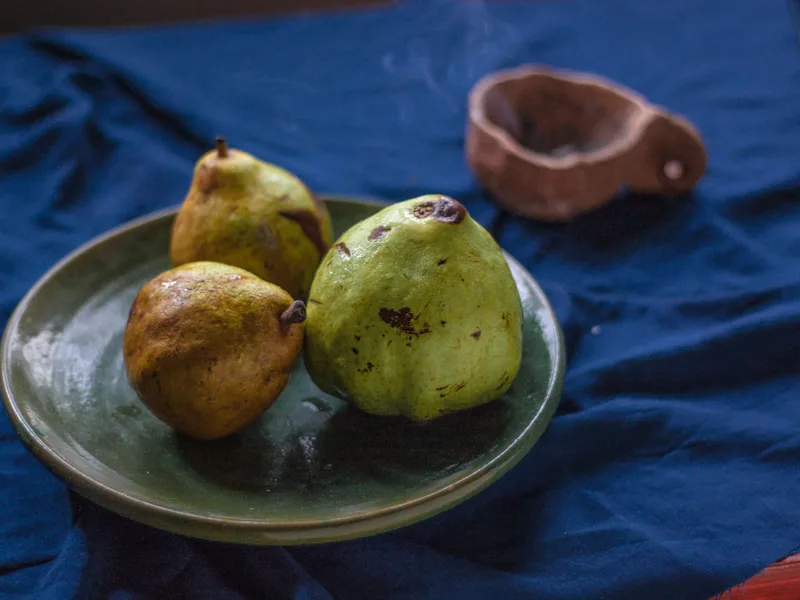
Fermenting residue
Vegetable trimmings and spoilt fruit in shop crates, oils and grease in kitchen sinks, ferment quickly and become ideal breeding media within hours of landing.
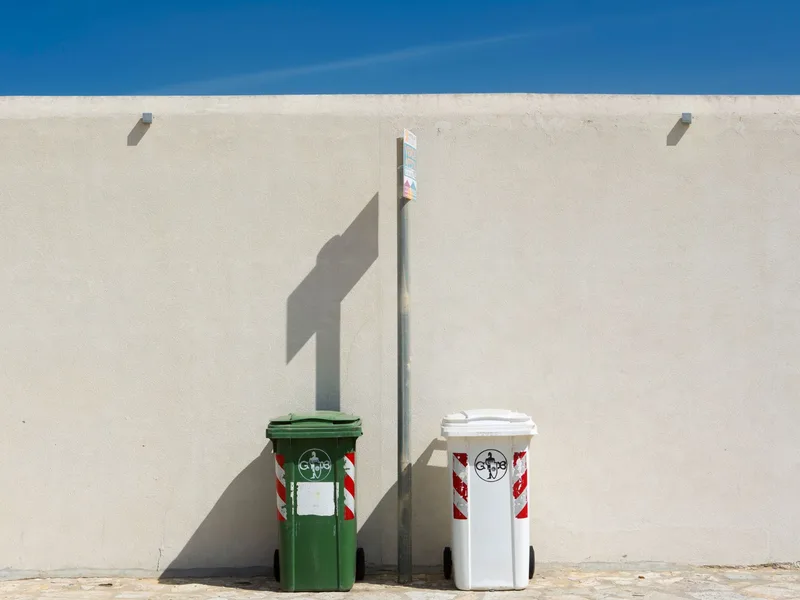
The bin base
The base of the shared waste bin in the yard collects moisture and seeping debris, a permanent breeding site if it is not emptied and cleaned daily.
The film inside a drain
The shared drain run beneath mixed-use buildings traps steam and waste solids. If it is old, it becomes a permanent fly colony that surfaces on both floors at once.
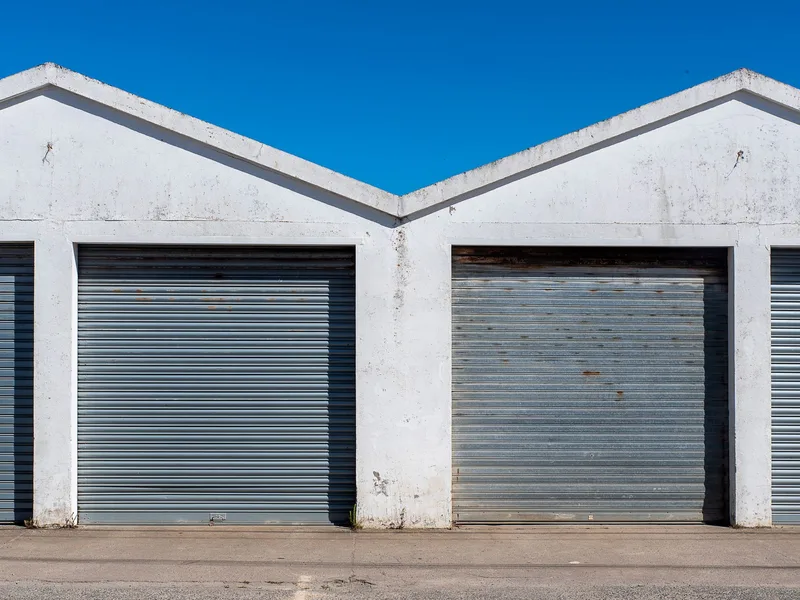
The service door and its mesh
Unscreened doors and windows, gaps around pipes, open cracks in shared spaces: all give flies a direct route in from outside, and blocking these stops only the intake, not the reservoir inside.
How we work
-
1
Inspect and trace the source
We trace the flies back to their medium: waste and the bin area, floor traps, drain runs and any standing organic wetness, and we identify the species from its size, its flight and where it settles.
-
2
Treat the breeding medium
Washing and scouring bin bases and floor traps, and a foam that treats the film inside the pipe, because removing the medium is the only thing that stops production.
-
3
Treat the resting surfaces
A fly spends most of its time settled on ceilings, cables, the tops of walls and the sunlit wall outside the door, and that is where the residual and the bait go, not into the air.
-
4
Proofing and the follow-up
We close the ways in and sort out the screens and the doors, then come back on a date matching the emergence of the pupae that were already in the medium on the first visit.
What fly control includes
-

A source tracing inspection
The species, the breeding medium and the route in, established before anything is applied.
-

Drains and floor traps
Scouring the film stuck inside the pipe and treating it with foam, which is where drain flies come from and almost nowhere else.
-

Residual on the resting surfaces
Ceilings, cables, the tops of walls and the sunlit wall outside the door, kept off food preparation surfaces.
-

Fly bait in protected positions
An attractant bait set at bin areas and service entrances, out of reach of children and pets and away from food.
-

Aftercare instructions
Ventilation, what to cover, and what needs a screen, an air curtain or a different waste routine.
-

A scheduled follow-up
A set date matching the emergence of the pupae, and re-treatment of any source still producing.
What is different about Umm Al Salam Sub-Municipality
The Umm Al Salam sub municipality covers the east and south east of Jeddah along the Old Makkah Road and the Haramain Road. It pairs recently planned districts such as Al Wahah, Al Nakhil and Al Shuruq with popular districts that grew outside formal planning, including Al Harazat, Al Mahamid and Umm Al Salam. The older areas have ageing drainage, unpaved streets and vacant plots where building waste collects, conditions that suit rodents, cockroaches and ants. The newer areas are ringed by half built subdivisions and open excavations.
Questions about this district
Can I treat my shop alone without treating the flats above?
No. Flies move up and down freely between floors. Treating only the shop leaves the colonies in the flats as a ready source. They will return to the shop within days. A full building treatment is the only lasting solution.
How often does a mixed-use building need treating?
That depends on the type of shop and daily waste volume. A butcher or greengrocery demands closer monitoring than a clothing shop. We assess the pressure and propose a treatment schedule tailored to your building.
Are the shared waste bins the main cause of flies in my district?
Bins are a major source but not the only one. Ageing drains beneath the building, kitchens without extractors, gaps under fridges and ovens all contribute significantly. The breeding sites are layered, which is why one visit rarely ends the problem.
Is a flat that does not border the shop less affected than one next to it?
A flat against the shop suffers most because flies enter through cracks around shared pipes and openings. But every resident of the building is at risk, because the breeding source is shared.
If the shop closes temporarily, will that solve the fly problem in my flat?
No. Closing a shop for two days does not end the problem. Flies in the drains and bins persist, and eggs and larvae in the waste do not vanish. Targeted treatment of the actual breeding sites is the only real solution.
Is treatment safe for children in the flats and staff in the shop at the same time?
We use products approved for occupied spaces. We time the work, give simple ventilation guidance, and safety and effectiveness work together in our approach.
How much does fly control in East Al Sulaymaniyah cost?
It is set after the inspection, because the price follows the type of infestation, the size of the space, how far it has spread and the number of visits it needs. Send a photo and a description on WhatsApp and we will give you an estimate before we reach East Al Sulaymaniyah.
Nearby districts we cover
Other services in East Al Sulaymaniyah
Other services we provide to residents of East Al Sulaymaniyah.
-
 Residential
Cockroach control
Residential
Cockroach control
-
 Residential
Bed bug control
Residential
Bed bug control
-
 Residential
Termite control
Residential
Termite control
-
 Residential
Rodents and mice
Residential
Rodents and mice
-
 Residential
Mosquito control
Residential
Mosquito control
-
 Residential
Ant control
Residential
Ant control
-
 Residential
Gecko control
Residential
Gecko control
-
 Residential
Scorpion control
Residential
Scorpion control
-
 Residential
Snake control
Residential
Snake control
-
 Residential
Flea control
Residential
Flea control
-
 Residential
Bird and pigeon control
Residential
Bird and pigeon control
-
 Residential
Preventive treatment
Residential
Preventive treatment
-
 Residential
Disinfection
Residential
Disinfection
-
 Commercial
Annual contracts
Commercial
Annual contracts
-
 Commercial
Restaurants and cafes
Commercial
Restaurants and cafes
-
 Commercial
Hotels and apartments
Commercial
Hotels and apartments
-
 Commercial
Warehouses and factories
Commercial
Warehouses and factories
-
 Commercial
Schools and nurseries
Commercial
Schools and nurseries
-
 Commercial
Retail and malls
Commercial
Retail and malls
-
 Commercial
Rest houses and farms
Commercial
Rest houses and farms
-
 Commercial
Fumigation
Commercial
Fumigation
-
 Water tanks
Water tank cleaning
Water tanks
Water tank cleaning
-
 Water tanks
Water tank sterilization
Water tanks
Water tank sterilization
-
 Water tanks
Water tank sealing
Water tanks
Water tank sealing
-
 Water tanks
Tank leak repair
Water tanks
Tank leak repair
Need fly control in East Al Sulaymaniyah? Tell us what you saw and we will tell you what it needs
We reach East Al Sulaymaniyah at a time we agree, and you get the full cost before we start.