
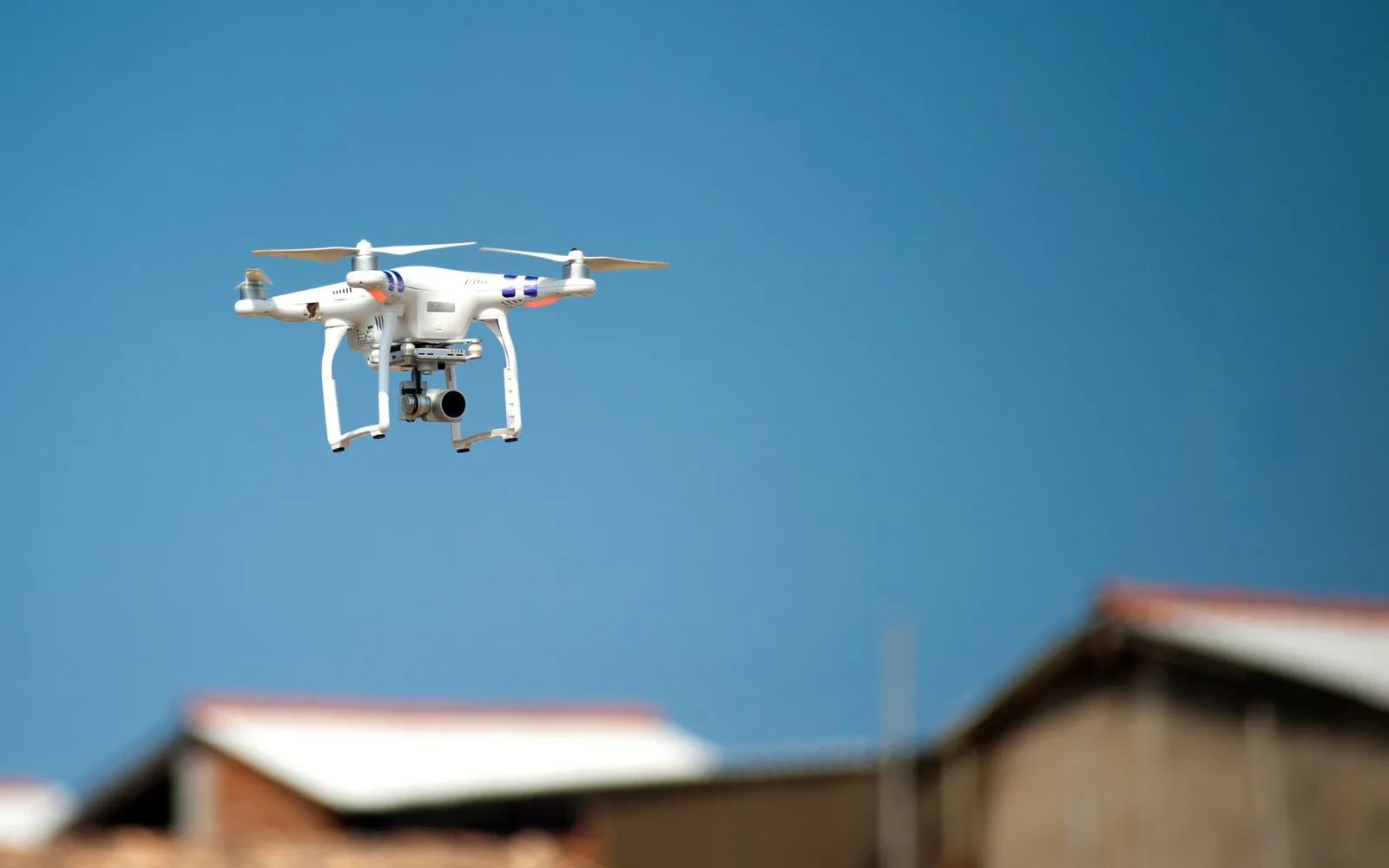
Fly control for homes and food premises
We look for the breeding medium first, because what is on the wing is the smallest part of the numbers and the rest is larvae and pupae sitting in waste or in a drain run. We treat the source, then the surfaces the flies rest on, then the way they are getting in.
-
Targeted, not broadcast
Product goes into cracks and runways, never sprayed across open surfaces.
-
Told before we start
What we will use, where it goes, and what to cover or move before we arrive.
-
A follow-up visit
We return after the first treatment, because what survives it does not show on the day.
-
Homes and businesses
Apartments and villas, and kitchens and stores that need a record of each visit.
Why spraying what is flying does not hold
Three reasons, and between them they explain why it comes straight back.
What you can see is the last stage
The adult on the wing is the end of the cycle, not the start of it. The numbers are larvae and pupae inside a wet medium, and a space spray never reaches them.
The source refills within days
Heat shortens the cycle from egg to adult to a matter of days, so any breeding medium left in place puts the numbers back before you notice the difference.
The way in is still open
Flies follow odour and the air moving out of a doorway. A gap under a service door or a torn mesh means a steady arrival, however often the place is sprayed.
Where the flies are actually coming from
Six things we open up before anything is applied, and each one changes the treatment.
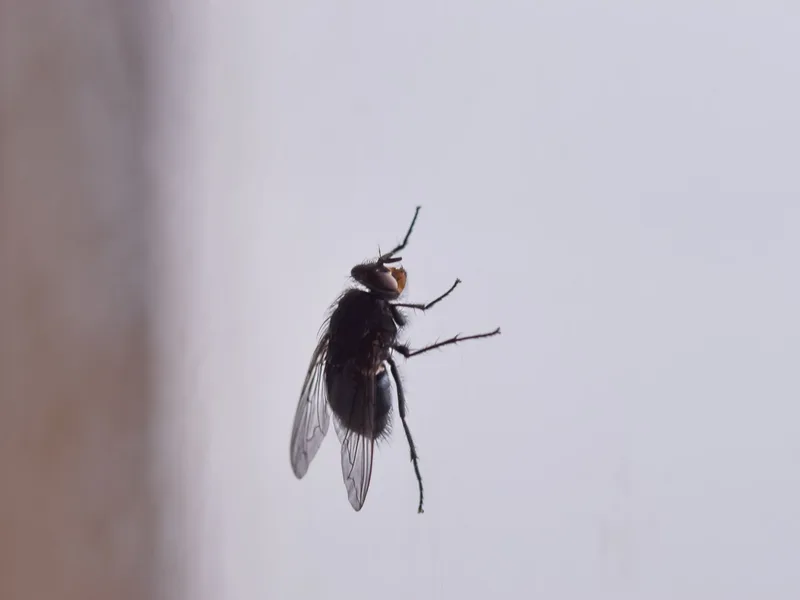
House fly
Numbers of this one mean a wet, decaying medium close by, so we go looking for waste and organic sludge before anything is opened.
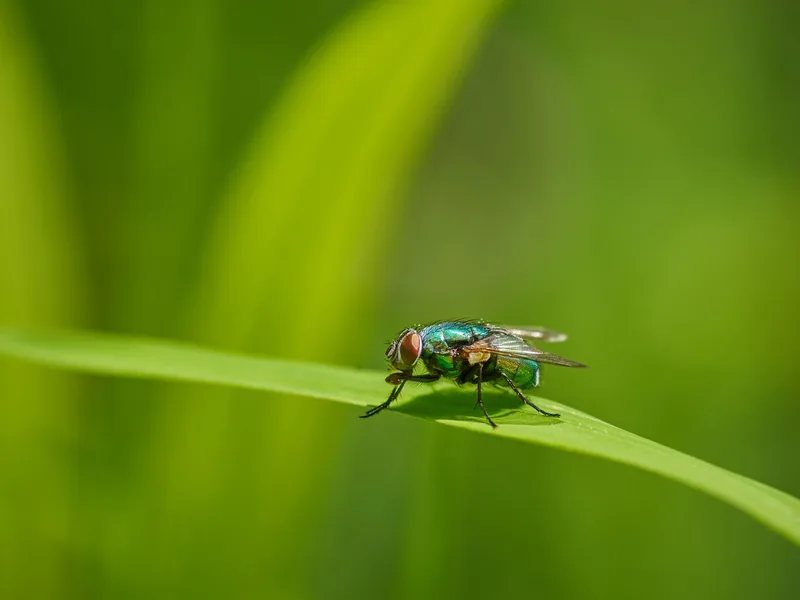
Blow fly
One or two of this size inside a room points to a dead animal in a void or a duct, and that is a search rather than a spray.

Fermenting residue
Vinegar flies breed in a spoonful of fermenting liquid under a unit or in the bottom of a bucket, so this search is measured in millimetres.

The bin base
The liquid that runs under the bag and dries around the base is a complete breeding medium, and washing it out does more than any spray around it.
The film inside a drain
Drain flies breed in the gel layer stuck to the pipe wall rather than in the water, which is why brushing and a foam work where pouring something down does not.

The service door and its mesh
A gap under the door or a torn mesh is a continuous way in, and we measure it before suggesting a screen, an air curtain or a different door routine.
How the visit runs
Four steps. It starts with an inspection, and the heaviest part is what gets removed, not what gets sprayed.
-
1
Inspect and trace the source
We trace the flies back to their medium: waste and the bin area, floor traps, drain runs and any standing organic wetness, and we identify the species from its size, its flight and where it settles.
-
2
Treat the breeding medium
Washing and scouring bin bases and floor traps, and a foam that treats the film inside the pipe, because removing the medium is the only thing that stops production.
-
3
Treat the resting surfaces
A fly spends most of its time settled on ceilings, cables, the tops of walls and the sunlit wall outside the door, and that is where the residual and the bait go, not into the air.
-
4
Proofing and the follow-up
We close the ways in and sort out the screens and the doors, then come back on a date matching the emergence of the pupae that were already in the medium on the first visit.
What fly control includes
-

A source tracing inspection
The species, the breeding medium and the route in, established before anything is applied.
-

Drains and floor traps
Scouring the film stuck inside the pipe and treating it with foam, which is where drain flies come from and almost nowhere else.
-

Residual on the resting surfaces
Ceilings, cables, the tops of walls and the sunlit wall outside the door, kept off food preparation surfaces.
-

Fly bait in protected positions
An attractant bait set at bin areas and service entrances, out of reach of children and pets and away from food.
-

Aftercare instructions
Ventilation, what to cover, and what needs a screen, an air curtain or a different waste routine.
-

A scheduled follow-up
A set date matching the emergence of the pupae, and re-treatment of any source still producing.

Exactly where the product goes
-
1
Inside joints, not on surfaces
Bait goes into a cabinet joint or a gap behind an appliance, in dots the size of a match head, in places no hand reaches and nothing touches in ordinary use.
-
2
Away from where food is
Nothing is sprayed on preparation surfaces, inside food cupboards, or across open floor in living rooms and bedrooms.
-
3
A little preparation first
Cover dishes, move water bowls. We give you the ventilation time for your treatment on the call, rather than a general number printed on a page.
-
4
Tell us the exceptions
Asthma, an allergy or a pregnancy in the home changes the product choice and the order of the visit. It is a change we make often and it does not delay the appointment.
Our work
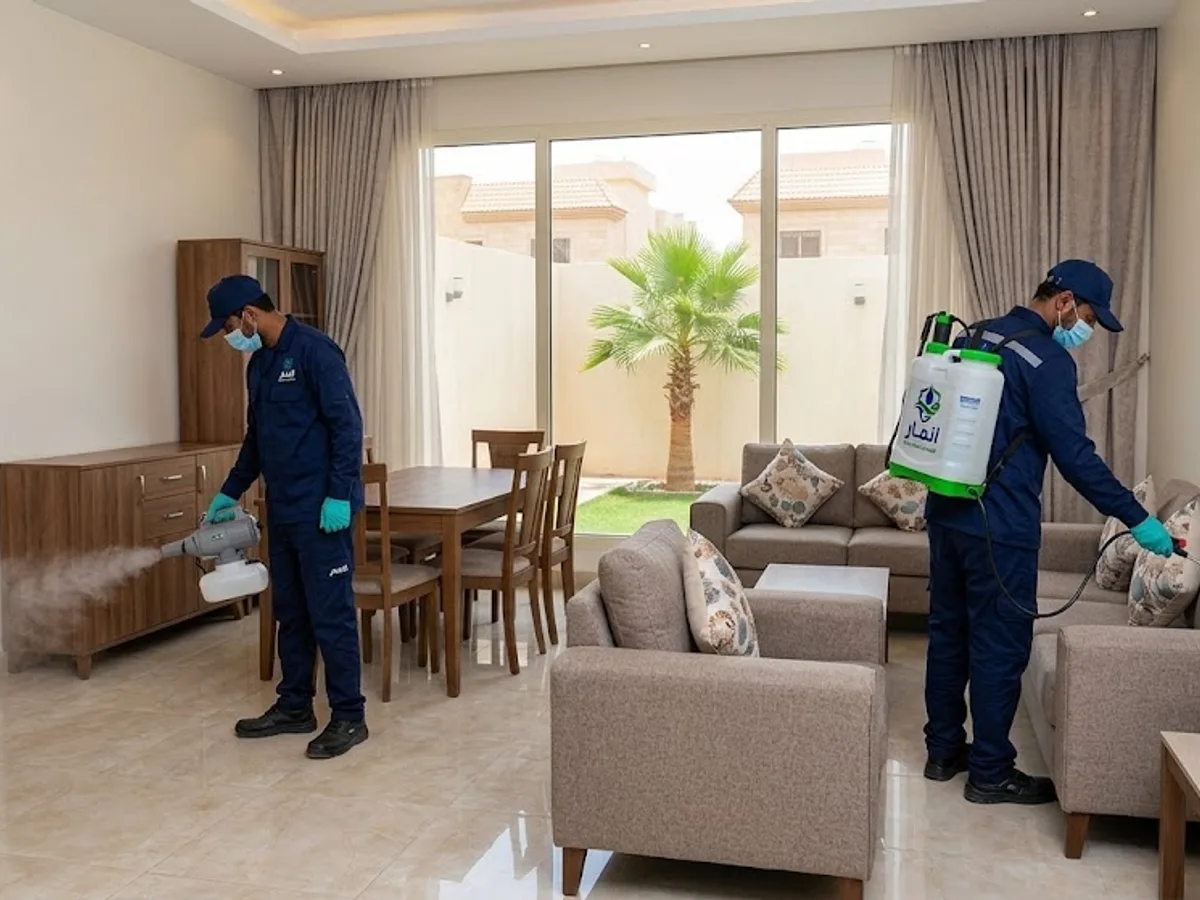
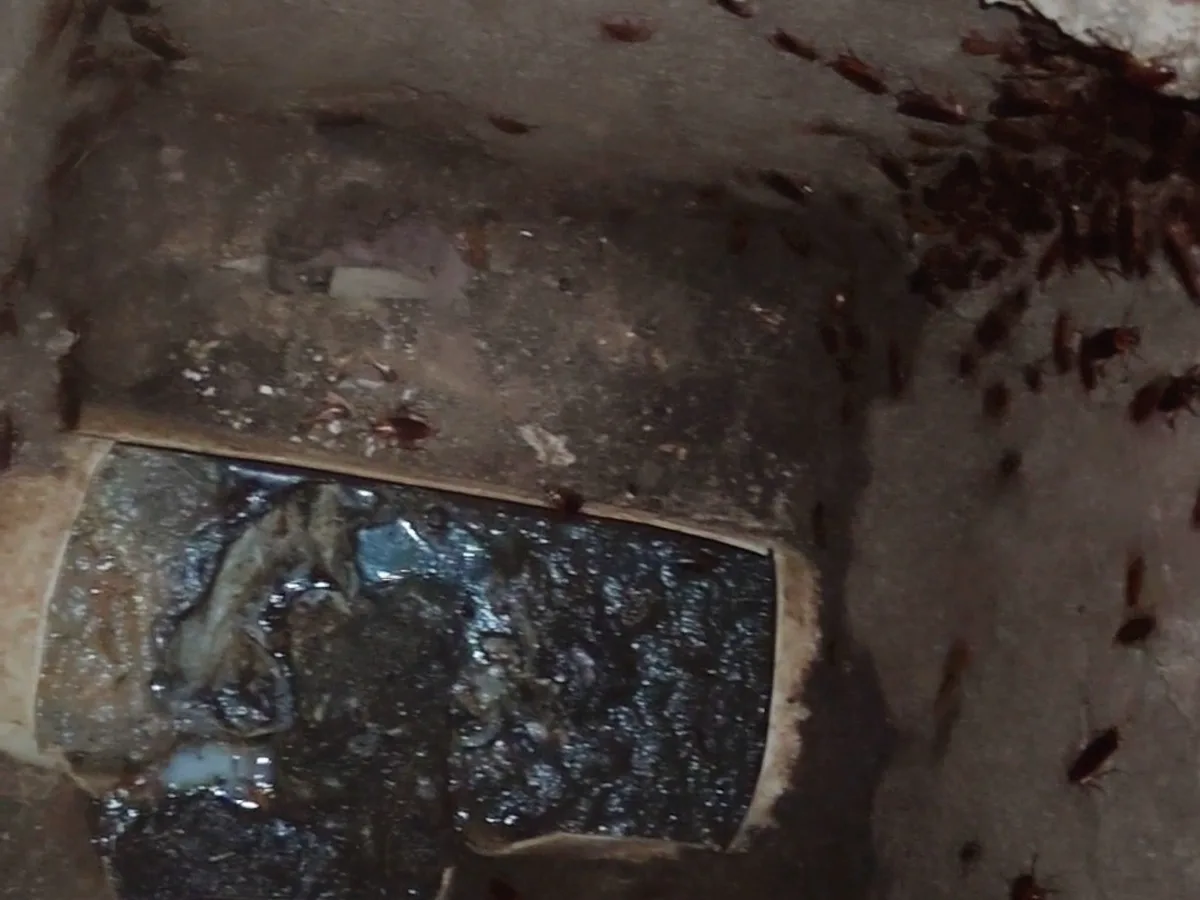
What customers say on Google
Excellent to deal with, very good service, and they explain. The staff explain how each product is used, completely honestly.
Translated from the Arabic original.
The termite problem disappeared after the treatment. Thank you.
Translated from the Arabic original.
We had a cockroach problem, and after the treatment, praise God, the cockroaches have largely gone. Their work is tidy and they are respectful to deal with. I recommend them.
Translated from the Arabic original.
We cover Jeddah and Makkah
Every district has its own page for this service. Tap yours.
Common questions
How many visits will it take?
Usually two: the first treatment of the source and the resting surfaces, then a follow-up matching the emergence of the pupae that were already in the medium. Where the source sits outside your boundary, a shared bin area or neighbouring ground, the answer becomes scheduled visits rather than a single one, which is what Preventive treatment covers.
We were sprayed last month and the flies were back in two days. Why?
Because a space treatment only reaches the adults in the air at that moment, which is the smallest part of the population. The pupae sitting in the waste or the drain emerge days later, and the arrivals through the door never stopped. If the medium is not washed out and the film inside the pipe is not treated, the result is measured in days rather than weeks.
Is an electric fly unit enough on its own?
It is useful as an indicator: it shows which side the pressure comes from and when it rises. It does not touch the breeding medium, so production carries on regardless. Position matters as well, since a unit near an open doorway draws flies in rather than reducing them, and it never goes above preparation surfaces or open food.
Does having a lot of flies mean the place is not clean?
No. Flies arrive from beyond your boundary, and the source is often a neighbour's bins, adjacent ground or a shared drain run. Sometimes it is a dead animal in a void or a duct after an earlier rodent treatment, and in that case we look for the body and remove it, which is also covered on Rodents and mice.
Is the treatment safe around children and food?
The method itself limits exposure: the residual goes on high resting surfaces, the bait sits in protected positions out of reach of children and pets, and neither goes on food preparation surfaces. We ask you to cover food and open dishes, and we give you the ventilation time for your situation on the call before we begin, because it changes with the product and the space. Preparation is set out in where mosquitoes breed.
What does fly control cost?
It is set after the inspection, because the figure follows where the source is, how many breeding media there are, the size of the bin area, whether the source sits inside your boundary or outside it, and how many visits are needed. Describe what you are seeing and send a photo of the area on WhatsApp, and we will give you an estimate before we come out.
Do you treat restaurants and businesses?
Yes, and on a different footing: a visit schedule, monitoring positions checked every time, and a written record of what was done and what needs correcting in the waste and drainage areas. See Restaurants and cafes or Annual contracts.
Other services
Scroll to see the rest of what we do.
-
 Residential
Cockroach control
Residential
Cockroach control
-
 Residential
Bed bug control
Residential
Bed bug control
-
 Residential
Termite control
Residential
Termite control
-
 Residential
Rodents and mice
Residential
Rodents and mice
-
 Residential
Mosquito control
Residential
Mosquito control
-
 Residential
Ant control
Residential
Ant control
-
 Residential
Gecko control
Residential
Gecko control
-
 Residential
Scorpion control
Residential
Scorpion control
-
 Residential
Snake control
Residential
Snake control
-
 Residential
Flea control
Residential
Flea control
-
 Residential
Bird and pigeon control
Residential
Bird and pigeon control
-
 Residential
Preventive treatment
Residential
Preventive treatment
-
 Residential
Disinfection
Residential
Disinfection
-
 Commercial
Annual contracts
Commercial
Annual contracts
-
 Commercial
Restaurants and cafes
Commercial
Restaurants and cafes
-
 Commercial
Hotels and apartments
Commercial
Hotels and apartments
-
 Commercial
Warehouses and factories
Commercial
Warehouses and factories
-
 Commercial
Schools and nurseries
Commercial
Schools and nurseries
-
 Commercial
Retail and malls
Commercial
Retail and malls
-
 Commercial
Rest houses and farms
Commercial
Rest houses and farms
-
 Commercial
Fumigation
Commercial
Fumigation
-
 Water tanks
Water tank cleaning
Water tanks
Water tank cleaning
-
 Water tanks
Water tank sterilization
Water tanks
Water tank sterilization
-
 Water tanks
Water tank sealing
Water tanks
Water tank sealing
-
 Water tanks
Tank leak repair
Water tanks
Tank leak repair
Need fly control? Describe what you saw and we will tell you what it needs
A short call is enough. We tell you what we can see and the full cost before we start, and you decide after that.