
Fly control in Harat Al Bab Al Jadid Makkah
Harat Al Bab Al Jadid is a new scheme south of Makkah with villas under construction and vacant plots between homes. Building sites, foundation pits and stacked materials shelter rodents and insects. Once villas are complete and gardens installed, moisture and new drainage networks arrive, and flies spread from their building-site refuge into occupied homes.
-
Targeted, not broadcast
Product goes into cracks and runways, never sprayed across open surfaces.
-
Told before we start
What we will use, where it goes, and what to cover or move before we arrive.
-
A follow-up visit
We return after the first treatment, because what survives it does not show on the day.
-
Homes and businesses
Apartments and villas, and kitchens and stores that need a record of each visit.
Why they keep coming back in Harat Al Bab Al Jadid
Dug foundations and stacked materials provide ideal shelter for rodents and insects before villas are finished. Flies hide there all day. The method is set out in full on the full Fly control page.
Building sites shelter flies perfectly until villas are occupied
Foundation pits, stacked materials and open sites provide dark, damp shelter for flies. Contractors leave food scraps and standing water. Flies breed rapidly in this environment then spread to occupied villas nearby.
Vacant plots and incomplete drainage remain a breeding source long term
Even when some villas are finished, surrounding vacant plots and incomplete drainage stay as fly sources. Wadi Uranah holds water after rain, speeding breeding.
A new zone means long term treatment as building continues around residents
For years of building and development, the district needs continuous treatment. Every completed villa adds a bathroom and garden, each a potential fly source.
Harat Al Bab Al Jadid on the map
Harat Al Bab Al Jadid sits about 3 km from Al Shubaikah Al Jadid and about 3.5 km from Al Ghazzah Al Jadid.
Open in Google MapsWhere the flies are actually coming from
A new scheme on Al Laith Road between Al Shamiyah Al Jadid and Al Ghazzah Al Jadid, with bare ground and open building sites, marked by the south western Haram boundary.
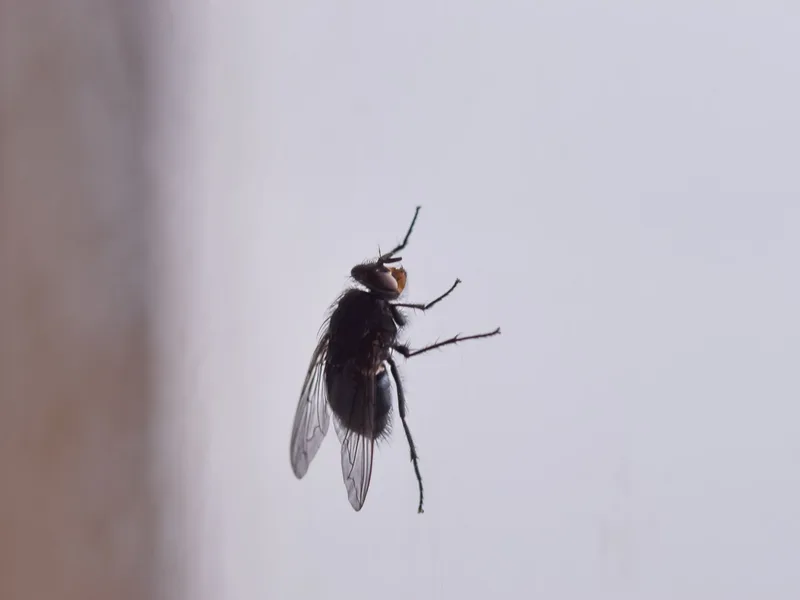
House fly
House flies breed heavily in Harat Al Bab Al Jadid in standing water and foundation pits before villas are finished.
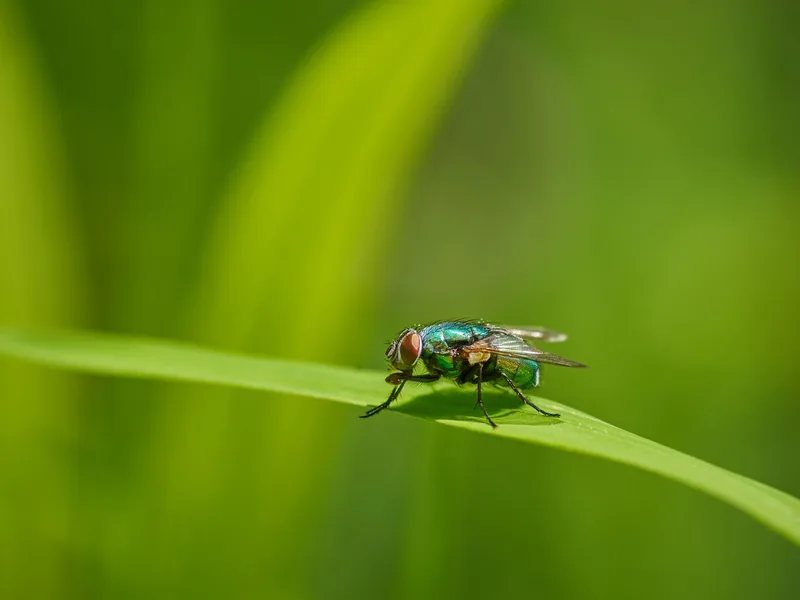
Blow fly
Blow flies are drawn to organic matter and wet soil on building sites and in newly planted gardens.
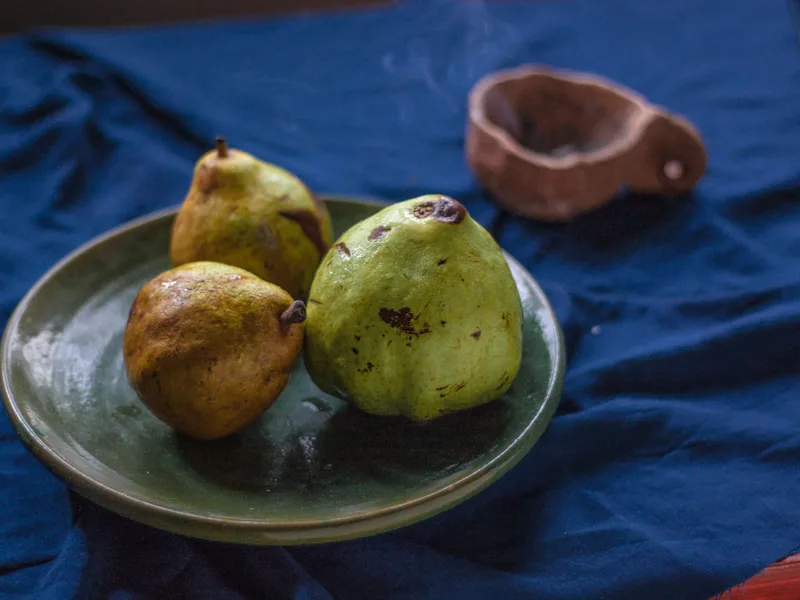
Fermenting residue
Food scraps left by workers and standing water in foundation pits provide rapid breeding.
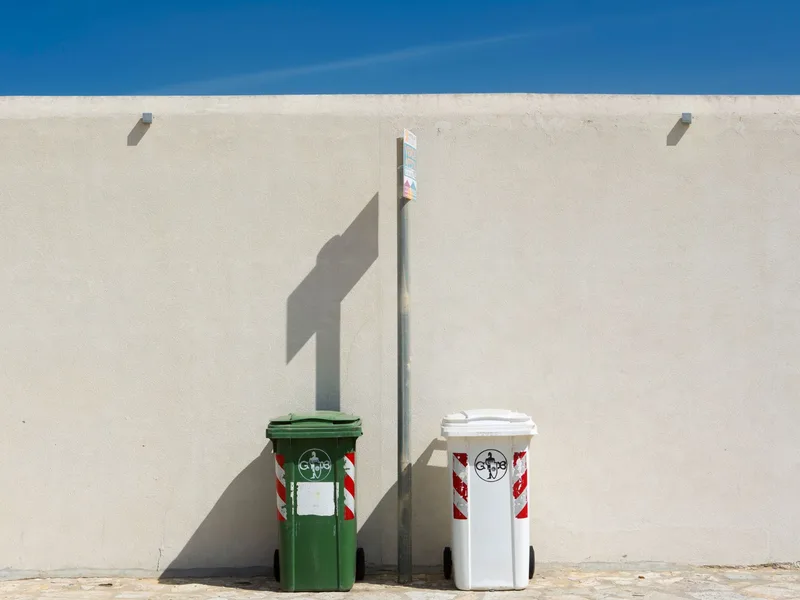
The bin base
Foundation pit bases collect water and moisture and become a breeding hotspot throughout construction.
The film inside a drain
Incomplete drains carry water and scraps slowly, allowing fast fly breeding.
The service door and its mesh
New villa doors and windows are untested, allowing flies from adjacent building sites easy entry.
How we work
-
1
Inspect and trace the source
We trace the flies back to their medium: waste and the bin area, floor traps, drain runs and any standing organic wetness, and we identify the species from its size, its flight and where it settles.
-
2
Treat the breeding medium
Washing and scouring bin bases and floor traps, and a foam that treats the film inside the pipe, because removing the medium is the only thing that stops production.
-
3
Treat the resting surfaces
A fly spends most of its time settled on ceilings, cables, the tops of walls and the sunlit wall outside the door, and that is where the residual and the bait go, not into the air.
-
4
Proofing and the follow-up
We close the ways in and sort out the screens and the doors, then come back on a date matching the emergence of the pupae that were already in the medium on the first visit.
What fly control includes
-

A source tracing inspection
The species, the breeding medium and the route in, established before anything is applied.
-

Drains and floor traps
Scouring the film stuck inside the pipe and treating it with foam, which is where drain flies come from and almost nowhere else.
-

Residual on the resting surfaces
Ceilings, cables, the tops of walls and the sunlit wall outside the door, kept off food preparation surfaces.
-

Fly bait in protected positions
An attractant bait set at bin areas and service entrances, out of reach of children and pets and away from food.
-

Aftercare instructions
Ventilation, what to cover, and what needs a screen, an air curtain or a different waste routine.
-

A scheduled follow-up
A set date matching the emergence of the pupae, and re-treatment of any source still producing.
What is different about South Makkah Sub-Municipality
South Makkah sub municipality is the belt of Crown Prince schemes south of Al Ukayshiyah, along the Al Laith road and the extension of Ibrahim Al Khalil Road to the Fifth Ring Road and the Non Muslims bypass. Most of it is still bare: granted plots awaiting houses, new villas standing alone, open building sites and unfinished paving and drainage. Wadi Uranah and its tributaries cross the low ground and hold water after rain, hills close it in, and rodents, reptiles and scorpions shelter in stacked materials and foundation pits before the neighbourhoods fill up.
Questions about this district
Why do flies thrive in a brand new district still under construction?
Building sites, foundation pits, standing water and stacked materials create ideal breeding conditions. Flies spread from there into occupied villas.
Does treatment differ while the villas are being built versus after completion?
Yes, greatly. During construction, treatment focuses on work sites and standing water. After completion, focus shifts to bathrooms, gardens and drains.
Do newly planted gardens in completed villas make the fly problem worse?
Yes. New gardens after the first irrigation provide ideal moisture. Flies find wet soil and compost excellent breeding ground.
Is the whole district treated at once or each villa separately?
Effective treatment covers building sites, vacant plots and occupied villas together. Flies move easily between these sources.
Does repeated rain in Wadi Uranah worsen the fly problem here?
Yes, significantly. Standing water after rain provides very rapid breeding ground. Treatment after rain is essential.
How many years does a new district take before flies stop being a problem?
Until construction and drainage and infrastructure are complete, flies remain a constant problem. This can take years, and treatment is essential throughout.
How much does fly control in Harat Al Bab Al Jadid cost?
It is set after the inspection, because the price follows the type of infestation, the size of the space, how far it has spread and the number of visits it needs. Send a photo and a description on WhatsApp and we will give you an estimate before we reach Harat Al Bab Al Jadid.
Nearby districts we cover
Other services in Harat Al Bab Al Jadid
Other services we provide to residents of Harat Al Bab Al Jadid.
-
 Residential
Cockroach control
Residential
Cockroach control
-
 Residential
Bed bug control
Residential
Bed bug control
-
 Residential
Termite control
Residential
Termite control
-
 Residential
Rodents and mice
Residential
Rodents and mice
-
 Residential
Mosquito control
Residential
Mosquito control
-
 Residential
Ant control
Residential
Ant control
-
 Residential
Gecko control
Residential
Gecko control
-
 Residential
Scorpion control
Residential
Scorpion control
-
 Residential
Snake control
Residential
Snake control
-
 Residential
Flea control
Residential
Flea control
-
 Residential
Bird and pigeon control
Residential
Bird and pigeon control
-
 Residential
Preventive treatment
Residential
Preventive treatment
-
 Residential
Disinfection
Residential
Disinfection
-
 Commercial
Annual contracts
Commercial
Annual contracts
-
 Commercial
Restaurants and cafes
Commercial
Restaurants and cafes
-
 Commercial
Hotels and apartments
Commercial
Hotels and apartments
-
 Commercial
Warehouses and factories
Commercial
Warehouses and factories
-
 Commercial
Schools and nurseries
Commercial
Schools and nurseries
-
 Commercial
Retail and malls
Commercial
Retail and malls
-
 Commercial
Rest houses and farms
Commercial
Rest houses and farms
-
 Commercial
Fumigation
Commercial
Fumigation
-
 Water tanks
Water tank cleaning
Water tanks
Water tank cleaning
-
 Water tanks
Water tank sterilization
Water tanks
Water tank sterilization
-
 Water tanks
Water tank sealing
Water tanks
Water tank sealing
-
 Water tanks
Tank leak repair
Water tanks
Tank leak repair
Need fly control in Harat Al Bab Al Jadid? Tell us what you saw and we will tell you what it needs
We reach Harat Al Bab Al Jadid at a time we agree, and you get the full cost before we start.