
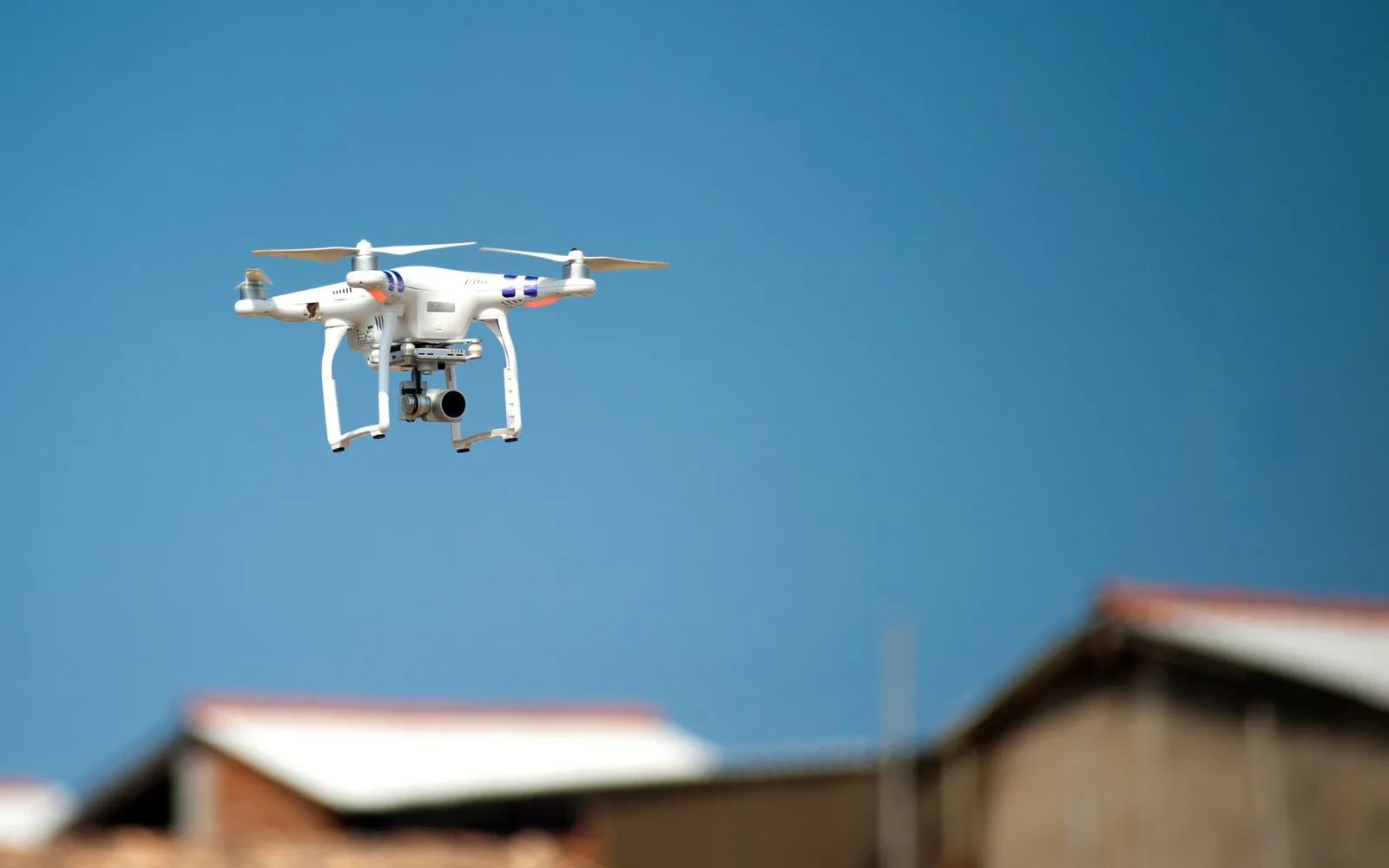
Fly control in Harat Al Kanadirah Jeddah
Harat Al Kanadirah, a small coastal quarter where tanker water serves the neighbourhood and old popular houses stand beside modern concrete blocks, creates a varied breeding ground for flies. The breeding sources here are diverse: fish waste near the shore, small restaurants at street level in older buildings, and limited drainage in the earliest homes.
-
Targeted, not broadcast
Product goes into cracks and runways, never sprayed across open surfaces.
-
Told before we start
What we will use, where it goes, and what to cover or move before we arrive.
-
A follow-up visit
We return after the first treatment, because what survives it does not show on the day.
-
Homes and businesses
Apartments and villas, and kitchens and stores that need a record of each visit.
Why they keep coming back in Harat Al Kanadirah
Flies here concentrate on the ground floor shops and cafes far more than on the flats above them, and slow drainage keeps the air moist even through the cooler months, extending the breeding season. The method is set out in full on how we approach Fly control.
Mixed shops and homes multiply feeding points
Street level restaurants and butchers draw flies from dawn, and the flats directly above them share no independent drainage. Treating the shops alone leaves the flats exposed to flies moving up from below through shared walls and gaps. All work must cover shops, passages and common areas together to succeed.
Limited water supply sustains breeding all year
Tanker water fills tanks once weekly or less, and older homes leak from worn pipework that keeps dampness steady. Flies find water scattered across many small sites rather than in one seasonal peak. Breeding stages remain spread through the year, not concentrated in summer months.
Sea salt air slows natural drying of drains
Salt air and high humidity prevent pipes and gutters from drying between showers, extending the window when fly larvae can develop. Fishing waste near the homes provides dense protein food that speeds up larval growth in this coastal moisture.
The character of Harat Al Kanadirah
Mixed district: shops at street level with homes above them
Street level shops mean flies do not stay in one flat but travel between the shop and the homes above via stairs and shared walls. Effective control needs coordination between flat residents and shop owners because flies escape from one to the other when one side is treated alone.
Where the flies are actually coming from
The seaside town relies on delivered water from tankers, and proximity to the Red Sea keeps humidity high. Mixed old and new buildings multiply food and water sources in close quarters, and many drains run slowly through ageing concrete.
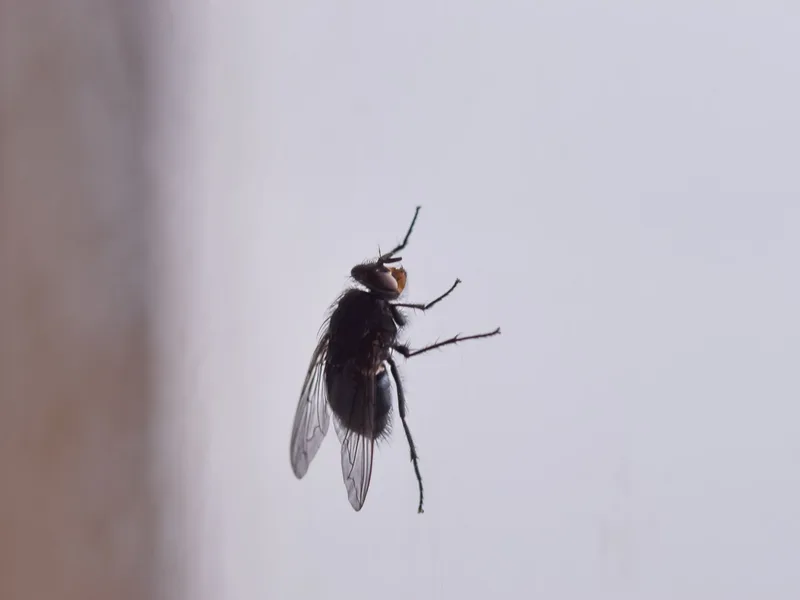
House fly
The common house fly dominates here, feeding on scraps in the street level shops and entering flats because the old shop fronts do not close tightly.
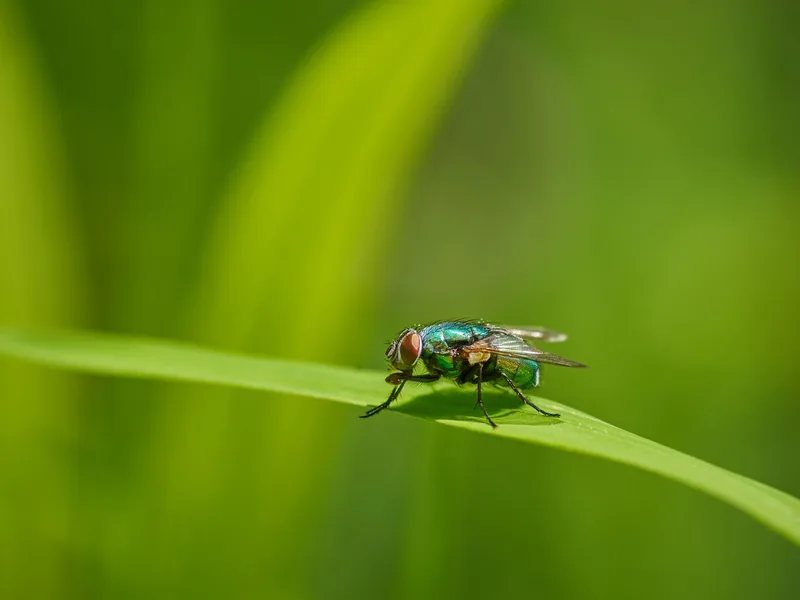
Blow fly
Blow flies are fewer but appear on fish and meat waste, develop faster through their stages than house flies, and are larger and more visible to residents.
Fermenting residue
Fermenting residue collects under chillers and shelves in shops and on slightly raised shop floors where water pools and food scraps gather together.
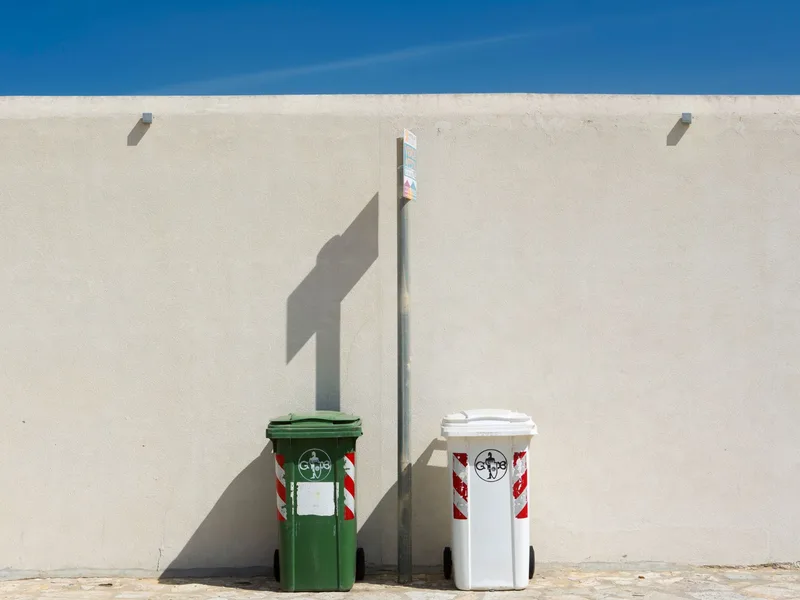
The bin base
The bin base stays saturated from the sea moisture and from water that drains slowly from nearby shops, making it an open breeding site that flies visit constantly.
The film inside a drain
The film inside old drains forms rapidly in aged pipework, and flies breed there in hidden thousands before emerging to fly upwards into the flats.
The service door and its mesh
The service door and its mesh screen are weak in old shops, and gaps below allow flies to crawl in from the street even when the mesh is in place.
How we work
-
1
Inspect and trace the source
We trace the flies back to their medium: waste and the bin area, floor traps, drain runs and any standing organic wetness, and we identify the species from its size, its flight and where it settles.
-
2
Treat the breeding medium
Washing and scouring bin bases and floor traps, and a foam that treats the film inside the pipe, because removing the medium is the only thing that stops production.
-
3
Treat the resting surfaces
A fly spends most of its time settled on ceilings, cables, the tops of walls and the sunlit wall outside the door, and that is where the residual and the bait go, not into the air.
-
4
Proofing and the follow-up
We close the ways in and sort out the screens and the doors, then come back on a date matching the emergence of the pupae that were already in the medium on the first visit.
What fly control includes
-

A source tracing inspection
The species, the breeding medium and the route in, established before anything is applied.
-

Drains and floor traps
Scouring the film stuck inside the pipe and treating it with foam, which is where drain flies come from and almost nowhere else.
-

Residual on the resting surfaces
Ceilings, cables, the tops of walls and the sunlit wall outside the door, kept off food preparation surfaces.
-

Fly bait in protected positions
An attractant bait set at bin areas and service entrances, out of reach of children and pets and away from food.
-

Aftercare instructions
Ventilation, what to cover, and what needs a screen, an air curtain or a different waste routine.
-

A scheduled follow-up
A set date matching the emergence of the pupae, and re-treatment of any source still producing.
Landmarks of Harat Al Kanadirah
Work in Harat Al Kanadirah is reached from the Jeddah Madinah Road, and scheduling aligns with shop hours and the residential rhythm of the quarter near Al Shati Mosque and the homes spread through the old part of town.
- King Abdullah University of Science and Technology
- Thuwal Corniche
- Jeddah Madinah Road
- Al Shati Mosque
Questions about this district
Why do flies gather so heavily around the butcher and fish stall?
Open shops face the street all day and attract flies from distances away. Discarded meat and fish waste spoils rapidly in the heat and coastal dampness, becoming a complete breeding site inside hours before it is even bagged for disposal.
Does treatment include the shared passageways and stairs?
Yes, passages and stairwells are where flies move between the shops below and the flats above. We treat these separately because they are the routes flies use to reach the upper floors, and leaving them untreated leaves escape paths open.
What role do the old pipelines play in the fly problem?
Leaking pipes provide constant water and dampness, and silt and food waste inside them form breeding grounds. Larvae develop inside worn pipes before they fly out as adults. Pipe maintenance is part of lasting control.
When is the fly season worst in Thuwal?
Flies are present all year because moisture and water remain constant from tanked supplies and leaking pipes, but summer heat makes waste decompose faster and speeds up larval stages, so numbers rise in the hot months.
Do you treat fish and meat shops differently from homes?
Yes, those shops need treatment almost daily because their waste is protein rich and spoils in hours. We focus on floor drains, gaps behind chillers and the areas behind and under display counters where offal and blood collect.
How do water tanks affect the fly population here?
Tanks are the neighbourhood's central water source, and flies sense water from far away. Uncovered tanks or leaking connections become insect breeding sites rapidly. Tank maintenance and sealed storage are part of the solution.
How much does fly control in Harat Al Kanadirah cost?
It is set after the inspection, because the price follows the type of infestation, the size of the space, how far it has spread and the number of visits it needs. Send a photo and a description on WhatsApp and we will give you an estimate before we reach Harat Al Kanadirah.
Nearby districts we cover
Other services in Harat Al Kanadirah
Other services we provide to residents of Harat Al Kanadirah.
-
 Residential
Cockroach control
Residential
Cockroach control
-
 Residential
Bed bug control
Residential
Bed bug control
-
 Residential
Termite control
Residential
Termite control
-
 Residential
Rodents and mice
Residential
Rodents and mice
-
 Residential
Mosquito control
Residential
Mosquito control
-
 Residential
Ant control
Residential
Ant control
-
 Residential
Gecko control
Residential
Gecko control
-
 Residential
Scorpion control
Residential
Scorpion control
-
 Residential
Snake control
Residential
Snake control
-
 Residential
Flea control
Residential
Flea control
-
 Residential
Bird and pigeon control
Residential
Bird and pigeon control
-
 Residential
Preventive treatment
Residential
Preventive treatment
-
 Residential
Disinfection
Residential
Disinfection
-
 Commercial
Annual contracts
Commercial
Annual contracts
-
 Commercial
Restaurants and cafes
Commercial
Restaurants and cafes
-
 Commercial
Hotels and apartments
Commercial
Hotels and apartments
-
 Commercial
Warehouses and factories
Commercial
Warehouses and factories
-
 Commercial
Schools and nurseries
Commercial
Schools and nurseries
-
 Commercial
Retail and malls
Commercial
Retail and malls
-
 Commercial
Rest houses and farms
Commercial
Rest houses and farms
-
 Commercial
Fumigation
Commercial
Fumigation
-
 Water tanks
Water tank cleaning
Water tanks
Water tank cleaning
-
 Water tanks
Water tank sterilization
Water tanks
Water tank sterilization
-
 Water tanks
Water tank sealing
Water tanks
Water tank sealing
-
 Water tanks
Tank leak repair
Water tanks
Tank leak repair
Need fly control in Harat Al Kanadirah? Tell us what you saw and we will tell you what it needs
We reach Harat Al Kanadirah at a time we agree, and you get the full cost before we start.