
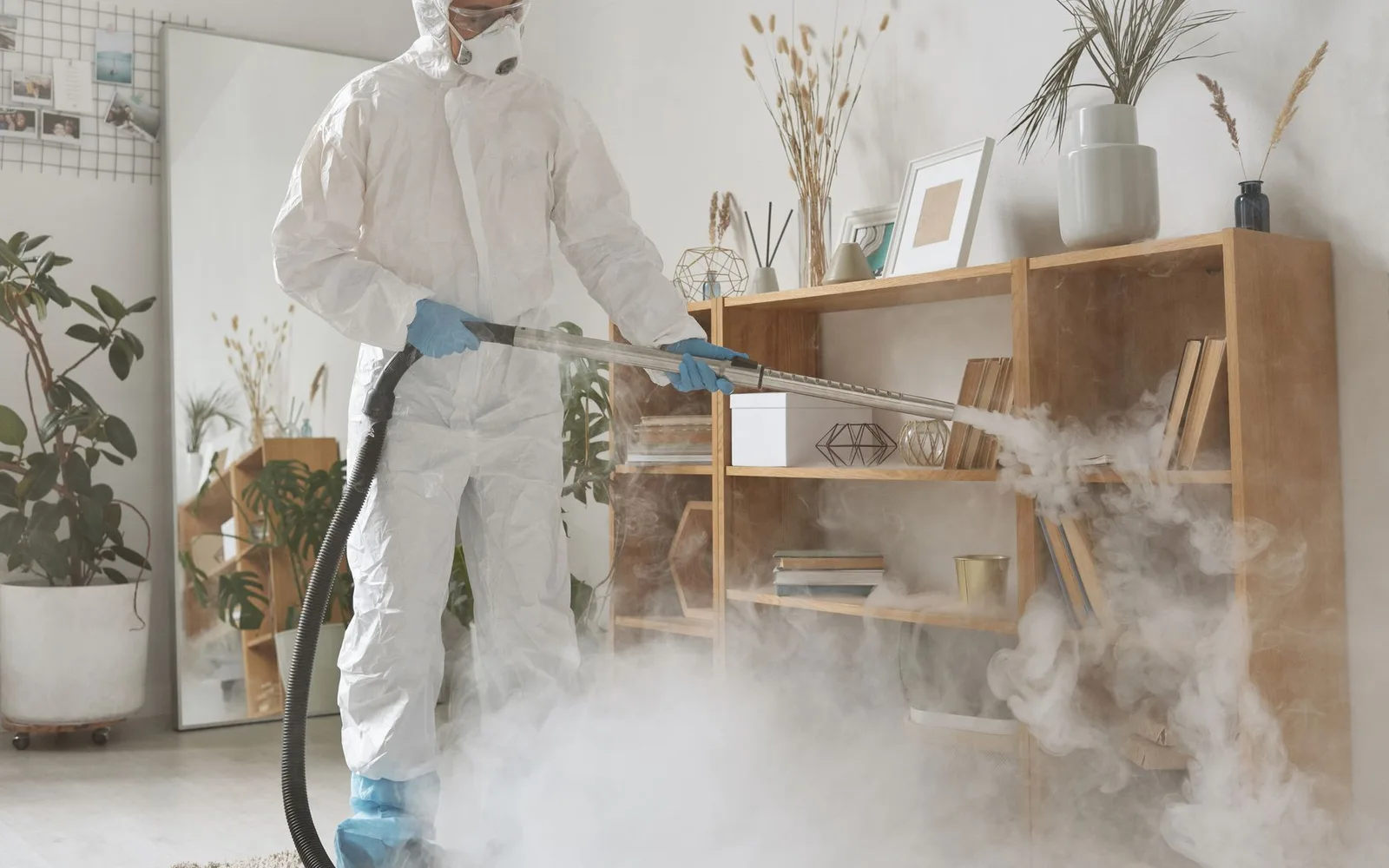
Fumigation in Al Jamiah Jeddah
Dense apartment blocks in Al Jamiah require coordination with multiple residents and shops on the ground floor. Shared lobbies, internal staircases and gaps between floors make sealing the space harder and demand close understanding of how air moves through the entire structure. Fumigation here means treating the building system as one, not floor by floor.
-
Targeted, not broadcast
Product goes into cracks and runways, never sprayed across open surfaces.
-
Told before we start
What we will use, where it goes, and what to cover or move before we arrive.
-
A follow-up visit
We return after the first treatment, because what survives it does not show on the day.
-
Homes and businesses
Apartments and villas, and kitchens and stores that need a record of each visit.
Why they keep coming back in Al Jamiah
Ground floor shops and restaurants attract insects constantly from the street and sewers. Residents upstairs face repeated infestations because pests climb through pipes and wall cavities, making single-flat treatment rarely effective alone. The method is set out in full on Fumigation in detail.
Shared lobbies link flats to each other
The shared stairway and lobby in the block allow gas to spread between flats if sealed correctly. But we must evacuate all residents at the same time and seal each flat from inside. Gas leaking from one flat to another reduces fumigation success because exposure becomes incomplete in connected spaces.
Ground floor shops remain a continuous pest source
Restaurants and shops on the ground floor receive insects from the street every day. If we do not fumigate the shop together with flats above, pests will climb through pipes and gaps and return to the residential floors within weeks of treatment.
Aged pipes allow pests to travel easily between levels
Sewage pipes and electrical conduits in walls provide direct pathways for pests. We inspect these cavities and clear them before fumigation, because insects may be hidden inside beyond the reach of the gas being released into the main spaces.
The character of Al Jamiah
Apartment district: residential blocks, repeated floors and shared entrances
Apartment blocks in Al Jamiah mix residential flats with commercial shops, meaning shared lobbies and pipes link the spaces together. Fumigation here must account for pests travelling easily between floors through openings and cavities in the shared structure.
What decides whether fumigation is the right method
Apartment buildings in Al Jamiah are relatively older and densely occupied, with flats stacked above retail shops and restaurants. Shared drainage and ageing pipes provide direct routes for pests to travel between floors and between connected units.
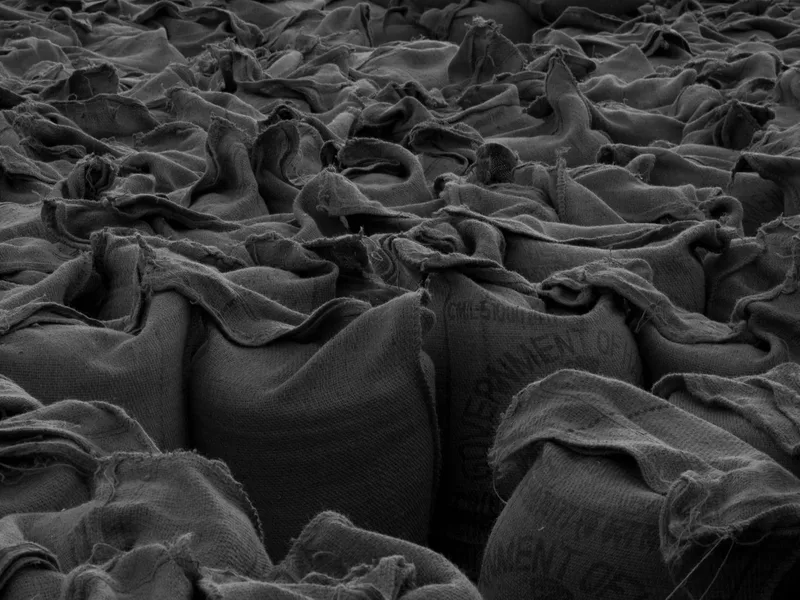
Grain and feed
Grain and feed stored in shop storerooms may be a continuous infestation source, particularly in restaurants and cafes around Al Jamiah Roundabout where food handling is constant.

Cartons and packaging
Cardboard boxes and food packaging in retail shops may harbour light infestations, so we inspect them before treatment and focus higher gas concentration on these areas.
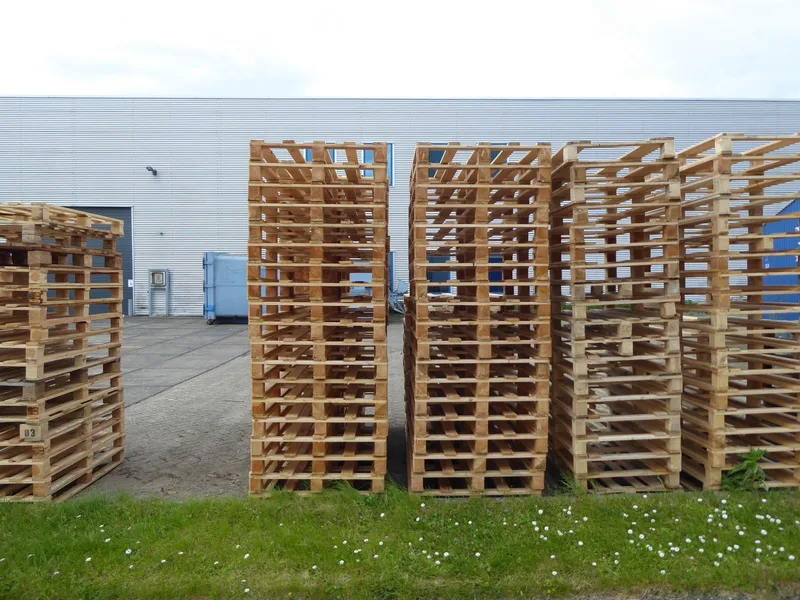
Pallets and timber
Pallets and timber used in makeshift storage may be infested with termites, especially in damp ground and basement areas where moisture collects.
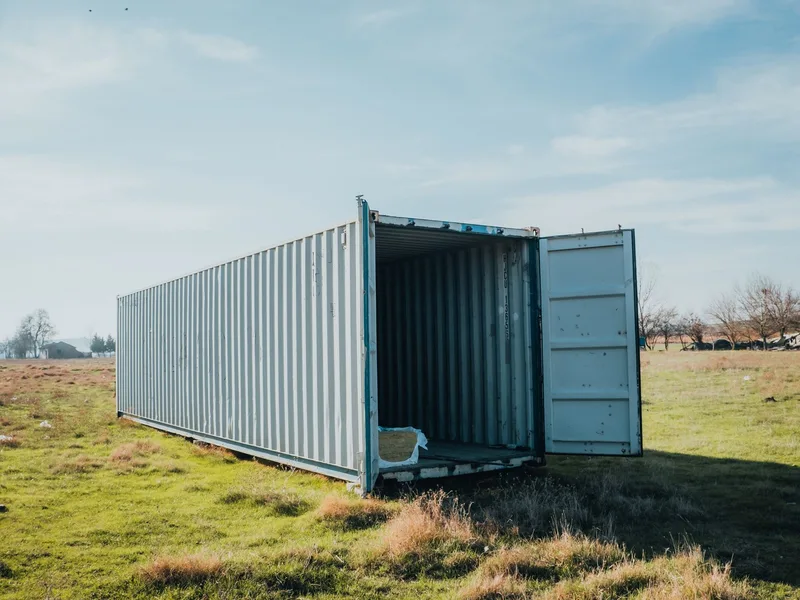
Containers and consignments
Small containers and consignments in shops and storerooms should be emptied or opened before fumigation to let gas reach inside sealed boxes and crates.
Where the gas escapes
Drain openings, pipes between floors and wall cavities are the main pest highways, and we seal them before fumigation begins to cut off escape routes.
Aeration afterwards
Aeration after fumigation requires opening all flat and shop doors together and using shared corridors to circulate air through the entire structure.
How we work
-
1
Survey and sampling
We identify the pest and its stage, go through the stock, the racking and the corners, measure the volume, and establish whether the place can be sealed as it stands or a sheeted enclosure has to be built over the stacks.
-
2
Sealing and preparation
Sheeting sealed to the floor around the stacks or the room closed up, vents, drains and door edges shut, the area emptied of people and warning signage placed before anything is introduced.
-
3
Gas introduction and monitored exposure
The dose is calculated from the volume, the commodity and its temperature, and readings through the period confirm the concentration is still there at the end of the exposure and not only at the start.
-
4
Aeration, clearance and the record
Forced ventilation, then repeated readings until the space is handed back, and a report covering what was found, how the enclosure was built, the exposure period, the readings and what needs correcting at goods inwards.
What fumigation includes
-

A recorded survey
Pest and stage, samples from the commodity, and the volume of the space, before fumigation is decided on at all.
-

Sealing the enclosure
Vents, floor drains, door edges and cable runs, which is where the gas goes if nobody closes them.
-

Dosing and monitored exposure
Dose set by volume, commodity and temperature, with readings tracking the concentration to the end of the exposure.
-

Aeration and clearance readings
Extraction and forced ventilation, then repeated readings, and the space is not opened to staff until a reading allows it.
-

Monitoring points afterwards
Pheromone traps and check points on the goods inwards route, because fumigation leaves nothing behind to protect what arrives next.
-

The report and a follow-up visit
A written record of the work and its readings, and a date to re-check the stock and deal with anything new.
Landmarks of Al Jamiah
Flats and shops near Al Jamiah Roundabout and Andalusia Hospital need special coordination before treatment begins. We access the buildings via Al Jamiah Road or Old Makkah Road and liaise with residents and shopkeepers to ensure the entire block is evacuated at the scheduled time.
- Old Makkah Road
- Al Jamiah Road
- Al Jamiah Roundabout
- Andalusia Hospital Al Jamiah
- Al Fath Park
- Stadium Road
Questions about this district
Can we fumigate just one flat or must the whole block be treated?
Fumigating a single flat may not be enough if pests are living in the shop below or in adjoining flats. Shared pipes let insects spread quickly between units. We recommend treating the flat and the shop below together at minimum.
What happens to the shop and restaurant below during apartment fumigation?
If the shop is open, it may be affected by fumigation gas leaking down from above. We recommend evacuating and treating the shop and restaurant too. If they refuse, we focus on sealing gaps between floors very tightly.
How long does fumigating a flat and shop together take in Al Jamiah?
Joint treatment of flat and shop takes roughly three to four hours. Time increases if there is heavy furniture or hidden voids. We measure gas concentration in each area to ensure complete fumigation throughout.
Will a neighbouring flat be affected by our fumigation treatment?
Yes, if gaps between flats are not sealed tightly. We recommend warning the neighbour beforehand and agreeing that they keep their doors firmly closed. We may recommend treating the adjoining flat too if the infestation is severe.
Do the shared stairwell and corridors need separate fumigation?
Shared passages and staircases can become a source of infestation themselves. If pests are seen there, we recommend treating the corridors together with the flat. This requires coordination with the building management and all residents.
How often should the flat and shop be fumigated together annually?
Frequency depends on infestation severity and shop operations. Food shops and restaurants may need treatment every three to six months. Residential flats typically need one annual fumigation if preventive measures are good.
How much does fumigation in Al Jamiah cost?
It is set after the inspection, because the price follows the type of infestation, the size of the space, how far it has spread and the number of visits it needs. Send a photo and a description on WhatsApp and we will give you an estimate before we reach Al Jamiah.
Nearby districts we cover
Other services in Al Jamiah
Other services we provide to residents of Al Jamiah.
-
 Residential
Cockroach control
Residential
Cockroach control
-
 Residential
Bed bug control
Residential
Bed bug control
-
 Residential
Termite control
Residential
Termite control
-
 Residential
Rodents and mice
Residential
Rodents and mice
-
 Residential
Mosquito control
Residential
Mosquito control
-
 Residential
Fly control
Residential
Fly control
-
 Residential
Ant control
Residential
Ant control
-
 Residential
Gecko control
Residential
Gecko control
-
 Residential
Scorpion control
Residential
Scorpion control
-
 Residential
Snake control
Residential
Snake control
-
 Residential
Flea control
Residential
Flea control
-
 Residential
Bird and pigeon control
Residential
Bird and pigeon control
-
 Residential
Preventive treatment
Residential
Preventive treatment
-
 Residential
Disinfection
Residential
Disinfection
-
 Commercial
Annual contracts
Commercial
Annual contracts
-
 Commercial
Restaurants and cafes
Commercial
Restaurants and cafes
-
 Commercial
Hotels and apartments
Commercial
Hotels and apartments
-
 Commercial
Warehouses and factories
Commercial
Warehouses and factories
-
 Commercial
Schools and nurseries
Commercial
Schools and nurseries
-
 Commercial
Retail and malls
Commercial
Retail and malls
-
 Commercial
Rest houses and farms
Commercial
Rest houses and farms
-
 Water tanks
Water tank cleaning
Water tanks
Water tank cleaning
-
 Water tanks
Water tank sterilization
Water tanks
Water tank sterilization
-
 Water tanks
Water tank sealing
Water tanks
Water tank sealing
-
 Water tanks
Tank leak repair
Water tanks
Tank leak repair
Need fumigation in Al Jamiah? Tell us what you saw and we will tell you what it needs
We reach Al Jamiah at a time we agree, and you get the full cost before we start.