
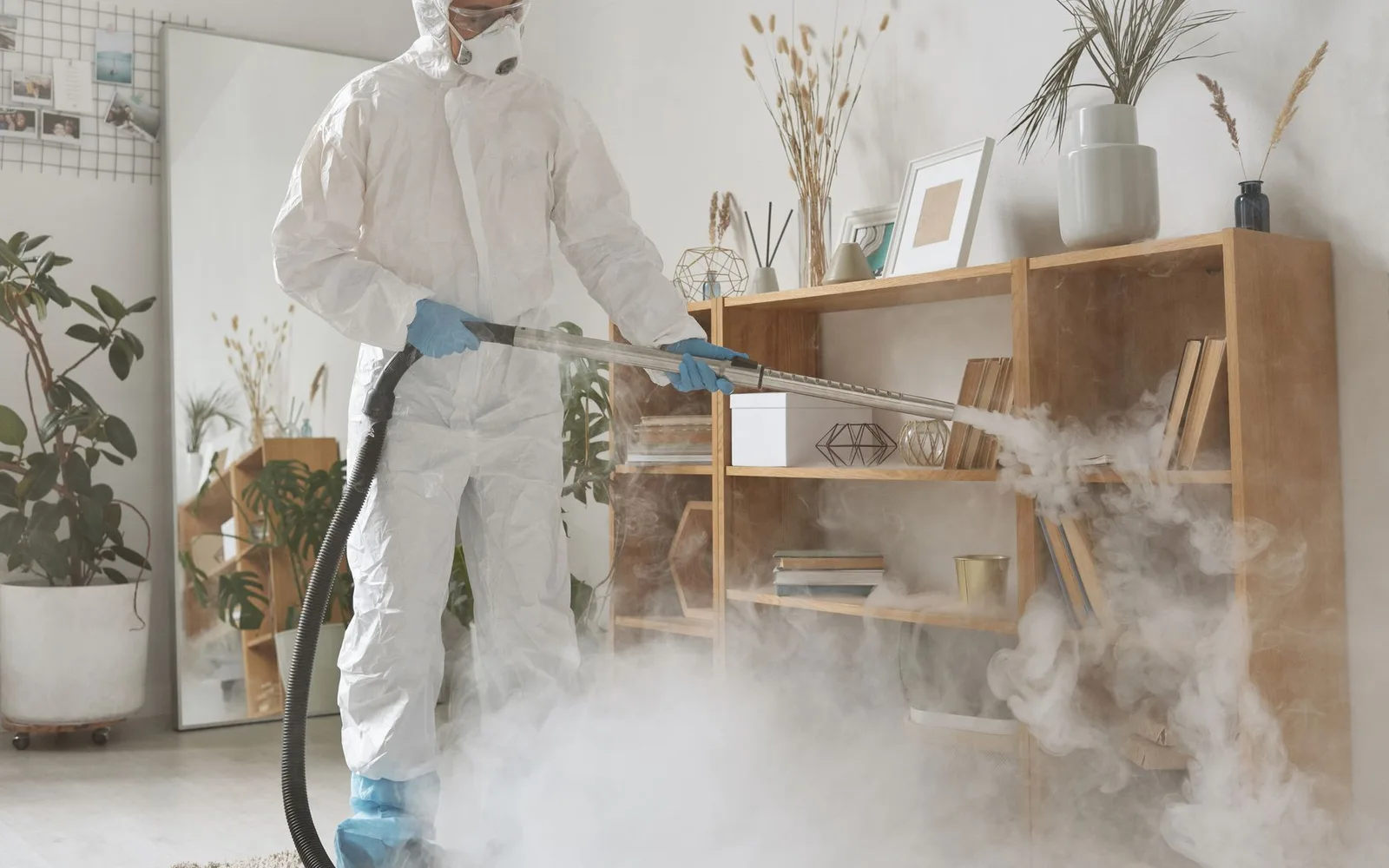
Fumigation for warehouses and consignments
We inspect the stock and identify the pest and its stage before anything is sealed, close the space or build an enclosure over the stacks, then introduce the gas at a calculated dose and hold the concentration for the full exposure. After that we aerate and take readings before the space is handed back.
-
Targeted, not broadcast
Product goes into cracks and runways, never sprayed across open surfaces.
-
Told before we start
What we will use, where it goes, and what to cover or move before we arrive.
-
A follow-up visit
We return after the first treatment, because what survives it does not show on the day.
-
Homes and businesses
Apartments and villas, and kitchens and stores that need a record of each visit.
Why spraying the store does not clear infested stock
Three reasons the insects were still in the cartons after the last treatment.
The insect is inside the goods, not on them
Weevil eggs and larvae develop inside the grain itself, and a borer larva sits inside the pallet timber. A surface residual stops at the packaging and reaches neither.
Gas needs a space that holds it
The effect comes from concentration multiplied by time. An enclosure leaking at the vents and the door edges delivers a partial dose, and a partial dose leaves survivors.
Nothing is left behind after the aeration
Fumigation ends the infestation present on the day and leaves no deposit to protect the stock afterwards. Without a goods inwards check and monitoring points, a later delivery brings it back in.
What decides whether fumigation is the right method
What we walk through on the survey, and why each one changes how the job is built and how long it runs.
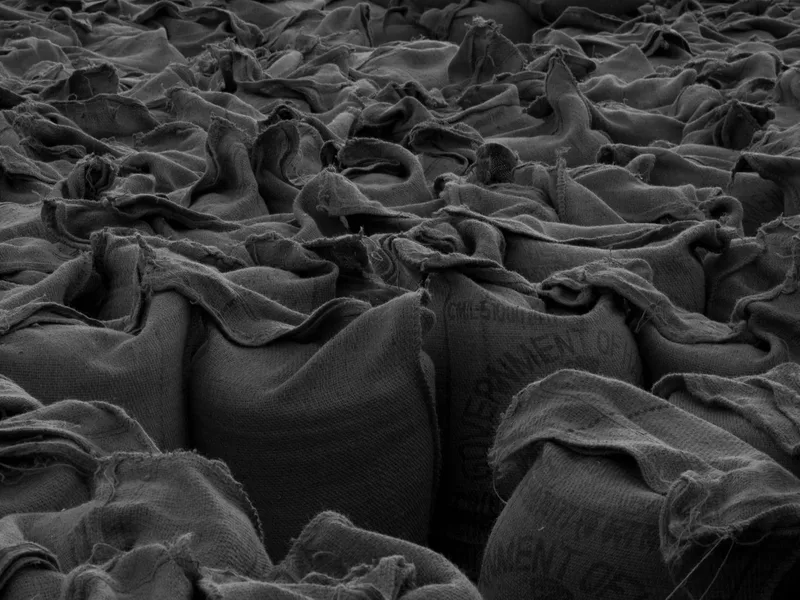
Grain and feed
The infestation sits inside the kernel, so we sieve a sample before setting the dose and the exposure period.

Cartons and packaging
Fine webbing and dust at the carton seams point to a stored product moth, and that travels with the pack rather than with the building.
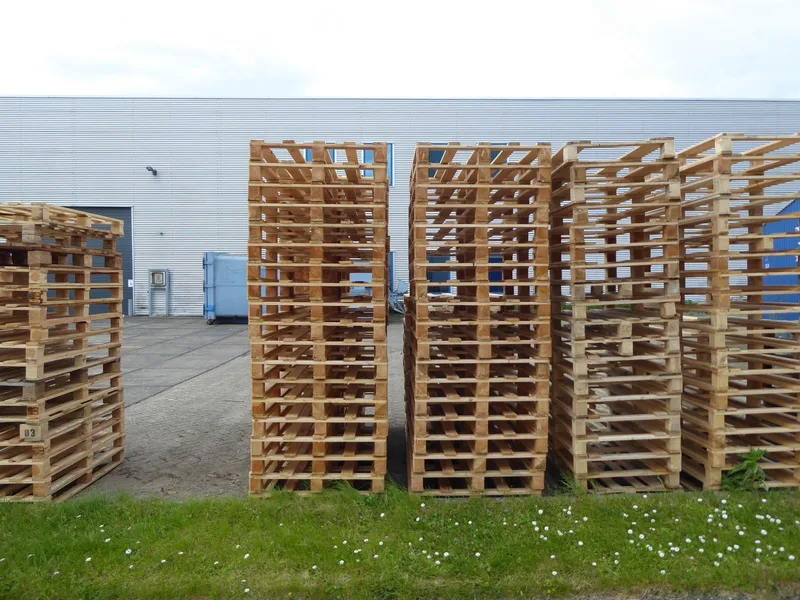
Pallets and timber
Small exit holes with frass beneath them mean a borer inside the timber, so the pallet is what gets treated, not the goods on it.
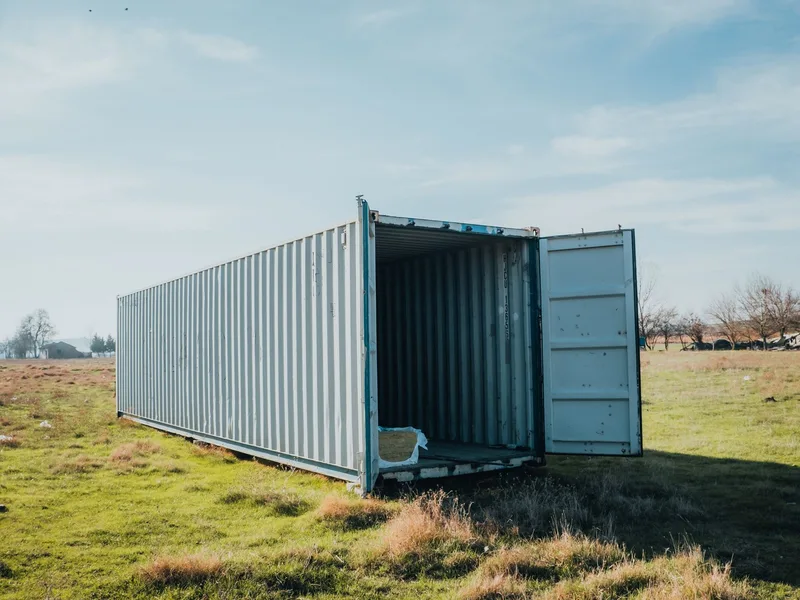
Containers and consignments
A container is an enclosure already, but the state of the door gaskets decides whether it will hold the gas.

Where the gas escapes
Vents, floor drains and cable runs are the first things closed, because they set the dose the enclosure will need.
Aeration afterwards
The extraction available and the airflow in the building decide when a reading clears the space, not the clock.
How the visit runs
Four steps. It starts with a survey of the stock and the space, and it does not end when the gas goes in.
-
1
Survey and sampling
We identify the pest and its stage, go through the stock, the racking and the corners, measure the volume, and establish whether the place can be sealed as it stands or a sheeted enclosure has to be built over the stacks.
-
2
Sealing and preparation
Sheeting sealed to the floor around the stacks or the room closed up, vents, drains and door edges shut, the area emptied of people and warning signage placed before anything is introduced.
-
3
Gas introduction and monitored exposure
The dose is calculated from the volume, the commodity and its temperature, and readings through the period confirm the concentration is still there at the end of the exposure and not only at the start.
-
4
Aeration, clearance and the record
Forced ventilation, then repeated readings until the space is handed back, and a report covering what was found, how the enclosure was built, the exposure period, the readings and what needs correcting at goods inwards.
What fumigation includes
-

A recorded survey
Pest and stage, samples from the commodity, and the volume of the space, before fumigation is decided on at all.
-

Sealing the enclosure
Vents, floor drains, door edges and cable runs, which is where the gas goes if nobody closes them.
-

Dosing and monitored exposure
Dose set by volume, commodity and temperature, with readings tracking the concentration to the end of the exposure.
-

Aeration and clearance readings
Extraction and forced ventilation, then repeated readings, and the space is not opened to staff until a reading allows it.
-

Monitoring points afterwards
Pheromone traps and check points on the goods inwards route, because fumigation leaves nothing behind to protect what arrives next.
-

The report and a follow-up visit
A written record of the work and its readings, and a date to re-check the stock and deal with anything new.

Exactly where the product goes
-
1
Inside joints, not on surfaces
Bait goes into a cabinet joint or a gap behind an appliance, in dots the size of a match head, in places no hand reaches and nothing touches in ordinary use.
-
2
Away from where food is
Nothing is sprayed on preparation surfaces, inside food cupboards, or across open floor in living rooms and bedrooms.
-
3
A little preparation first
Cover dishes, move water bowls. We give you the ventilation time for your treatment on the call, rather than a general number printed on a page.
-
4
Tell us the exceptions
Asthma, an allergy or a pregnancy in the home changes the product choice and the order of the visit. It is a change we make often and it does not delay the appointment.
Our work
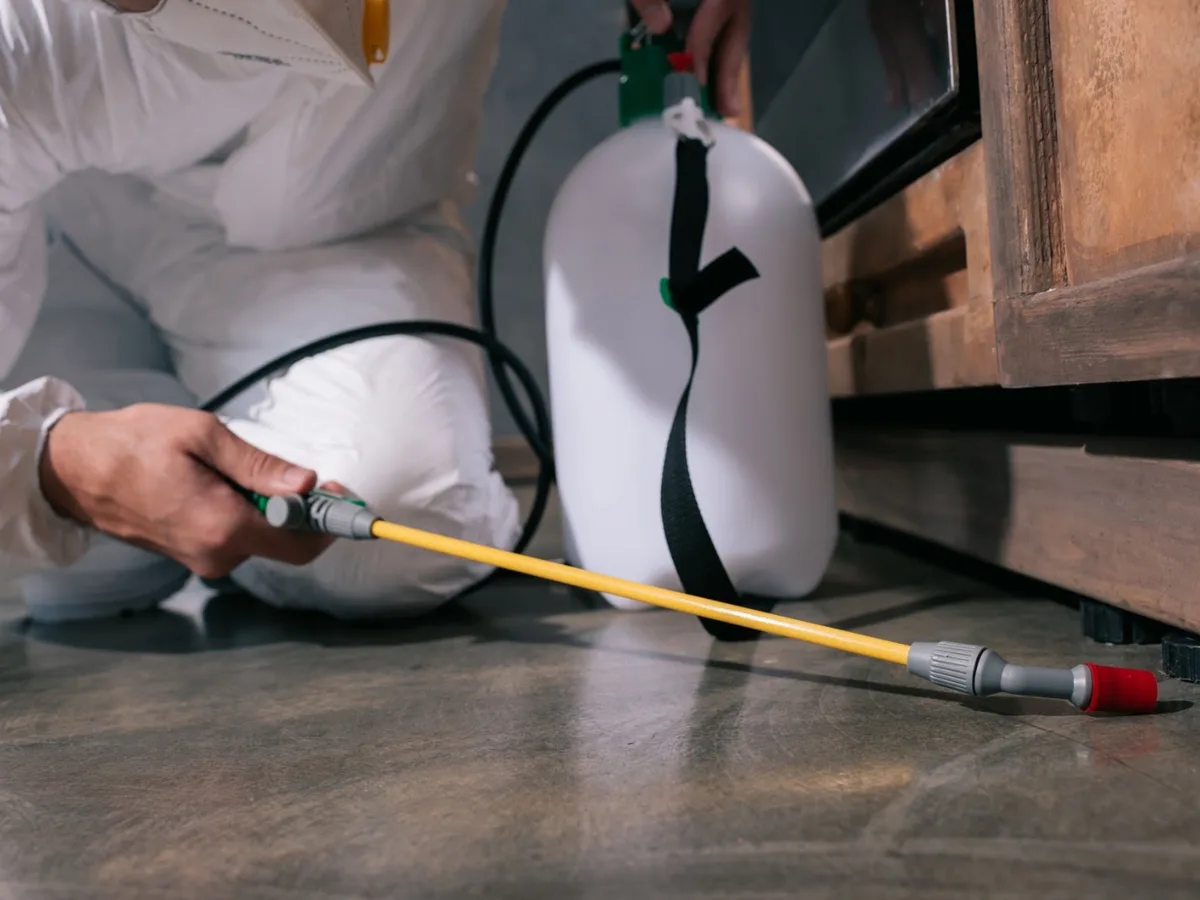
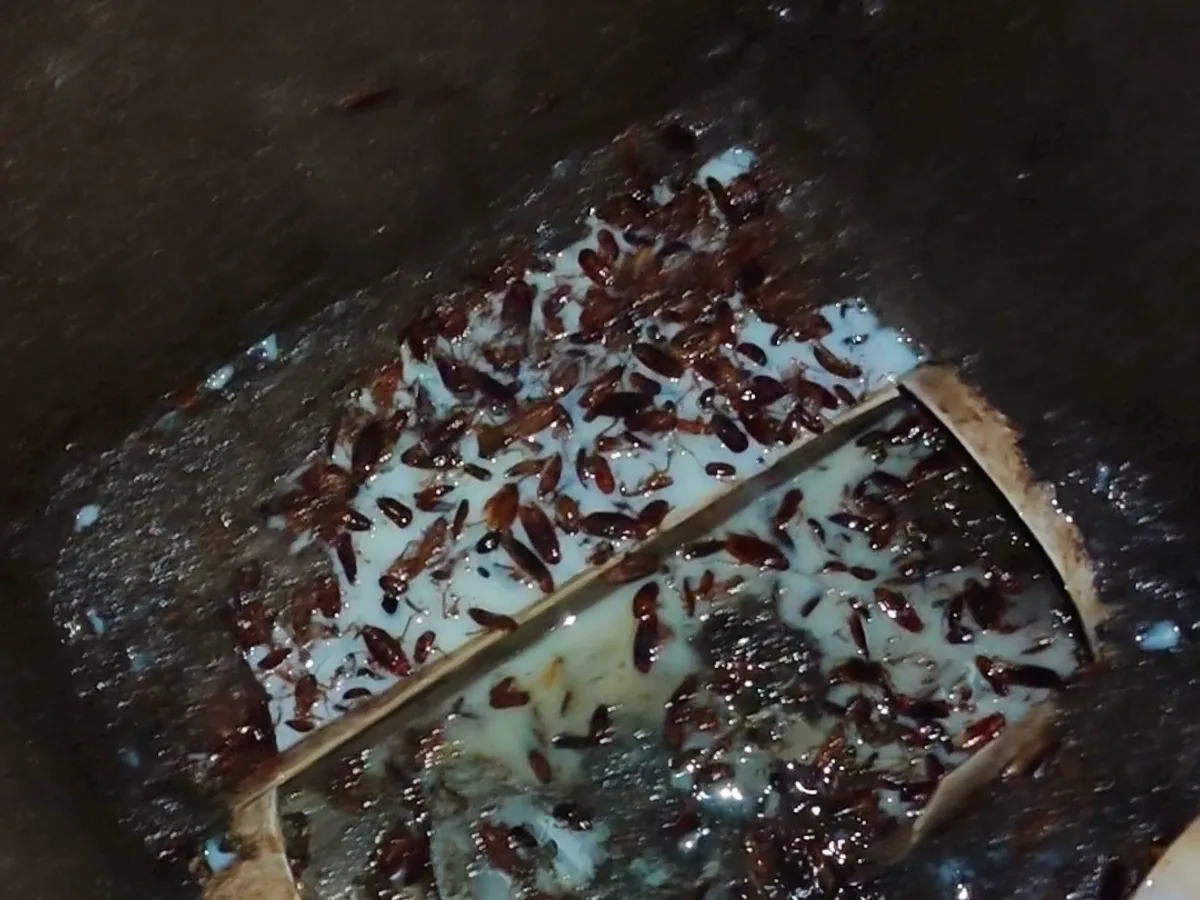
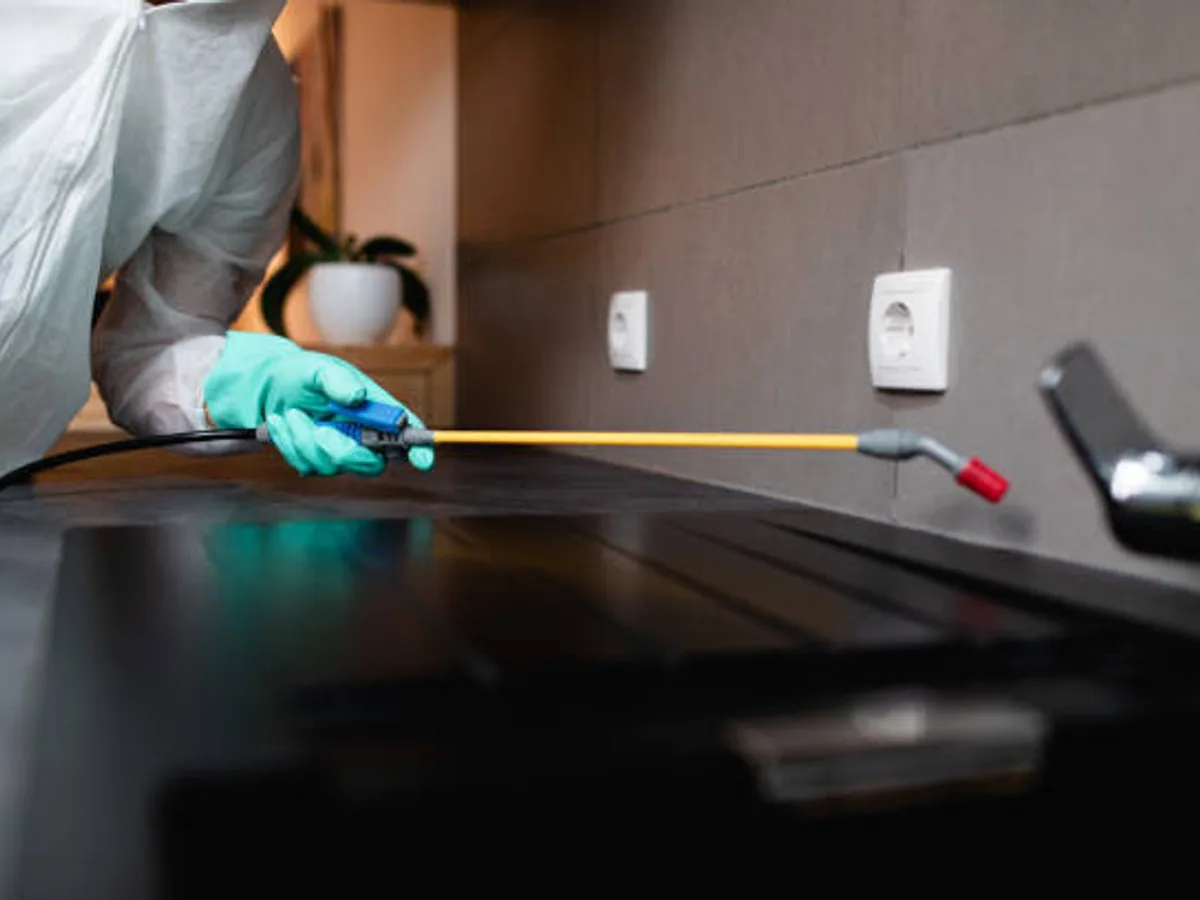
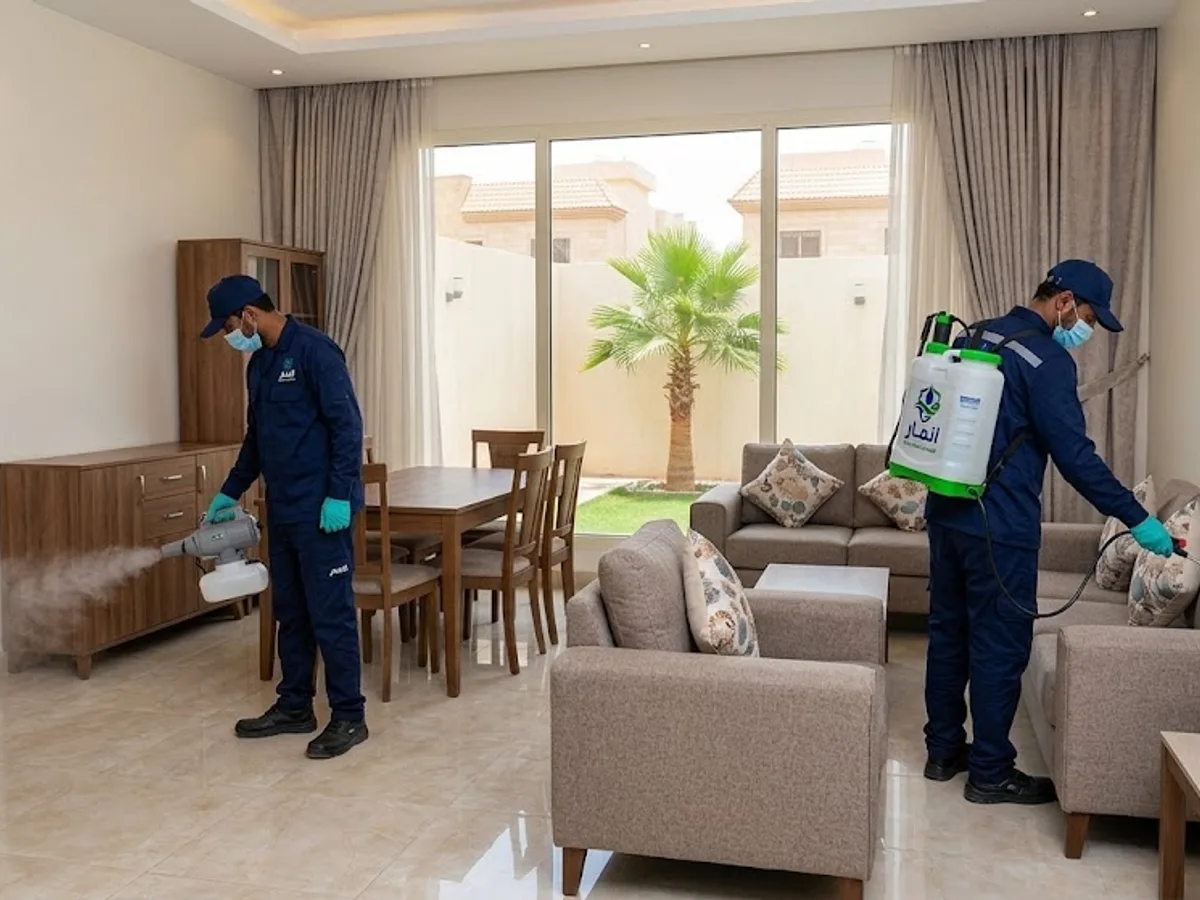
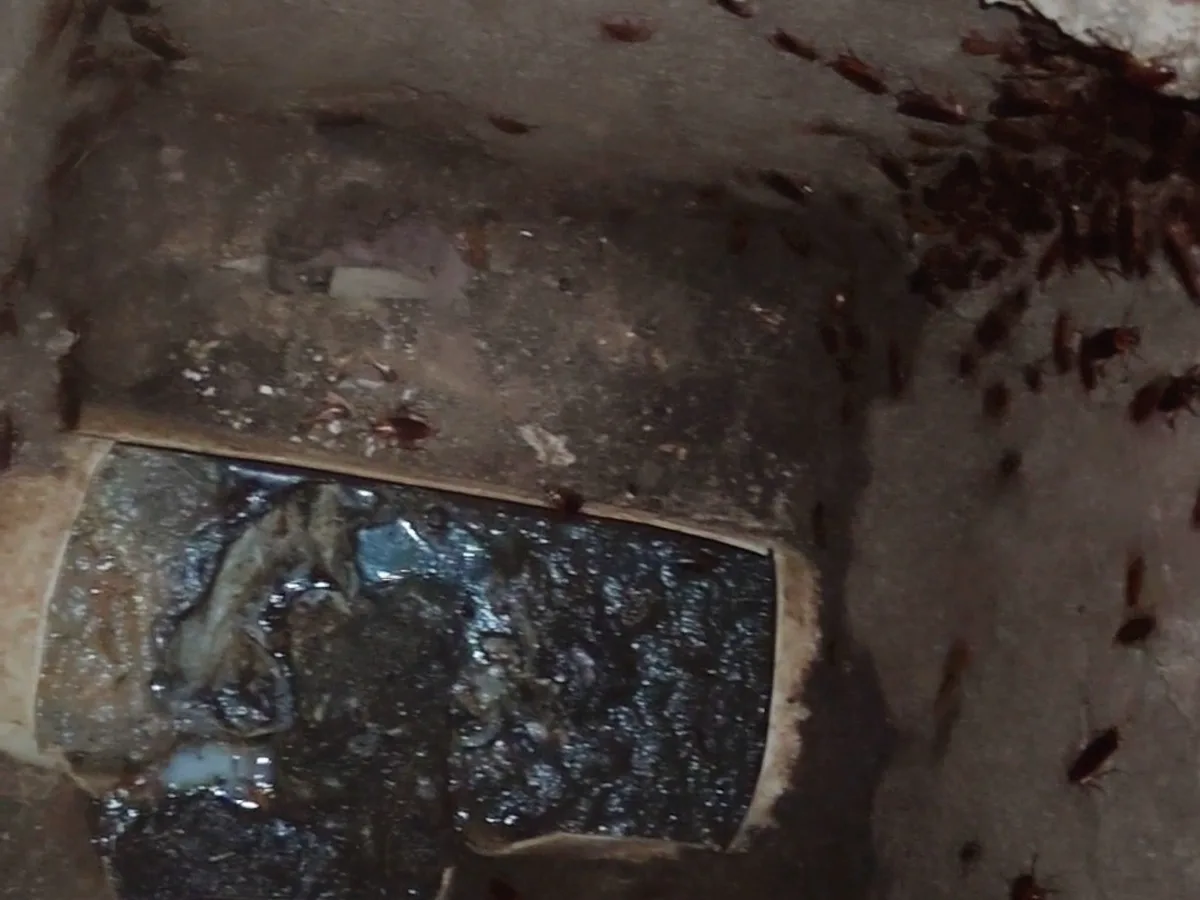
What customers say on Google
We had a cockroach problem, and after the treatment, praise God, the cockroaches have largely gone. Their work is tidy and they are respectful to deal with. I recommend them.
Translated from the Arabic original.
Excellent and courteous service, and the bed bugs were cleared from the house completely. I recommend them, God willing.
Translated from the Arabic original.
Excellent to deal with, very good service, and they explain. The staff explain how each product is used, completely honestly.
Translated from the Arabic original.
We cover Jeddah and Makkah
Every district has its own page for this service. Tap yours.
Common questions
What does fumigation cost?
It is set after the survey, because the figure follows the volume of the space, the commodity, whether the place can be sealed as it stands or an enclosure has to be built over the stacks, then the exposure period and the slot that fits your shipping. Send the dimensions and photos of the stock on WhatsApp and an estimate reaches you before we come out.
When can staff go back into the space?
After forced ventilation and readings that confirm the space is fit to enter. We do not print a fixed number of hours here, because it changes with the product, the size of the enclosure and the extraction available. We give you the figure on the call before we start, and the final reading goes into the report.
Why did the infestation come back after fumigation?
Because fumigation ends what was present on the day and leaves nothing behind to stop a fresh introduction. The source is usually an incoming consignment, or spillage sitting in the racking and the corners. The answer is a monitoring programme on the goods inwards route rather than another fumigation, which is what Warehouses and factories covers.
Do you fumigate houses?
Fumigation is work for a sealed enclosure and for stock. It is not the right method for a flat or a villa. A home is dealt with by treating the harbourage directly, as in Bed bug control or Cockroach control, which is quicker, less disruptive and better suited to a place people are living in.
Does the gas leave anything on the goods?
The gas moves through the commodity and then leaves with the ventilation, and it does not lay down a deposit on surfaces the way a residual does. Not every consignment tolerates it, though. Some goods and some packaging we rule out and propose another route instead, and we say so at the survey, before anything is agreed.
What stays with us after the work is finished?
A report setting out what the survey found, how the enclosure was built, the product, the dose and the basis it was calculated on, the exposure period, the concentration readings taken during it, the clearance reading before handover, and corrective points for goods inwards. That is the document an audit normally asks to see, and anyone who needs it regularly puts it inside Annual contracts so the file runs in sequence.
How do we prepare the store beforehand?
We agree a window when the area is empty of people, clear the space around it as the layout requires, shut the ventilation down and close its openings, move out anything we do not want exposed, and leave a walkway around the stacks so the sheeting can be sealed to the floor. The rest we go through with you on the survey, and the general points are in whether pesticides are safe around children.
Other services
Scroll to see the rest of what we do.
-
 Residential
Cockroach control
Residential
Cockroach control
-
 Residential
Bed bug control
Residential
Bed bug control
-
 Residential
Termite control
Residential
Termite control
-
 Residential
Rodents and mice
Residential
Rodents and mice
-
 Residential
Mosquito control
Residential
Mosquito control
-
 Residential
Fly control
Residential
Fly control
-
 Residential
Ant control
Residential
Ant control
-
 Residential
Gecko control
Residential
Gecko control
-
 Residential
Scorpion control
Residential
Scorpion control
-
 Residential
Snake control
Residential
Snake control
-
 Residential
Flea control
Residential
Flea control
-
 Residential
Bird and pigeon control
Residential
Bird and pigeon control
-
 Residential
Preventive treatment
Residential
Preventive treatment
-
 Residential
Disinfection
Residential
Disinfection
-
 Commercial
Annual contracts
Commercial
Annual contracts
-
 Commercial
Restaurants and cafes
Commercial
Restaurants and cafes
-
 Commercial
Hotels and apartments
Commercial
Hotels and apartments
-
 Commercial
Warehouses and factories
Commercial
Warehouses and factories
-
 Commercial
Schools and nurseries
Commercial
Schools and nurseries
-
 Commercial
Retail and malls
Commercial
Retail and malls
-
 Commercial
Rest houses and farms
Commercial
Rest houses and farms
-
 Water tanks
Water tank cleaning
Water tanks
Water tank cleaning
-
 Water tanks
Water tank sterilization
Water tanks
Water tank sterilization
-
 Water tanks
Water tank sealing
Water tanks
Water tank sealing
-
 Water tanks
Tank leak repair
Water tanks
Tank leak repair
Need fumigation? Describe what you saw and we will tell you what it needs
A short call is enough. We tell you what we can see and the full cost before we start, and you decide after that.