
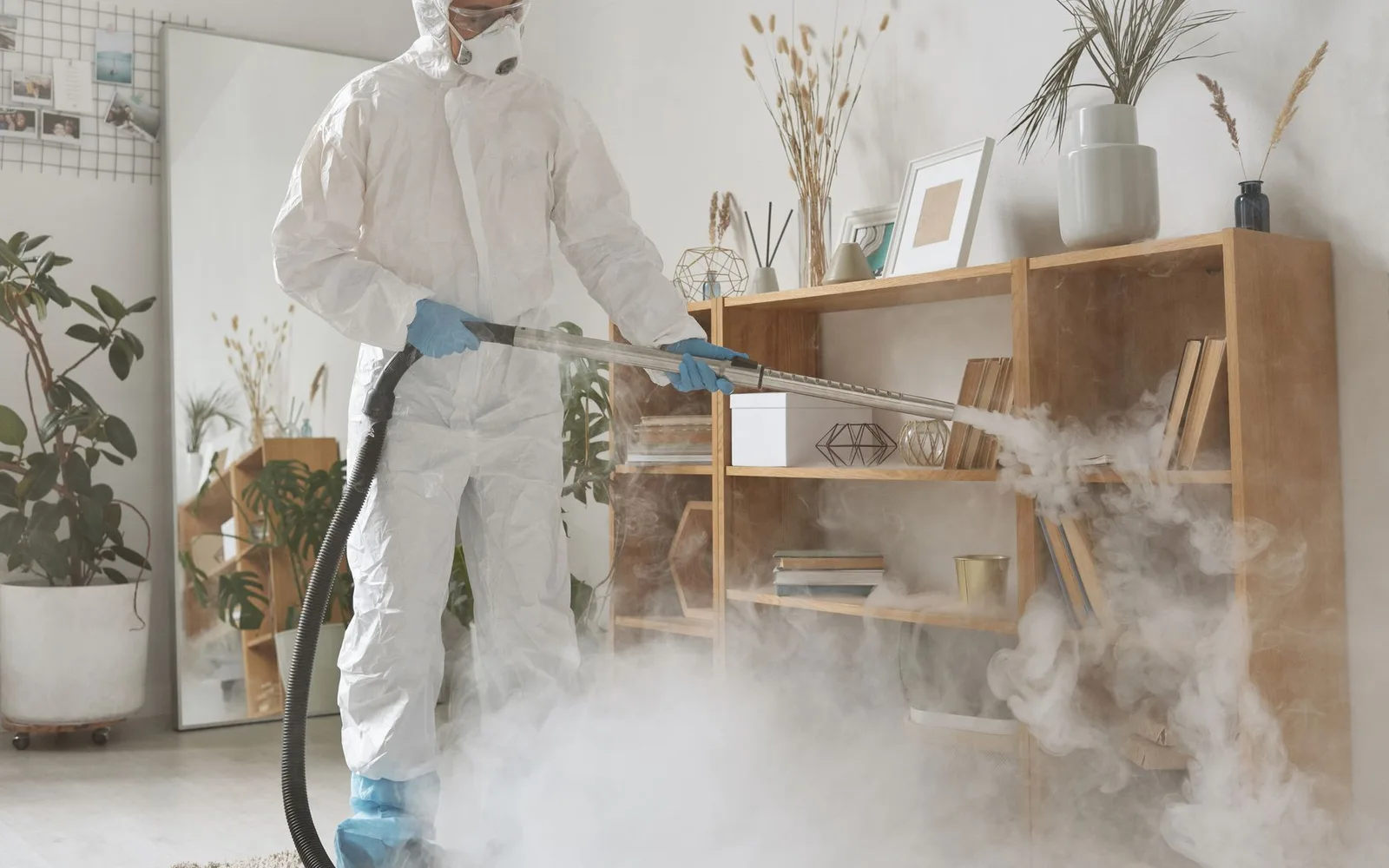
Fumigation in Al Kandarah Jeddah
Al Kandarah is a central commercial district in south Jeddah between King Fahd Road and Old Makkah Road where the famous Kandarah Souq and Jeddah National Hospital neighbour crowded shops and old apartment buildings. Nearness to the sea, the Islamic Port and Arbaeen lagoon raises humidity, whilst old drainage and narrow lanes make infestations spread fast.
-
Targeted, not broadcast
Product goes into cracks and runways, never sprayed across open surfaces.
-
Told before we start
What we will use, where it goes, and what to cover or move before we arrive.
-
A follow-up visit
We return after the first treatment, because what survives it does not show on the day.
-
Homes and businesses
Apartments and villas, and kitchens and stores that need a record of each visit.
Why they keep coming back in Al Kandarah
The port, sea and dense restaurants mean rats and cockroaches are present in every corner, and infestation in one shop spreads to neighbouring buildings within days. The method is set out in full on what Fumigation involves.
Narrow lanes and adjacent commercial storage
The Kandarah Souq and Old Makkah Road contain very narrow lanes where shops adjoin shops and storage rooms adjoin storage rooms. Narrow lanes allow rodents to move easily from shop to shop and insects can travel through thin shared walls. Treating one shop alone may fail unless neighbouring shops are also treated at the same time.
High humidity from the sea, port and lagoon
Al Kandarah stands very close to the sea, the Islamic Port and Arbaeen lagoon, and year round humidity provides the ideal environment for insects and rodents. High humidity can reduce gas effectiveness and extend exposure time, and metal fittings and seals can rust quickly after treatment.
Hotels, restaurants and storage: three infestation layers
Hotels receive guests from different regions who may carry insects in their luggage. Restaurants open their doors from dawn to late evening and receive insects from the street. Commercial stores stack goods shipped directly from the port. Together this means infestation is not local but a permanent feature of the district.
Landmarks of Al Kandarah
Access to Al Kandarah follows King Fahd Road and Old Makkah Road which border the famous Kandarah Souq, and work is organised near Jeddah National Hospital and through the souq's narrow passages.
- King Fahd Road
- Old Makkah Road
- King Khalid Road
- Kandarah Souq
- Jeddah National Hospital
What decides whether fumigation is the right method
An old central commercial district on King Fahd Road and Old Makkah Road near the sea and port, where crowded popular markets, old buildings and hotels sit with ageing drainage networks and very narrow lanes.
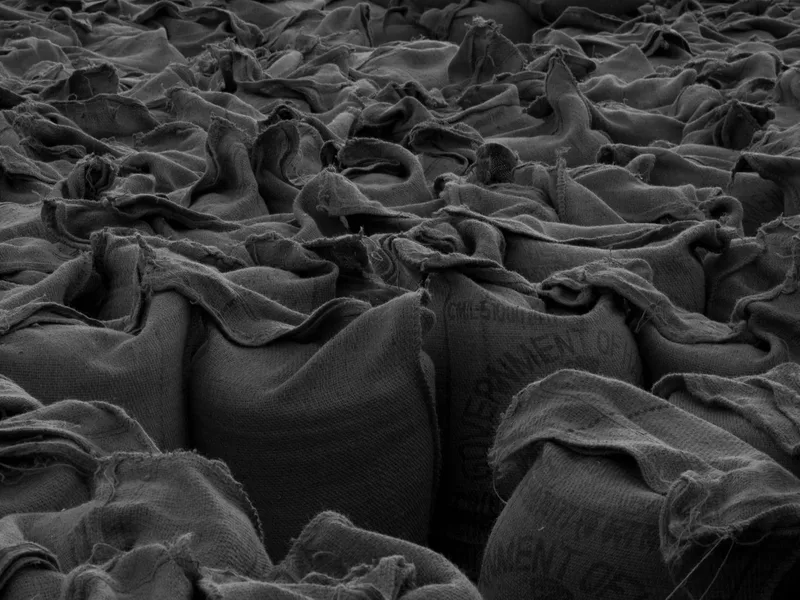
Grain and feed
Shops and stores in the Kandarah Souq stock flour, sugar, rice, spices, coffee and tea directly from port shipments with no initial processing.

Cartons and packaging
Cardboard and sacks from daily port deliveries stack in tight storage rooms and lanes without cleaning.
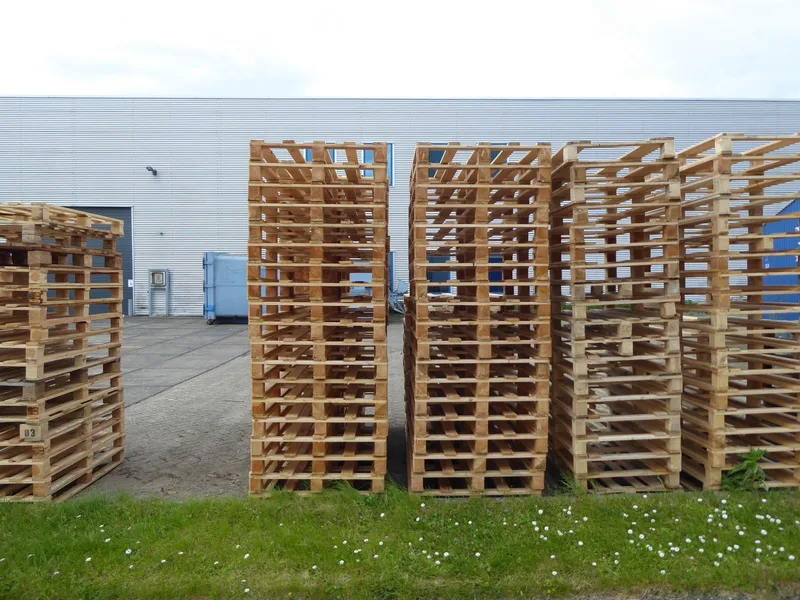
Pallets and timber
Timber, wooden boards from sea shipments and used metal may stack quickly in storerooms and side spaces.
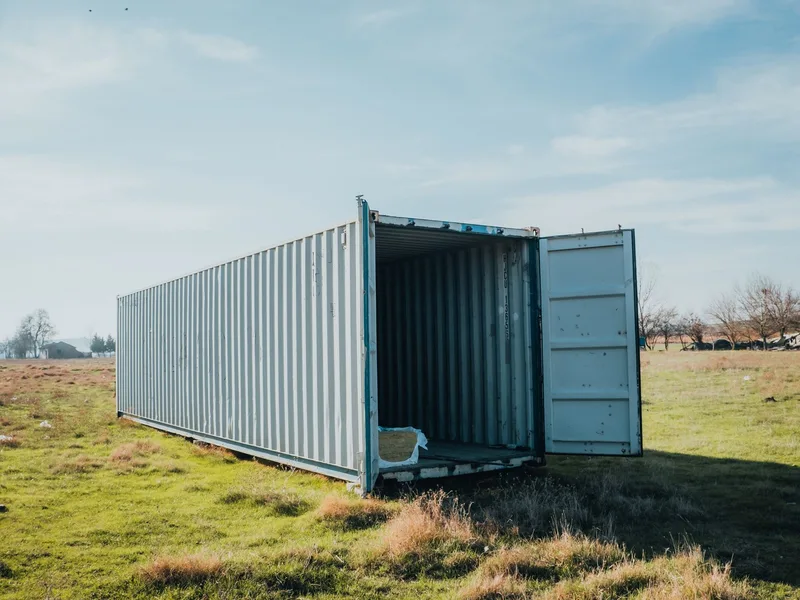
Containers and consignments
Small cartons from deliveries are not cleaned quickly, and insects settle in them before moving to shop counters or storage.
Where the gas escapes
Underground drainage openings and old pipes in the street are entry points for rodents and cockroaches from the port and vacant land nearby.
Aeration afterwards
Post treatment aeration must open shops and lanes with caution because narrow lanes need longer clearing times, and air may not move fast enough through confined spaces.
How we work
-
1
Survey and sampling
We identify the pest and its stage, go through the stock, the racking and the corners, measure the volume, and establish whether the place can be sealed as it stands or a sheeted enclosure has to be built over the stacks.
-
2
Sealing and preparation
Sheeting sealed to the floor around the stacks or the room closed up, vents, drains and door edges shut, the area emptied of people and warning signage placed before anything is introduced.
-
3
Gas introduction and monitored exposure
The dose is calculated from the volume, the commodity and its temperature, and readings through the period confirm the concentration is still there at the end of the exposure and not only at the start.
-
4
Aeration, clearance and the record
Forced ventilation, then repeated readings until the space is handed back, and a report covering what was found, how the enclosure was built, the exposure period, the readings and what needs correcting at goods inwards.
What fumigation includes
-

A recorded survey
Pest and stage, samples from the commodity, and the volume of the space, before fumigation is decided on at all.
-

Sealing the enclosure
Vents, floor drains, door edges and cable runs, which is where the gas goes if nobody closes them.
-

Dosing and monitored exposure
Dose set by volume, commodity and temperature, with readings tracking the concentration to the end of the exposure.
-

Aeration and clearance readings
Extraction and forced ventilation, then repeated readings, and the space is not opened to staff until a reading allows it.
-

Monitoring points afterwards
Pheromone traps and check points on the goods inwards route, because fumigation leaves nothing behind to protect what arrives next.
-

The report and a follow-up visit
A written record of the work and its readings, and a date to re-check the stock and deal with anything new.
What is different about Al Balad Sub-Municipality
Al Balad sub municipality covers the historic core of Jeddah and the districts that first grew outside its wall. Its building stock is the oldest in the city: heritage stone houses and apartment blocks from past decades, threaded with hotels, shops and crowded popular markets around Bab Makkah, Bab Sharif and the Kandarah Souq. Nearness to the sea, the Islamic Port and the Arbaeen lagoon keeps humidity high all year, water and drainage networks are old, and narrow lanes, dense eateries and commercial storerooms put food and shelter within reach at every corner.
Questions about this district
Is fumigating one shop in the Kandarah Souq enough or must neighbours be treated too?
Treating one shop alone may fail because insects will flee from the treated space into neighbouring shops through narrow passages. Coordinate with adjacent shops and treat them at the same time if possible.
Does the nearby port and sea make Al Kandarah harder to fumigate?
Yes, high humidity from the port and sea can reduce gas effectiveness because moisture interferes with gas concentration. Exposure time may need to be longer than in other districts.
What about neighbouring hotels and guests arriving from outside the city?
Hotels are a continuing pest source through guest arrivals and luggage. If a hotel is not treated at the same time, insects will spread from the hotel to shops in the souq.
Do the many crowded restaurants increase infestation risk in Al Kandarah?
Yes, restaurants provide food and shelter for insects, and continuous door opening allows insects from the street to enter. Restaurants must also be treated as part of the Kandarah Souq control plan.
Does sea salt affect shop goods after fumigation treatment?
Sea salt already exists in the air and humidity, and the gas itself does not add salt. High humidity may deposit salt on surfaces, and regular cleaning removes it.
How often do Al Kandarah shops need fumigation treatment each year?
Souq shops may need monthly assessment because constant traffic and high humidity increase infestation risk. Fumigation frequency depends on signs of activity rather than a fixed schedule.
How much does fumigation in Al Kandarah cost?
It is set after the inspection, because the price follows the type of infestation, the size of the space, how far it has spread and the number of visits it needs. Send a photo and a description on WhatsApp and we will give you an estimate before we reach Al Kandarah.
Nearby districts we cover
Other services in Al Kandarah
Other services we provide to residents of Al Kandarah.
-
 Residential
Cockroach control
Residential
Cockroach control
-
 Residential
Bed bug control
Residential
Bed bug control
-
 Residential
Termite control
Residential
Termite control
-
 Residential
Rodents and mice
Residential
Rodents and mice
-
 Residential
Mosquito control
Residential
Mosquito control
-
 Residential
Fly control
Residential
Fly control
-
 Residential
Ant control
Residential
Ant control
-
 Residential
Gecko control
Residential
Gecko control
-
 Residential
Scorpion control
Residential
Scorpion control
-
 Residential
Snake control
Residential
Snake control
-
 Residential
Flea control
Residential
Flea control
-
 Residential
Bird and pigeon control
Residential
Bird and pigeon control
-
 Residential
Preventive treatment
Residential
Preventive treatment
-
 Residential
Disinfection
Residential
Disinfection
-
 Commercial
Annual contracts
Commercial
Annual contracts
-
 Commercial
Restaurants and cafes
Commercial
Restaurants and cafes
-
 Commercial
Hotels and apartments
Commercial
Hotels and apartments
-
 Commercial
Warehouses and factories
Commercial
Warehouses and factories
-
 Commercial
Schools and nurseries
Commercial
Schools and nurseries
-
 Commercial
Retail and malls
Commercial
Retail and malls
-
 Commercial
Rest houses and farms
Commercial
Rest houses and farms
-
 Water tanks
Water tank cleaning
Water tanks
Water tank cleaning
-
 Water tanks
Water tank sterilization
Water tanks
Water tank sterilization
-
 Water tanks
Water tank sealing
Water tanks
Water tank sealing
-
 Water tanks
Tank leak repair
Water tanks
Tank leak repair
Need fumigation in Al Kandarah? Tell us what you saw and we will tell you what it needs
We reach Al Kandarah at a time we agree, and you get the full cost before we start.