
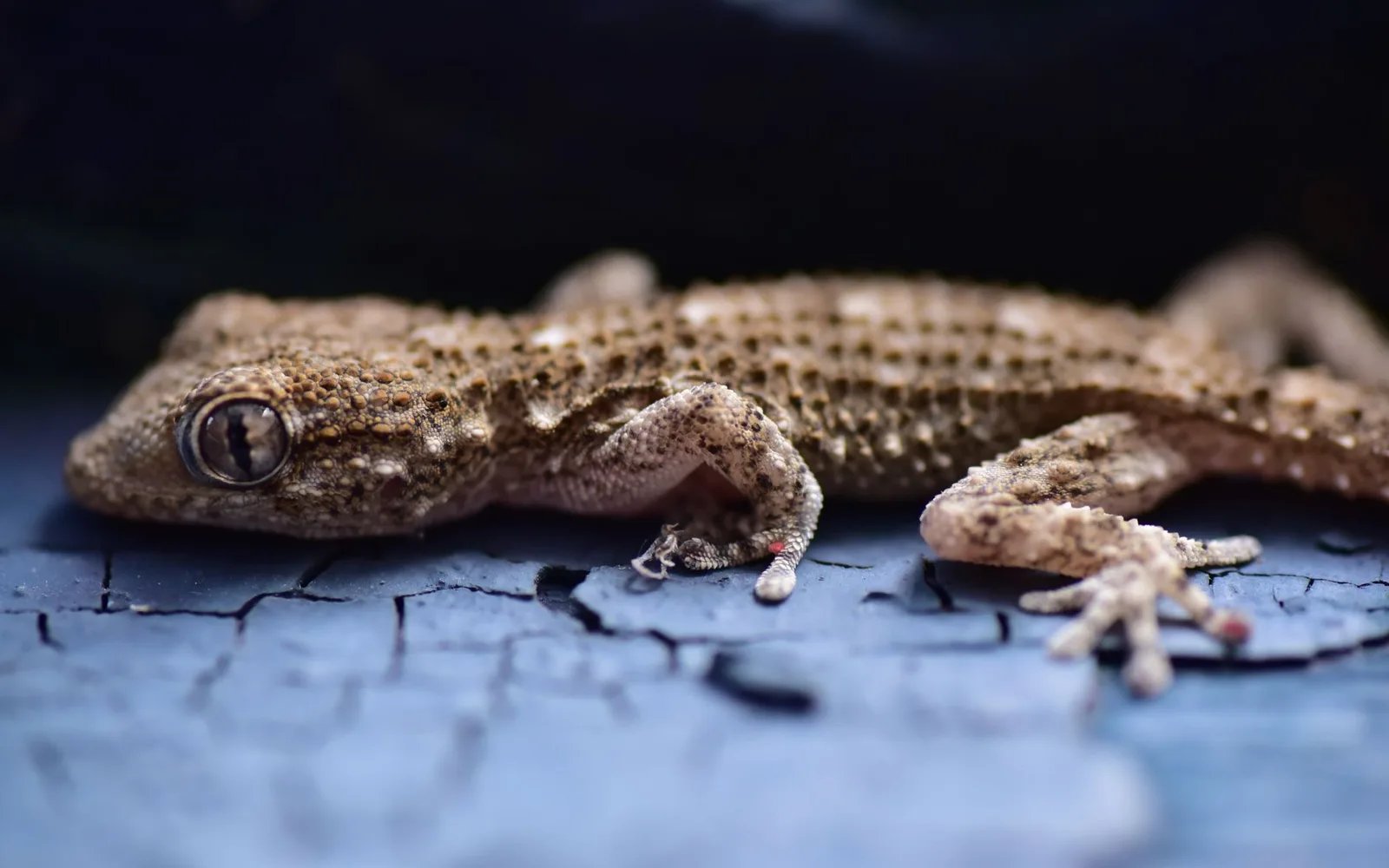
Gecko control in Al Harazat Jeddah
Al Harazat is a densely built residential sprawl that grew rapidly on former farmland, and the speed of construction left wide cracks between foundations and walls. Streets are narrow and buildings press together tightly, so geckos move easily between flats through gaps and pipes. The residential density and shared systems mean gecko control takes longer and is far more complex than in single-family housing.
-
Targeted, not broadcast
Product goes into cracks and runways, never sprayed across open surfaces.
-
Told before we start
What we will use, where it goes, and what to cover or move before we arrive.
-
A follow-up visit
We return after the first treatment, because what survives it does not show on the day.
-
Homes and businesses
Apartments and villas, and kitchens and stores that need a record of each visit.
Why they keep coming back in Al Harazat
Shared entrances, stairwells and narrow passages create the ideal gecko habitat, and the inability to treat every flat at once means geckos move between units freely as a preventable consequence. The method is set out in full on what Gecko control involves.
Wide cracks from rapid building work
Al Harazat was built quickly on former farmland, and its foundations and walls hold wide fissures as a result of pressure to finish fast and cost control. Geckos hide in these deep cracks with ease, and the poor quality of construction means no fundamental repair is possible.
Shared entrances and narrow passages connect units
Al Harazat's streets are very narrow and buildings stand side by side. Shared entrances, stairwells and corridors link the flats directly to each other. Geckos move freely through these spaces, hunting for food, before settling in any flat they choose.
Ageing drainage networks leak moisture from below
Primitive, antiquated sewerage and water systems lose moisture into soil and the spaces beneath the buildings. Weak, old foundations do nothing to stop this seepage, and the damp environment supports the insects on which geckos feed.
Al Harazat on the map
Al Harazat sits about 4.5 km from Umm Al Salam and about 5.5 km from Al Mahamid.
Open in Google MapsThe food, the opening and the crevice decide the method
Al Harazat's soil was once farmed, and residential blocks rose quickly on narrow lanes. Sewerage and water pipes run directly beneath the street, and moisture leaks from weakened foundations into the surrounding ground.
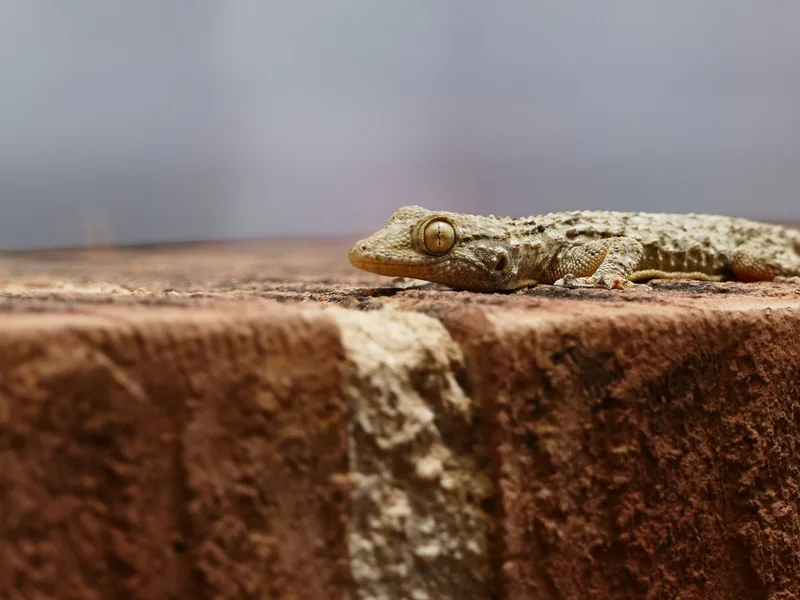
The house gecko
Geckos in Al Harazat hide in the deep cracks between foundations and walls, sleeping throughout the day in the depths of the building away from light and air.

Outdoor lighting
Exterior lighting in Al Harazat is limited to entrance foyers and the street, and geckos emerge at night from the cracks to hunt for flying insects around these modest lights.
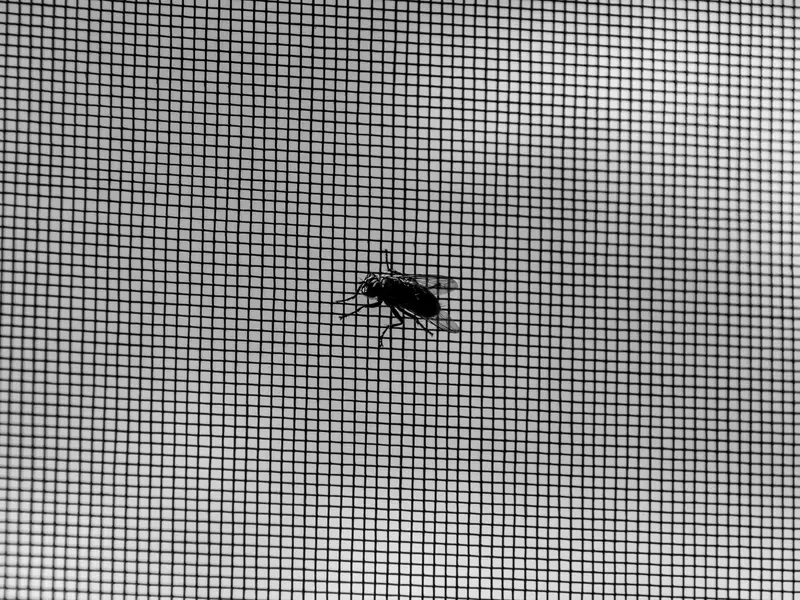
Window mesh
Window screens in older flats have wide gaps and corroded mesh, and geckos enter through them with ease or slip around loose frames into the rooms beyond.
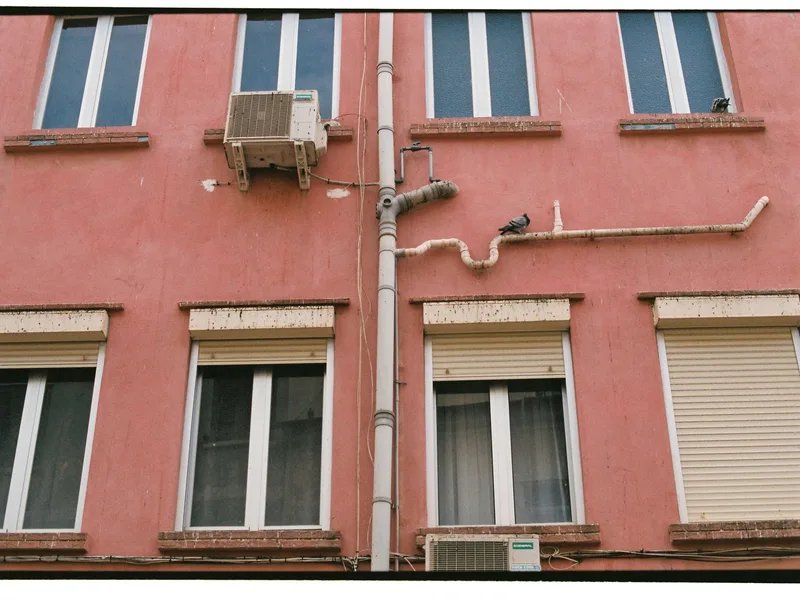
The air-conditioner sleeve
Air-conditioner sleeves in dense blocks sometimes serve multiple flats or exhaust into shared passages, providing easy movement routes for geckos between units.
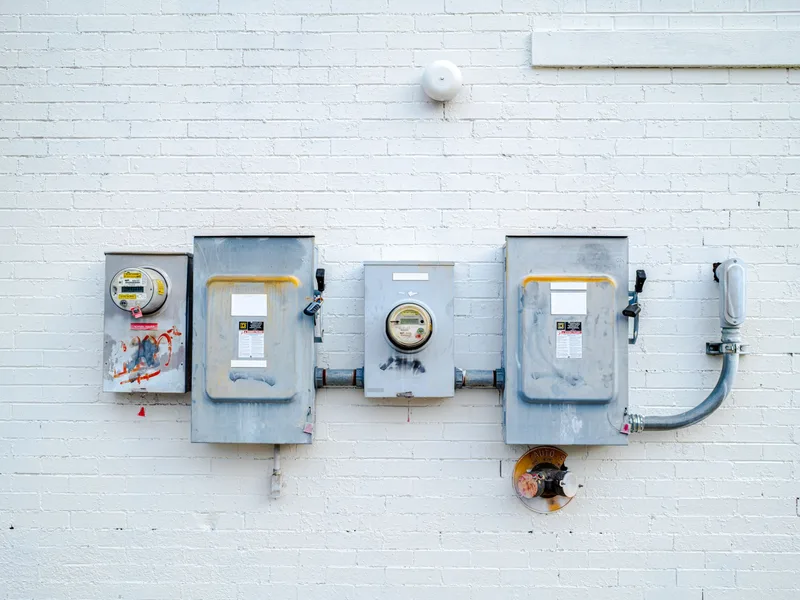
Meter boxes and electrical panels
Electrical panels and meter boxes in Al Harazat are often shared or sited very close together, and the gaps around them provide safe refuges and junction points for movement.
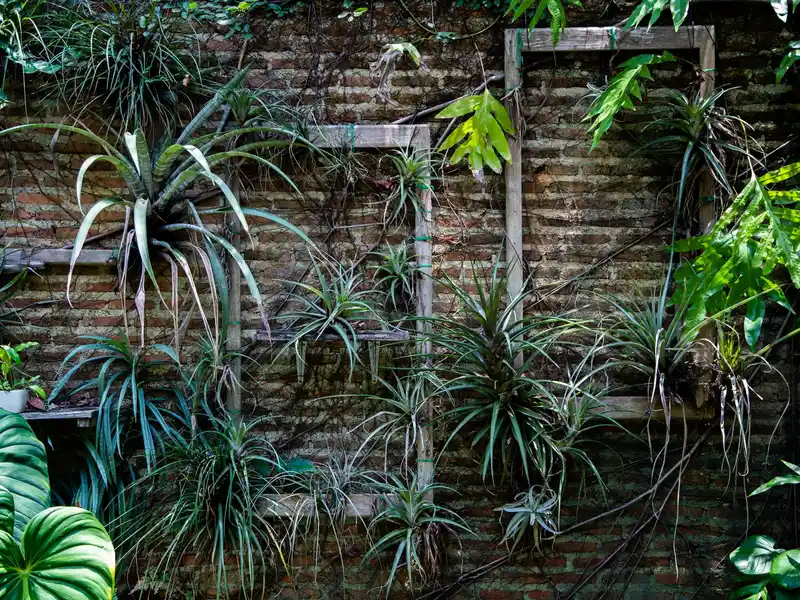
The garden and the irrigation
Small communal gardens and the narrow green strips between blocks stay damp throughout the year, and organic waste attracts the insects that become food for geckos.
How we work
-
1
Inspect at night and find the source
We come at the hour it is actually moving, and establish which wall face it is living on, which lights are gathering its food, the entry points and the crevices it wedges into by day.
-
2
Treat the food source
We treat the flying and crawling insects on the wall faces, around the perimeter and around the lighting. Once the food goes, the wall stops being worth staying on.
-
3
Close the openings and clear the crevices
We seal the air-conditioner sleeve, screen the vents and drain outlets, deal with the underside of doors, and place a repellent in the crevices and behind panels so they move out before anything is closed.
-
4
The follow-up visit
We come back once the glued eggs have hatched, check the seals held, and re-treat any wall face where activity has returned.
What gecko control includes
-

A recorded night inspection
Wall faces, lighting, entry points and egg sites, all established before anything is applied.
-

Treating the insects on the walls
Targeted treatment around lighting, windows and the building perimeter, because the food is what keeps it there.
-

Placed repellent in the crevices
Behind panels, in wall joints and at the ceiling-void entries, where it sits out the day.
-

Screening vents and drain openings
Shafts, vents and the condensate outlet, which are entry points nobody looks at.
-

Aftercare instructions
Ventilation, what to cover, and the change to the outside lighting that stops the insects gathering again.
-

A scheduled follow-up
A set date after the first treatment, a check on the seals and re-treatment of anything still active.
The character of Al Harazat
Apartment district: residential blocks, repeated floors and shared entrances
Apartments mean shared entrances and shared systems, and geckos move easily between units. Treating one flat alone may not succeed unless the residents co-ordinate, and the shared entrance and corridors need separate treatment and closer follow-up.
Questions about this district
Do geckos move between flats through the shared entrance?
Yes. In Al Harazat the shared entrances, stairwells and corridors connect flats directly. Geckos move through them easily in search of food, and even if you treat your own flat, a gecko may arrive from next door.
Why does building on former farmland create worse gecko problems?
Farmland retains moisture and insects. Rapid construction left large gaps in the work. Weak foundations do not fully separate the damp soil below from the dry interior above.
Does the narrow street contribute to how easily geckos move between blocks?
Very much so. Narrow streets mean buildings stand very close together. The gaps and openings between them provide easy routes, and geckos move without obstruction.
Must we obtain agreement from every neighbour before treating geckos in the block?
Not formal consent, but co-ordination helps a great deal. If we treat only your flat and geckos arrive from the shared entrance because your neighbour has not treated, the problem returns quickly.
How many visits should we expect in a densely packed apartment block like Al Harazat?
At least two visits per flat, and we may need extra treatment of the shared entrance and corridors to cut off the gecko movement routes.
Does the moisture in the soil beneath the block influence gecko return after treatment?
A very large influence. Damp soil always attracts and sustains insects. Geckos return in search of food, and the second visit a week later is essential to break the cycle.
How much does gecko control in Al Harazat cost?
It is set after the inspection, because the price follows the type of infestation, the size of the space, how far it has spread and the number of visits it needs. Send a photo and a description on WhatsApp and we will give you an estimate before we reach Al Harazat.
Nearby districts we cover
Other services in Al Harazat
Other services we provide to residents of Al Harazat.
-
 Residential
Cockroach control
Residential
Cockroach control
-
 Residential
Bed bug control
Residential
Bed bug control
-
 Residential
Termite control
Residential
Termite control
-
 Residential
Rodents and mice
Residential
Rodents and mice
-
 Residential
Mosquito control
Residential
Mosquito control
-
 Residential
Fly control
Residential
Fly control
-
 Residential
Ant control
Residential
Ant control
-
 Residential
Scorpion control
Residential
Scorpion control
-
 Residential
Snake control
Residential
Snake control
-
 Residential
Flea control
Residential
Flea control
-
 Residential
Bird and pigeon control
Residential
Bird and pigeon control
-
 Residential
Preventive treatment
Residential
Preventive treatment
-
 Residential
Disinfection
Residential
Disinfection
-
 Commercial
Annual contracts
Commercial
Annual contracts
-
 Commercial
Restaurants and cafes
Commercial
Restaurants and cafes
-
 Commercial
Hotels and apartments
Commercial
Hotels and apartments
-
 Commercial
Warehouses and factories
Commercial
Warehouses and factories
-
 Commercial
Schools and nurseries
Commercial
Schools and nurseries
-
 Commercial
Retail and malls
Commercial
Retail and malls
-
 Commercial
Rest houses and farms
Commercial
Rest houses and farms
-
 Commercial
Fumigation
Commercial
Fumigation
-
 Water tanks
Water tank cleaning
Water tanks
Water tank cleaning
-
 Water tanks
Water tank sterilization
Water tanks
Water tank sterilization
-
 Water tanks
Water tank sealing
Water tanks
Water tank sealing
-
 Water tanks
Tank leak repair
Water tanks
Tank leak repair
Need gecko control in Al Harazat? Tell us what you saw and we will tell you what it needs
We reach Al Harazat at a time we agree, and you get the full cost before we start.