
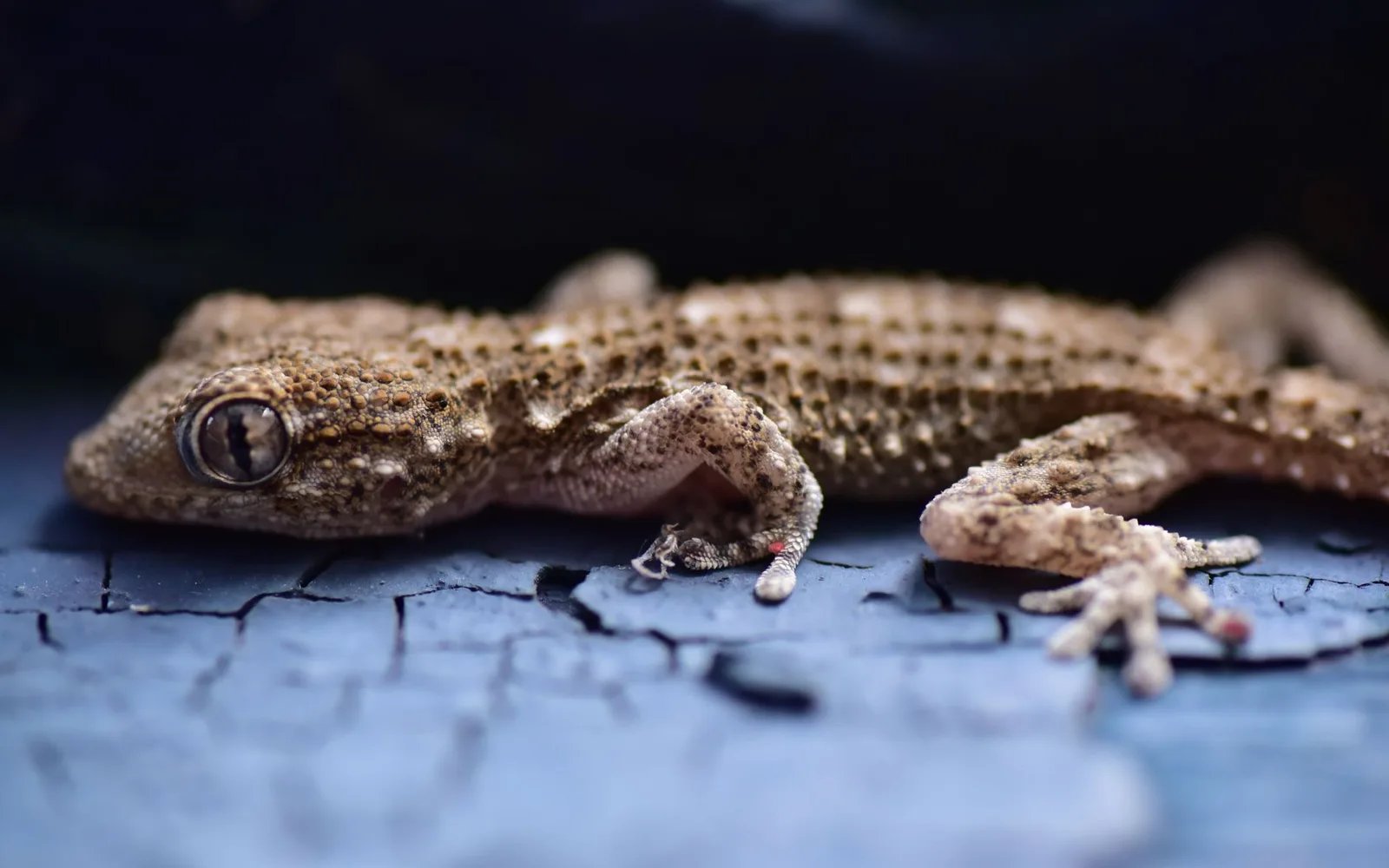
Gecko control for homes and rest houses
We start with a night walk that establishes what it is eating, where it wedges itself by day and how it gets in, then treat the insects gathering it, close the openings, move it off the crevices, and come back once the glued eggs have hatched.
-
Targeted, not broadcast
Product goes into cracks and runways, never sprayed across open surfaces.
-
Told before we start
What we will use, where it goes, and what to cover or move before we arrive.
-
A follow-up visit
We return after the first treatment, because what survives it does not show on the day.
-
Homes and businesses
Apartments and villas, and kitchens and stores that need a record of each visit.
Why a spray on its own does not move a gecko
Three reasons, and between them they explain why it was back the same night.
A residual is built for an insect
A surface residual works on a small insect body walking through it. A gecko crosses the same treated wall on adhesive toe pads and carries on with its night.
It is on that wall because the food is
The moths, mosquitoes and ants collecting at a light are the whole reason it is there. Leave the food and it returns, however often it is moved on.
The eggs are cemented into a crevice
It glues a pair of hard-shelled eggs behind a panel or inside a wall void. No surface treatment reaches them, so a new generation walks out of the same gap.
The food, the opening and the crevice decide the method
Six things we read on the first walk around the building, and each one changes the treatment.
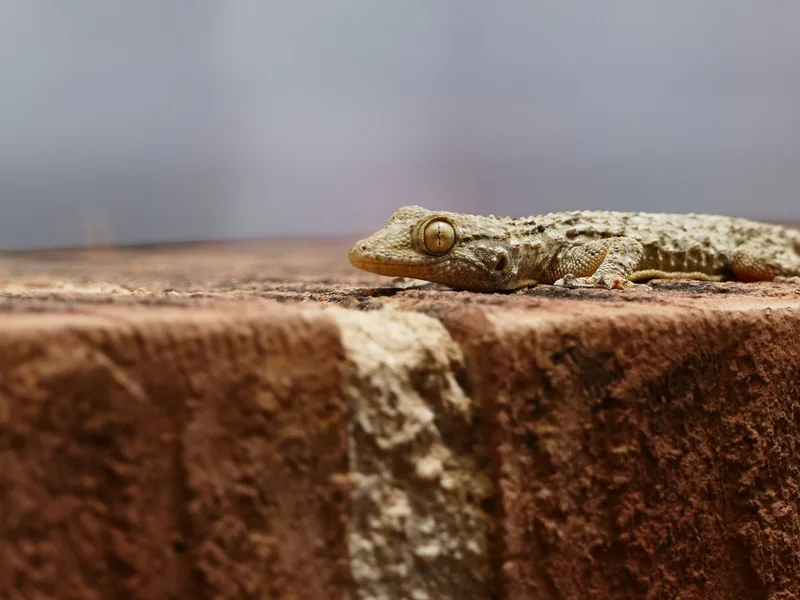
The house gecko
Active after dark, hunting near light and wedged into a narrow crevice by day, which is why we work on the crevice and the light rather than the spot you saw it.

Outdoor lighting
A white lamp beside a door gathers flying insects, and it is what decides which wall face they settle on, so changing it takes away half the reason.
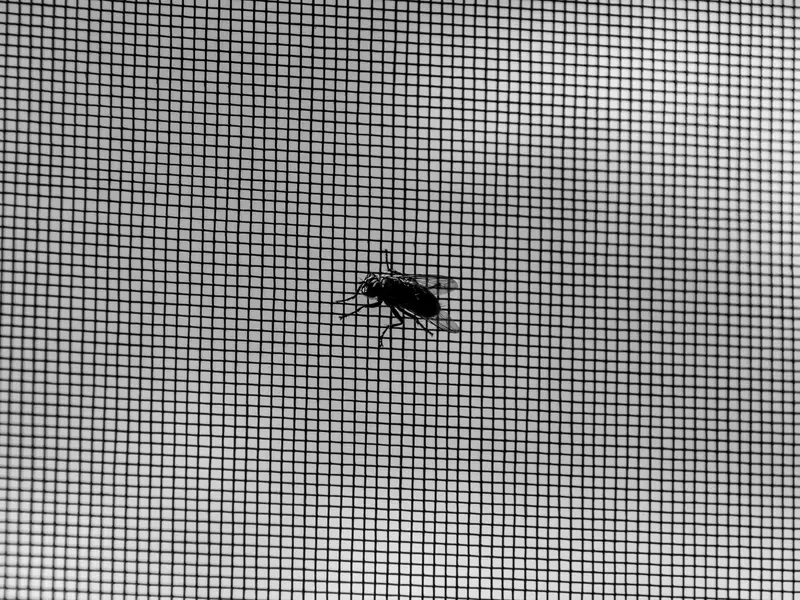
Window mesh
A torn corner or a screen that does not meet the frame is the usual way in, and a hatchling passes through a gap far narrower than the adult you saw.
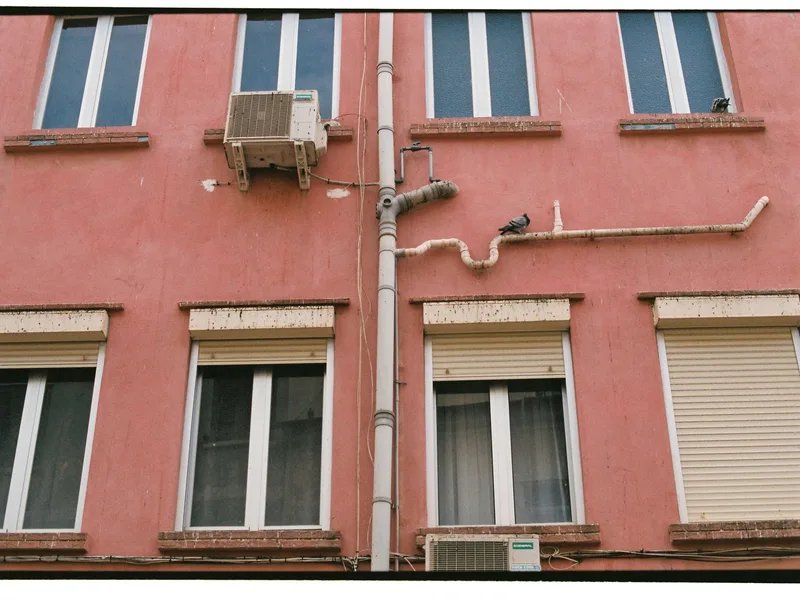
The air-conditioner sleeve
The hole cut for the pipework is rarely sealed, and it is a route and a shelter at once because it opens into the ceiling void.
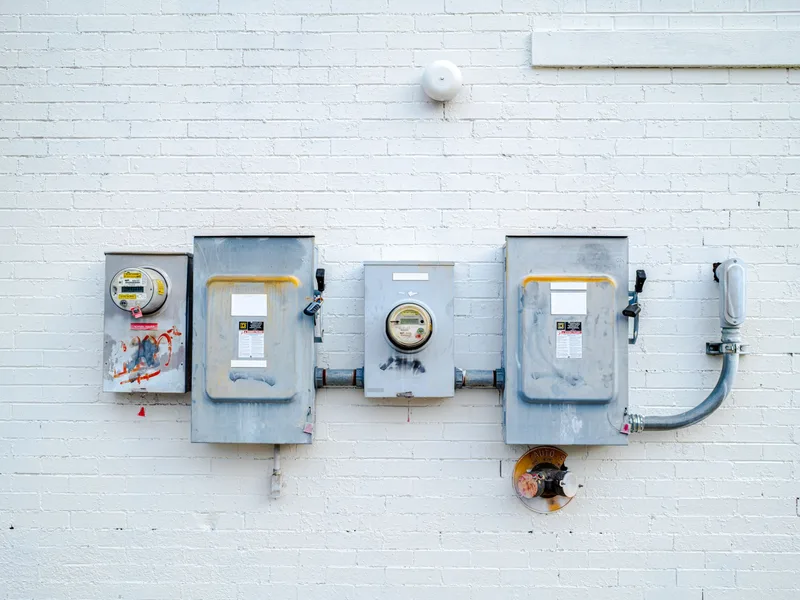
Meter boxes and electrical panels
Warm, dry and never opened, this is where the glued eggs turn up most often, and nothing sprayed on the outside of it ever arrives.

The garden and the irrigation
Irrigation and planting supply moisture and insects all year, and that is where the numbers come back from if only the inside is treated.
How the visit runs
Four steps. It starts with a night walk and does not end at the spray.
-
1
Inspect at night and find the source
We come at the hour it is actually moving, and establish which wall face it is living on, which lights are gathering its food, the entry points and the crevices it wedges into by day.
-
2
Treat the food source
We treat the flying and crawling insects on the wall faces, around the perimeter and around the lighting. Once the food goes, the wall stops being worth staying on.
-
3
Close the openings and clear the crevices
We seal the air-conditioner sleeve, screen the vents and drain outlets, deal with the underside of doors, and place a repellent in the crevices and behind panels so they move out before anything is closed.
-
4
The follow-up visit
We come back once the glued eggs have hatched, check the seals held, and re-treat any wall face where activity has returned.
What gecko control includes
-

A recorded night inspection
Wall faces, lighting, entry points and egg sites, all established before anything is applied.
-

Treating the insects on the walls
Targeted treatment around lighting, windows and the building perimeter, because the food is what keeps it there.
-

Placed repellent in the crevices
Behind panels, in wall joints and at the ceiling-void entries, where it sits out the day.
-

Screening vents and drain openings
Shafts, vents and the condensate outlet, which are entry points nobody looks at.
-

Aftercare instructions
Ventilation, what to cover, and the change to the outside lighting that stops the insects gathering again.
-

A scheduled follow-up
A set date after the first treatment, a check on the seals and re-treatment of anything still active.

Exactly where the product goes
-
1
Inside joints, not on surfaces
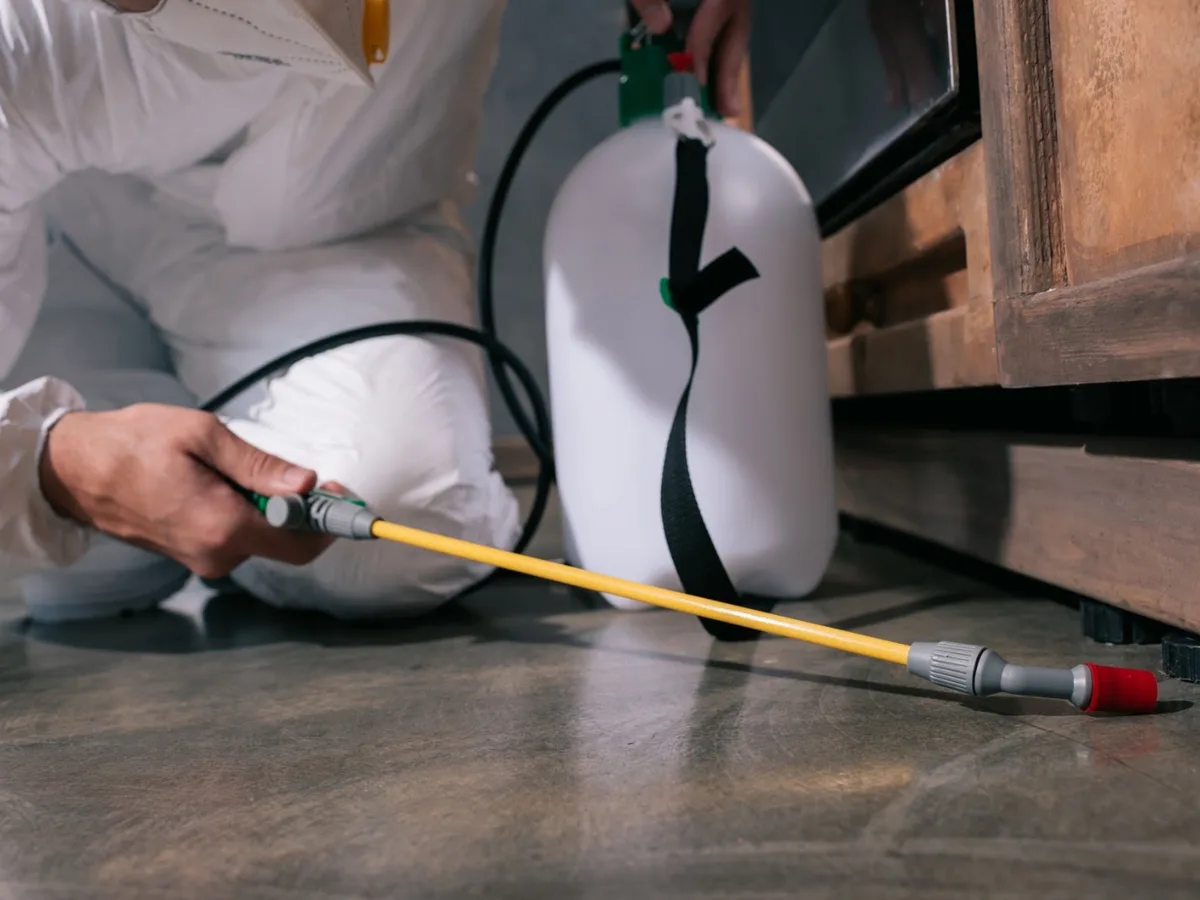
Bait goes into a cabinet joint or a gap behind an appliance, in dots the size of a match head, in places no hand reaches and nothing touches in ordinary use.
-
2
Away from where food is
Nothing is sprayed on preparation surfaces, inside food cupboards, or across open floor in living rooms and bedrooms.
-
3
A little preparation first
Cover dishes, move water bowls. We give you the ventilation time for your treatment on the call, rather than a general number printed on a page.
-
4
Tell us the exceptions
Asthma, an allergy or a pregnancy in the home changes the product choice and the order of the visit. It is a change we make often and it does not delay the appointment.
Our work

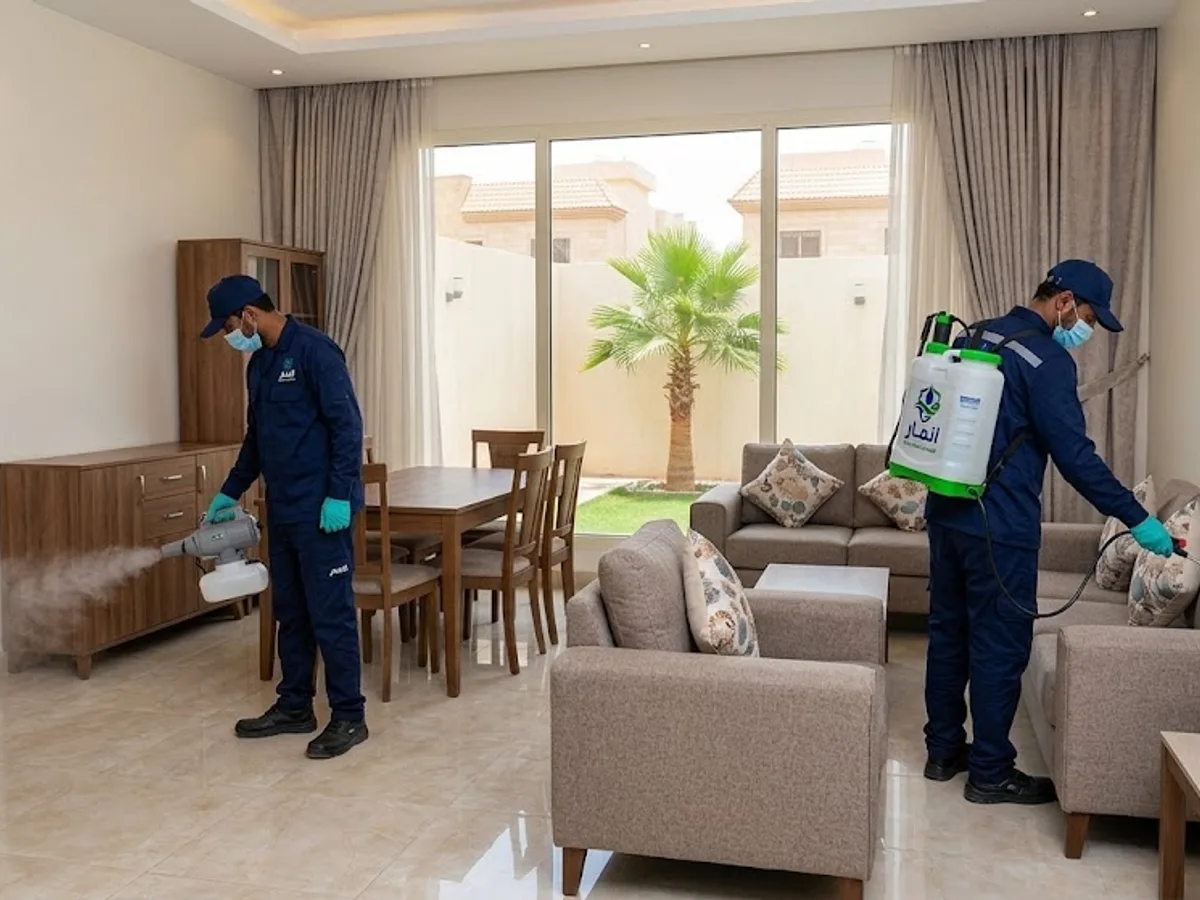
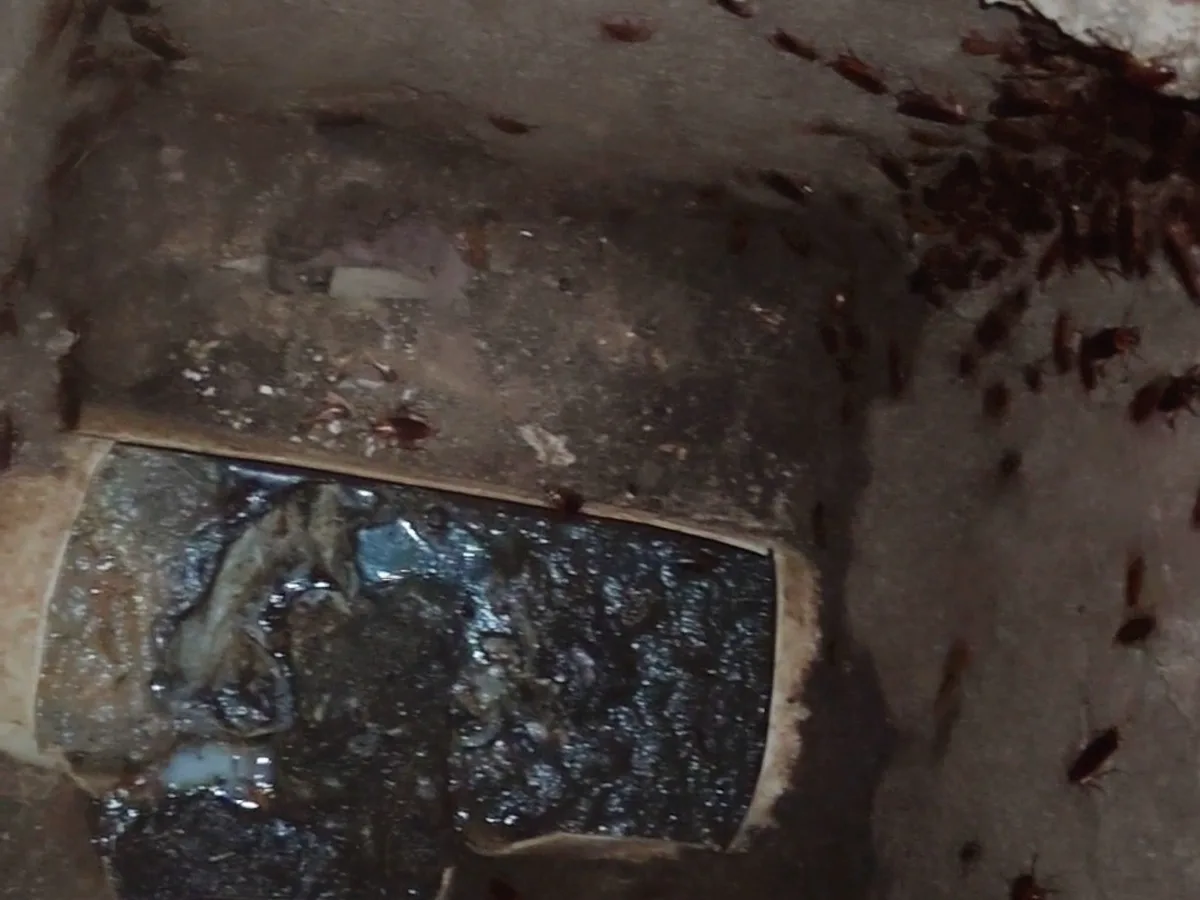
What customers say on Google
We had a cockroach problem, and after the treatment, praise God, the cockroaches have largely gone. Their work is tidy and they are respectful to deal with. I recommend them.
Translated from the Arabic original.
Excellent and courteous service, and the bed bugs were cleared from the house completely. I recommend them, God willing.
Translated from the Arabic original.
Excellent to deal with, very good service, and they explain. The staff explain how each product is used, completely honestly.
Translated from the Arabic original.
We cover Jeddah and Makkah
Every district has its own page for this service. Tap yours.
Common questions
Why did the geckos come back after the last spray?
Usually because the wall was treated and two things were not: the insects collecting at the lighting after dark, and the crevice holding the glued eggs. While the food is there the gecko stays on that wall face, and while the eggs are there a new generation appears weeks later. That is why Fly control and Mosquito control normally form part of the same visit.
How many visits will it take?
Usually two: the treatment, then a follow-up after the eggs have hatched. A building with a garden, heavy outside lighting or a boundary wall shared with the next property can need more, and we tell you that after the inspection rather than before it.
Is it safe around children, and do we have to leave?
The work is directed at wall faces, crevices and the perimeter, not at living or food surfaces. How long to ventilate and stay out depends on the product and the space, so we give you that on the call before we start instead of printing a fixed number here. What to move beforehand is in why shop-bought sprays make it worse.
Does having geckos mean the house is dirty?
No. A gecko follows insects, and insects follow light and moisture. A spotless home with a lamp at the entrance and a watered garden gathers enough of them to keep one fed. This is a question of lighting and openings, not of housekeeping.
Do you kill them or move them out?
The method is exclusion, not pursuit. We take away the food, place a repellent in the crevices so they leave on their own, then close the ways back in. Chasing one animal changes nothing, because a wall that gathers insects will have another on it within days.
Do you treat rest houses, farms and outside walls?
Yes, and it is most of this work, because lighting, irrigation and open ground gather insects all year. See Rest houses and farms, and if the place needs continuous cover then Preventive treatment is the right arrangement.
What does gecko control cost?
It is set after the inspection, because it follows the size of the building, how many wall faces there are, how much outside lighting, whether there is a garden, and how many visits the situation needs. Send a photo of the place and a description on WhatsApp and we will give you an estimate before we come out.
Other services
Scroll to see the rest of what we do.
-
 Residential
Cockroach control
Residential
Cockroach control
-
 Residential
Bed bug control
Residential
Bed bug control
-
 Residential
Termite control
Residential
Termite control
-
 Residential
Rodents and mice
Residential
Rodents and mice
-
 Residential
Mosquito control
Residential
Mosquito control
-
 Residential
Fly control
Residential
Fly control
-
 Residential
Ant control
Residential
Ant control
-
 Residential
Scorpion control
Residential
Scorpion control
-
 Residential
Snake control
Residential
Snake control
-
 Residential
Flea control
Residential
Flea control
-
 Residential
Bird and pigeon control
Residential
Bird and pigeon control
-
 Residential
Preventive treatment
Residential
Preventive treatment
-
 Residential
Disinfection
Residential
Disinfection
-
 Commercial
Annual contracts
Commercial
Annual contracts
-
 Commercial
Restaurants and cafes
Commercial
Restaurants and cafes
-
 Commercial
Hotels and apartments
Commercial
Hotels and apartments
-
 Commercial
Warehouses and factories
Commercial
Warehouses and factories
-
 Commercial
Schools and nurseries
Commercial
Schools and nurseries
-
 Commercial
Retail and malls
Commercial
Retail and malls
-
 Commercial
Rest houses and farms
Commercial
Rest houses and farms
-
 Commercial
Fumigation
Commercial
Fumigation
-
 Water tanks
Water tank cleaning
Water tanks
Water tank cleaning
-
 Water tanks
Water tank sterilization
Water tanks
Water tank sterilization
-
 Water tanks
Water tank sealing
Water tanks
Water tank sealing
-
 Water tanks
Tank leak repair
Water tanks
Tank leak repair
Need gecko control? Describe what you saw and we will tell you what it needs
A short call is enough. We tell you what we can see and the full cost before we start, and you decide after that.