
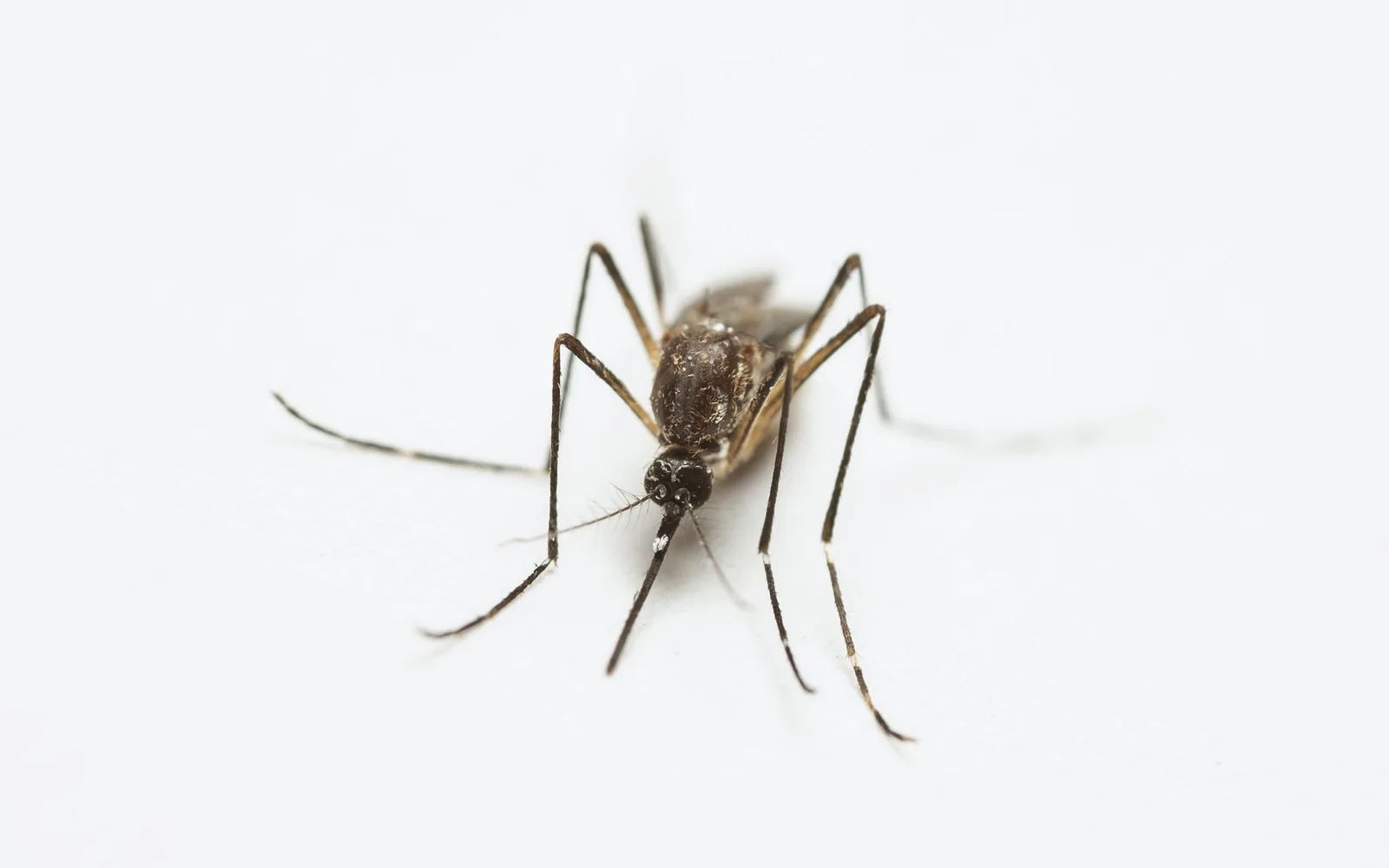
Mosquito control in Al Hamdaniyah Jeddah
Al Hamdaniyah is a densely packed mixed district east of King Abdulaziz Airport where large hypermarkets and shops fill the ground floors with homes piled above them, creating a complex environment where concentrated commercial activity and compressed housing feed each other.
-
Targeted, not broadcast
Product goes into cracks and runways, never sprayed across open surfaces.
-
Told before we start
What we will use, where it goes, and what to cover or move before we arrive.
-
A follow-up visit
We return after the first treatment, because what survives it does not show on the day.
-
Homes and businesses
Apartments and villas, and kitchens and stores that need a record of each visit.
Why they keep coming back in Al Hamdaniyah
The hypermarkets on Al Masurah Street hold standing water in back storage and loading zones. These protected environments breed mosquitoes in bulk that migrate upward into residential units every evening. The method is set out in full on the full Mosquito control page.
Hypermarkets and commercial zones produce endless water pools
Storage areas, loading docks and washdown zones behind large shops hold water continuously and maintain high humidity in corners and sunken floors. Mosquito breeding here is industrial in scale. Insects from these zones climb into residential flats above the shops in waves each night.
Thousands of shops leak condensate and washing water into sealed voids
Every shop on Al Hamdaniyah produces water from refrigeration, air conditioning and daily washdown, pooling in gaps beneath raised ground floors. Mosquitoes exploit this permanent resource and climb into family flats continuously through the year.
Al Haramain Road brings fresh mosquito populations from outside
Vehicle and truck movement on Al Haramain Road delivers mosquitoes from other areas directly into the district, especially at dusk when traffic peaks and shops wash down their floors with water, creating disturbance that drives mosquitoes upward.
The character of Al Hamdaniyah
Mixed district: shops at street level with homes above them
A mixed district means mosquito sources are stacked vertically: commercial floor voids filled with washdown and condensate, residential floors above exposed to continuous upward entry. Each storey becomes an independent infestation case.
Standing water and shade decide the method
The district spreads along Al Hamdaniyah Street and Al Masurah Street where commercial traffic is intense, with Al Haramain Road forming a western boundary that channels visitor and delivery vehicle movement through the area.
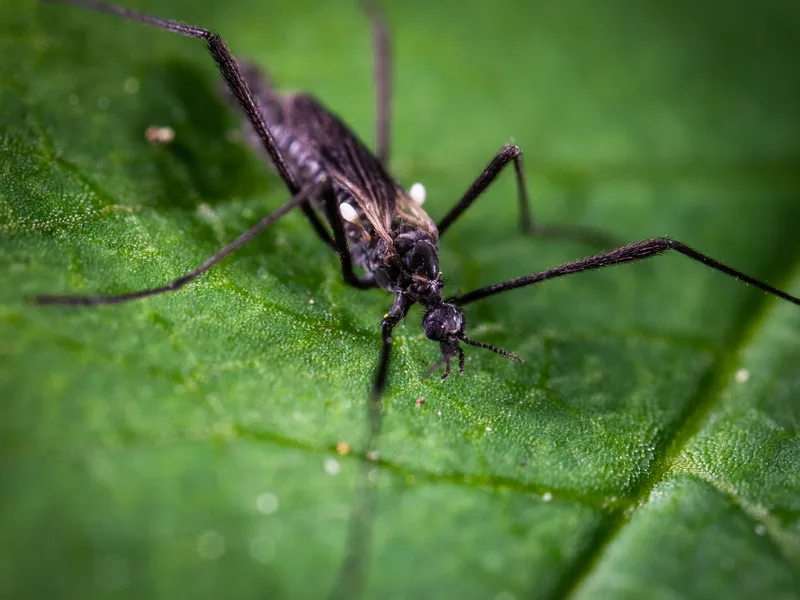
The daytime biter
The daytime biter in Al Hamdaniyah shelters in the dark corners behind refrigerators and equipment inside shops and in the voids beneath air conditioning units.
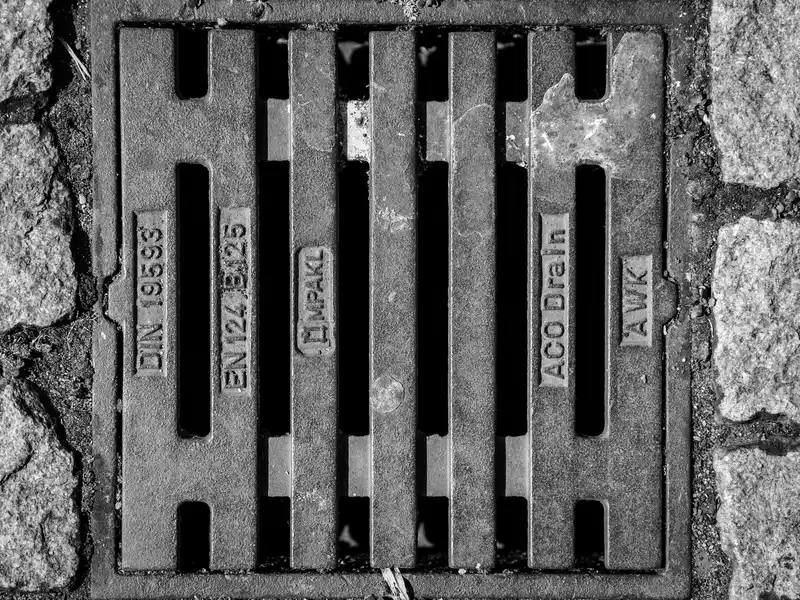
The one that comes out after sunset
The night flier emerges from the sealed voids after sunset and climbs stairwells and service shafts through the residential towers seeking occupied homes.
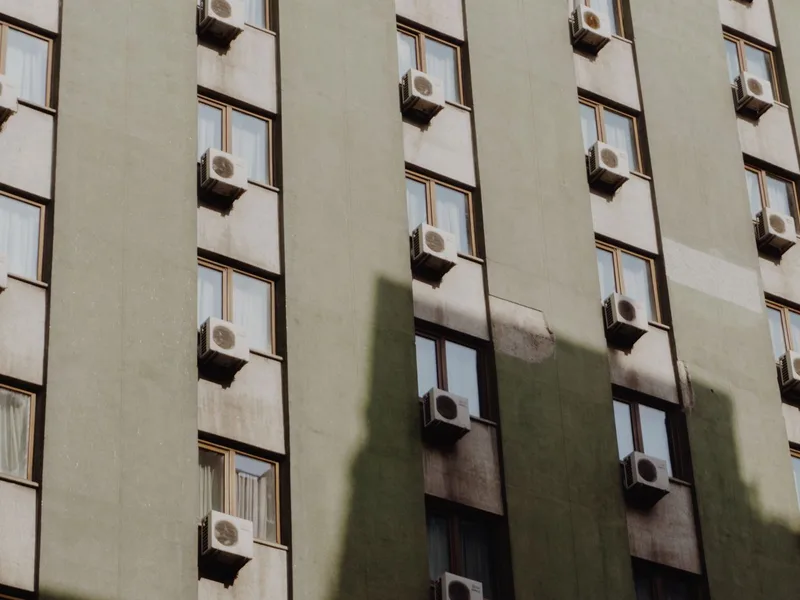
Air-conditioning condensate
Air conditioning condensate from thousands of shops drains into sealed chambers beneath the floor slab where humidity stays constant and water does not evaporate.
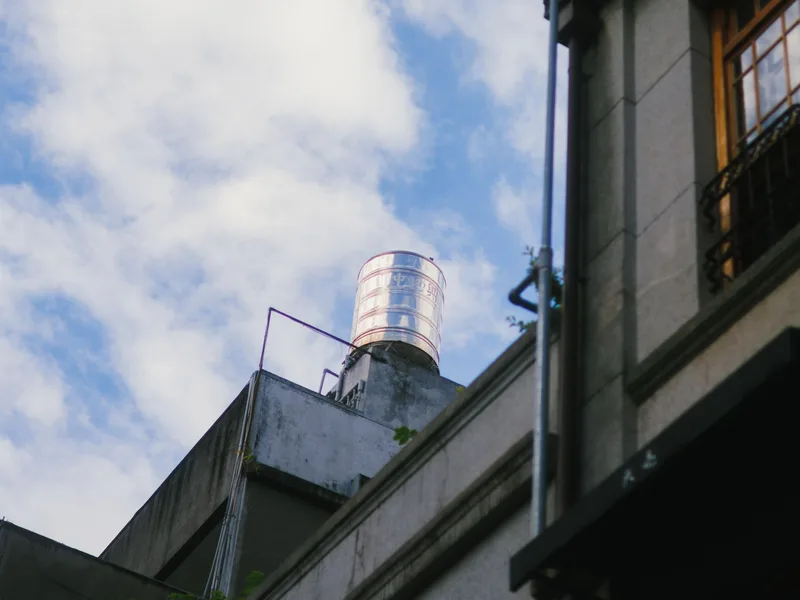
The tank and its openings
Water tank openings on shop and building roofs and gaps round risers carrying pipes from the shops to every flat provide continuous standing water year round.
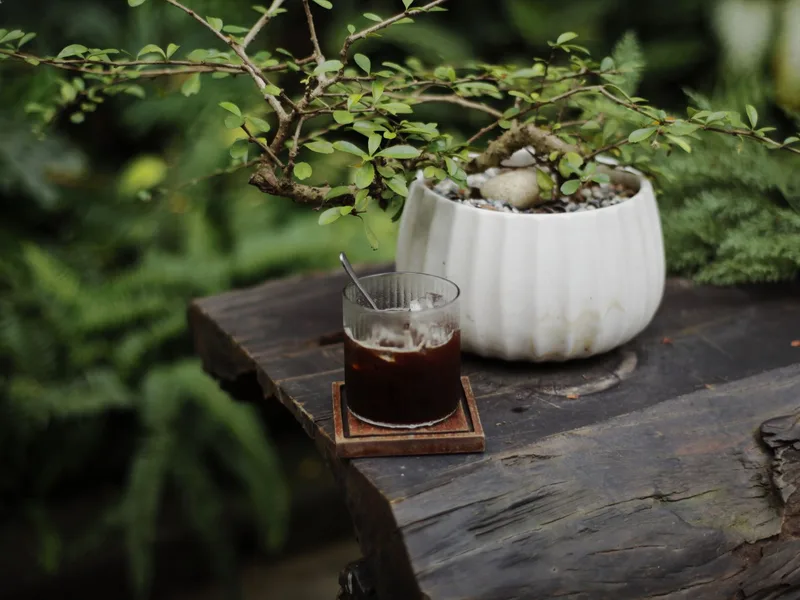
Garden containers and irrigation
Garden containers and plant watering round the main entrance, if present, collect water but the major source is the water from commercial operations, not landscaping.
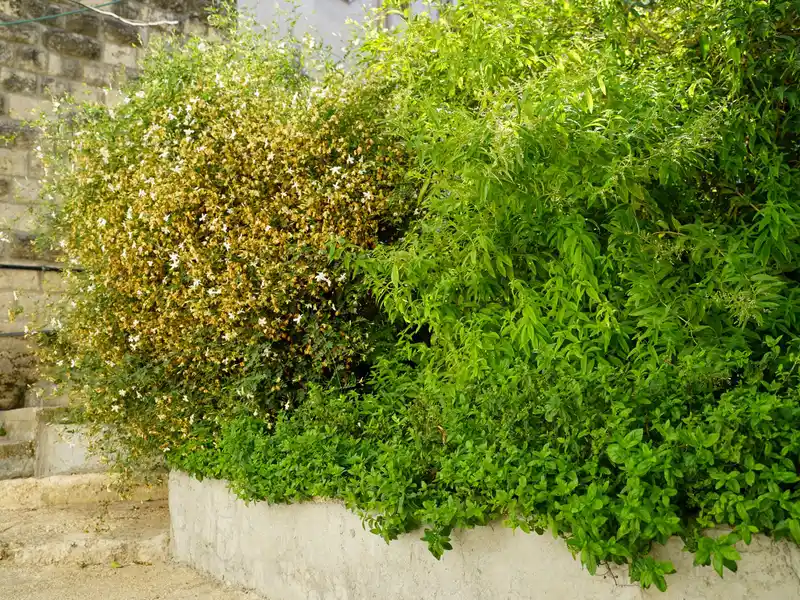
The shade it rests in
The heavy shadow beneath extended shop canopies and the enclosed spaces between concrete floors provide protected daytime shelter where mosquitoes cannot be reached by street level fogging.
How we work
-
1
Inspect and map the water
We walk the perimeter, the roof, the garden, the meter chambers and the condensate runs, record everything that holds water, and read the species from the breeding site and the time of biting.
-
2
Remove the water that can go
Empty, invert, cover: saucers, containers, old tyres and roof gullies. Every point that disappears is a treatment that never needs repeating.
-
3
Larval treatment, then the resting surfaces
Water that cannot be drained is treated so the larva never completes, then a residual goes under planting, beneath outdoor furniture and along low shaded walls.
-
4
The follow-up visit
We come back once the generation that was in the water on the first visit has completed, review every point we recorded and re-treat where needed.
What mosquito control includes
-

A recorded water survey
Roof, perimeter, garden, meter chambers and condensate lines, written down before anything is applied.
-

Draining and covering the sources
Emptying what can be emptied, draining what can be drained, and covering what has to stay full.
-

Larval treatment for the water that stays
For ground tanks, inspection chambers, water features and any permanent water that has to remain.
-

A residual on the resting places
Under trees and shrubs, beneath outdoor furniture and on shaded walls, where the adult sits out the day.
-

Aftercare instructions
What stays inverted, what gets covered, which openings need mesh, and when watering goes back to normal.
-

A scheduled follow-up
A set date after the first treatment, with every recorded water point reviewed and re-treated if the water came back.
Landmarks of Al Hamdaniyah
Work in Al Hamdaniyah organizes around Al Hamdaniyah Street itself where shops concentrate heavily, and extends to Lulu Hypermarket Al Hamdaniyah on Al Masurah Street, where water pooling is most intense and treatment must be most extensive.
- Al Hamdaniyah Street
- Al Masurah Street
- Al Haramain Road
- Al Taqwa Mosque
- Umm Mutlaq Mosque
- Lulu Hypermarket Al Hamdaniyah
Questions about this district
If the shop owner hoses the floor every evening, will we see fewer mosquitoes upstairs?
Washing the visible surface leaves standing water in holes, corners and the low spots beneath equipment and under refrigerators. Mosquitoes breed in these invisible gaps even when the shop floor appears clean. The washdown also disturbs resting mosquitoes and drives them upward.
Will treating only my flat protect it from mosquitoes breeding in the shop below?
In Al Hamdaniyah, mosquitoes climb from the shop into your flat through gaps round pipes and shared openings. Treating your flat alone leaves the breeding source beneath untouched and the entry pathways open.
Does a small grocery create less mosquito trouble than a food preparation shop next door?
A restaurant produces more standing water than a grocer, but both supply sufficient water for mosquito breeding. The difference in quantity does not change the fact that every shop needs regular treatment.
Should we treat the shops on Al Masurah Street only, or every shop in the district?
Al Masurah is the largest source, but mosquitoes fly between shops in the air. Treating Al Masurah alone reduces overall pressure but does not solve it without treating the surrounding commercial network.
How often must Al Hamdaniyah be treated because shops operate around the clock?
Shops open all hours provide fresh water every single day. Regular treatment every week or two is necessary because the mosquito source never stops.
Is fogging the shop floor alone enough or must we reach the voids beneath the floor?
Fogging the floor surface alone is insufficient. The cavities and holes beneath the raised floor are where mosquitoes hide and lay eggs. Treatment must penetrate sealed voids, not just reach the visible surface.
How much does mosquito control in Al Hamdaniyah cost?
It is set after the inspection, because the price follows the type of infestation, the size of the space, how far it has spread and the number of visits it needs. Send a photo and a description on WhatsApp and we will give you an estimate before we reach Al Hamdaniyah.
Nearby districts we cover
Other services in Al Hamdaniyah
Other services we provide to residents of Al Hamdaniyah.
-
 Residential
Cockroach control
Residential
Cockroach control
-
 Residential
Bed bug control
Residential
Bed bug control
-
 Residential
Termite control
Residential
Termite control
-
 Residential
Rodents and mice
Residential
Rodents and mice
-
 Residential
Fly control
Residential
Fly control
-
 Residential
Ant control
Residential
Ant control
-
 Residential
Gecko control
Residential
Gecko control
-
 Residential
Scorpion control
Residential
Scorpion control
-
 Residential
Snake control
Residential
Snake control
-
 Residential
Flea control
Residential
Flea control
-
 Residential
Bird and pigeon control
Residential
Bird and pigeon control
-
 Residential
Preventive treatment
Residential
Preventive treatment
-
 Residential
Disinfection
Residential
Disinfection
-
 Commercial
Annual contracts
Commercial
Annual contracts
-
 Commercial
Restaurants and cafes
Commercial
Restaurants and cafes
-
 Commercial
Hotels and apartments
Commercial
Hotels and apartments
-
 Commercial
Warehouses and factories
Commercial
Warehouses and factories
-
 Commercial
Schools and nurseries
Commercial
Schools and nurseries
-
 Commercial
Retail and malls
Commercial
Retail and malls
-
 Commercial
Rest houses and farms
Commercial
Rest houses and farms
-
 Commercial
Fumigation
Commercial
Fumigation
-
 Water tanks
Water tank cleaning
Water tanks
Water tank cleaning
-
 Water tanks
Water tank sterilization
Water tanks
Water tank sterilization
-
 Water tanks
Water tank sealing
Water tanks
Water tank sealing
-
 Water tanks
Tank leak repair
Water tanks
Tank leak repair
Need mosquito control in Al Hamdaniyah? Tell us what you saw and we will tell you what it needs
We reach Al Hamdaniyah at a time we agree, and you get the full cost before we start.