
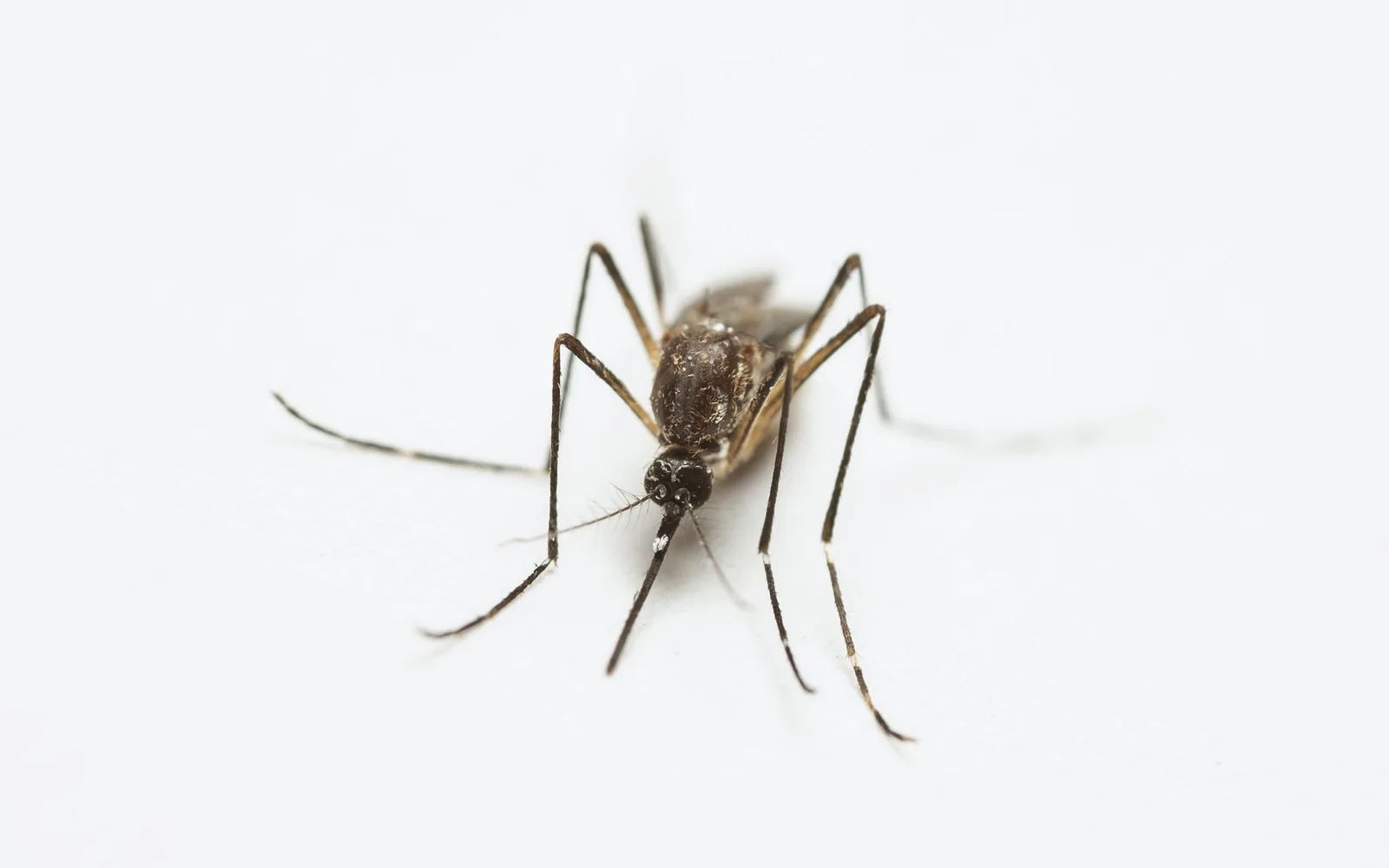
Mosquito control in Al Muhammadiyah Jeddah
Al Muhammadiyah is an upmarket northern district near the coast between King Abdulaziz Road and Madinah Road, with large villas and newer apartment buildings surrounding busy commercial axes. Sea humidity stays high most of the year and salt laden breezes keep timber and render damp, and irrigated lawns and green spaces round villa plots and along the corniche create perfect conditions for mosquitoes to breed and rest.
-
Targeted, not broadcast
Product goes into cracks and runways, never sprayed across open surfaces.
-
Told before we start
What we will use, where it goes, and what to cover or move before we arrive.
-
A follow-up visit
We return after the first treatment, because what survives it does not show on the day.
-
Homes and businesses
Apartments and villas, and kitchens and stores that need a record of each visit.
Why they keep coming back in Al Muhammadiyah
The constant coastal humidity means shade and planting stay wet all the time, and resting adult mosquitoes find these conditions so comfortable that they establish in the district even where obvious standing water is scarce. The method is set out in full on Mosquito control in detail.
Irrigated green spaces and sea humidity combination
Large villas and public gardens maintain continuous irrigated lawns, and high sea humidity means soil never fully dries. Mosquitoes lay eggs in any standing pool, and even in soil so damp that standing water appears only briefly or not at all on the surface.
Restaurant and cafe strips along main roads
Quraish Street and Prince Sultan Road carry dense restaurant and cafe trade, and outdoor furniture leaves standing water pools where waste collects. Food residue and wash water from kitchens provide food and water sources all day, and outlets remain active long after residential areas sleep.
Closed chalets and rest houses along the coast
Scattered chalets and rest houses along the shoreline stand empty for long periods, allowing insects to establish undisturbed. High sea humidity keeps water pooling round these buildings even when closed, and dense shade provides shelter for large resting populations.
Al Muhammadiyah on the map
Al Muhammadiyah sits about 3 km from Al Naeem and about 3.5 km from Al Nahdah.
Open in Google MapsStanding water and shade decide the method
High sea humidity and salt laden air keep timber and masonry damp throughout the year. Irrigated gardens and green spaces spread round the corniche and villa plots, and this combination of moisture, dense planting and ready food sources creates ideal conditions for sustained mosquito populations.
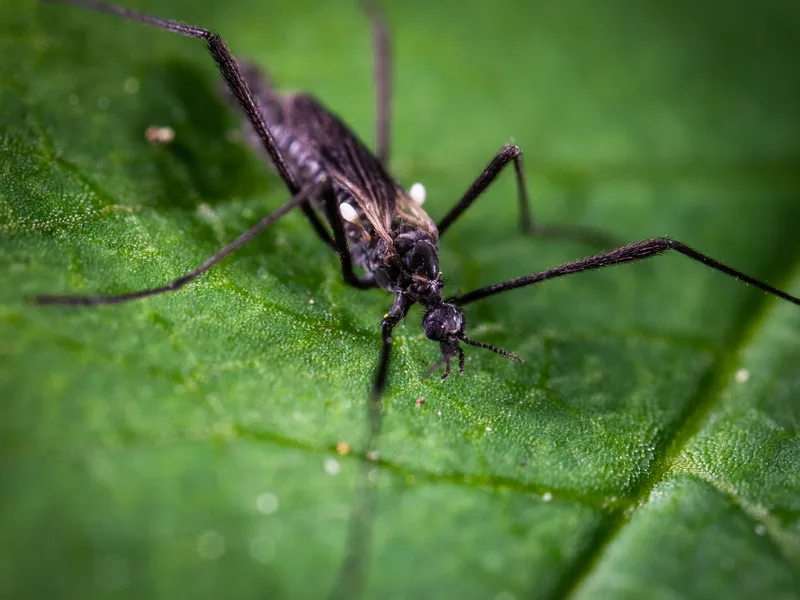
The daytime biter
The daytime biter in Al Muhammadiyah rests under dense trees and plant screens round villas and waterfront restaurants, where high sea humidity and continuous shade provide perfect comfort all through daylight hours.
The one that comes out after sunset
The one that comes out after sunset emerges from irrigation zones and restaurant grounds as light fades, seeking shade habitat in landscaped areas before dispersing at dusk to locate hosts and feed actively.
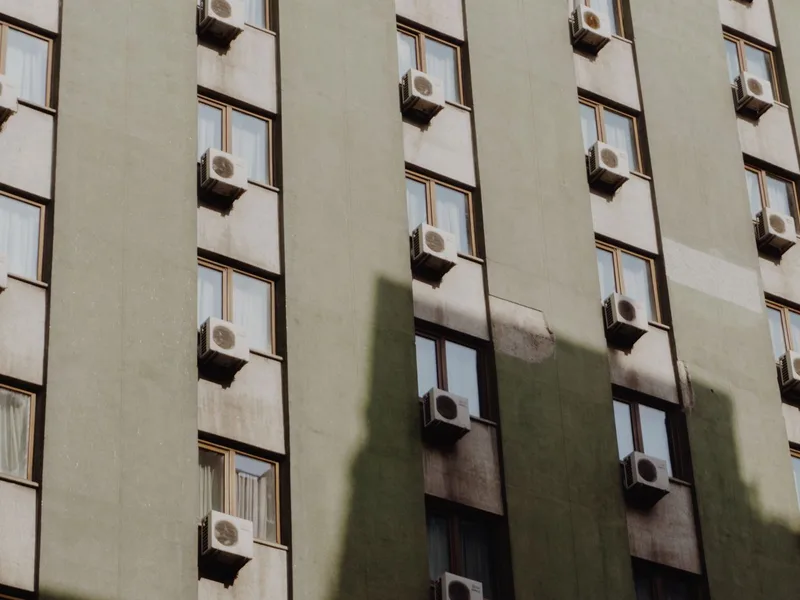
Air-conditioning condensate
Air-conditioning condensate from villa and apartment wall units drips onto the already damp coastal foundation soil, and high humidity means every drop remains on the surface as a pool rather than draining or evaporating.
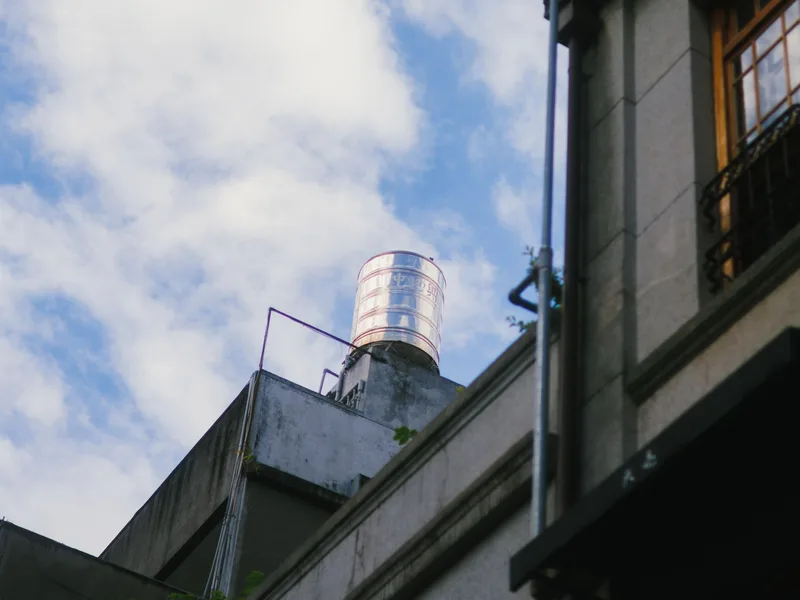
The tank and its openings
Water tanks in villas are a direct source if openings are exposed or ventilation gaps unsealed, and stagnant tank water becomes a multiplying hatchery if mosquitoes have once accessed it to lay eggs.
Garden containers and irrigation
Garden containers and irrigation systems round villa planting areas leave standing water in every depression and along every drip line, sustained by continuous irrigation that ensures no pool ever completely dries out.
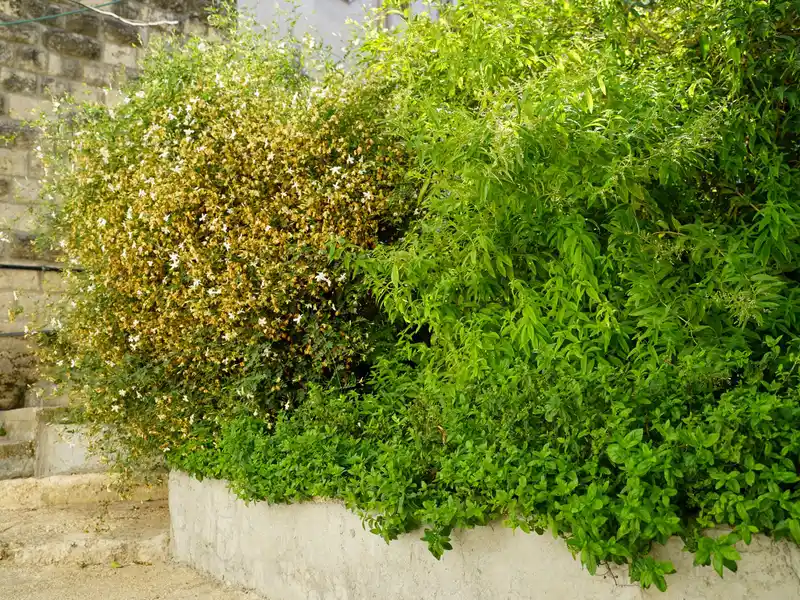
The shade it rests in
Resting shade exists under seaside trees, plant screens and building alcoves, and high sea humidity provides the moisture gradient the resting adult mosquito needs to remain active and alert to feeding opportunities.
How we work
-
1
Inspect and map the water
We walk the perimeter, the roof, the garden, the meter chambers and the condensate runs, record everything that holds water, and read the species from the breeding site and the time of biting.
-
2
Remove the water that can go
Empty, invert, cover: saucers, containers, old tyres and roof gullies. Every point that disappears is a treatment that never needs repeating.
-
3
Larval treatment, then the resting surfaces
Water that cannot be drained is treated so the larva never completes, then a residual goes under planting, beneath outdoor furniture and along low shaded walls.
-
4
The follow-up visit
We come back once the generation that was in the water on the first visit has completed, review every point we recorded and re-treat where needed.
What mosquito control includes
-

A recorded water survey
Roof, perimeter, garden, meter chambers and condensate lines, written down before anything is applied.
-

Draining and covering the sources
Emptying what can be emptied, draining what can be drained, and covering what has to stay full.
-

Larval treatment for the water that stays
For ground tanks, inspection chambers, water features and any permanent water that has to remain.
-

A residual on the resting places
Under trees and shrubs, beneath outdoor furniture and on shaded walls, where the adult sits out the day.
-

Aftercare instructions
What stays inverted, what gets covered, which openings need mesh, and when watering goes back to normal.
-

A scheduled follow-up
A set date after the first treatment, with every recorded water point reviewed and re-treated if the water came back.
What is different about Obhur Sub-Municipality
Obhur sub-municipality runs along Jeddah's northern shoreline from Al Shati up to Obhur Creek. It mixes large villas and gated compounds with busy commercial spines of restaurants, cafes, markets and hotels. Sea humidity is high for most of the year and salt laden breezes keep timber and render damp, while irrigated gardens and lawns surround the corniche and the villa plots. Standing irrigation water, dense planting and food waste from the hospitality strip suit cockroaches, mosquitoes and ants, and the chalets and rest houses scattered along the creek stand empty for long spells, which lets insects and rodents settle undisturbed.
Questions about this district
Does the constant sea humidity make mosquitoes more active here than inland?
Yes, constant humidity means resting adult mosquitoes stay comfortable in wet shade all day, extending their active periods and increasing feeding frequency. Treatment focuses on irrigated zones and coastal shade habitat where they congregate.
Is irrigation water round large villa gardens a genuine mosquito source?
Yes, large villas support extensive garden and planting, and irrigation systems leave standing water points everywhere. Sea humidity means these pools remain damp and viable for breeding even when they do not visibly pool.
Do restaurants and cafes along the shore increase mosquito activity?
Yes, outlets provide food, water and shade, and food waste with wash water from kitchens and landscaping create ideal conditions. Outlets stay open late, maintaining activity and food sources long into evening and night.
When is mosquito activity at its peak in Al Muhammadiyah?
Mosquitoes are active all year due to high humidity and irrigation, but peak activity occurs spring through autumn when humidity is sustained and outdoor planting is most active.
Do the closed chalets on the seafront become mosquito breeding grounds?
Yes, chalets left closed for extended periods provide protected environments where mosquitoes establish. Sea humidity keeps water pooling round the buildings, and dense shade provides ideal rest habitat.
Is Al Muhammadiyah Park a major source for the whole district?
Al Muhammadiyah Park maintains irrigated lawns and small channels, both of which hold standing water. If untreated it acts as a continuous source feeding mosquitoes across the district via wind dispersal and flight.
How much does mosquito control in Al Muhammadiyah cost?
It is set after the inspection, because the price follows the type of infestation, the size of the space, how far it has spread and the number of visits it needs. Send a photo and a description on WhatsApp and we will give you an estimate before we reach Al Muhammadiyah.
Nearby districts we cover
Other services in Al Muhammadiyah
Other services we provide to residents of Al Muhammadiyah.
-
 Residential
Cockroach control
Residential
Cockroach control
-
 Residential
Bed bug control
Residential
Bed bug control
-
 Residential
Termite control
Residential
Termite control
-
 Residential
Rodents and mice
Residential
Rodents and mice
-
 Residential
Fly control
Residential
Fly control
-
 Residential
Ant control
Residential
Ant control
-
 Residential
Gecko control
Residential
Gecko control
-
 Residential
Scorpion control
Residential
Scorpion control
-
 Residential
Snake control
Residential
Snake control
-
 Residential
Flea control
Residential
Flea control
-
 Residential
Bird and pigeon control
Residential
Bird and pigeon control
-
 Residential
Preventive treatment
Residential
Preventive treatment
-
 Residential
Disinfection
Residential
Disinfection
-
 Commercial
Annual contracts
Commercial
Annual contracts
-
 Commercial
Restaurants and cafes
Commercial
Restaurants and cafes
-
 Commercial
Hotels and apartments
Commercial
Hotels and apartments
-
 Commercial
Warehouses and factories
Commercial
Warehouses and factories
-
 Commercial
Schools and nurseries
Commercial
Schools and nurseries
-
 Commercial
Retail and malls
Commercial
Retail and malls
-
 Commercial
Rest houses and farms
Commercial
Rest houses and farms
-
 Commercial
Fumigation
Commercial
Fumigation
-
 Water tanks
Water tank cleaning
Water tanks
Water tank cleaning
-
 Water tanks
Water tank sterilization
Water tanks
Water tank sterilization
-
 Water tanks
Water tank sealing
Water tanks
Water tank sealing
-
 Water tanks
Tank leak repair
Water tanks
Tank leak repair
Need mosquito control in Al Muhammadiyah? Tell us what you saw and we will tell you what it needs
We reach Al Muhammadiyah at a time we agree, and you get the full cost before we start.