
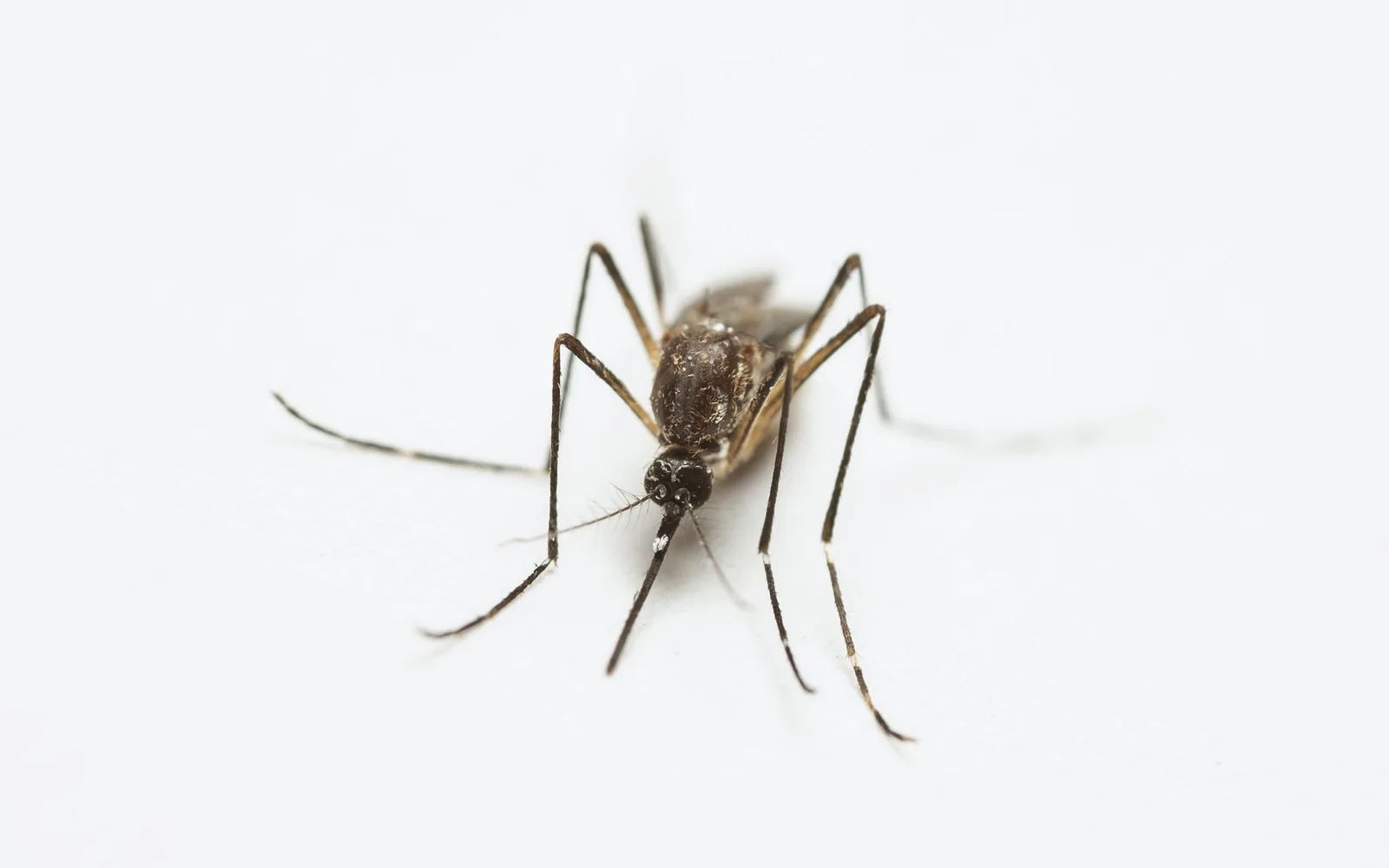
Mosquito control in Al Naseem Jeddah
Al Naseem is a mixed central district of Jeddah with villas and apartment buildings on busy commercial streets packed with restaurants and medical complexes and a health centre. Medical complexes and restaurants provide continuous drain water, older quarters with aged water networks trap water underground, and high population density means each standing water source feeds large mosquito populations.
-
Targeted, not broadcast
Product goes into cracks and runways, never sprayed across open surfaces.
-
Told before we start
What we will use, where it goes, and what to cover or move before we arrive.
-
A follow-up visit
We return after the first treatment, because what survives it does not show on the day.
-
Homes and businesses
Apartments and villas, and kitchens and stores that need a record of each visit.
Why they keep coming back in Al Naseem
Medical complexes and restaurants drain water continuously through the day, old commercial ground floors without good drainage provide rapid pooling. High population density and continuous activities mean constant pressure on water disposal systems. The method is set out in full on how we approach Mosquito control.
Medical complexes and restaurants provide warm organic drain water continuously
Hospitals, medical centres and restaurants discharge water steadily all day, warm and organic water accelerates mosquito development. Medical and food density provides multiple water sources very close together and overlapping in their discharge patterns.
Old commercial ground floors and busy streets harbour hidden standing water
Commercial streets such as Bani Malik and Palestine are packed with shops and restaurants without modern drainage, water pools beneath ground floors and in corners. Mosquitoes hide there through daylight hours, invisible from the street.
High population density creates continuous pressure on water and drainage resources
Al Naseem is densely populated with numerous flats and many shops, and water from household and shop drains accumulates rapidly. Old drainage networks cannot handle this volume and water backs up around foundations.
The character of Al Naseem
Mixed district: shops at street level with homes above them
Homes and flats mixed with shops and medical complexes mean standing water comes from multiple-use sources, requiring coordinated treatment of building and street together, not isolated flat-by-flat approaches.
Standing water and shade decide the method
A mixed central district of relatively older build between King Abdullah Road and the Haramain Road, villas and apartment blocks alongside congested commercial streets, medical centres and a health facility providing continuous drain water. Old networks and high density create complex mosquito ecology.
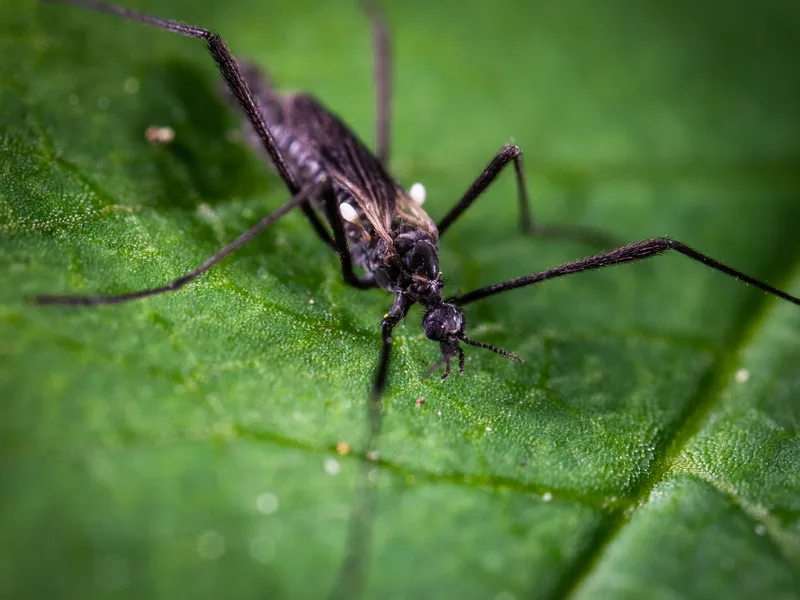
The daytime biter
Mosquitoes active by day hide in commercial ground floors, dark corners and old foundations around medical complexes and restaurants, waiting for evening to emerge and feed.
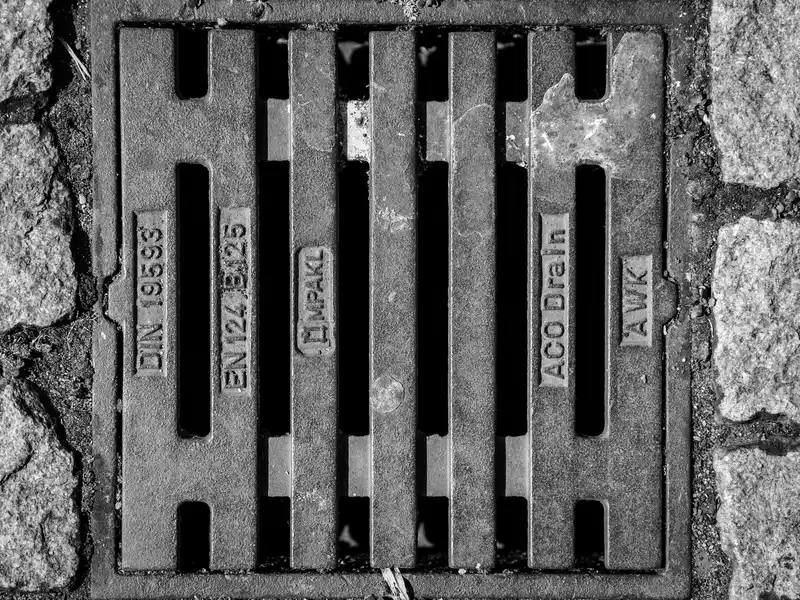
The one that comes out after sunset
After sunset, warm water from medical complexes and restaurants drives mosquitoes out from standing water upward toward upper flats with force, and dusk brings open doors and rising temperatures.
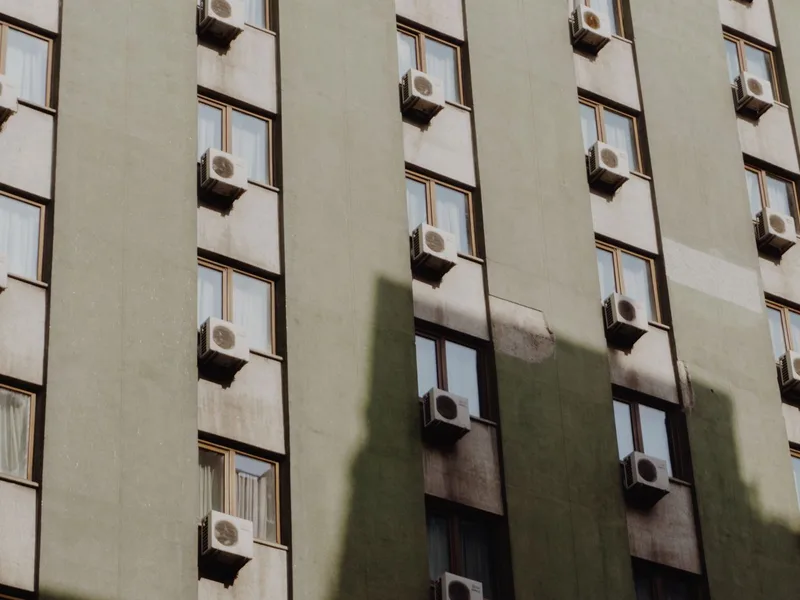
Air-conditioning condensate
Air-conditioning condensate from shops and flats drains onto ground or into shared old pipes, adding moisture to water already trapped by poor drainage.
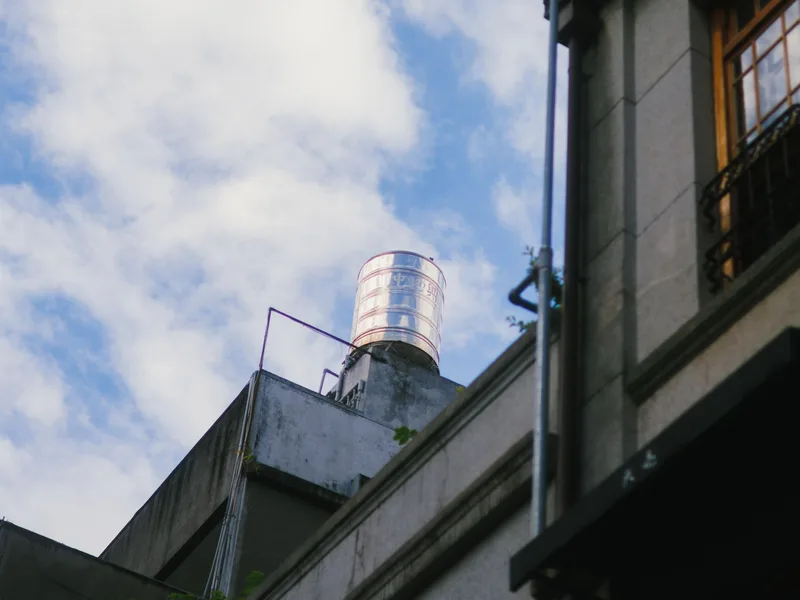
The tank and its openings
Tanks and openings on old mixed-use buildings often lack tight protective covers, and standing water around them persists because drainage infrastructure is incomplete.
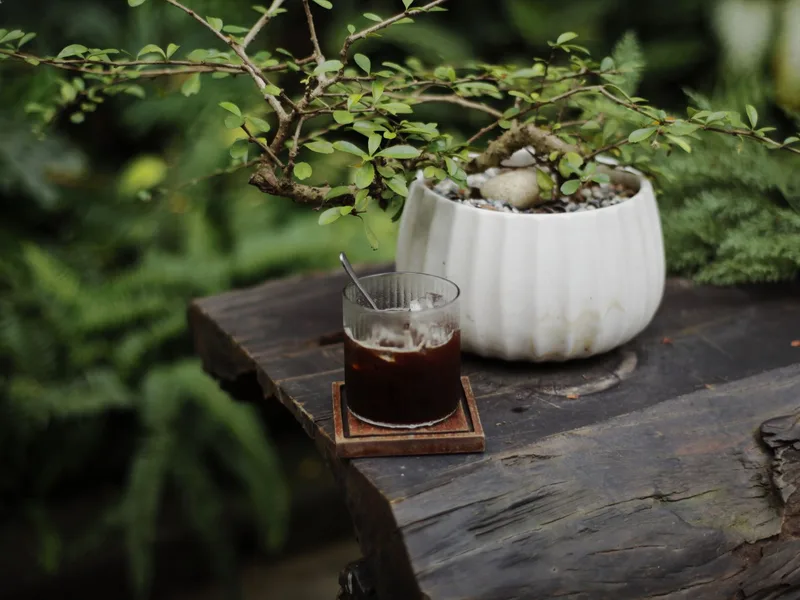
Garden containers and irrigation
Garden containers, drains and water from restaurants and medical complexes provide multiple scattered water sources throughout the district, fed by continuous discharge.
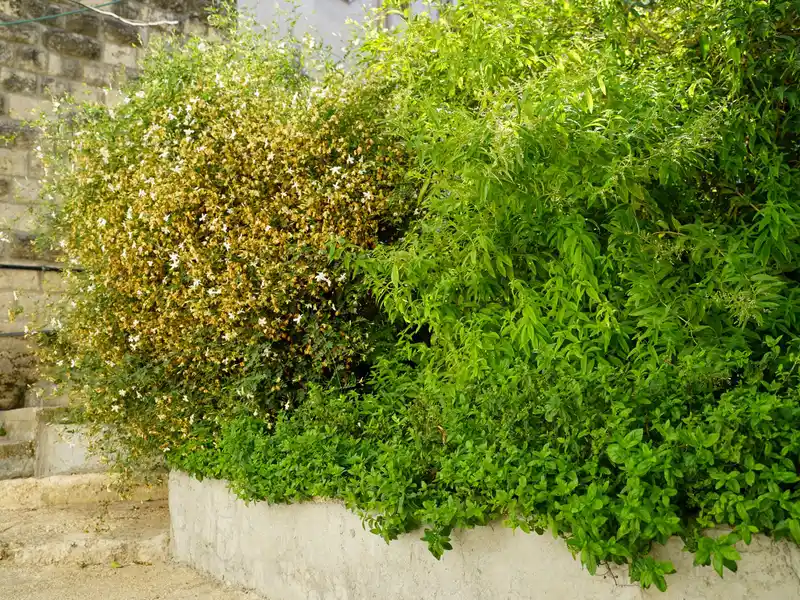
The shade it rests in
Damp shade, openings, corners and old foundations provide permanent shelter for adult mosquitoes in a dense environment, hidden through daylight but active and ready to feed at dusk.
How we work
-
1
Inspect and map the water
We walk the perimeter, the roof, the garden, the meter chambers and the condensate runs, record everything that holds water, and read the species from the breeding site and the time of biting.
-
2
Remove the water that can go
Empty, invert, cover: saucers, containers, old tyres and roof gullies. Every point that disappears is a treatment that never needs repeating.
-
3
Larval treatment, then the resting surfaces
Water that cannot be drained is treated so the larva never completes, then a residual goes under planting, beneath outdoor furniture and along low shaded walls.
-
4
The follow-up visit
We come back once the generation that was in the water on the first visit has completed, review every point we recorded and re-treat where needed.
What mosquito control includes
-

A recorded water survey
Roof, perimeter, garden, meter chambers and condensate lines, written down before anything is applied.
-

Draining and covering the sources
Emptying what can be emptied, draining what can be drained, and covering what has to stay full.
-

Larval treatment for the water that stays
For ground tanks, inspection chambers, water features and any permanent water that has to remain.
-

A residual on the resting places
Under trees and shrubs, beneath outdoor furniture and on shaded walls, where the adult sits out the day.
-

Aftercare instructions
What stays inverted, what gets covered, which openings need mesh, and when watering goes back to normal.
-

A scheduled follow-up
A set date after the first treatment, with every recorded water point reviewed and re-treated if the water came back.
What is different about Al Sharafiyah Sub-Municipality
The Al Sharafiyah sub municipality runs across central Jeddah from Al Ruwais near the Corniche eastwards through Al Sharafiyah, Al Wurud and Bani Malik to Al Naseem at the Haramain Road. It was among the first areas to grow beyond the old wall, and it is dominated by dense apartment blocks over shops along King Fahd Road and Palestine Street, with old popular quarters, the Bani Malik market, car workshops and storerooms. Ageing buildings, worn drainage and the refuse of restaurants and markets make cockroaches and rodents the most persistent pests, and humidity rises towards the sea.
Questions about this district
Are the medical complexes and clinics in Al Naseem a dedicated mosquito source?
Yes. Medical centres discharge water continuously, ground floors are often damp and ventilation may be poor. Mosquitoes are drawn to warm water from hospital and clinic kitchens and wash areas.
Why are there so many mosquitoes on Bani Malik Street and other busy commercial streets?
Commercial streets provide drain water from numerous restaurants and shops, old ground floors without good drainage pool water readily. Mosquitoes hide beneath awnings and in corners throughout the day.
Do flats above commercial shops in Al Naseem get mosquitoes from the ground floor?
Yes, easily. Standing water below shops and shared drains provide direct transfer routes. Fogging the shop alone is not enough.
Does high population density in Al Naseem mean more mosquitoes than other districts?
Yes. Density provides more drain water and individual discharges accumulate rapidly. Pressure on public networks is higher, and water pools quickly.
What can be done to reduce standing water on a busy commercial street?
Improve the general street drainage, clean pipes regularly, and seal unused drain openings. The street as a whole must be treated, not individual shops in isolation.
Is the health centre in Al Naseem responsible for mosquitoes immediately around it?
Partly yes. Medical facilities provide continuous drain water. But standing water from surrounding shops and flats also contributes substantially.
How much does mosquito control in Al Naseem cost?
It is set after the inspection, because the price follows the type of infestation, the size of the space, how far it has spread and the number of visits it needs. Send a photo and a description on WhatsApp and we will give you an estimate before we reach Al Naseem.
Nearby districts we cover
Other services in Al Naseem
Other services we provide to residents of Al Naseem.
-
 Residential
Cockroach control
Residential
Cockroach control
-
 Residential
Bed bug control
Residential
Bed bug control
-
 Residential
Termite control
Residential
Termite control
-
 Residential
Rodents and mice
Residential
Rodents and mice
-
 Residential
Fly control
Residential
Fly control
-
 Residential
Ant control
Residential
Ant control
-
 Residential
Gecko control
Residential
Gecko control
-
 Residential
Scorpion control
Residential
Scorpion control
-
 Residential
Snake control
Residential
Snake control
-
 Residential
Flea control
Residential
Flea control
-
 Residential
Bird and pigeon control
Residential
Bird and pigeon control
-
 Residential
Preventive treatment
Residential
Preventive treatment
-
 Residential
Disinfection
Residential
Disinfection
-
 Commercial
Annual contracts
Commercial
Annual contracts
-
 Commercial
Restaurants and cafes
Commercial
Restaurants and cafes
-
 Commercial
Hotels and apartments
Commercial
Hotels and apartments
-
 Commercial
Warehouses and factories
Commercial
Warehouses and factories
-
 Commercial
Schools and nurseries
Commercial
Schools and nurseries
-
 Commercial
Retail and malls
Commercial
Retail and malls
-
 Commercial
Rest houses and farms
Commercial
Rest houses and farms
-
 Commercial
Fumigation
Commercial
Fumigation
-
 Water tanks
Water tank cleaning
Water tanks
Water tank cleaning
-
 Water tanks
Water tank sterilization
Water tanks
Water tank sterilization
-
 Water tanks
Water tank sealing
Water tanks
Water tank sealing
-
 Water tanks
Tank leak repair
Water tanks
Tank leak repair
Need mosquito control in Al Naseem? Tell us what you saw and we will tell you what it needs
We reach Al Naseem at a time we agree, and you get the full cost before we start.