
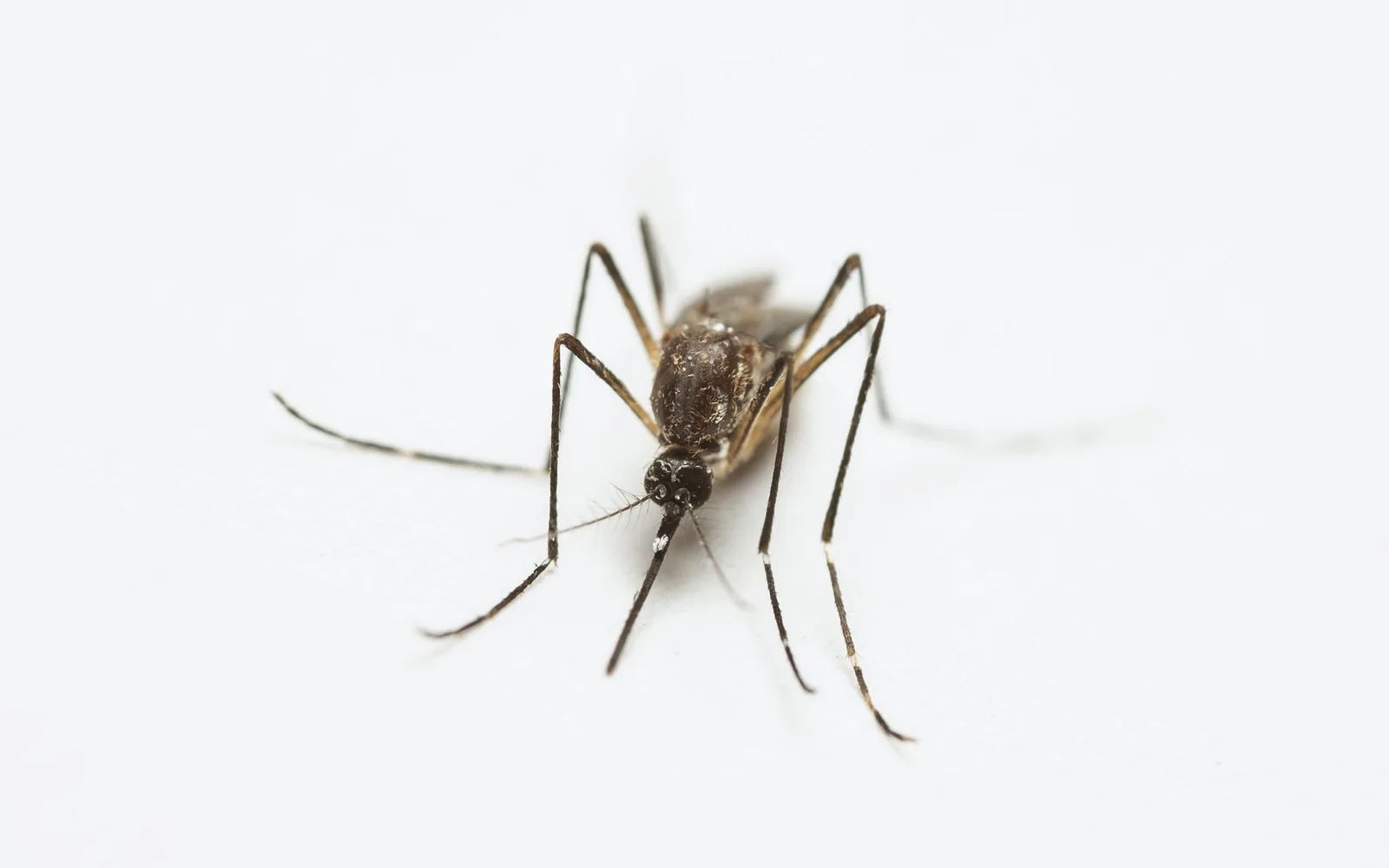
Mosquito control in Al Nuzhah Jeddah
Al Nuzhah near Jeddah airport is one of the city's older northern districts, with villas and apartment blocks built decades ago and water and sewer networks now very old indeed. Dense restaurants, furnished flats along commercial streets and failed drainage create a constant organic waste stream, while aged pipes leak continuously and release trapped standing water.
-
Targeted, not broadcast
Product goes into cracks and runways, never sprayed across open surfaces.
-
Told before we start
What we will use, where it goes, and what to cover or move before we arrive.
-
A follow-up visit
We return after the first treatment, because what survives it does not show on the day.
-
Homes and businesses
Apartments and villas, and kitchens and stores that need a record of each visit.
Why they keep coming back in Al Nuzhah
Aged pipes leak continuously and standing water collects in corners and around foundations. Restaurants and furnished flats discharge warm organic water throughout the day, and soil around old buildings stays permanently saturated from the combination of leaks and high use. The method is set out in full on what Mosquito control involves.
Pipes thirty years old and older leak continuously and reliably
Water and sewer lines in Al Nuzhah were laid in the nineteen eighties and nineties, and are now corroded and leak without pause. Leaked water accumulates under ground around foundations and provides an unbroken breeding source that no amount of surface fogging will reach.
Dense restaurants and furnished flats provide warm organic waste water year round
Commercial streets such as Quraish and Sari teem with restaurants and furnished flats housing newcomers and short term visitors. Drain water from kitchens is warm and rich in organic material, creating ideal breeding conditions for mosquitoes that thrive on nutrient loads.
Old buildings and gaps between them shelter adult mosquitoes in isolated cavities
Old buildings were built without modern sealing standards, and gaps, cracks and openings around foundations provide dark damp shelter. Adult mosquitoes hide in these cavities through daylight and emerge only when dusk and feeding calls them to occupied rooms.
Landmarks of Al Nuzhah
Work in Al Nuzhah is organised along Sultan bin Salman Street, the busy commercial spine of the district, and Mall of Arabia to the south, which marks the boundary toward newer areas, with focus on the older mixed use streets where moisture and restaurants concentrate.
- Sultan bin Salman Street
- Mall of Arabia
- King Fahd Road
- Prince Majid Road
- Al Nuzhah Health Centre
Standing water and shade decide the method
Older northern quarters near the airport where buildings and infrastructure were laid down decades ago and commercial streets are crowded with restaurants, furnished apartments and retail outlets. Incomplete drainage and worn pipes leave water trapped underground, and age alone means systems are undersized for current demand.
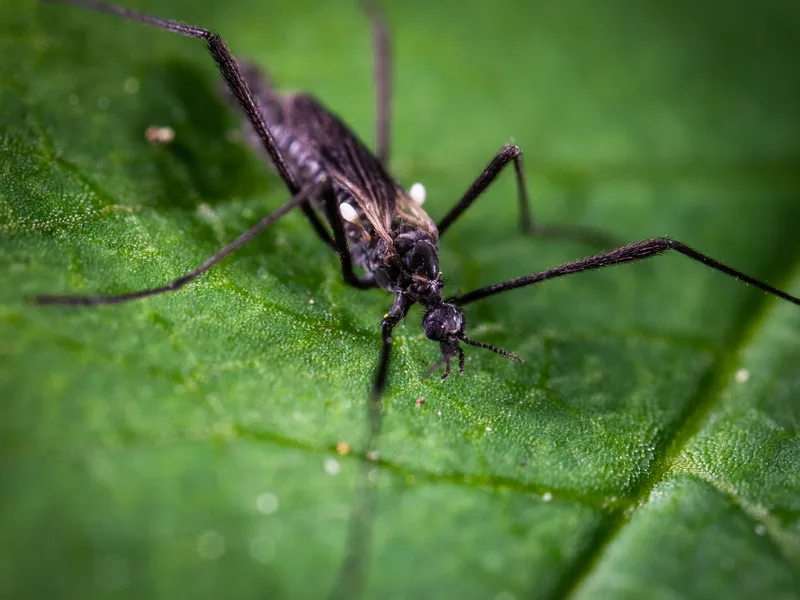
The daytime biter
Mosquitoes active by day hide in cracks and gaps around old building foundations and dark commercial ground floors, waiting for dusk and rising humidity to drive them upward.
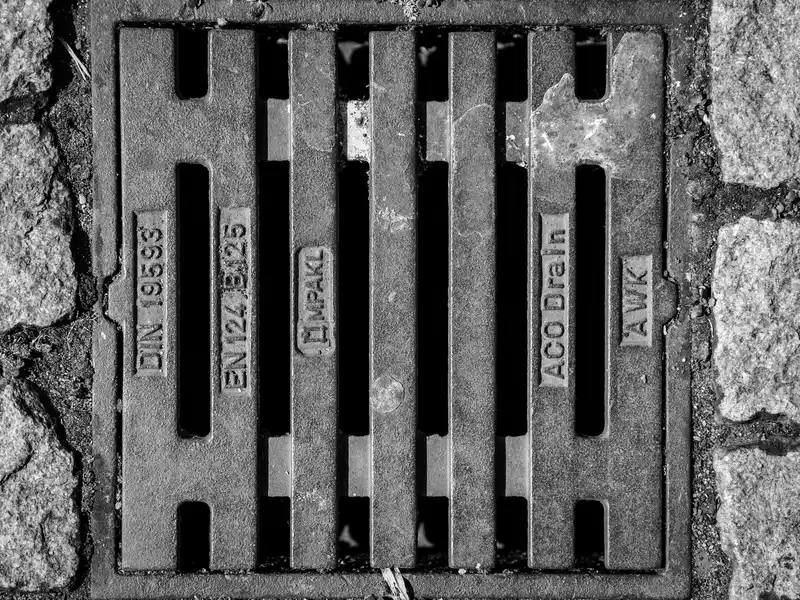
The one that comes out after sunset
After sunset, warm water from restaurants drives mosquitoes out of leaks underground toward occupied flats with force, and humidity and food smells guide them to open windows and doors.
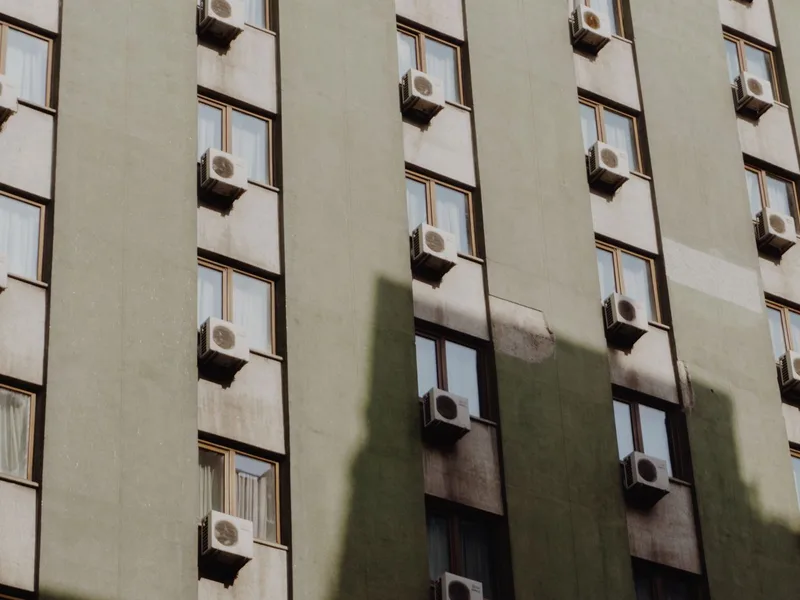
Air-conditioning condensate
Air-conditioning condensate from shops and furnished flats drains onto the ground or into shared old pipes, adding moisture to water already trapped from leaks.
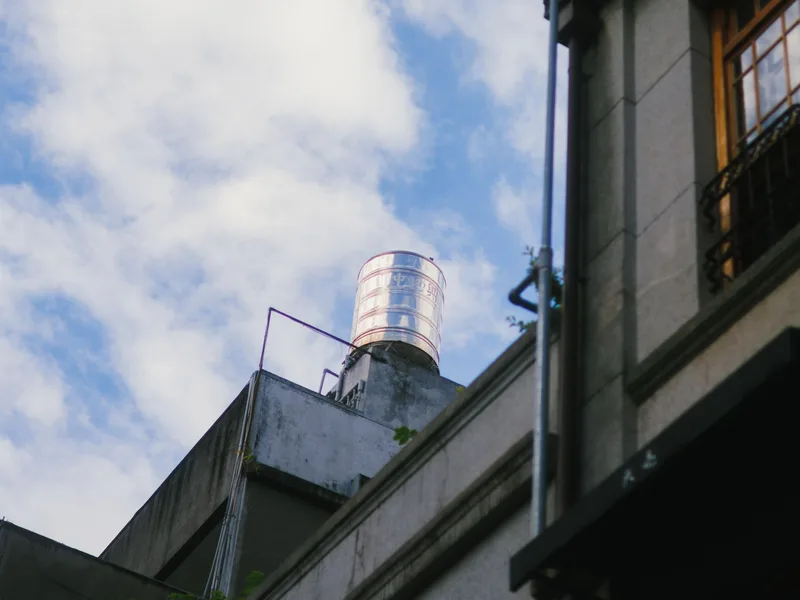
The tank and its openings
Rooftop tanks on aged buildings often lack tight covers, and pipes around them leak continuously, releasing stale water into cavities and around the building exterior.
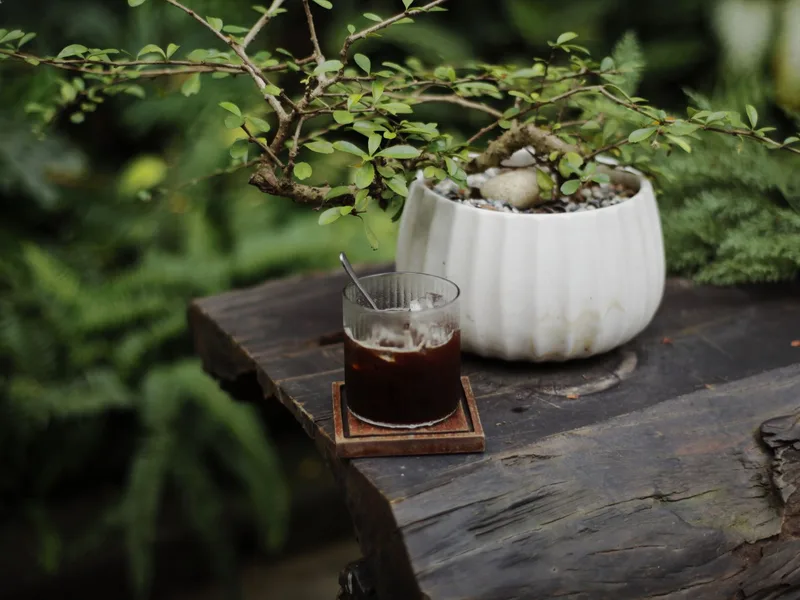
Garden containers and irrigation
Garden containers, irrigation drains and small pooling in front of old shops provide standing water persistently, fed by continuous kitchen discharge and condensate seepage.
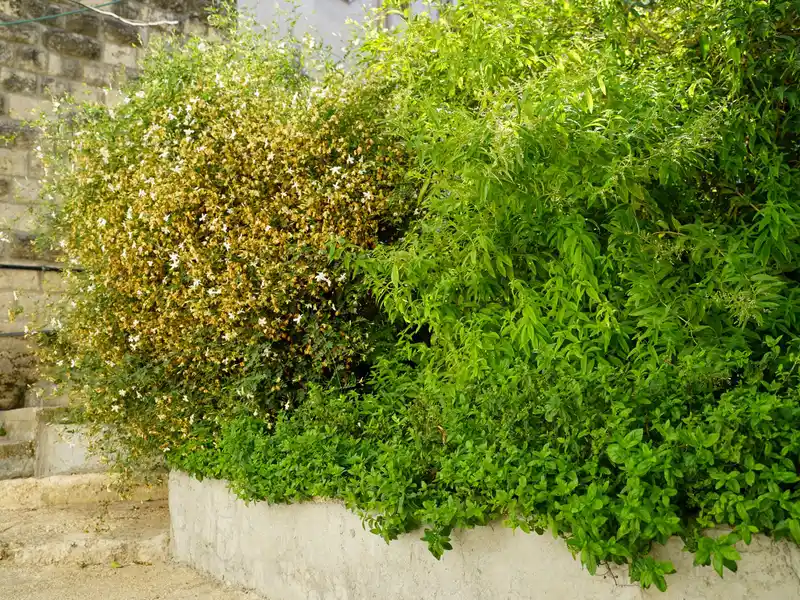
The shade it rests in
Damp shade and cracks and gaps between old buildings provide permanent shelter for adult mosquitoes hidden through daylight, emerging to feed as dusk brings rising temperatures and open windows.
How we work
-
1
Inspect and map the water
We walk the perimeter, the roof, the garden, the meter chambers and the condensate runs, record everything that holds water, and read the species from the breeding site and the time of biting.
-
2
Remove the water that can go
Empty, invert, cover: saucers, containers, old tyres and roof gullies. Every point that disappears is a treatment that never needs repeating.
-
3
Larval treatment, then the resting surfaces
Water that cannot be drained is treated so the larva never completes, then a residual goes under planting, beneath outdoor furniture and along low shaded walls.
-
4
The follow-up visit
We come back once the generation that was in the water on the first visit has completed, review every point we recorded and re-treat where needed.
What mosquito control includes
-

A recorded water survey
Roof, perimeter, garden, meter chambers and condensate lines, written down before anything is applied.
-

Draining and covering the sources
Emptying what can be emptied, draining what can be drained, and covering what has to stay full.
-

Larval treatment for the water that stays
For ground tanks, inspection chambers, water features and any permanent water that has to remain.
-

A residual on the resting places
Under trees and shrubs, beneath outdoor furniture and on shaded walls, where the adult sits out the day.
-

Aftercare instructions
What stays inverted, what gets covered, which openings need mesh, and when watering goes back to normal.
-

A scheduled follow-up
A set date after the first treatment, with every recorded water point reviewed and re-treated if the water came back.
What is different about Airport Sub-Municipality
The Airport sub-municipality covers some of the oldest established districts of northern Jeddah, gathered around King Abdulaziz International Airport between Madinah Road, King Fahd Road and Prince Majid Road. The stock is villas, single family houses and apartment blocks built decades ago, many served by ageing water and sewer lines. Commercial streets such as Quraish, Sari and Sultan bin Salman are lined with restaurants, furnished flats and popular markets. Dense commercial kitchens, worn pipework and the gaps in older buildings give cockroaches and rodents steady food and shelter, and the high resident population keeps that pressure constant through the year.
Questions about this district
Are leaking aged pipes the main mosquito source in Al Nuzhah?
Yes. Leaks from old pipes provide continuous standing water underground. Mosquitoes lay eggs in this trapped water, and surface treatment cannot reach it. Fixing leaks is as important as fogging.
Why do restaurants on Quraish and Sari attract more mosquitoes than distant ones?
Dense restaurants on busy commercial streets drain warm organic water continuously, and old pipe leaks multiply the standing water nearby. Density means multiple sources very close together, creating a mosquito hotspot.
Do furnished flats with high tenant turnover have worse mosquito problems than stable homes?
Yes. Furnished flats often go unmaintained and windows, drains and seals may be broken. New tenants often do not notice until the problem is severe, by which time generations have bred.
Does standing water trapped under the ground floor commercial space reach the flat above?
Yes, particularly through openings, cracks and shared drains between levels. Mosquitoes fly from water trapped beneath the commercial ground floor up to the flat above at dusk.
What should commercial buildings on Quraish and Sari do to reduce mosquitoes?
Inspect pipes and repair leaks, clean drains regularly, and install check valves on outside drain openings. Good ventilation and reducing humidity near drains is also critical.
Are old districts by nature more mosquito prone than new ones?
Yes, markedly so. Aged pipes, buildings that hold moisture, high population density, and multiple restaurants create conditions that support persistent mosquito populations year-round.
How much does mosquito control in Al Nuzhah cost?
It is set after the inspection, because the price follows the type of infestation, the size of the space, how far it has spread and the number of visits it needs. Send a photo and a description on WhatsApp and we will give you an estimate before we reach Al Nuzhah.
Other services in Al Nuzhah
Other services we provide to residents of Al Nuzhah.
-
 Residential
Cockroach control
Residential
Cockroach control
-
 Residential
Bed bug control
Residential
Bed bug control
-
 Residential
Termite control
Residential
Termite control
-
 Residential
Rodents and mice
Residential
Rodents and mice
-
 Residential
Fly control
Residential
Fly control
-
 Residential
Ant control
Residential
Ant control
-
 Residential
Gecko control
Residential
Gecko control
-
 Residential
Scorpion control
Residential
Scorpion control
-
 Residential
Snake control
Residential
Snake control
-
 Residential
Flea control
Residential
Flea control
-
 Residential
Bird and pigeon control
Residential
Bird and pigeon control
-
 Residential
Preventive treatment
Residential
Preventive treatment
-
 Residential
Disinfection
Residential
Disinfection
-
 Commercial
Annual contracts
Commercial
Annual contracts
-
 Commercial
Restaurants and cafes
Commercial
Restaurants and cafes
-
 Commercial
Hotels and apartments
Commercial
Hotels and apartments
-
 Commercial
Warehouses and factories
Commercial
Warehouses and factories
-
 Commercial
Schools and nurseries
Commercial
Schools and nurseries
-
 Commercial
Retail and malls
Commercial
Retail and malls
-
 Commercial
Rest houses and farms
Commercial
Rest houses and farms
-
 Commercial
Fumigation
Commercial
Fumigation
-
 Water tanks
Water tank cleaning
Water tanks
Water tank cleaning
-
 Water tanks
Water tank sterilization
Water tanks
Water tank sterilization
-
 Water tanks
Water tank sealing
Water tanks
Water tank sealing
-
 Water tanks
Tank leak repair
Water tanks
Tank leak repair
Need mosquito control in Al Nuzhah? Tell us what you saw and we will tell you what it needs
We reach Al Nuzhah at a time we agree, and you get the full cost before we start.