
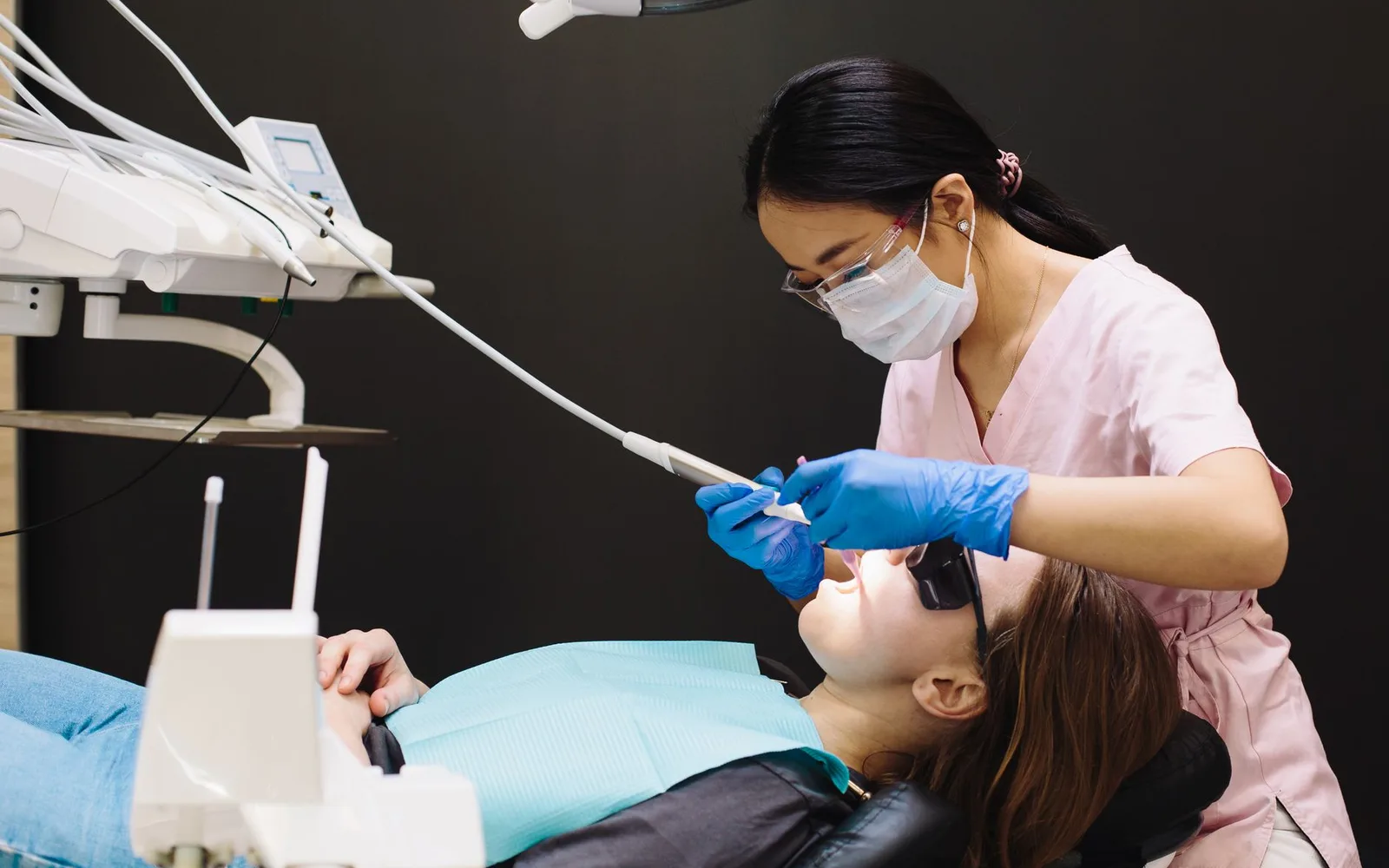
Preventive treatment in Al Safrah Makkah
Al Safrah is a rural district on the eastern fringe of Makkah with open ground, farms and large gaps between scattered homes. This means rodents have natural shelters very close by and insects migrate from the farms and grassland into homes easily and repeatedly. The preventive work here is different because the pressure comes from open land, not from neighbouring buildings.
-
Targeted, not broadcast
Product goes into cracks and runways, never sprayed across open surfaces.
-
Told before we start
What we will use, where it goes, and what to cover or move before we arrive.
-
A follow-up visit
We return after the first treatment, because what survives it does not show on the day.
-
Homes and businesses
Apartments and villas, and kitchens and stores that need a record of each visit.
Why they keep coming back in Al Safrah
Open ground and wide enclosures between scattered homes provide permanent rodent shelter whilst awaiting the development that may never fully arrive, creating seasonal migration patterns that are distinct and predictable. The method is set out in full on Preventive treatment in detail.
Rodents shelter permanently in open ground nearby
Al Safrah is not densely built but widely scattered, and the vacant plots and grassland around homes offer permanent refuges for rodents. The preventive programme here focuses on sealing every gap around the house foundation and strengthening the boundary between the building and these natural shelters with a heavy external band that rodents cannot breach.
Farms and the wadi migrate insects seasonally into homes
Insects migrate seasonally from the farms, grassland and neighbouring wadi directly into homes, especially when ground dries or after heavy rain. The preventive programme here reads these seasonal cycles from the monitoring points and adjusts visit frequency based on what the ground itself reveals, not a fixed calendar.
Large gaps between homes remove mutual protection
Homes are spaced far apart so they do not protect each other as densely built areas do. Each home faces direct exposure from open land, so monitoring points must be more numerous and positioned closer to the ground level where rodents enter through gaps between foundation and soil.
The character of Al Safrah
Rural area: farms, open ground and scattered homes
A rural setting means rodents and reptiles have permanent natural shelter very close by, so the programme centres on external boundaries with a strong external band and reading the outdoor monitoring points that reveal seasonal migrations from the open land and farm areas.
What a preventive visit reads
Al Safrah lies near Umm Al Qura University campus and the old farms of Al Husayniyah, and overlooks Wadi Uranah which holds water after rain and consistently attracts insects and rodents.
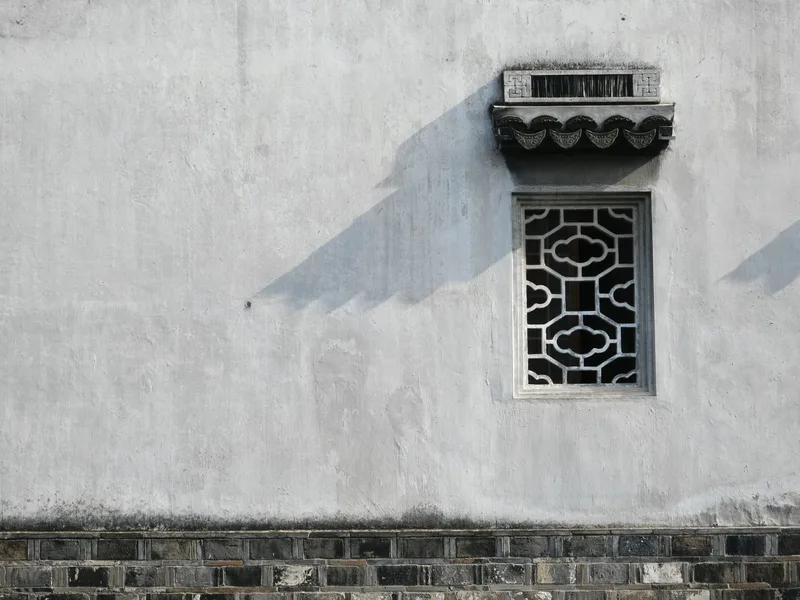
The base of the outside wall
The base of the outside wall in Al Safrah is sometimes damaged by water, poor drainage and older construction, so we prioritise sealing every gap at the foundation with a strong band before anything else.
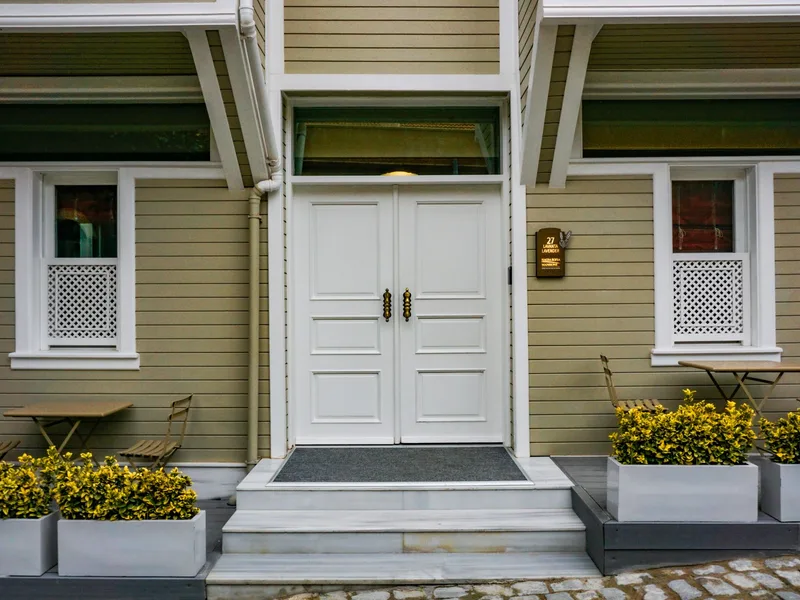
Gaps and openings
Gaps between foundation and ground and gaps around pipes and electrics at the external base are often large in older rural homes and require strong sealing to prevent rodent entry.
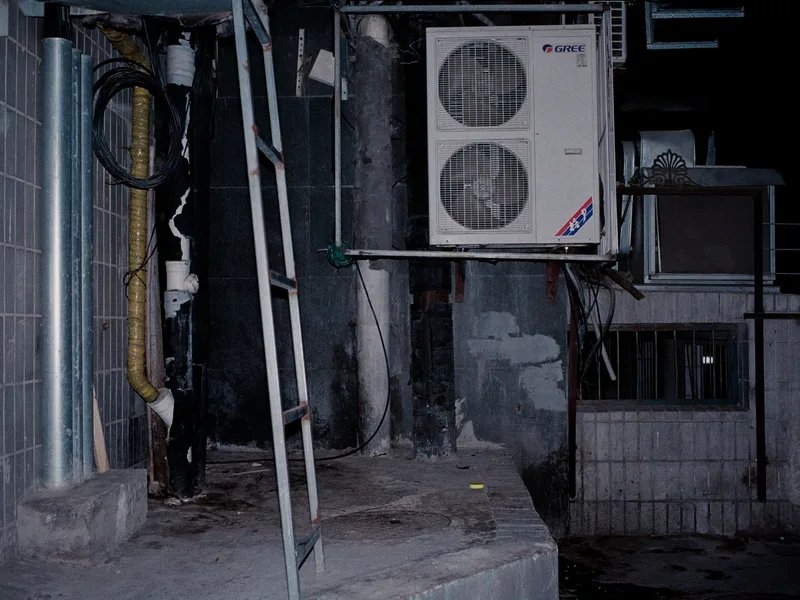
Air conditioning condensate
Air conditioning condensate in Al Safrah must drain away from the foundation, and we ensure no water pools around the base because standing water attracts rodents and insects from the surrounding open ground.
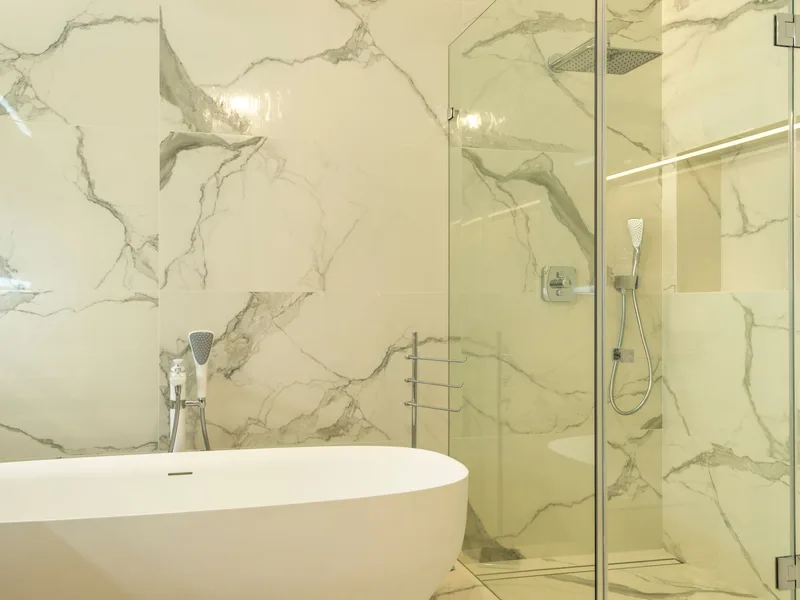
Floor drains
Floor drains in rural homes are sometimes weak or open and require strong mesh screening and regular inspection because they attract rodents seeking entry points.
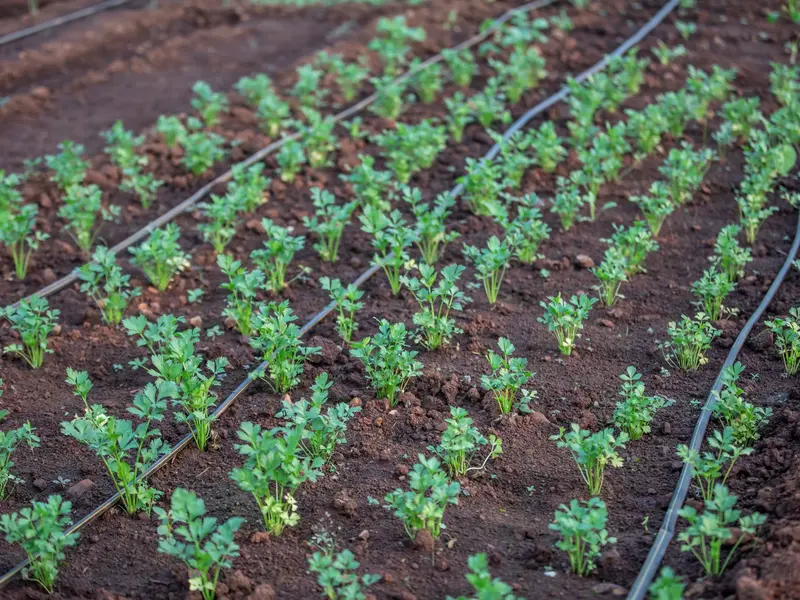
Irrigation against the wall
Irrigation against the external wall in Al Safrah is dangerous because homes are surrounded by open land, so water must be kept at least one metre away from the base of the building to prevent rodent migration routes forming.
The monitoring points
Monitoring points outside the home and around the foundation are essential in Al Safrah because pressure originates from open land, farms and the wadi, and every visit we read them and inspect the external band for damage.
How we work
-
1
The baseline survey
We walk the outside boundary and then the inside: gaps under doors, pipe runs, vents, condensate lines, drains, the bin area and the store, and we fix the monitoring points before anything is applied.
-
2
Close the routes
Mesh on the vents, the gap under the door dealt with, the sleeve around a pipe run closed, and water put back into the drain nobody uses. Exclusion saves a spray that would otherwise repeat forever.
-
3
The band and the placed product
A residual band at the base of the wall outside and around door and window openings, with placed product inside joints and closed voids where it is warranted, and no open spray across living surfaces.
-
4
The scheduled visit: read, renew, record
We read the points to see which side is under pressure, renew the band where sun or irrigation has taken it, aim the visit at what the coming season opens up, and write down what was found and what was used.
What the preventive programme includes
-

A survey, then a check every visit
Entry points, moisture sources and storage, recorded before anything is applied and revisited each time.
-

Monitoring points that get read
At the wall and floor junction, under sinks and in the store, checked on every visit rather than only the last one.
-

A renewed exterior band
At the wall base and around the openings, put back wherever sun or irrigation took it between visits.
-

Drains, water lines and waste
The water seal in the drains, the condensate line and the ground around the bins, which are the standing water and food sources.
-

Between the visits
What to keep dry, what to keep closed, and what is worth a call before the next date. Ventilation we tell you before the visit.
-

A scheduled visit and a record of each
An agreed date, what the points held, what was treated, and what changed since last time.
What is different about Al Aziziyah (Makkah) Sub-Municipality
Al Aziziyah sub municipality runs from the Bin Dawood markets to the Al Hada road and carries pilgrim traffic to Mina. Hotel towers and furnished apartment blocks fill and empty with the Hajj and Ramadan seasons, and the kitchens, restaurants and markets along Al Masjid Al Haram Road and King Abdulaziz Road leave food waste at every peak. Southwards the fabric loosens into villas and planned streets in An Naseem and Al Awali, then Al Abidiyah's campus and the old farms of Al Husayniyah, where Wadi Uranah holds water after rain and farm enclosures shelter rodents and reptiles.
Questions about this district
The farms and open ground around my home, do they attract rodents far more strongly?
Yes, significantly so. Rodents live in grassland and open ground and migrate to homes when seeking food and water. Al Safrah is close to Wadi Uranah and old farms, so the pressure is higher than in dense urban quarters. The programme focuses on sealing gaps around the foundation and the base of the external walls.
Are monitoring points different in open ground homes compared to flats and standard villas?
Yes, they require additional outdoor points positioned directly around the foundation and gaps. In standard flats and villas monitoring is mostly indoors, but here points must read what happens outside the home too because the pressure originates from open land, not from neighbouring units.
Does the preventive programme change with the seasons here in Al Safrah?
Yes, dramatically. After rain Wadi Uranah retains water, so insects and rodents increase. In dry summer the pressure eases slightly but some activity remains. The monitoring points tell us exactly when to increase visit frequency, rather than guessing.
My neighbour leaves his land unmaintained. Does that affect my preventive programme?
Yes, directly. Unmaintained land offers shelter to rodents, reptiles and insects. Your programme needs to be stronger if you are surrounded by open ground. We focus on sealing any gap between your home and the neighbour's land and reinforce external boundaries.
Should the grassland and vegetation around my home be cleared before preventive treatment starts?
Yes, it should be. Grassland shelters insects and rodents. Before the programme begins, ensure the area around the foundation is cleared for at least one metre, with no grass, leaves or debris.
Does the external band at the base need regular maintenance in a rural setting like this?
Yes, it requires strong maintenance. The external band may be exposed to rainwater run-off, soil movement and new growth. Every preventive visit we inspect it and reapply it if necessary, especially after heavy rain.
How much does preventive treatment in Al Safrah cost?
It is set after the inspection, because the price follows the type of infestation, the size of the space, how far it has spread and the number of visits it needs. Send a photo and a description on WhatsApp and we will give you an estimate before we reach Al Safrah.
Nearby districts we cover
Other services in Al Safrah
Other services we provide to residents of Al Safrah.
-
 Residential
Cockroach control
Residential
Cockroach control
-
 Residential
Bed bug control
Residential
Bed bug control
-
 Residential
Termite control
Residential
Termite control
-
 Residential
Rodents and mice
Residential
Rodents and mice
-
 Residential
Mosquito control
Residential
Mosquito control
-
 Residential
Fly control
Residential
Fly control
-
 Residential
Ant control
Residential
Ant control
-
 Residential
Gecko control
Residential
Gecko control
-
 Residential
Scorpion control
Residential
Scorpion control
-
 Residential
Snake control
Residential
Snake control
-
 Residential
Flea control
Residential
Flea control
-
 Residential
Bird and pigeon control
Residential
Bird and pigeon control
-
 Residential
Disinfection
Residential
Disinfection
-
 Commercial
Annual contracts
Commercial
Annual contracts
-
 Commercial
Restaurants and cafes
Commercial
Restaurants and cafes
-
 Commercial
Hotels and apartments
Commercial
Hotels and apartments
-
 Commercial
Warehouses and factories
Commercial
Warehouses and factories
-
 Commercial
Schools and nurseries
Commercial
Schools and nurseries
-
 Commercial
Retail and malls
Commercial
Retail and malls
-
 Commercial
Rest houses and farms
Commercial
Rest houses and farms
-
 Commercial
Fumigation
Commercial
Fumigation
-
 Water tanks
Water tank cleaning
Water tanks
Water tank cleaning
-
 Water tanks
Water tank sterilization
Water tanks
Water tank sterilization
-
 Water tanks
Water tank sealing
Water tanks
Water tank sealing
-
 Water tanks
Tank leak repair
Water tanks
Tank leak repair
Need preventive treatment in Al Safrah? Tell us what you saw and we will tell you what it needs
We reach Al Safrah at a time we agree, and you get the full cost before we start.