

Preventive treatment in Al Shuhada Makkah
Al Shuhada is an old unplanned district in northern Makkah at the Thaniyat Al Bayda pass, with informal housing sprawling over rocky ground between hills and wadis. Streets are extremely narrow, buildings stand elbow to elbow, and popular markets and industrial workshops on Hajj Street leave a continuous stream of waste and food attracting rodents and insects.
-
Targeted, not broadcast
Product goes into cracks and runways, never sprayed across open surfaces.
-
Told before we start
What we will use, where it goes, and what to cover or move before we arrive.
-
A follow-up visit
We return after the first treatment, because what survives it does not show on the day.
-
Homes and businesses
Apartments and villas, and kitchens and stores that need a record of each visit.
Why they keep coming back in Al Shuhada
Old tight-packed buildings and worn underground networks allow insects and rodents to move between residential units almost unimpeded, spreading along established routes. The method is set out in full on the full Preventive treatment page.
Old unplanned housing packed extremely tight
Al Shuhada is built informally on fractured rocky ground and the houses stand so close that windows and doors of one unit sit almost directly against another. Gaps between buildings are very narrow and tight, becoming natural highways where rodents and snakes move horizontally across the district.
Popular markets and workshops leave daily waste
Souq Al Utaybiyah and Souq Al Halaqa adjoining the district leave food scraps every day. Industrial workshops on Hajj Street pile materials and dump waste. These constant sources of food and shelter make the district a natural magnet for rodents and insects hunting through the streets.
Seasonal wadis carry storm water, rodents and snakes
Wadi Al Zahir and Wadi Al Tanim cut through the district and carry storm surge after rain. Floodwater brings aquatic animals, rodents and reptiles into the buildings. After the water recedes, these creatures shelter in foundations and drains.
Landmarks of Al Shuhada
Al Shuhada sits on the busy Hajj Street where industrial workshops and popular markets line the road, and work reaches it via Madinah Road. Al Shuhada Square in the heart of the district marks the residential locations for preventive visits.
- Hajj Street
- Madinah Road
- Al Shuhada Square
- Thaniyat Al Bayda
- Jabal Al Shahid
- Asad ibn Zurarah Mosque
What a preventive visit reads
Informal buildings packed closely on fissured rocky ground, ringed by mountains and wadis carrying storm water, with crowded popular markets and workshops lining Hajj Street.
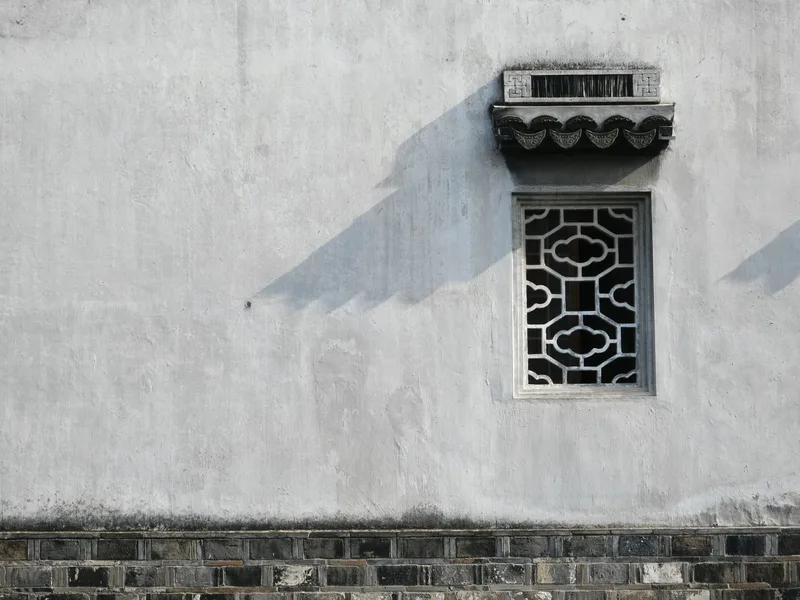
The base of the outside wall
The outside wall base in the old district may be cracked or damaged, so we focus on treating cracks and foundation gaps precisely.
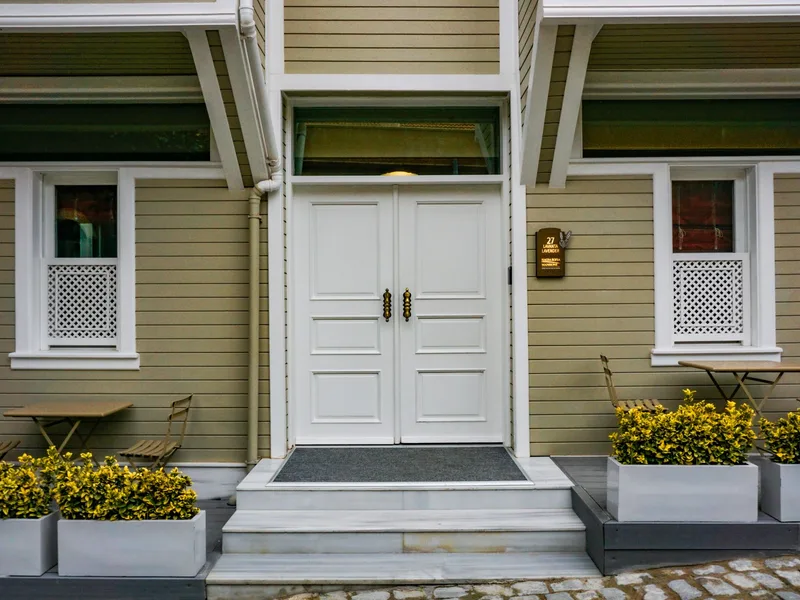
Gaps and openings
Gaps around pipes and cables in old walls are often wide and numerous, so we treat each one separately.
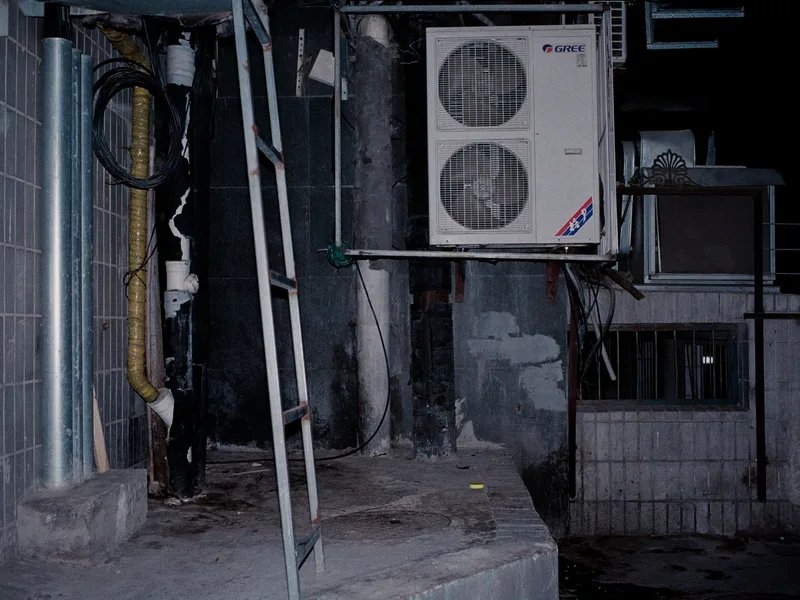
Air conditioning condensate
Air conditioning drainage from flats in the old district may shed onto a crowded tight street, attracting more insects and rodents.
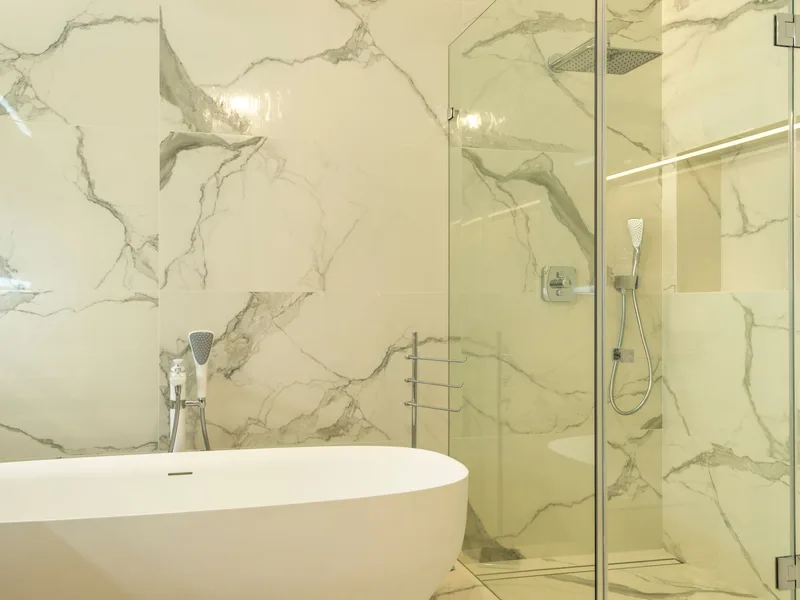
Floor drains
Floor drains in tight closed lanes may be constant sources of moisture and shelter for crawling insects.
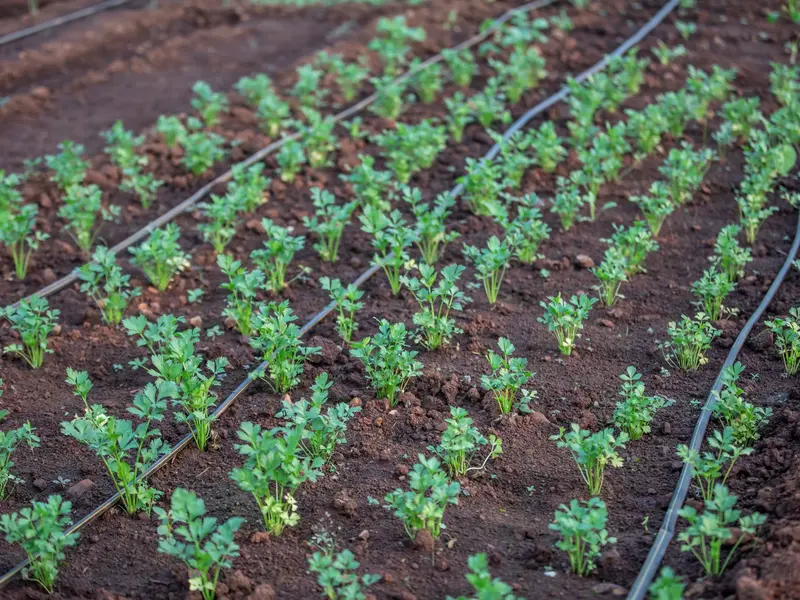
Irrigation against the wall
Irrigation in small spaces around old buildings raises moisture immediately and attracts insects.
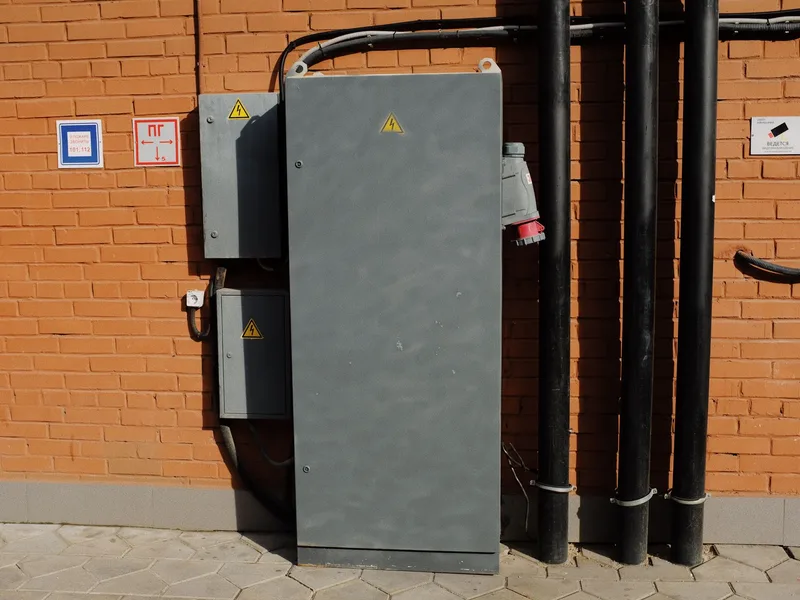
The monitoring points
Monitoring points in the old district read insect and rodent activity coming from surrounding markets, wadis and workshops.
How we work
-
1
The baseline survey
We walk the outside boundary and then the inside: gaps under doors, pipe runs, vents, condensate lines, drains, the bin area and the store, and we fix the monitoring points before anything is applied.
-
2
Close the routes
Mesh on the vents, the gap under the door dealt with, the sleeve around a pipe run closed, and water put back into the drain nobody uses. Exclusion saves a spray that would otherwise repeat forever.
-
3
The band and the placed product
A residual band at the base of the wall outside and around door and window openings, with placed product inside joints and closed voids where it is warranted, and no open spray across living surfaces.
-
4
The scheduled visit: read, renew, record
We read the points to see which side is under pressure, renew the band where sun or irrigation has taken it, aim the visit at what the coming season opens up, and write down what was found and what was used.
What the preventive programme includes
-

A survey, then a check every visit
Entry points, moisture sources and storage, recorded before anything is applied and revisited each time.
-

Monitoring points that get read
At the wall and floor junction, under sinks and in the store, checked on every visit rather than only the last one.
-

A renewed exterior band
At the wall base and around the openings, put back wherever sun or irrigation took it between visits.
-

Drains, water lines and waste
The water seal in the drains, the condensate line and the ground around the bins, which are the standing water and food sources.
-

Between the visits
What to keep dry, what to keep closed, and what is worth a call before the next date. Ventilation we tell you before the visit.
-

A scheduled visit and a record of each
An agreed date, what the points held, what was treated, and what changed since last time.
What is different about Al Utaybiyah Sub-Municipality
Al Utaybiyah sub municipality covers the old districts north of the Grand Mosque: the hillside quarters of Al Hajun, Al Utaybiyah and Al Bayban, Al Zahir and Al Shuhada at the northern entrance, and the newer Al Zahra, Al Diyafah and An Nuzhah westward. Its building stock is among the oldest in Makkah, stone houses on the hills, packed apartment blocks and sewers decades old, threaded with crowded markets like the Utaybiyah souq and furnished flats that fill in the pilgrim seasons. Wadi Al Zahir and Wadi Al Tanim carry storm water through it, and industrial workshops line Hajj Street.
Questions about this district
The district is very old with old water and drainage. Does this make insect entry easier?
Yes, old pipes and worn networks have many gaps for insects and rodents. We focus on treating the entry and gaps around pipes in the old walls.
Markets next door dump rubbish daily. Can the programme handle this pressure?
Markets and shops provide continuous food sources for rodents and insects. The preventive programme protects the flat, but market pressure may require extra visits when activity picks up.
Workshops on Hajj Street run all day. Do they affect the preventive programme?
Workshops provide shelter and food for rodents and insects. Constant activity on Hajj Street means continuous pressure on the district, so monitoring points become very important.
Wadis flood when it rains. Does that bring extra insects and rodents?
Yes, wadis carry rodents, aquatic reptiles and insects. After rain, monitoring points tell us about rising activity around the foundations.
The district is ancient with old cemeteries. Are there special insect sources there?
Old cemeteries provide shelter for various animals, but the programme focus is on protecting the flat from the direct pressure of markets, workshops and wadis.
Streets in the district are very tight. Does that make preventive visits difficult?
Tight streets actually make precise access to each entry easier. We focus on entries and openings, and all of these are accessible even in tight lanes.
How much does preventive treatment in Al Shuhada cost?
It is set after the inspection, because the price follows the type of infestation, the size of the space, how far it has spread and the number of visits it needs. Send a photo and a description on WhatsApp and we will give you an estimate before we reach Al Shuhada.
Nearby districts we cover
Other services in Al Shuhada
Other services we provide to residents of Al Shuhada.
-
 Residential
Cockroach control
Residential
Cockroach control
-
 Residential
Bed bug control
Residential
Bed bug control
-
 Residential
Termite control
Residential
Termite control
-
 Residential
Rodents and mice
Residential
Rodents and mice
-
 Residential
Mosquito control
Residential
Mosquito control
-
 Residential
Fly control
Residential
Fly control
-
 Residential
Ant control
Residential
Ant control
-
 Residential
Gecko control
Residential
Gecko control
-
 Residential
Scorpion control
Residential
Scorpion control
-
 Residential
Snake control
Residential
Snake control
-
 Residential
Flea control
Residential
Flea control
-
 Residential
Bird and pigeon control
Residential
Bird and pigeon control
-
 Residential
Disinfection
Residential
Disinfection
-
 Commercial
Annual contracts
Commercial
Annual contracts
-
 Commercial
Restaurants and cafes
Commercial
Restaurants and cafes
-
 Commercial
Hotels and apartments
Commercial
Hotels and apartments
-
 Commercial
Warehouses and factories
Commercial
Warehouses and factories
-
 Commercial
Schools and nurseries
Commercial
Schools and nurseries
-
 Commercial
Retail and malls
Commercial
Retail and malls
-
 Commercial
Rest houses and farms
Commercial
Rest houses and farms
-
 Commercial
Fumigation
Commercial
Fumigation
-
 Water tanks
Water tank cleaning
Water tanks
Water tank cleaning
-
 Water tanks
Water tank sterilization
Water tanks
Water tank sterilization
-
 Water tanks
Water tank sealing
Water tanks
Water tank sealing
-
 Water tanks
Tank leak repair
Water tanks
Tank leak repair
Need preventive treatment in Al Shuhada? Tell us what you saw and we will tell you what it needs
We reach Al Shuhada at a time we agree, and you get the full cost before we start.