
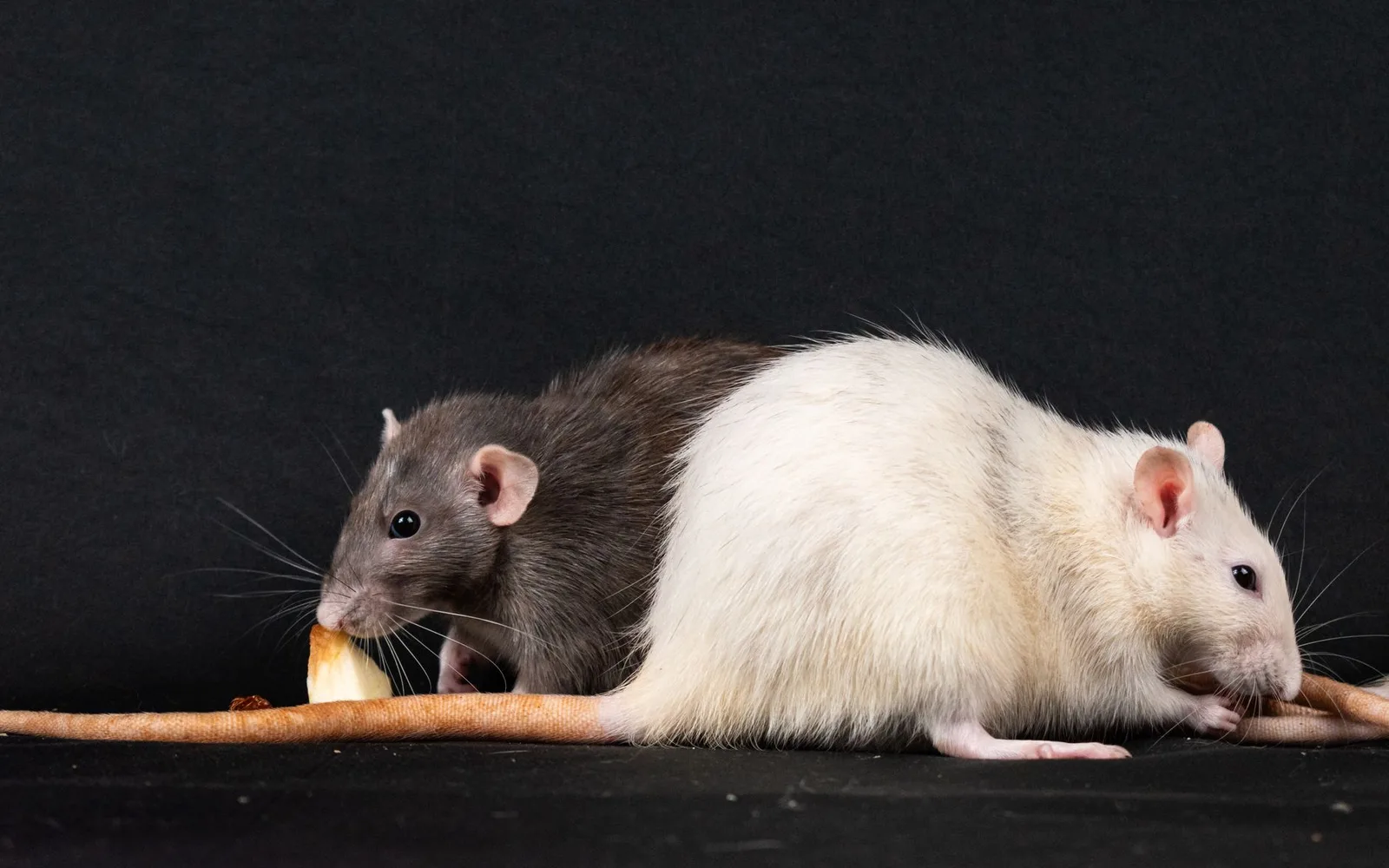
Rodents and mice in Al Tandabawi Makkah
Al Tandabawi is an old Makkan suburb within the Ajyad municipality, a cluster of tight historic lanes harbouring tightly packed stone houses, interspersed with newer buildings, small hotels and cafes. Built on steep hillsides between Al Shubaikah and Al Hindawiyah, its narrows streets, crumbling masonry and deteriorating underground services mean rodents move easily below ground through multiple entry routes that are nearly impossible to control fully.
-
Targeted, not broadcast
Product goes into cracks and runways, never sprayed across open surfaces.
-
Told before we start
What we will use, where it goes, and what to cover or move before we arrive.
-
A follow-up visit
We return after the first treatment, because what survives it does not show on the day.
-
Homes and businesses
Apartments and villas, and kitchens and stores that need a record of each visit.
Why they keep coming back in Al Tandabawi
During heavy rains and flash flooding the underground cavities fill and rodents are forced upward into buildings seeking dry shelter, causing sharp spikes in breaches and infestations that subside only after the water recedes. The method is set out in full on Rodents and mice in detail.
Hillside lanes create perfect rodent highways
The extremely narrow lanes between ancient quarters provide safe corridors for rodents far from light and foot traffic, with buildings pressed so tightly together that horizontal gaps run continuously beneath them. The steep terrain creates subsurface voids below street level that rodents prefer for travel and shelter.
Crumbling structures and old drainage are open roads
Buildings in Al Tandabawi have large cracks in foundations and walls and the underground drains are rotten and partially collapsed, with openings around old pipes never sealed properly, so rodents travel freely through the drainage network as if on purpose built highways.
Hotels and cafes supply constant food
Budget hotels and cafes in the quarter generate food waste and kitchen scraps throughout day and night, particularly during Hajj and Umrah seasons, attracting and sustaining rodent populations close to the residential buildings they nest in.
The character of Al Tandabawi
Historic district: close-set buildings, narrow lanes and ageing services
Historic here means foundations are crumbling and lanes too narrow to perform permanent repairs, and rodents have established multiple underground routes through deteriorated drainage that preclude complete exclusion from a single location.
What we read in the building before any bait goes down
The Ajyad sub municipality covers hillside terrain with ancient and ageing drainage networks that are inadequately documented, with groundwater and old brick sewers creating complex subsurface passages that rodents exploit with ease.
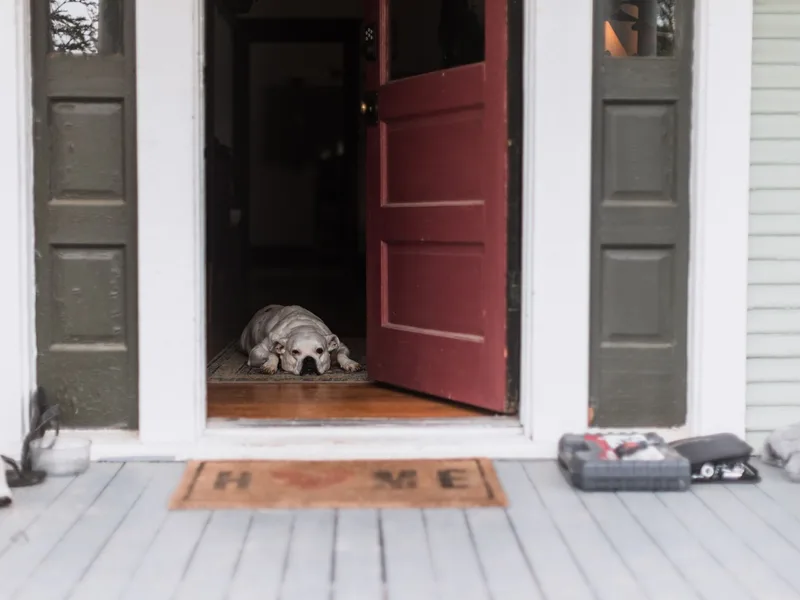
The gap under the door
The gap under the door on steep hillsides can be deep because ground levels vary and voids beneath the surface need cement infill before the gap can be sealed against rodent entry at all.
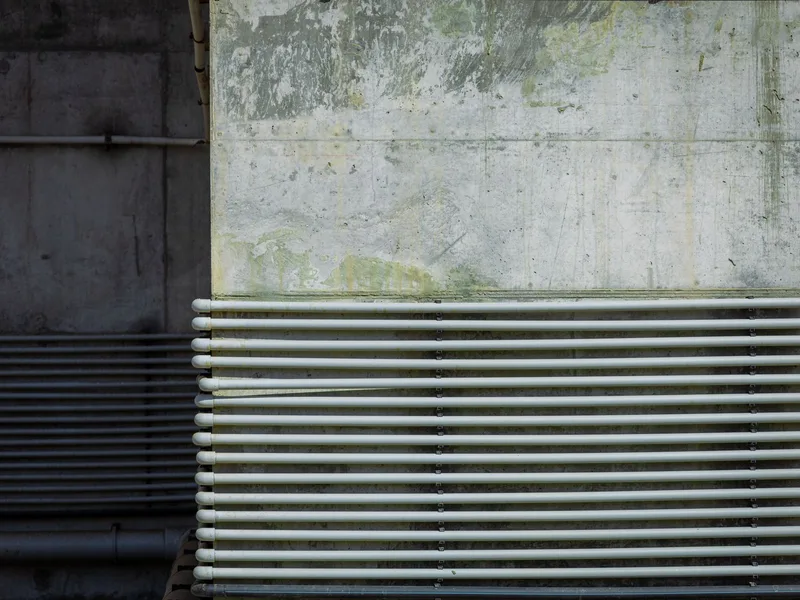
Pipe and conduit openings
Drains run beneath the narrow streets along ancient poorly documented routes, with large openings around old pipes and groundwater filling the system, so the old sewerage network becomes a protected transit route for rodents.
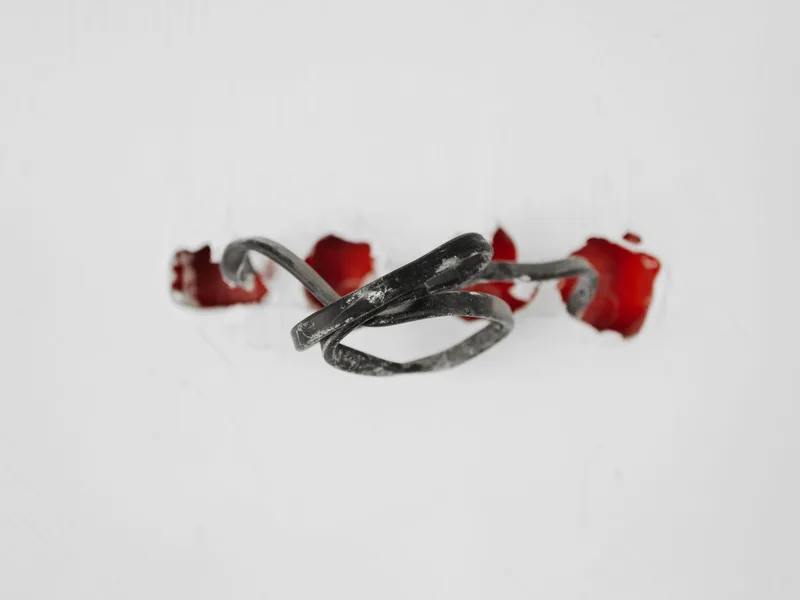
Gnaw marks
Gnaw marks on ancient clay and stone walls appear as wide deep pits rather than sharp edges, and they are particularly visible on the interior walls of cafes and hotels where moisture and age have softened the masonry.
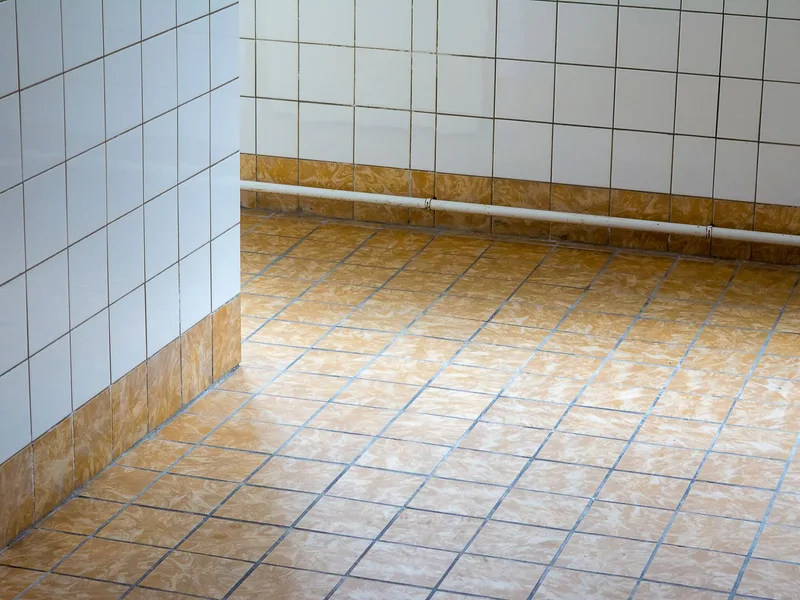
The run along the wall
The run along walls follows both floor and base in the narrow lanes, leaving greasy streaks on damp walls and dirty floors that mark the safe routes rodents use when moving between buildings.
The route from above
Entry from above comes through openings in old wooden ceilings and the gaps in aged concrete flat roofs, and the large voids between storeys provide nesting sites where rodents establish populations safely.
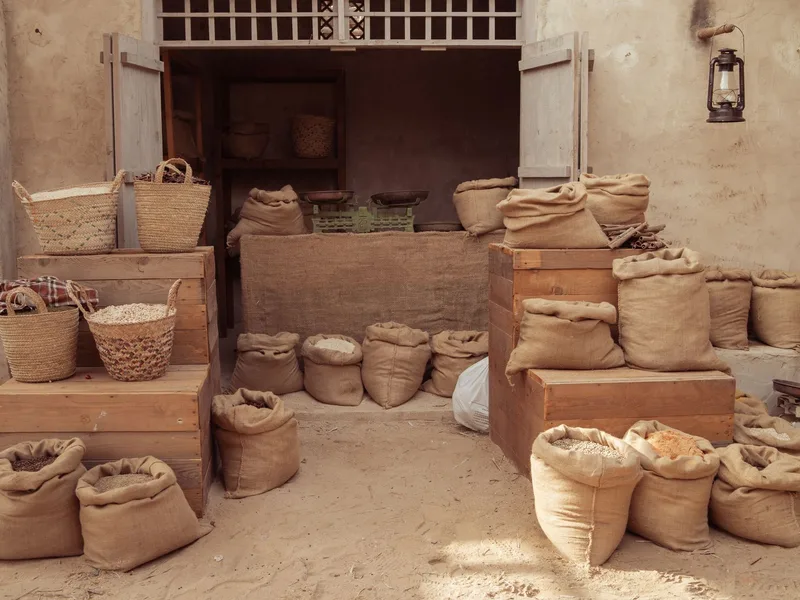
The water and the food on offer
Water pools from old drainage and underground seepage, and food is abundant from cafe and hotel waste and shop refuse, making the old quarter a year round ideal habitat for rodent survival and breeding.
How we work
-
1
Inspect and trace the runs
We work the perimeter, the kitchen, the store and the false ceiling, establish the species, the entry points and the water source, and mark the station positions before anything is carried in.
-
2
Close the openings
Metal mesh, mortar and base strips at the gaps, around pipe sleeves and at vents, because foam and silicone are gnawed through within days.
-
3
Secured bait and traps
Closed stations fixed on the runs outside the building, and traps rather than loose bait indoors, so that anything that dies stays somewhere we can reach.
-
4
The follow-up visit
We read the take at each station, replenish what has gone, remove anything found, and close any opening that showed itself once the movement settled.
What rodent control includes
-

Inspection and a station map
Entry points, runs and station positions recorded, so the same points are checked on every visit.
-

Sealing pipes and drains
Floor traps, pipe sleeves, vents and the air conditioning drain line, the routes that arrive from outside the unit.
-

Secured bait stations
Closed and fixed on the outside runs, out of reach of children and animals, while indoors we work with traps.
-

Treating the nest site
A rodent leaves parasites and nesting material behind, so the nest is removed and the void it sat in is treated.
-

Aftercare instructions
Stock lifted off the floor, droppings cleaned damp with disinfectant instead of swept dry, and pet bowls emptied at night.
-

A scheduled follow-up
A set date after the first visit: read the take, replenish the bait, remove anything found and close what is still open.
What is different about Ajyad Sub-Municipality
Ajyad sub municipality takes in the districts that press against the Grand Mosque from the south and west: Ajyad, Al Hajlah, Al Shubaikah, Al Tandabawi and Al Mansour. Hotels and rented apartment blocks for Umrah visitors stack up along Ajyad Street and Ibrahim Al Khalil Street, with kitchens and restaurants running aday and night in season. Behind them, Al Shubaikah and Al Tandabawi keep narrow old lanes on hillside ground where buildings and drains are ageing, and demolition and construction sites are a constant presence around Jabal Omar and the central zone.
Questions about this district
Why do the narrow lanes of Al Tandabawi support such large rodent populations?
The extremely narrow lanes provide perfect sheltered corridors where rodents move safely away from people and predators, and the tightly packed buildings create narrow horizontal voids beneath them that rodents prefer for travel and nesting.
Are the subsurface voids beneath hillside streets particularly problematic?
Yes. Streets built on unstable hillside ground leave large voids beneath them because fill is minimal, groundwater seeps through them constantly, and rodents use these cavities as protected highways to move beneath the entire neighbourhood without emerging above ground.
Do rodents travel through the old drainage system?
Yes. The ancient drains are waterlogged and partially destroyed, with wide cracks and unsealed openings, and rodents travel through the old sewer network underground alongside the water flow, emerging where and when they choose.
Are the small hotels and cafes the main rodent source?
Hotels and cafes supply food waste that sustains populations, but they are not the only driver. The narrow lanes, crumbling buildings and deteriorated drains provide the actual safe routes that allow rodents to settle and move freely.
Must treatment in Al Tandabawi coordinate with neighbouring cafes?
Yes. If you live next to a cafe or hotel, treatment must address the shared passages between your building and theirs, because rodents will simply return from the adjacent open business unless its entry points are sealed too.
Is a single treatment sufficient in such a complex old quarter?
No. Al Tandabawi is too complicated for a single visit. Treatment requires staged exclusion work to seal the cracks first, then bait stations placed carefully, followed by monthly monitoring for at least two or three months before activity slows significantly.
How much does rodents and mice in Al Tandabawi cost?
It is set after the inspection, because the price follows the type of infestation, the size of the space, how far it has spread and the number of visits it needs. Send a photo and a description on WhatsApp and we will give you an estimate before we reach Al Tandabawi.
Nearby districts we cover
Other services in Al Tandabawi
Other services we provide to residents of Al Tandabawi.
-
 Residential
Cockroach control
Residential
Cockroach control
-
 Residential
Bed bug control
Residential
Bed bug control
-
 Residential
Termite control
Residential
Termite control
-
 Residential
Mosquito control
Residential
Mosquito control
-
 Residential
Fly control
Residential
Fly control
-
 Residential
Ant control
Residential
Ant control
-
 Residential
Gecko control
Residential
Gecko control
-
 Residential
Scorpion control
Residential
Scorpion control
-
 Residential
Snake control
Residential
Snake control
-
 Residential
Flea control
Residential
Flea control
-
 Residential
Bird and pigeon control
Residential
Bird and pigeon control
-
 Residential
Preventive treatment
Residential
Preventive treatment
-
 Residential
Disinfection
Residential
Disinfection
-
 Commercial
Annual contracts
Commercial
Annual contracts
-
 Commercial
Restaurants and cafes
Commercial
Restaurants and cafes
-
 Commercial
Hotels and apartments
Commercial
Hotels and apartments
-
 Commercial
Warehouses and factories
Commercial
Warehouses and factories
-
 Commercial
Schools and nurseries
Commercial
Schools and nurseries
-
 Commercial
Retail and malls
Commercial
Retail and malls
-
 Commercial
Rest houses and farms
Commercial
Rest houses and farms
-
 Commercial
Fumigation
Commercial
Fumigation
-
 Water tanks
Water tank cleaning
Water tanks
Water tank cleaning
-
 Water tanks
Water tank sterilization
Water tanks
Water tank sterilization
-
 Water tanks
Water tank sealing
Water tanks
Water tank sealing
-
 Water tanks
Tank leak repair
Water tanks
Tank leak repair
Need rodents and mice in Al Tandabawi? Tell us what you saw and we will tell you what it needs
We reach Al Tandabawi at a time we agree, and you get the full cost before we start.