
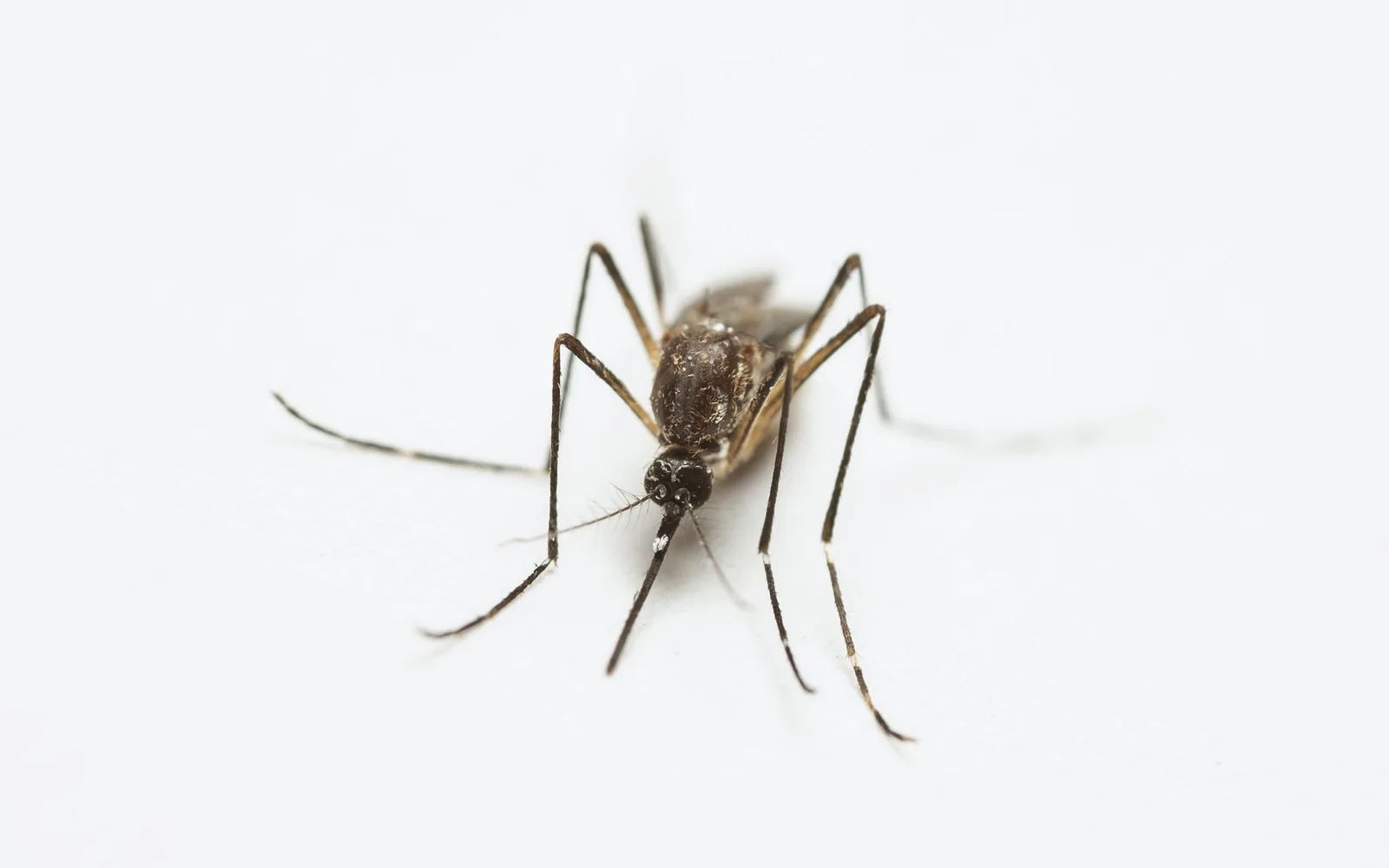
Mosquito control in Al Tandabawi Makkah
Al Tandabawi is an old suburb west and south of the Grand Mosque, with tightly packed lanes and very narrow streets keeping a medieval street pattern. Humidity is high and drainage is old and tangled, and thousands of Umrah visitors pass through seasonally. Treatment here is different: seasonal crowding and old buildings create multiple water sources in a confined space where our strategy must shift with the visitors.
-
Targeted, not broadcast
Product goes into cracks and runways, never sprayed across open surfaces.
-
Told before we start
What we will use, where it goes, and what to cover or move before we arrive.
-
A follow-up visit
We return after the first treatment, because what survives it does not show on the day.
-
Homes and businesses
Apartments and villas, and kitchens and stores that need a record of each visit.
Why they keep coming back in Al Tandabawi
The district experiences intense seasonal crowding; water from thousands of visitors using facilities and eating at restaurants pools in tight lanes, and old drainage cannot handle the volume. The method is set out in full on the full Mosquito control page.
Small hotels and water from intensive use
Small hotels in Al Tandabawi operate only in Umrah season; water from thousands of visitors using toilets and showers accumulates heavily. Old drainage leaks water into lanes and humidity persists for weeks after season ends.
Very tight lanes and persistent damp
Lanes are so narrow that sunlight enters only briefly; water from drainage and occasional floods pools at lane bottoms. This persistent moisture provides ideal mosquito habitat throughout the year even in dry seasons.
Flash floods, hillside water and excavation sites
The district sits on a hillside and floods when rain falls. Around Jabal Omar and the central zone, excavation, demolition and constant construction mean water pools in building pits and low ground.
The character of Al Tandabawi
Historic district: close-set buildings, narrow lanes and ageing services
Old quarters against the Grand Mosque like Al Tandabawi have unique conditions: intense seasonal shifts that radically change occupancy, old drainage unable to handle crowds, and tight lanes that hold moisture. Our treatment accounts for seasonal surges and focuses on shared drainage and lanes that are the mosquito highways.
Standing water and shade decide the method
An old suburb a short walk from the Grand Mosque between Al Shubaikah and shopping streets, with tightly packed lanes such as Al Makwar and Harat Al Yaman and Al Mansour Street on its western edge. The street pattern is ancient and now threaded with new buildings, cafes and small hotels serving Umrah visitors.
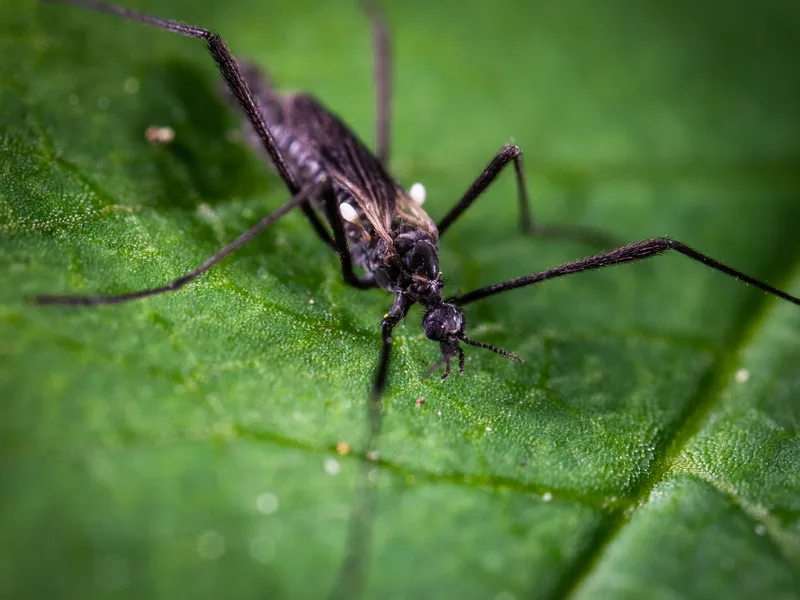
The daytime biter
The daytime-active mosquito in Al Tandabawi shelters in tight lanes, gaps under stairs and small openings in old buildings.
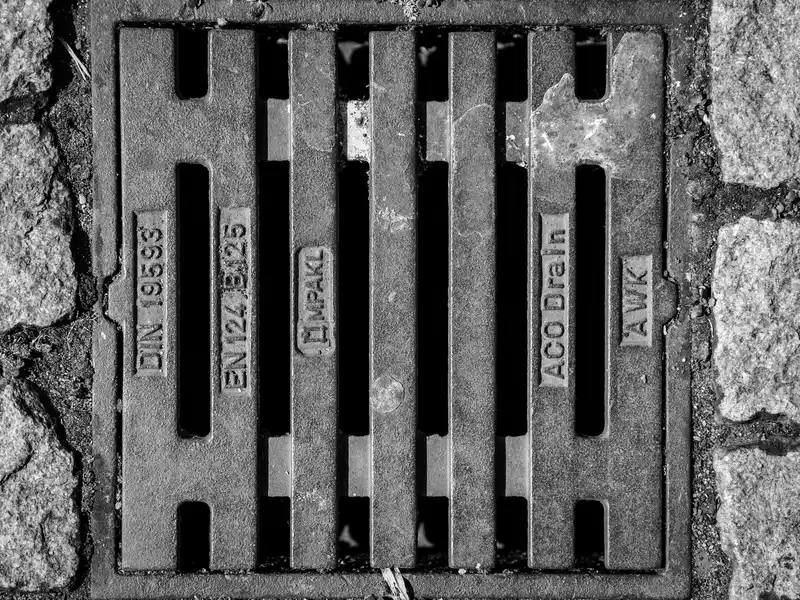
The one that comes out after sunset
After sunset mosquitoes emerge from lanes and drainage and climb toward hotels and flats; seasonal peaks mean large surges at specific times.
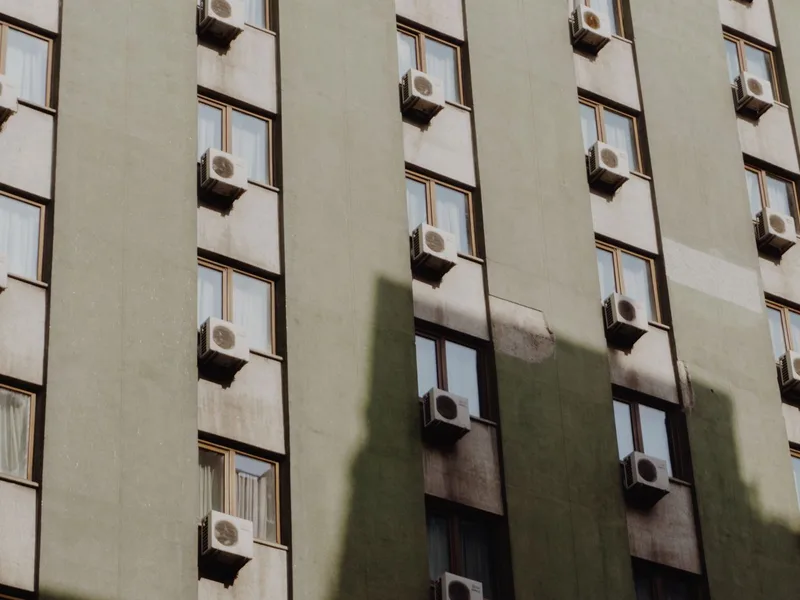
Air-conditioning condensate
Water sources are many: main drainage, hotels, restaurants and shared toilets; each is a potential separate breeding ground.
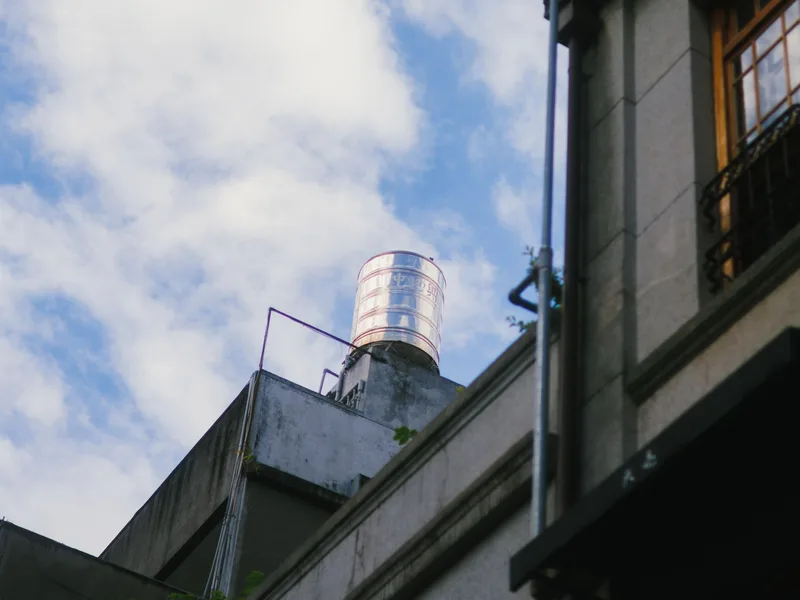
The tank and its openings
Rooftop tanks are old and poorly sealed, water inside may be foul and sit undisturbed for a whole season, making permanent mosquito habitat.
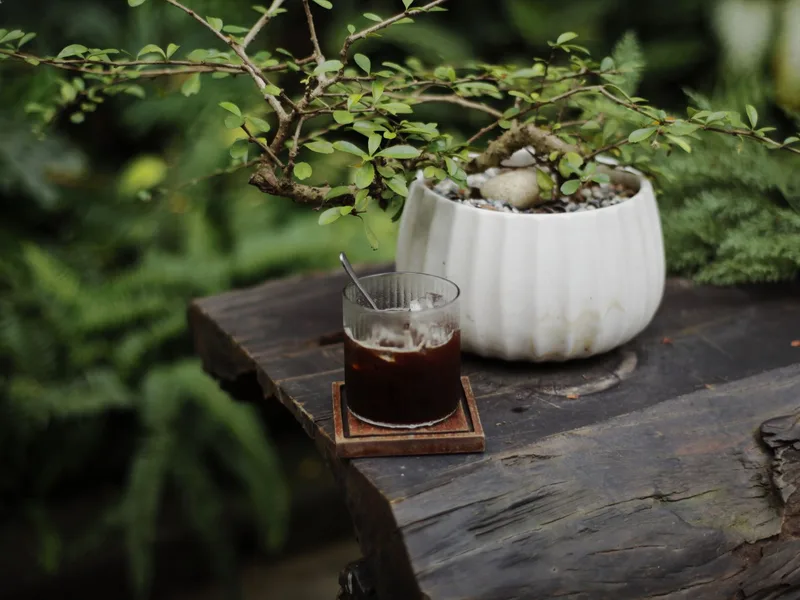
Garden containers and irrigation
Private gardens are very rare but any small gap in a lane or beside a home may collect water, and floods may leave pools in unexpected places.
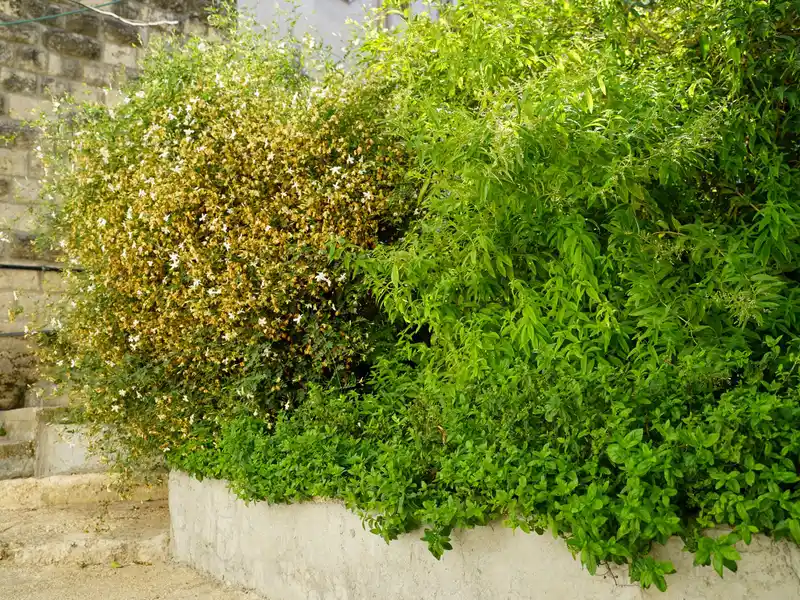
The shade it rests in
Permanent shade from closely set buildings and tight lanes preserves dampness through the day; mosquitoes find comfortable shelter effortlessly here.
How we work
-
1
Inspect and map the water
We walk the perimeter, the roof, the garden, the meter chambers and the condensate runs, record everything that holds water, and read the species from the breeding site and the time of biting.
-
2
Remove the water that can go
Empty, invert, cover: saucers, containers, old tyres and roof gullies. Every point that disappears is a treatment that never needs repeating.
-
3
Larval treatment, then the resting surfaces
Water that cannot be drained is treated so the larva never completes, then a residual goes under planting, beneath outdoor furniture and along low shaded walls.
-
4
The follow-up visit
We come back once the generation that was in the water on the first visit has completed, review every point we recorded and re-treat where needed.
What mosquito control includes
-

A recorded water survey
Roof, perimeter, garden, meter chambers and condensate lines, written down before anything is applied.
-

Draining and covering the sources
Emptying what can be emptied, draining what can be drained, and covering what has to stay full.
-

Larval treatment for the water that stays
For ground tanks, inspection chambers, water features and any permanent water that has to remain.
-

A residual on the resting places
Under trees and shrubs, beneath outdoor furniture and on shaded walls, where the adult sits out the day.
-

Aftercare instructions
What stays inverted, what gets covered, which openings need mesh, and when watering goes back to normal.
-

A scheduled follow-up
A set date after the first treatment, with every recorded water point reviewed and re-treated if the water came back.
What is different about Ajyad Sub-Municipality
Ajyad sub municipality takes in the districts that press against the Grand Mosque from the south and west: Ajyad, Al Hajlah, Al Shubaikah, Al Tandabawi and Al Mansour. Hotels and rented apartment blocks for Umrah visitors stack up along Ajyad Street and Ibrahim Al Khalil Street, with kitchens and restaurants running aday and night in season. Behind them, Al Shubaikah and Al Tandabawi keep narrow old lanes on hillside ground where buildings and drains are ageing, and demolition and construction sites are a constant presence around Jabal Omar and the central zone.
Questions about this district
Do mosquitoes surge dramatically during Umrah season?
Yes, water from thousands of visitors increases the problem greatly. We start treatment a week before season and increase visits to weekly during peak periods.
Do mosquitoes decrease after Umrah season ends?
They may drop slightly but tight lanes and persistent dampness keep enough breeding. The problem never goes away, only eases.
Can small hotels and restaurants reduce water use?
Hotels and restaurants cannot reduce water use for business reasons. We focus on treating drainage and the pools of water it creates.
Are flash floods and water from the hills a major mosquito source in Al Tandabawi?
Floods carry mosquitoes from higher areas, but tight lanes and flat bottoms make water linger for days. Treatment immediately after floods is crucial.
How do I treat my home in a district this dense and seasonally busy?
We focus on treating the lane and spaces around your home first, then your interior. We place chemical barriers on windows and openings to prevent entry.
Do modern buildings in the old quarter have better drainage?
New buildings have better systems but connect to the old network; water pools in low areas just as it does in the old quarter.
How much does mosquito control in Al Tandabawi cost?
It is set after the inspection, because the price follows the type of infestation, the size of the space, how far it has spread and the number of visits it needs. Send a photo and a description on WhatsApp and we will give you an estimate before we reach Al Tandabawi.
Nearby districts we cover
Other services in Al Tandabawi
Other services we provide to residents of Al Tandabawi.
-
 Residential
Cockroach control
Residential
Cockroach control
-
 Residential
Bed bug control
Residential
Bed bug control
-
 Residential
Termite control
Residential
Termite control
-
 Residential
Rodents and mice
Residential
Rodents and mice
-
 Residential
Fly control
Residential
Fly control
-
 Residential
Ant control
Residential
Ant control
-
 Residential
Gecko control
Residential
Gecko control
-
 Residential
Scorpion control
Residential
Scorpion control
-
 Residential
Snake control
Residential
Snake control
-
 Residential
Flea control
Residential
Flea control
-
 Residential
Bird and pigeon control
Residential
Bird and pigeon control
-
 Residential
Preventive treatment
Residential
Preventive treatment
-
 Residential
Disinfection
Residential
Disinfection
-
 Commercial
Annual contracts
Commercial
Annual contracts
-
 Commercial
Restaurants and cafes
Commercial
Restaurants and cafes
-
 Commercial
Hotels and apartments
Commercial
Hotels and apartments
-
 Commercial
Warehouses and factories
Commercial
Warehouses and factories
-
 Commercial
Schools and nurseries
Commercial
Schools and nurseries
-
 Commercial
Retail and malls
Commercial
Retail and malls
-
 Commercial
Rest houses and farms
Commercial
Rest houses and farms
-
 Commercial
Fumigation
Commercial
Fumigation
-
 Water tanks
Water tank cleaning
Water tanks
Water tank cleaning
-
 Water tanks
Water tank sterilization
Water tanks
Water tank sterilization
-
 Water tanks
Water tank sealing
Water tanks
Water tank sealing
-
 Water tanks
Tank leak repair
Water tanks
Tank leak repair
Need mosquito control in Al Tandabawi? Tell us what you saw and we will tell you what it needs
We reach Al Tandabawi at a time we agree, and you get the full cost before we start.