
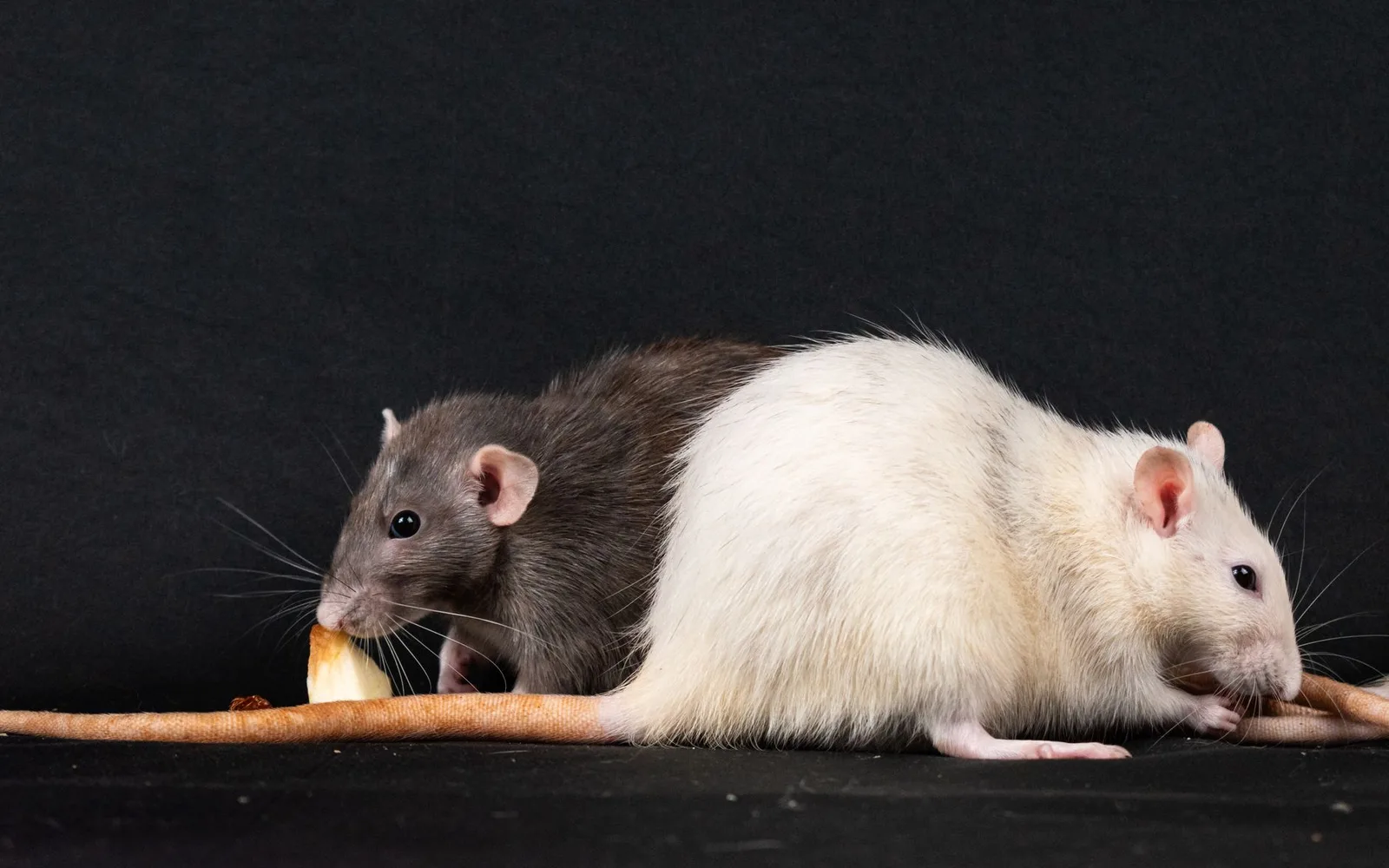
Rodents and mice in Al Utaybiyah Makkah
Al Utaybiyah is an old crowded quarter on the hillsides near Makkah, best known for its popular market on Hajun Street just under three kilometres from the Grand Mosque. Old houses mix with newer apartment blocks, and the market draws pilgrims and Umrah visitors year round, especially during Ramadan and Hajj. Rodent populations thrive here on abundant food and aged infrastructure connecting all the buildings.
-
Targeted, not broadcast
Product goes into cracks and runways, never sprayed across open surfaces.
-
Told before we start
What we will use, where it goes, and what to cover or move before we arrive.
-
A follow-up visit
We return after the first treatment, because what survives it does not show on the day.
-
Homes and businesses
Apartments and villas, and kitchens and stores that need a record of each visit.
Why they keep coming back in Al Utaybiyah
The market bustles with traders and visitors daily, and food waste and scraps accumulate in gaps between shops, under stairways and in back passages where they concentrate and feed populations of rodents. The method is set out in full on our Rodents and mice service.
Aged sewer network with broken pipes and leaks
The old sewer system is extensively cracked and leaking. Seeping water provides constant moisture, and broken pipes create direct entry points for rodents from beneath the ground into foundations and basements. The age and extent of damage means rodents can bypass surface defences entirely.
Open market storage and adjoining shops and storerooms
Market shops store clothing, household goods and supplies on low shelves and open floors. Food waste from shoppers and traders collects in passages and corners. Rodents feed easily and move between shops through gaps in upper floors and shared walls, establishing permanent populations in dark storerooms.
Mixed commercial and residential, tightly packed and crowded
Flats sit directly above ground floor shops, and buildings are very close together. Rodents enter a shop below and move into the flat above through gaps in floors and around pipes. Constant foot traffic in narrow alleys disguises their presence, and the dense population density allows rodents to settle without attracting notice.
The character of Al Utaybiyah
Historic district: close-set buildings, narrow lanes and ageing services
An old crowded district means buildings pressed together, weak sewers and countless voids between shared walls. Rodents move easily between shops and flats and adjoining apartment blocks.
What we read in the building before any bait goes down
A sewer network more than forty years old connects houses, shops and apartment blocks, providing safe underground passages for rodents that operate continuously throughout the year and seasons.
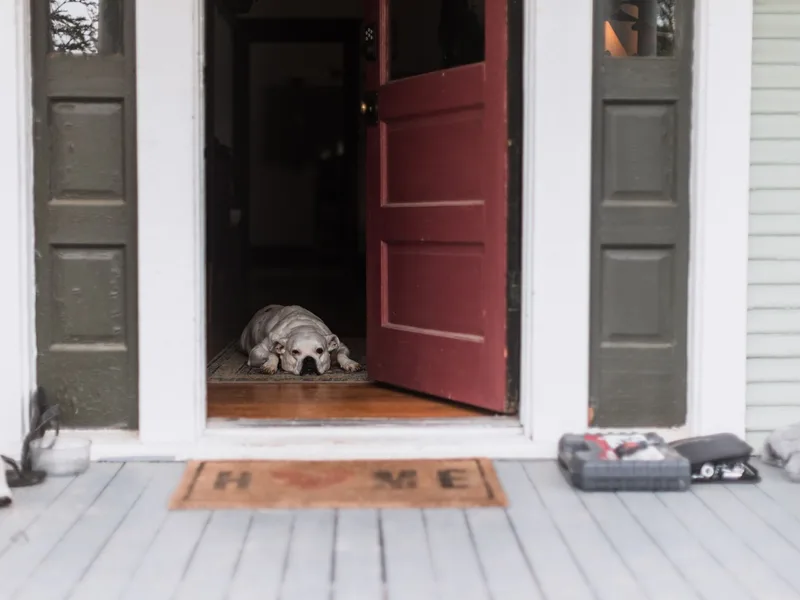
The gap under the door
The gap under a shop or flat door is widened by settlement and heavy use over time, and rodents pass through it without contacting the door itself.
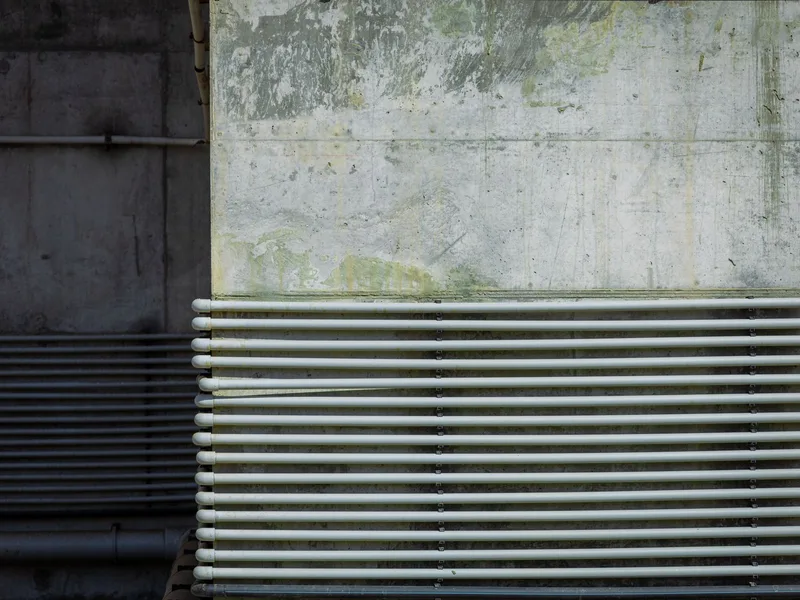
Pipe and conduit openings
Drain and cooling pipes in shared walls between shops and flats leak and have small openings that create direct rodent routes between floor levels.
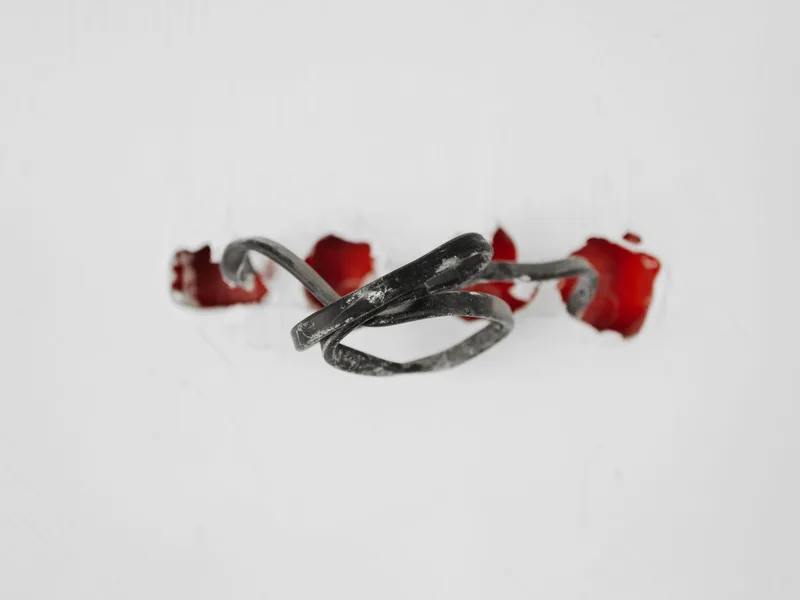
Gnaw marks
Gnaw marks on bags and boxes in storerooms are obvious, visible on wooden partition walls between adjoining shops and in damp corners where moisture and food scraps collect.
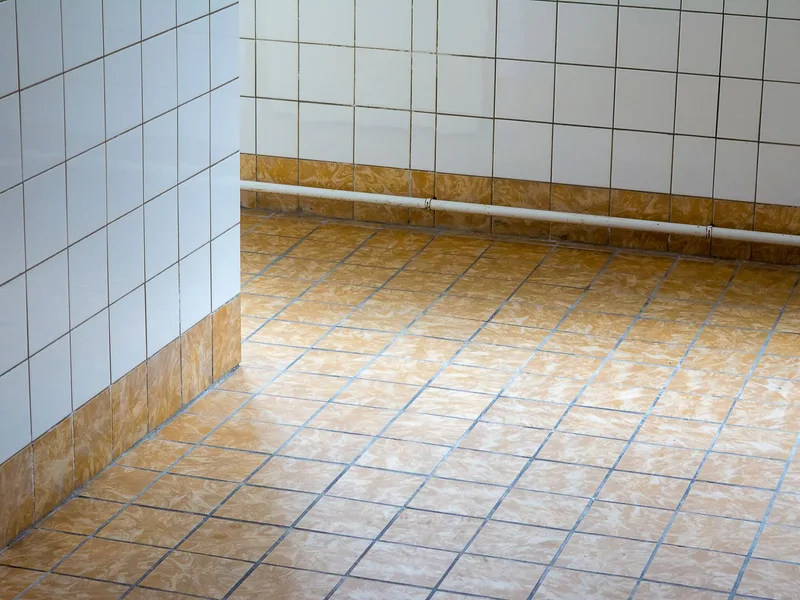
The run along the wall
The run along the wall inside a shop follows the base of the wall and gaps beneath shelving and shared walls between adjacent shops where moisture and food particles accumulate.
The route from above
The route from above through suspended ceilings and gaps between roofs and through shared walls between apartment blocks allows rodents to move freely between flats without entering common corridors.
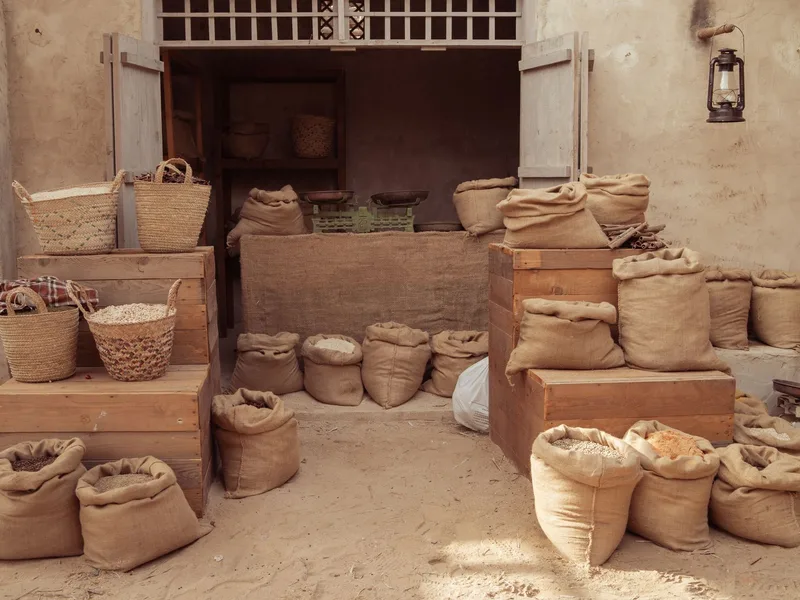
The water and the food on offer
Water from leaking pipes and food from accumulated waste, dropped scraps and open storage bags make the market and apartment blocks a permanent ideal environment for rodent populations year round.
How we work
-
1
Inspect and trace the runs
We work the perimeter, the kitchen, the store and the false ceiling, establish the species, the entry points and the water source, and mark the station positions before anything is carried in.
-
2
Close the openings
Metal mesh, mortar and base strips at the gaps, around pipe sleeves and at vents, because foam and silicone are gnawed through within days.
-
3
Secured bait and traps
Closed stations fixed on the runs outside the building, and traps rather than loose bait indoors, so that anything that dies stays somewhere we can reach.
-
4
The follow-up visit
We read the take at each station, replenish what has gone, remove anything found, and close any opening that showed itself once the movement settled.
What rodent control includes
-

Inspection and a station map
Entry points, runs and station positions recorded, so the same points are checked on every visit.
-

Sealing pipes and drains
Floor traps, pipe sleeves, vents and the air conditioning drain line, the routes that arrive from outside the unit.
-

Secured bait stations
Closed and fixed on the outside runs, out of reach of children and animals, while indoors we work with traps.
-

Treating the nest site
A rodent leaves parasites and nesting material behind, so the nest is removed and the void it sat in is treated.
-

Aftercare instructions
Stock lifted off the floor, droppings cleaned damp with disinfectant instead of swept dry, and pet bowls emptied at night.
-

A scheduled follow-up
A set date after the first visit: read the take, replenish the bait, remove anything found and close what is still open.
Landmarks of Al Utaybiyah
Access to the district runs through Hajun Street where Al Utaybiyah popular market sits, or through Hajj Street on the opposite side. Most shops and apartment blocks require integrated treatment because they connect to the same aged networks that serve both market and residential space together.
- Al Utaybiyah Market
- Hajun Street
- Hajj Street
- Madinah Road
- Revival of Islamic Heritage Library
Questions about this district
Do rodents move up from the old public sewers into houses and apartment blocks?
Yes. Broken pipes and leaks create direct entry from below ground. Rodents tunnel alongside the sewer network and climb into foundations, basements and ground floors of buildings stacked above, establishing permanent populations in places difficult to reach.
Is treating the ground floor shop enough, or must the flat above also be treated?
Shop and flat are physically connected. Treating the shop alone leaves entry points in the flat. Treating the flat alone leaves the shop as a source. The whole building including shared voids and connecting pipes must be assessed as one unit.
When does the market hold the most rodents, and when the fewest?
During Ramadan, Hajj and school holidays when the market is most crowded and waste collects fastest. But rodents occupy the underground passages and old storerooms throughout the year, living on residual food and moisture.
Do large shops and small shops need the same treatment approach?
Large shops have more passages and back spaces needing more stations. Small shops may need one or two stations with cracks sealed. Each shop's layout and connections to adjoining properties differ, requiring individual assessment.
Do rodents hide in suspended ceilings in shops during daytime hours?
Yes. False ceilings in shops provide safe passages above customer sight. Rodents stay there during trading hours and descend at night to feed from floors and stockrooms, leaving little evidence of their presence above.
How do we know treatment has worked in a crowded market district?
Monitor stations and traps for activity, inspect passages and corners for new evidence. In a busy market, monthly follow ups are more reliable than longer intervals, as resident populations are sustained by constant food and foot traffic.
How much does rodents and mice in Al Utaybiyah cost?
It is set after the inspection, because the price follows the type of infestation, the size of the space, how far it has spread and the number of visits it needs. Send a photo and a description on WhatsApp and we will give you an estimate before we reach Al Utaybiyah.
Nearby districts we cover
Other services in Al Utaybiyah
Other services we provide to residents of Al Utaybiyah.
-
 Residential
Cockroach control
Residential
Cockroach control
-
 Residential
Bed bug control
Residential
Bed bug control
-
 Residential
Termite control
Residential
Termite control
-
 Residential
Mosquito control
Residential
Mosquito control
-
 Residential
Fly control
Residential
Fly control
-
 Residential
Ant control
Residential
Ant control
-
 Residential
Gecko control
Residential
Gecko control
-
 Residential
Scorpion control
Residential
Scorpion control
-
 Residential
Snake control
Residential
Snake control
-
 Residential
Flea control
Residential
Flea control
-
 Residential
Bird and pigeon control
Residential
Bird and pigeon control
-
 Residential
Preventive treatment
Residential
Preventive treatment
-
 Residential
Disinfection
Residential
Disinfection
-
 Commercial
Annual contracts
Commercial
Annual contracts
-
 Commercial
Restaurants and cafes
Commercial
Restaurants and cafes
-
 Commercial
Hotels and apartments
Commercial
Hotels and apartments
-
 Commercial
Warehouses and factories
Commercial
Warehouses and factories
-
 Commercial
Schools and nurseries
Commercial
Schools and nurseries
-
 Commercial
Retail and malls
Commercial
Retail and malls
-
 Commercial
Rest houses and farms
Commercial
Rest houses and farms
-
 Commercial
Fumigation
Commercial
Fumigation
-
 Water tanks
Water tank cleaning
Water tanks
Water tank cleaning
-
 Water tanks
Water tank sterilization
Water tanks
Water tank sterilization
-
 Water tanks
Water tank sealing
Water tanks
Water tank sealing
-
 Water tanks
Tank leak repair
Water tanks
Tank leak repair
Need rodents and mice in Al Utaybiyah? Tell us what you saw and we will tell you what it needs
We reach Al Utaybiyah at a time we agree, and you get the full cost before we start.