
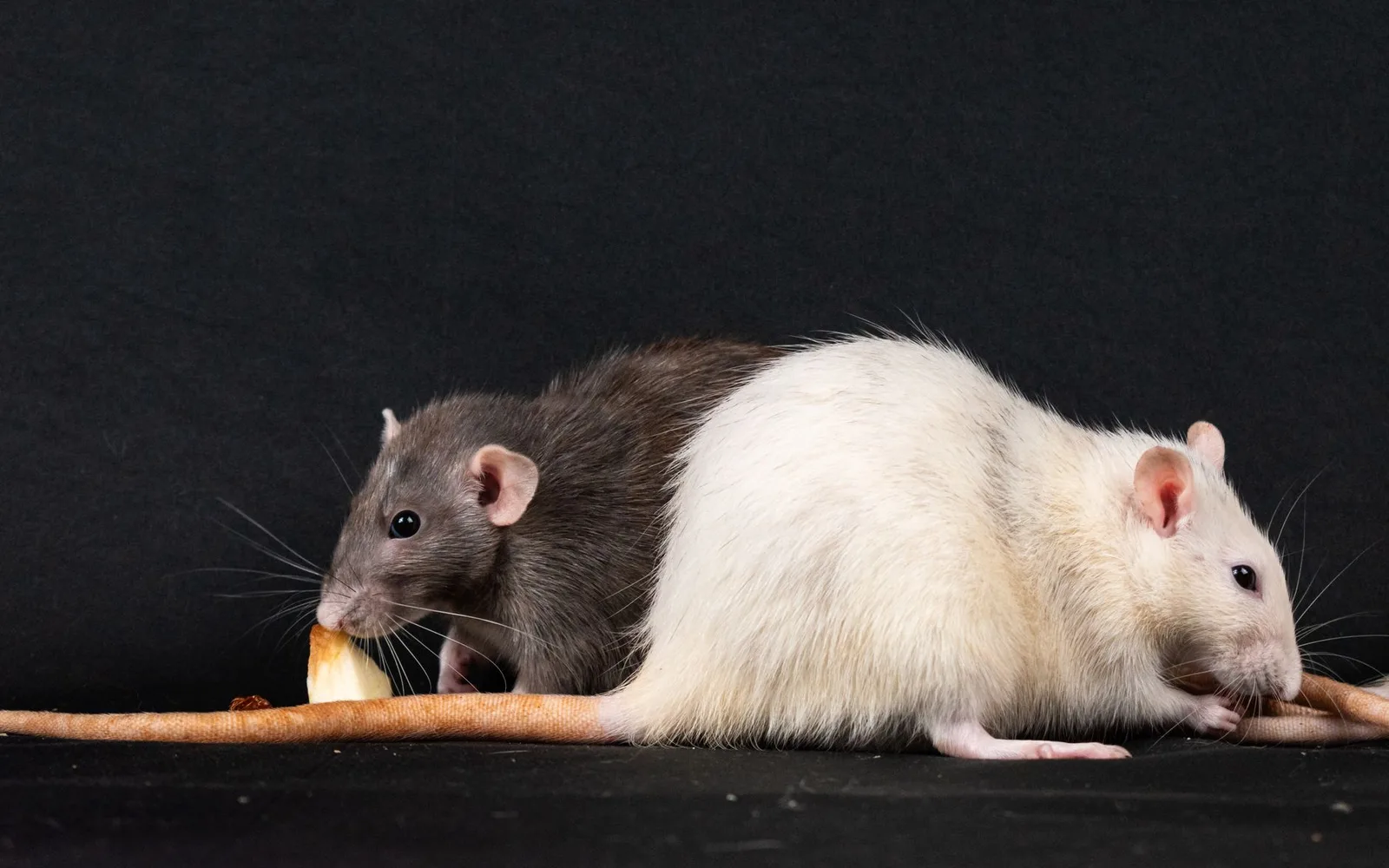
Rodents and mice in Al Hajun Makkah
Al Hajun sits on the slopes of Jabal Al Hajun north west of the Grand Mosque. Its buildings huddle close together along steep narrow lanes, and the drainage beneath runs old and tired. Rodents move freely between the houses through gaps in the stonework and damp foundations, and they shelter in the cramped spaces between the walls.
-
Targeted, not broadcast
Product goes into cracks and runways, never sprayed across open surfaces.
-
Told before we start
What we will use, where it goes, and what to cover or move before we arrive.
-
A follow-up visit
We return after the first treatment, because what survives it does not show on the day.
-
Homes and businesses
Apartments and villas, and kitchens and stores that need a record of each visit.
Why they keep coming back in Al Hajun
The gaps under doors and around windows are often sealed poorly with old lime mortar that crumbles when touched. Rodents slip past these seals without enlarging them, so the damage may go unseen until the infestation is already well established. The method is set out in full on what Rodents and mice involves.
Erosion of old stone foundations lets rodents enter unseen
The houses were built on natural stone decades ago. Water and weather have worn the stonework into small cracks and voids that let rodents pass without leaving fresh gnaw marks. Repairing these gaps is difficult because the buildings are heritage stock and need specialist care. Rodents exploit the poor light and constant moisture that has created these weaknesses.
One metre between houses means rapid spread to neighbours
Buildings in Al Hajun stand barely a metre apart. Rodents run across roofs and along shared party walls with ease, and when one house is infested they reach the adjacent ones within days. Neighbouring flats often share drainage and ventilation paths that let them bypass sealed doors entirely.
Buried watercourses beneath the streets draw and shelter rodents
Ain Zubaidah Street and Hajun Street carry flowing water underground, near to the houses. Rodents follow these water lines for permanent moisture and the shelter of running through pipes and buried channels. Heavy rains swell the flow and drive rodents upward into homes seeking drier shelter.
Al Hajun on the map
Al Hajun sits about 0.5 km from Al Bayban and about 1.5 km from Al Diyafah.
Open in Google MapsWhat we read in the building before any bait goes down
The old houses built into the hillside have deep foundations set below street level, and drainage pipework runs close beneath the homes. High groundwater sits near the surface because the district lies on the slope, and moisture rises steadily through the stone.
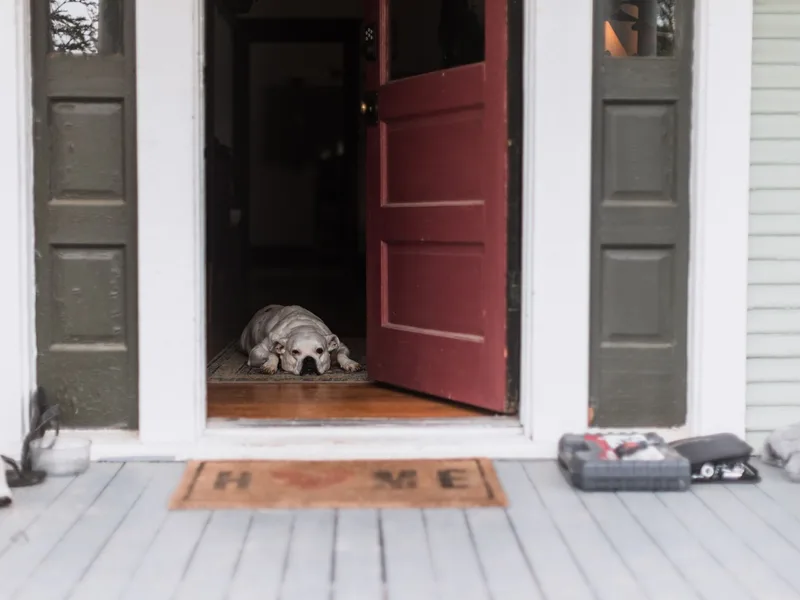
The gap under the door
Gaps under doors may be sealed into ancient stone that cracks if pressure is applied during repairs. Careful opening and correct materials must be used to avoid damaging the threshold itself.
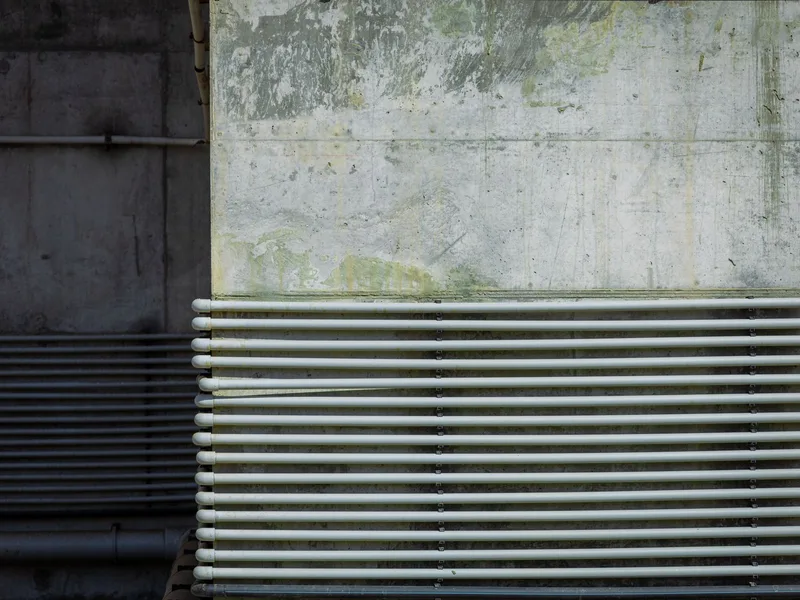
Pipe and conduit openings
Pipes enter the house through holes enlarged by decay of old cement, and the original seals have dried and split. New openings for modern services sometimes overlap the old ones, doubling the gaps.
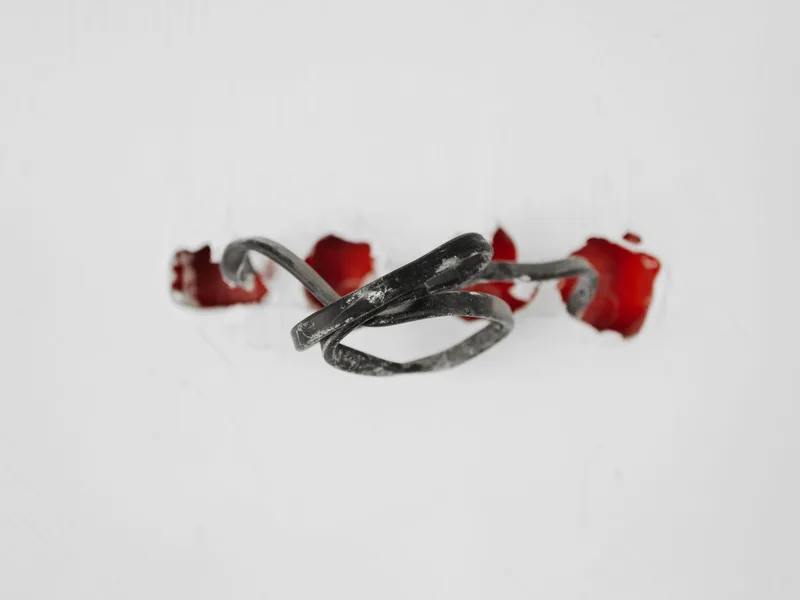
Gnaw marks
Gnaw marks appear readily on old stone and lime mortar because it is weaker than modern concrete. Rodents can visibly soften it by chewing, and the pale fresh damage shows clearly against darkened aged surfaces.
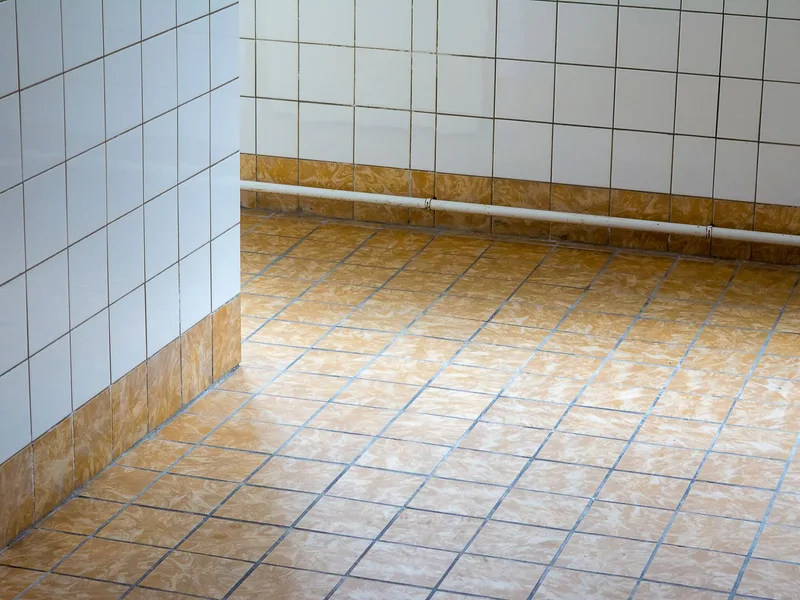
The run along the wall
Runs along the walls are very obvious in ancient buildings because the walls are damp and dust adheres readily. Greasy marks from rodent fur show clearly against the lime wash, often following pipe runs vertically.
The route from above
Rodents travel across roofs and along old timber beams that are soft from rot and damp. These overhead routes may be their primary entry, especially where wooden roof structures are exposed to weather in upper storeys.
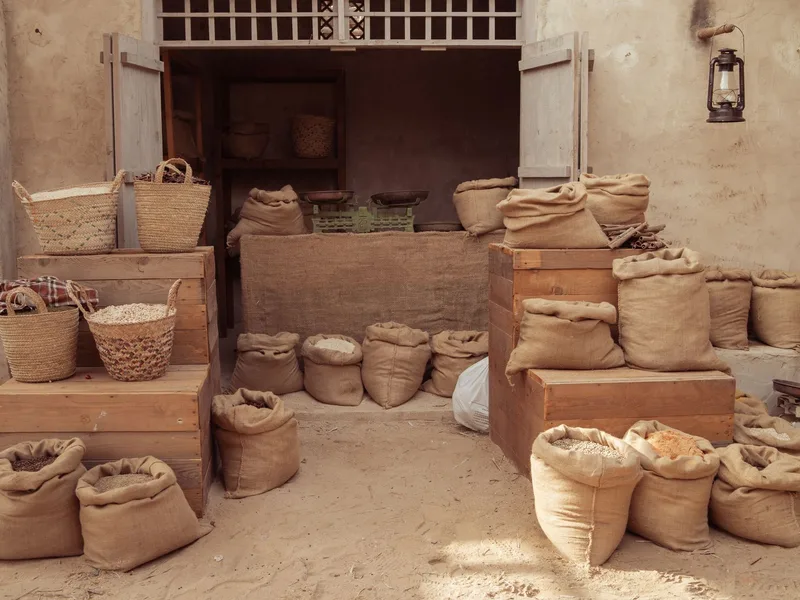
The water and the food on offer
Water from damp foundations and grain stored in the kitchen are both readily available. Old houses hold stores of wheat and bread flour that provide constant food, and moisture never stops seeping from below.
How we work
-
1
Inspect and trace the runs
We work the perimeter, the kitchen, the store and the false ceiling, establish the species, the entry points and the water source, and mark the station positions before anything is carried in.
-
2
Close the openings
Metal mesh, mortar and base strips at the gaps, around pipe sleeves and at vents, because foam and silicone are gnawed through within days.
-
3
Secured bait and traps
Closed stations fixed on the runs outside the building, and traps rather than loose bait indoors, so that anything that dies stays somewhere we can reach.
-
4
The follow-up visit
We read the take at each station, replenish what has gone, remove anything found, and close any opening that showed itself once the movement settled.
What rodent control includes
-

Inspection and a station map
Entry points, runs and station positions recorded, so the same points are checked on every visit.
-

Sealing pipes and drains
Floor traps, pipe sleeves, vents and the air conditioning drain line, the routes that arrive from outside the unit.
-

Secured bait stations
Closed and fixed on the outside runs, out of reach of children and animals, while indoors we work with traps.
-

Treating the nest site
A rodent leaves parasites and nesting material behind, so the nest is removed and the void it sat in is treated.
-

Aftercare instructions
Stock lifted off the floor, droppings cleaned damp with disinfectant instead of swept dry, and pet bowls emptied at night.
-

A scheduled follow-up
A set date after the first visit: read the take, replenish the bait, remove anything found and close what is still open.
Landmarks of Al Hajun
Houses cluster tightly around the Al Mualla Cemetery and over the slopes of Jabal Al Hajun. Treatment must coordinate between the homes that stand close together along Hajun Street and Ain Zubaidah Street, which cut across the district at its heart.
- Al Mualla Cemetery
- Jabal Al Hajun
- Hajun Street
- Second Ring Road
- Omar ibn Al Khattab Road
- Ain Zubaidah Street
Questions about this district
Why do rodents return so quickly after treatment in Al Hajun?
Neighbouring houses built within a metre may not be treated at the same time. Rodents migrate easily between them through the gaps and roof paths, so treating one house alone gives them a short respite before they filter back from neighbours who remain untreated.
Is sealing gaps enough in these old buildings?
Visible gaps can be sealed, but ancient stonework holds tiny cracks invisible to the eye that let rodents through. Sealing alone will not work; bait and monitoring are equally important, because the foundation cracks remain open.
Does groundwater raise the damp inside houses here?
Yes, significantly. Foundations sit close to the water table because the district slopes down from the hilltop. Moisture rises continuously through the stone, and rodents seek these damp zones where mould grows and condensation provides drinking water.
Are tiny cracks in stone really large enough for rats to enter?
Adult rats can pass through a gap the size of a pencil eraser. The ancient stone of Al Hajun is riddled with such fine cracks from centuries of weathering and freeze thaw, especially where water has dissolved the lime mortar between the stones.
How often does Al Hajun need treatment during the year?
The district needs assessment each season because neighbours may or may not treat simultaneously. Rodents migrate seasonally according to available food, and heavy rains increase activity sharply. A single treatment is rarely lasting.
Will treating one house stop rodents throughout the building?
Treatment of one house stops activity in that space for a time, but rodents enter from adjacent untreated houses. In Al Hajun the buildings are so closely joined that the problem is genuinely collective, not individual to any single dwelling.
How much does rodents and mice in Al Hajun cost?
It is set after the inspection, because the price follows the type of infestation, the size of the space, how far it has spread and the number of visits it needs. Send a photo and a description on WhatsApp and we will give you an estimate before we reach Al Hajun.
Nearby districts we cover
Other services in Al Hajun
Other services we provide to residents of Al Hajun.
-
 Residential
Cockroach control
Residential
Cockroach control
-
 Residential
Bed bug control
Residential
Bed bug control
-
 Residential
Termite control
Residential
Termite control
-
 Residential
Mosquito control
Residential
Mosquito control
-
 Residential
Fly control
Residential
Fly control
-
 Residential
Ant control
Residential
Ant control
-
 Residential
Gecko control
Residential
Gecko control
-
 Residential
Scorpion control
Residential
Scorpion control
-
 Residential
Snake control
Residential
Snake control
-
 Residential
Flea control
Residential
Flea control
-
 Residential
Bird and pigeon control
Residential
Bird and pigeon control
-
 Residential
Preventive treatment
Residential
Preventive treatment
-
 Residential
Disinfection
Residential
Disinfection
-
 Commercial
Annual contracts
Commercial
Annual contracts
-
 Commercial
Restaurants and cafes
Commercial
Restaurants and cafes
-
 Commercial
Hotels and apartments
Commercial
Hotels and apartments
-
 Commercial
Warehouses and factories
Commercial
Warehouses and factories
-
 Commercial
Schools and nurseries
Commercial
Schools and nurseries
-
 Commercial
Retail and malls
Commercial
Retail and malls
-
 Commercial
Rest houses and farms
Commercial
Rest houses and farms
-
 Commercial
Fumigation
Commercial
Fumigation
-
 Water tanks
Water tank cleaning
Water tanks
Water tank cleaning
-
 Water tanks
Water tank sterilization
Water tanks
Water tank sterilization
-
 Water tanks
Water tank sealing
Water tanks
Water tank sealing
-
 Water tanks
Tank leak repair
Water tanks
Tank leak repair
Need rodents and mice in Al Hajun? Tell us what you saw and we will tell you what it needs
We reach Al Hajun at a time we agree, and you get the full cost before we start.