
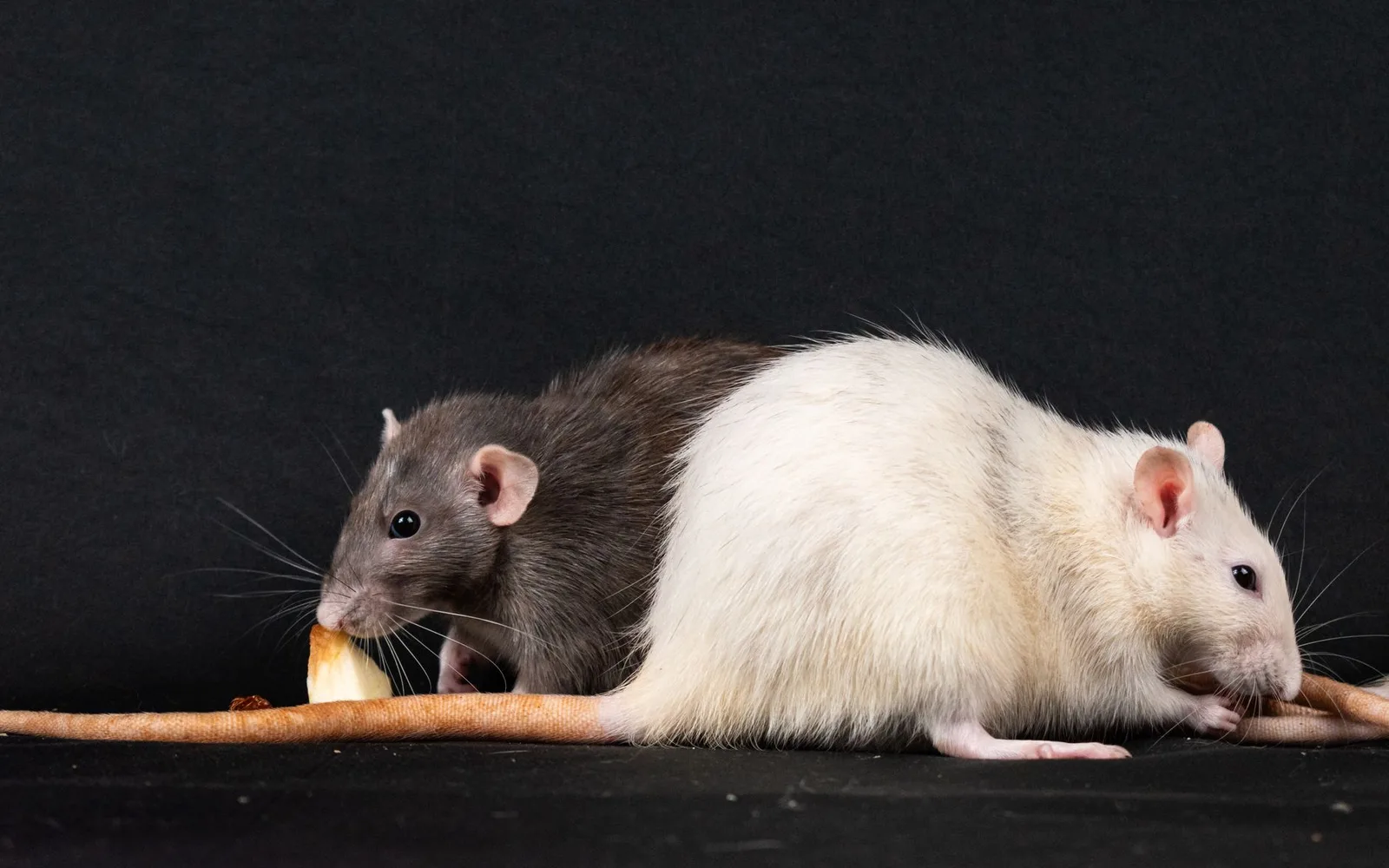
Rodents and mice in Mushrifah Jeddah
The apartment blocks of Mushrifah present a particular challenge for rodent control. Shared entrances and repeated floors across the building give rodents multiple routes between units. Makarona Road and its shops and restaurants nearby mean a year round supply of food waste that attracts and sustains rodent populations.
-
Targeted, not broadcast
Product goes into cracks and runways, never sprayed across open surfaces.
-
Told before we start
What we will use, where it goes, and what to cover or move before we arrive.
-
A follow-up visit
We return after the first treatment, because what survives it does not show on the day.
-
Homes and businesses
Apartments and villas, and kitchens and stores that need a record of each visit.
Why they keep coming back in Mushrifah
Rental apartments change occupants quickly and residents may not notice early rodent signs, delaying reports and giving the population time to establish nests and feeding routes. The method is set out in full on what Rodents and mice involves.
Shared entrances and wall cavities between units
Common passages, staircases and vertical service shafts link every apartment and allow rodents to move freely between units. Every gap around pipes, wires and ducts must be sealed with material that cannot be gnawed through and is dense enough to prevent re entry.
Abundant food from shops and eateries
Makarona Road and Palestine Street host restaurants, nightclubs, butchers and food outlets operating seven days a week. Rodents feed on food waste and rubbish in rear yards and in the drainage channels that run beneath the street level.
Humidity and ageing drainage systems
High sea humidity and old pipework provide constant water sources and the damp passages rodents prefer. Treating individual apartments will fail unless the shared cavities, ducts and drainage channels are also sealed and treated.
The character of Mushrifah
Apartment district: residential blocks, repeated floors and shared entrances
In an apartment district, rodents do not confine themselves to a single unit but migrate between floors and homes via shared voids. Treatment must cover the entire building structure, not just individual apartments.
What we read in the building before any bait goes down
A densely built district along Makarona Road and Palestine Street with shops, restaurants, a hospital and medical complexes. High sea humidity penetrates the older plumbing and drainage systems, keeping the environment damp and attractive to rodents.
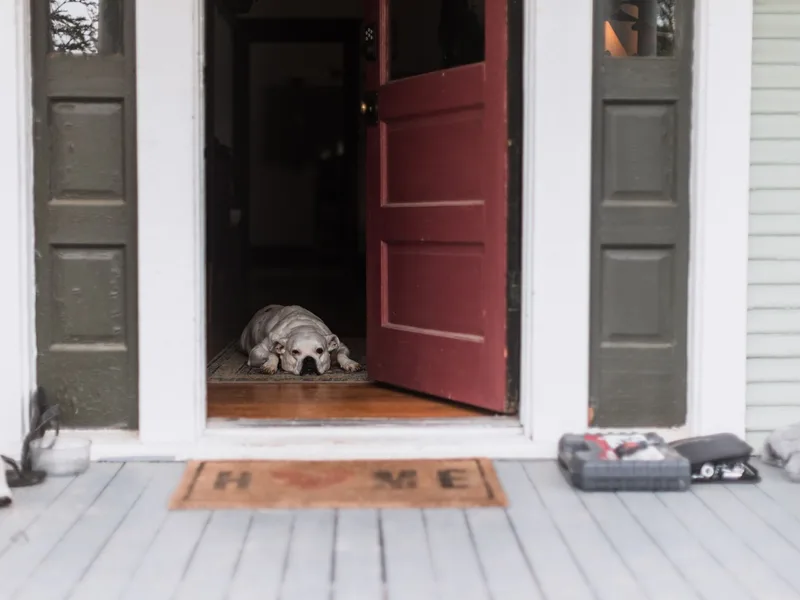
The gap under the door
Gaps under apartment doors and in shared passages allow rodents to move freely from unit to unit, and large gaps under storage rooms and stairwell doors need dense packing to prevent entry.
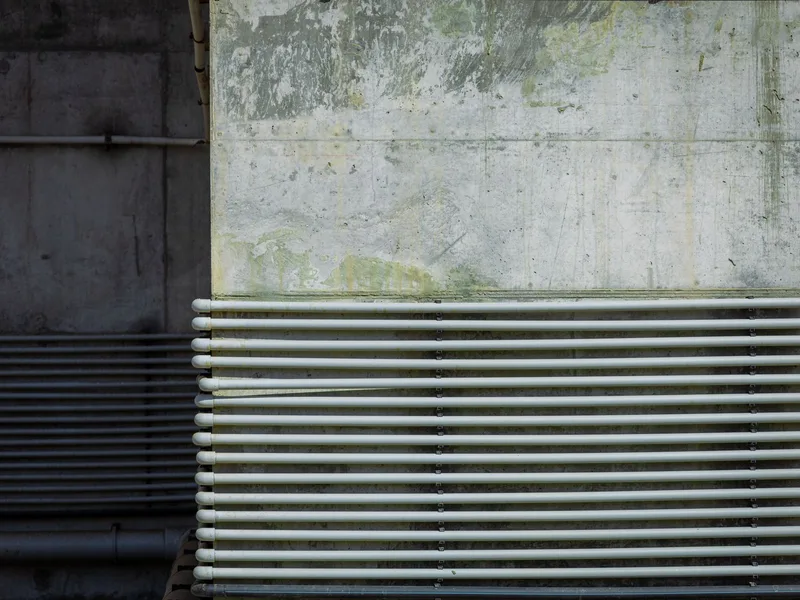
Pipe and conduit openings
Pipe and conduit openings in shared cavities were never sealed during installation and rodents pass through easily, especially around damp drainage pipes where moisture attracts them.
Gnaw marks
Gnaw marks on flour and rice bags and grain containers appear first in storage areas, with shredded bits of packaging found scattered around shelves and boxes.
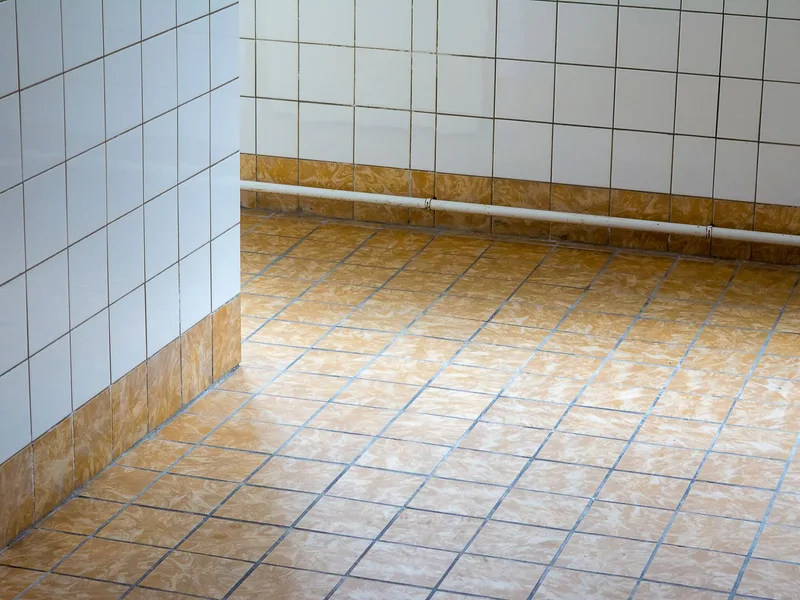
The run along the wall
The run along the wall follows pipe and cable routes inside the walls, and rodents prefer to move close to walls leaving greasy and dusty marks along the baseboards and skirting.
The route from above
The route from above comes through ventilation grilles, service shafts and exposed cable trays in ceilings, and hearing a soft scratching at night above your head signals an active run in the void between floors.
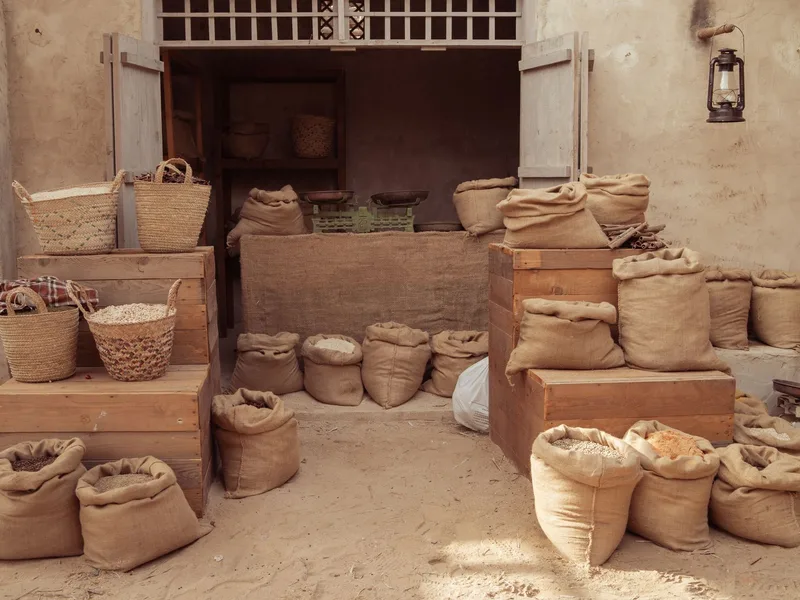
The water and the food on offer
Water from leaking pipes and damp corners provides constant drinking water, and food in kitchens, storage rooms and in rubbish left near the building's rear doors supplies abundant nourishment.
How we work
-
1
Inspect and trace the runs
We work the perimeter, the kitchen, the store and the false ceiling, establish the species, the entry points and the water source, and mark the station positions before anything is carried in.
-
2
Close the openings
Metal mesh, mortar and base strips at the gaps, around pipe sleeves and at vents, because foam and silicone are gnawed through within days.
-
3
Secured bait and traps
Closed stations fixed on the runs outside the building, and traps rather than loose bait indoors, so that anything that dies stays somewhere we can reach.
-
4
The follow-up visit
We read the take at each station, replenish what has gone, remove anything found, and close any opening that showed itself once the movement settled.
What rodent control includes
-

Inspection and a station map
Entry points, runs and station positions recorded, so the same points are checked on every visit.
-

Sealing pipes and drains
Floor traps, pipe sleeves, vents and the air conditioning drain line, the routes that arrive from outside the unit.
-

Secured bait stations
Closed and fixed on the outside runs, out of reach of children and animals, while indoors we work with traps.
-

Treating the nest site
A rodent leaves parasites and nesting material behind, so the nest is removed and the void it sat in is treated.
-

Aftercare instructions
Stock lifted off the floor, droppings cleaned damp with disinfectant instead of swept dry, and pet bowls emptied at night.
-

A scheduled follow-up
A set date after the first visit: read the take, replenish the bait, remove anything found and close what is still open.
What is different about Al Aziziyah Sub-Municipality
The Al Aziziyah sub municipality takes in the established heart of northern Jeddah, from the Al Hamra corniche on the Red Sea to Al Rehab east of King Abdullah Road. Its buildings date back decades, mostly mid rise apartment blocks over shops and closely packed restaurants along Makarona Road, Tahliah Street and Palestine Street, alongside villas and hotel towers near the shore. Sea humidity is high in the western districts, plumbing and drainage in the older blocks are ageing, and food outlets, hospitals and irrigated gardens are everywhere, conditions that favour cockroaches, ants, mosquitoes and rodents throughout the year.
Questions about this district
Why do rodents appear in our apartment but not next door?
Rodents move freely between apartments but settle first where food and water are available. An apartment with open rice sacks or leaking pipes will attract them first, but without treating the whole building they will return from neighbouring units unless every entry point is sealed.
Are traps alone enough in a multi storey building?
Traps alone are insufficient in a multi storey block. Entry points must be closed first and secure bait stations placed in shared cavities, on the roof and in basements. Traps catch individuals but secured stations outside the building structure prevent reinvasion from outside sources.
Is Makarona Road nearby a permanent cause?
Makarona Road and its shops provide food sources but this does not mean control is impossible. The key is sealing the building tightly, removing food sources inside apartments and shared areas, and maintaining secure stations outside the walls.
How many apartments in the building must we treat?
Every floor, every shared space, the roof and basements must be treated even if signs appear only in some units. Rodents move between apartments so partial treatment leaves routes open for return and migration between units.
Are rental apartments more susceptible to rodents?
Yes. Rapid tenant turnover means less routine maintenance and cleaning. Open bags of rice and flour, accumulating rubbish, and new tenants who do not yet recognise early signs all delay reporting and give the population time to establish itself.
What should we do after treatment to prevent return?
Seal all gaps around pipes and cables with material that cannot be gnawed. Store rice, flour and grain in sealed containers. Clean rear yards and corners regularly. Tell the building management the result so they treat shared areas with you and keep stations in place.
How much does rodents and mice in Mushrifah cost?
It is set after the inspection, because the price follows the type of infestation, the size of the space, how far it has spread and the number of visits it needs. Send a photo and a description on WhatsApp and we will give you an estimate before we reach Mushrifah.
Nearby districts we cover
Other services in Mushrifah
Other services we provide to residents of Mushrifah.
-
 Residential
Cockroach control
Residential
Cockroach control
-
 Residential
Bed bug control
Residential
Bed bug control
-
 Residential
Termite control
Residential
Termite control
-
 Residential
Mosquito control
Residential
Mosquito control
-
 Residential
Fly control
Residential
Fly control
-
 Residential
Ant control
Residential
Ant control
-
 Residential
Gecko control
Residential
Gecko control
-
 Residential
Scorpion control
Residential
Scorpion control
-
 Residential
Snake control
Residential
Snake control
-
 Residential
Flea control
Residential
Flea control
-
 Residential
Bird and pigeon control
Residential
Bird and pigeon control
-
 Residential
Preventive treatment
Residential
Preventive treatment
-
 Residential
Disinfection
Residential
Disinfection
-
 Commercial
Annual contracts
Commercial
Annual contracts
-
 Commercial
Restaurants and cafes
Commercial
Restaurants and cafes
-
 Commercial
Hotels and apartments
Commercial
Hotels and apartments
-
 Commercial
Warehouses and factories
Commercial
Warehouses and factories
-
 Commercial
Schools and nurseries
Commercial
Schools and nurseries
-
 Commercial
Retail and malls
Commercial
Retail and malls
-
 Commercial
Rest houses and farms
Commercial
Rest houses and farms
-
 Commercial
Fumigation
Commercial
Fumigation
-
 Water tanks
Water tank cleaning
Water tanks
Water tank cleaning
-
 Water tanks
Water tank sterilization
Water tanks
Water tank sterilization
-
 Water tanks
Water tank sealing
Water tanks
Water tank sealing
-
 Water tanks
Tank leak repair
Water tanks
Tank leak repair
Need rodents and mice in Mushrifah? Tell us what you saw and we will tell you what it needs
We reach Mushrifah at a time we agree, and you get the full cost before we start.