
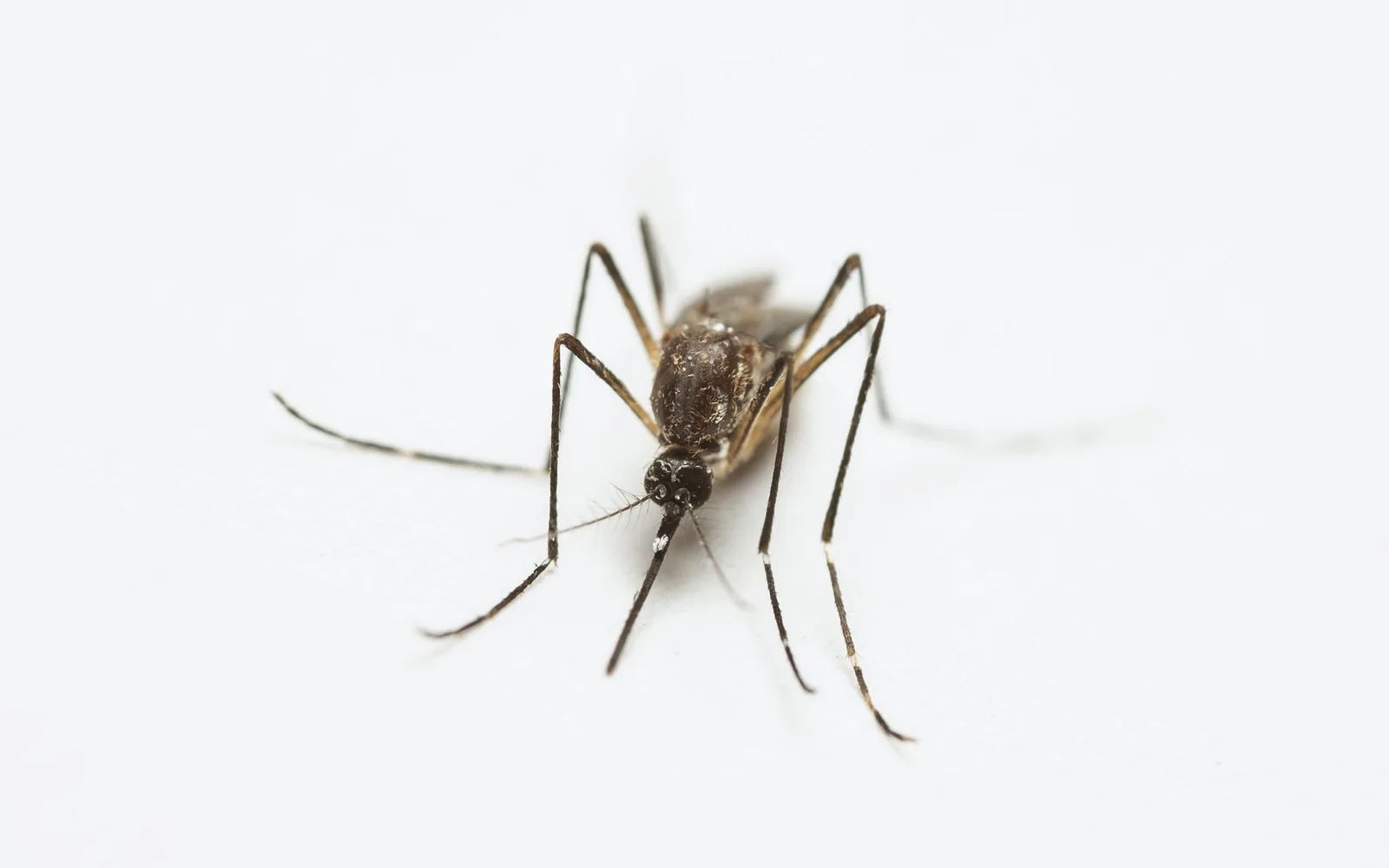
Mosquito control in Mushrifah Jeddah
Mushrifah sits where city roads intersect and water accumulates, pooling in corners and channels between the multi-storey blocks. Shared drainage lines trap moisture for weeks, and the urban humidity extends the breeding season year round. Controlling mosquitoes here means treating the water trapped in shared building systems that no single flat can access alone.
-
Targeted, not broadcast
Product goes into cracks and runways, never sprayed across open surfaces.
-
Told before we start
What we will use, where it goes, and what to cover or move before we arrive.
-
A follow-up visit
We return after the first treatment, because what survives it does not show on the day.
-
Homes and businesses
Apartments and villas, and kitchens and stores that need a record of each visit.
Why they keep coming back in Mushrifah
Water collects around central air-conditioning drainage during winter months when systems run continuously, and some flats may need supplementary treatment if their shared systems stay damp. The method is set out in full on how we approach Mosquito control.
Shared basement drains and pooling water
Multiple flats feed into a single drainage system; standing water in basement sumps and pump chambers becomes a permanent mosquito nursery. Treating exposed pipes in basements stops reproduction at a source no individual flat owner can empty or access.
Condensate from central air-conditioning
Centralised cooling systems collect water in roof-top chambers and on building skins, tiny overlooked puddles that become perfect incubators. Clearing these pooling points is part of our first site survey on every visit.
Migration between sealed units
Mosquitoes move from a treated flat to an untreated one through shared drainage openings and ventilation routes, especially when neighbours delay cooperation. We leave clear guidance on shared treatment points for each resident.
The character of Mushrifah
Apartment district: residential blocks, repeated floors and shared entrances
Apartment blocks create distinct conditions: shared water sources beyond one occupant's control, enclosed internal air, and sealed surfaces with poor natural ventilation. Our treatment targets the shared systems and inter-unit openings rather than relying on individual flat-dweller behaviour.
Standing water and shade decide the method
An inland district crossed by Makarona Road lined with shops and Madinah Road busy with traffic, holding dense apartment buildings over commercial complexes and Al Maghrabi Hospital. Shared plumbing and water accumulation in foundations create persistent breeding grounds.
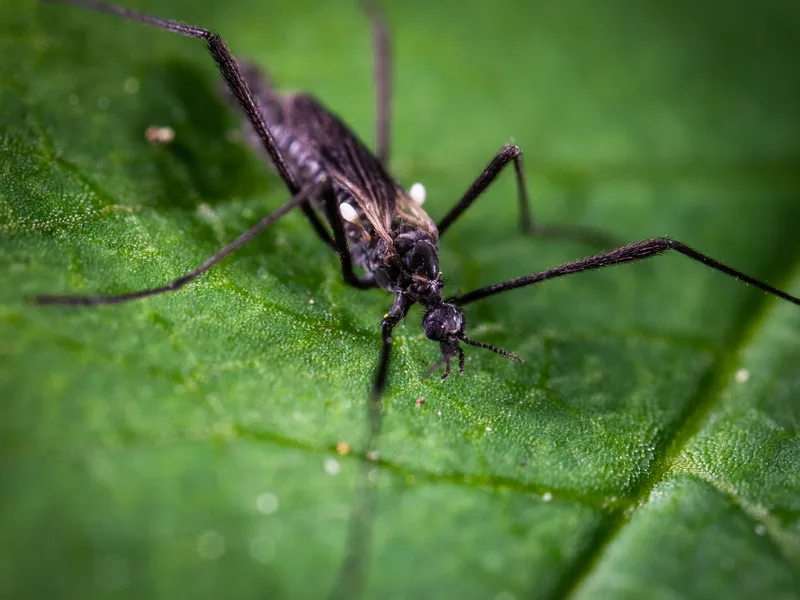
The daytime biter
The daytime-biting species hides in shade under balconies and dark corners between flats; we spray these spots before sunrise when they are roosting.
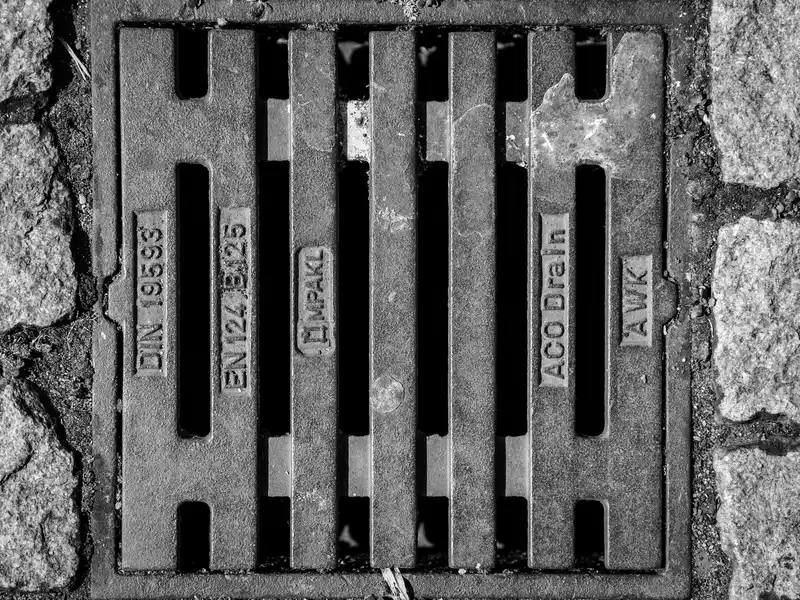
The one that comes out after sunset
After sunset mosquitoes emerge from sealed drainage lines and building foundations, so we focus treatment on exposed drain openings and basement pipes.
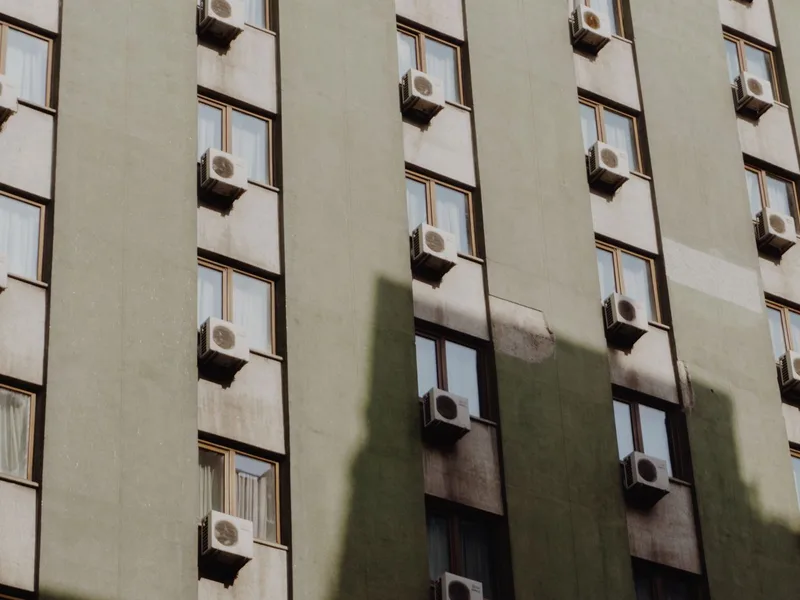
Air-conditioning condensate
Flat air-conditioning units leak water continuously; the heaviest pooling happens in winter when usage peaks, and we inspect these points before the cold season starts.
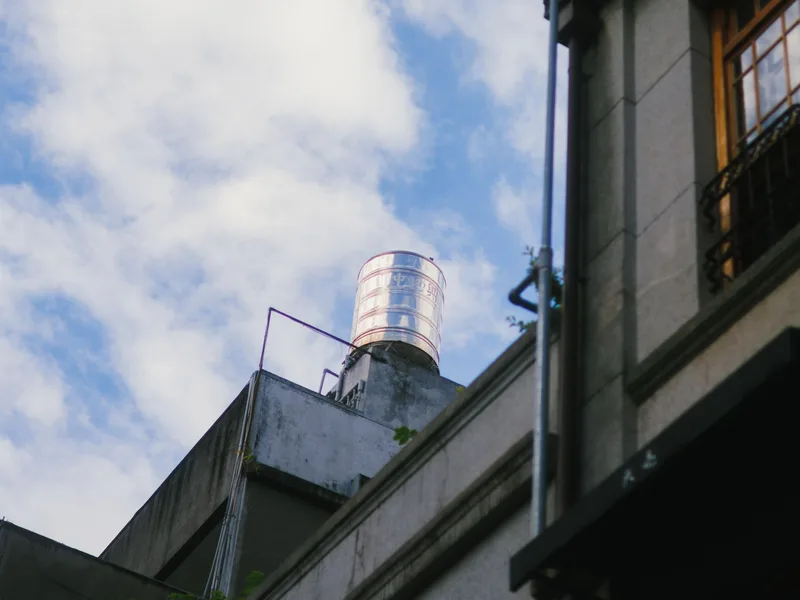
The tank and its openings
Rooftop tanks serving multiple flats are often shared infrastructure; an open lid or small cracks let mosquitoes enter and lay eggs in accessible water.
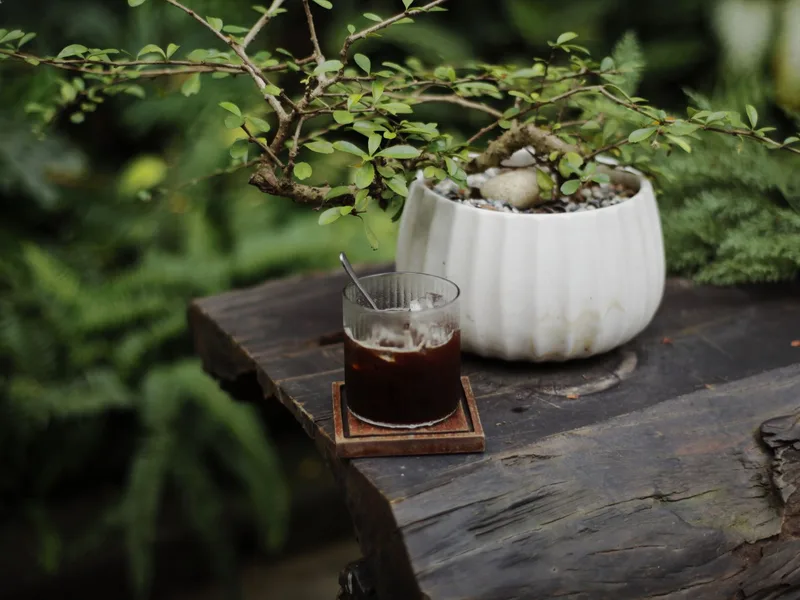
Garden containers and irrigation
Flats rarely have gardens, but external drain stubs below windows trap small amounts of rainwater, and potted balcony plants may hold enough moisture to sustain a breeding population.
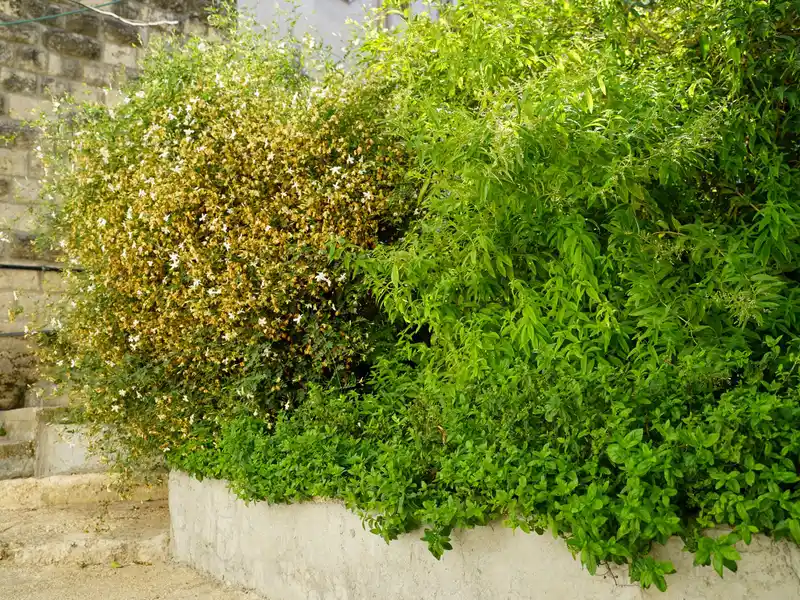
The shade it rests in
Permanent shade under balconies and narrow gaps between buildings keep daytime air cool, and mosquitoes rest there through much of the day; we treat these refuges before midday when adults are least active.
How we work
-
1
Inspect and map the water
We walk the perimeter, the roof, the garden, the meter chambers and the condensate runs, record everything that holds water, and read the species from the breeding site and the time of biting.
-
2
Remove the water that can go
Empty, invert, cover: saucers, containers, old tyres and roof gullies. Every point that disappears is a treatment that never needs repeating.
-
3
Larval treatment, then the resting surfaces
Water that cannot be drained is treated so the larva never completes, then a residual goes under planting, beneath outdoor furniture and along low shaded walls.
-
4
The follow-up visit
We come back once the generation that was in the water on the first visit has completed, review every point we recorded and re-treat where needed.
What mosquito control includes
-

A recorded water survey
Roof, perimeter, garden, meter chambers and condensate lines, written down before anything is applied.
-

Draining and covering the sources
Emptying what can be emptied, draining what can be drained, and covering what has to stay full.
-

Larval treatment for the water that stays
For ground tanks, inspection chambers, water features and any permanent water that has to remain.
-

A residual on the resting places
Under trees and shrubs, beneath outdoor furniture and on shaded walls, where the adult sits out the day.
-

Aftercare instructions
What stays inverted, what gets covered, which openings need mesh, and when watering goes back to normal.
-

A scheduled follow-up
A set date after the first treatment, with every recorded water point reviewed and re-treated if the water came back.
What is different about Al Aziziyah Sub-Municipality
The Al Aziziyah sub municipality takes in the established heart of northern Jeddah, from the Al Hamra corniche on the Red Sea to Al Rehab east of King Abdullah Road. Its buildings date back decades, mostly mid rise apartment blocks over shops and closely packed restaurants along Makarona Road, Tahliah Street and Palestine Street, alongside villas and hotel towers near the shore. Sea humidity is high in the western districts, plumbing and drainage in the older blocks are ageing, and food outlets, hospitals and irrigated gardens are everywhere, conditions that favour cockroaches, ants, mosquitoes and rodents throughout the year.
Questions about this district
If I treat only my flat, do I need the neighbours to agree as well?
Treating your flat alone stops local mosquitoes temporarily, but shared water in the building foundation sends fresh adults. We ask the management to treat common areas, and we do not need access to neighbouring flats.
Why does the mosquito problem return after a month of treatment?
Eggs wait in standing water for several weeks; each treatment kills adults but not old eggs. If standing water is not emptied, eggs hatch into a new generation within two to three weeks.
Could the rooftop water tank be where the mosquitoes breed?
Open tanks or damaged lids provide a perfect breeding ground. We inspect the tank on the first visit and treat the water with a safe agent, or recommend a tight-fitting cover if one is absent.
Is spraying alone enough, or do I need multiple visits to stop them?
Spraying kills adults in the air and on surfaces, but eggs and pupae in water need water-based treatment. We usually return every two to three weeks to break the breeding cycle.
Could the drain outlet from my neighbour's flat next to mine be my problem?
If the neighbouring drain is directly adjacent to your wall or shares your plumbing system, nearby water is enough to send mosquitoes your way. We check connections on the first survey.
When can I expect the mosquitoes to disappear completely?
Within a week to ten days of the first treatment you will notice a sharp drop in numbers, but complete control needs a second or third visit because eggs take time to hatch and mature.
How much does mosquito control in Mushrifah cost?
It is set after the inspection, because the price follows the type of infestation, the size of the space, how far it has spread and the number of visits it needs. Send a photo and a description on WhatsApp and we will give you an estimate before we reach Mushrifah.
Nearby districts we cover
Other services in Mushrifah
Other services we provide to residents of Mushrifah.
-
 Residential
Cockroach control
Residential
Cockroach control
-
 Residential
Bed bug control
Residential
Bed bug control
-
 Residential
Termite control
Residential
Termite control
-
 Residential
Rodents and mice
Residential
Rodents and mice
-
 Residential
Fly control
Residential
Fly control
-
 Residential
Ant control
Residential
Ant control
-
 Residential
Gecko control
Residential
Gecko control
-
 Residential
Scorpion control
Residential
Scorpion control
-
 Residential
Snake control
Residential
Snake control
-
 Residential
Flea control
Residential
Flea control
-
 Residential
Bird and pigeon control
Residential
Bird and pigeon control
-
 Residential
Preventive treatment
Residential
Preventive treatment
-
 Residential
Disinfection
Residential
Disinfection
-
 Commercial
Annual contracts
Commercial
Annual contracts
-
 Commercial
Restaurants and cafes
Commercial
Restaurants and cafes
-
 Commercial
Hotels and apartments
Commercial
Hotels and apartments
-
 Commercial
Warehouses and factories
Commercial
Warehouses and factories
-
 Commercial
Schools and nurseries
Commercial
Schools and nurseries
-
 Commercial
Retail and malls
Commercial
Retail and malls
-
 Commercial
Rest houses and farms
Commercial
Rest houses and farms
-
 Commercial
Fumigation
Commercial
Fumigation
-
 Water tanks
Water tank cleaning
Water tanks
Water tank cleaning
-
 Water tanks
Water tank sterilization
Water tanks
Water tank sterilization
-
 Water tanks
Water tank sealing
Water tanks
Water tank sealing
-
 Water tanks
Tank leak repair
Water tanks
Tank leak repair
Need mosquito control in Mushrifah? Tell us what you saw and we will tell you what it needs
We reach Mushrifah at a time we agree, and you get the full cost before we start.