
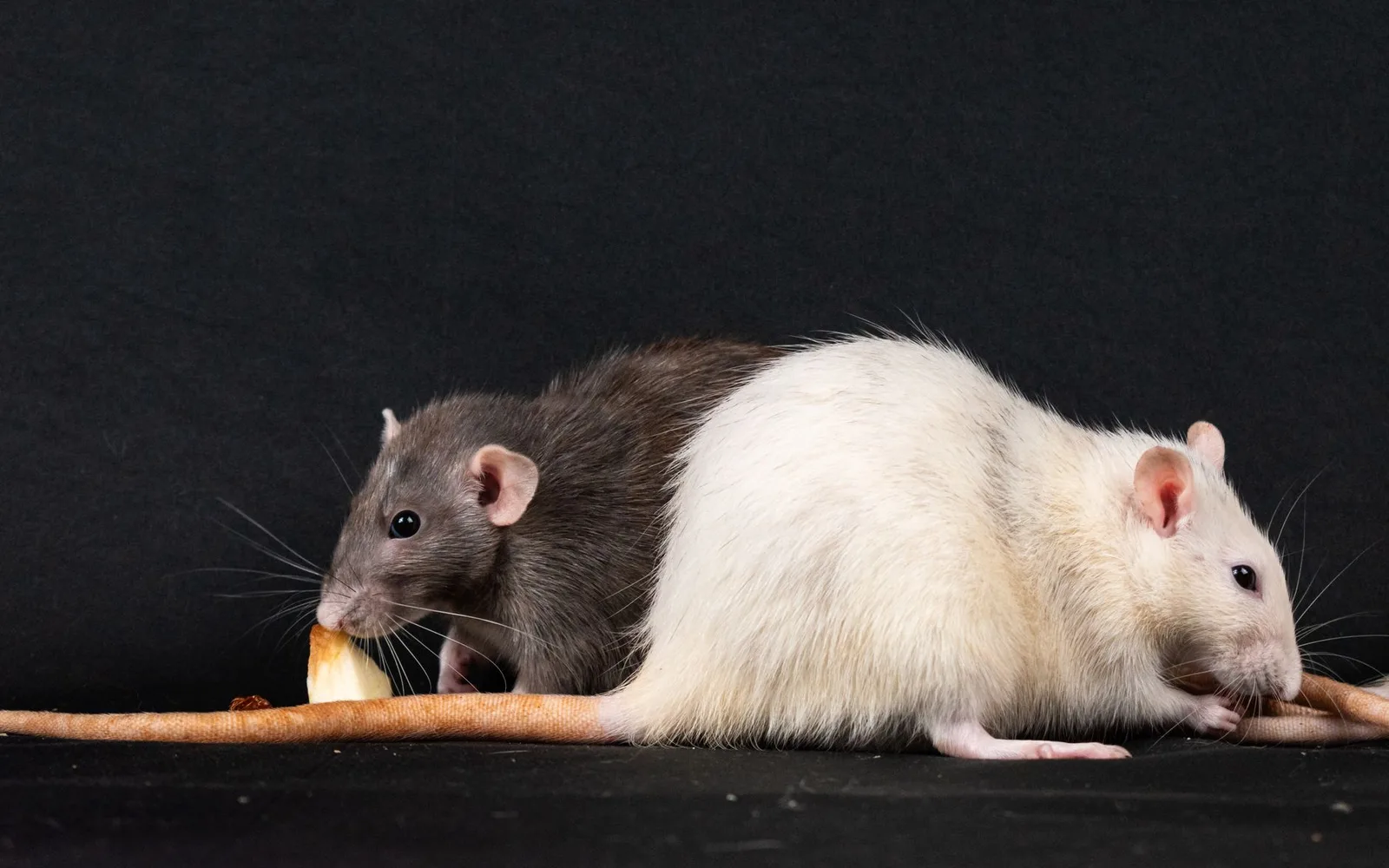
Rodents and mice in Wadi Jaleel Makkah
Wadi Jaleel is a newly developed district on the eastern slopes of Makkah where modern homes sit spaced apart with empty plots and active construction sites between them, providing wide temporary rodent refuge. Treatment here differs fundamentally because housing settlement is still incomplete, rodents migrate from vacant ground and excavation sites toward new homes, and natural watercourses swell into severe floods after heavy rain, driving subsurface populations upward.
-
Targeted, not broadcast
Product goes into cracks and runways, never sprayed across open surfaces.
-
Told before we start
What we will use, where it goes, and what to cover or move before we arrive.
-
A follow-up visit
We return after the first treatment, because what survives it does not show on the day.
-
Homes and businesses
Apartments and villas, and kitchens and stores that need a record of each visit.
Why they keep coming back in Wadi Jaleel
Rodents here migrate from empty plots and construction sites toward new homes in search of food, and move easily across the wide open spaces between dwellings. The method is set out in full on our Rodents and mice service.
Empty plots and excavations provide temporary rodent refuge
New schemes leave vacant ground and open excavations for months or years before development. This land provides rodent shelter where they burrow and nest undisturbed. When construction begins or winter approaches, rodent populations migrate toward nearby completed homes seeking stable refuge and reliable food.
Wide gaps between newly built dwellings create open runways
Modern homes are spaced apart with wider gaps between them than in established districts. Rodents cross these open spaces readily because they offer no cover, so bait stations and traps must be positioned along migration routes rather than inside the homes initially.
Seasonal flash floods sweep subsurface burrows and drive rodents upward
The valley is an ancient flood channel and heavy rain brings powerful inundation. Rodents living in subsurface tunnels are swept away or flee upslope seeking dry refuge. Homes built near historical flood paths are particularly vulnerable to seasonal invasions as displaced populations seek shelter.
Wadi Jaleel on the map
Wadi Jaleel sits about 3 km from Qurtubah and about 3.5 km from Jabal Al Noor.
Open in Google MapsWhat we read in the building before any bait goes down
The valley is an ancient seasonal flood channel between hills subject to strong flash flooding after heavy rain, with new housing schemes spreading across its floor and gaps remaining between completed dwellings.
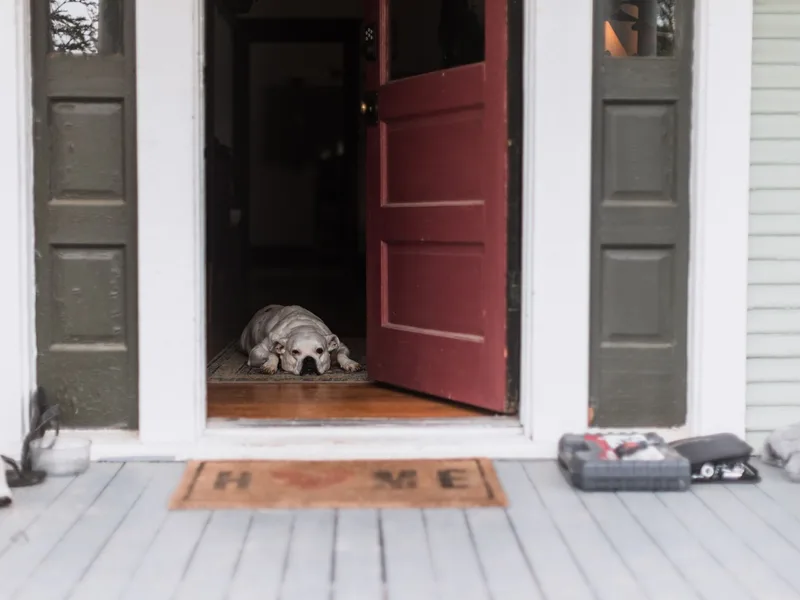
The gap under the door
The gap under the door in new homes may be intentional for ventilation, but allows rodent entry. We seal it completely with material that cannot be gnawed whilst preserving small protected air vents where needed.
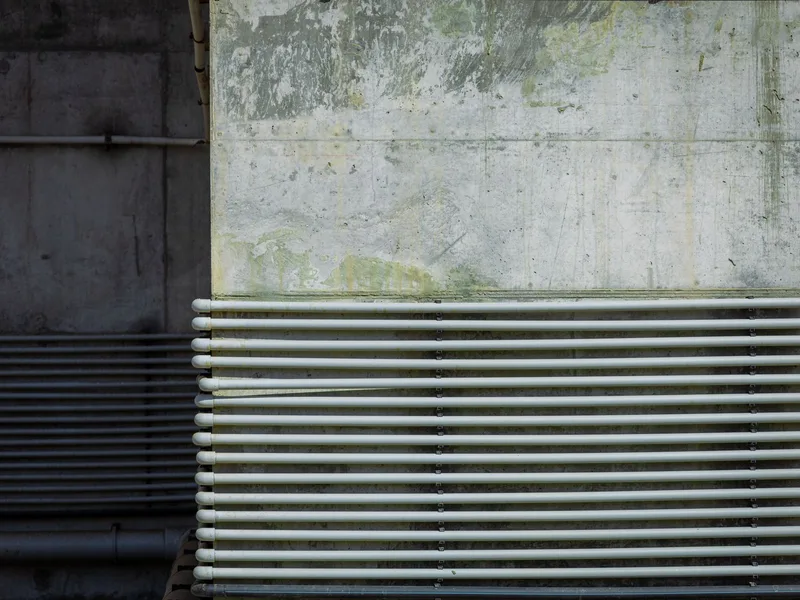
Pipe and conduit openings
Pipe and conduit openings in new construction are usually sealed carefully but small gaps remain from installation. We inspect every entry point and plug gaps with material that cannot be gnawed.
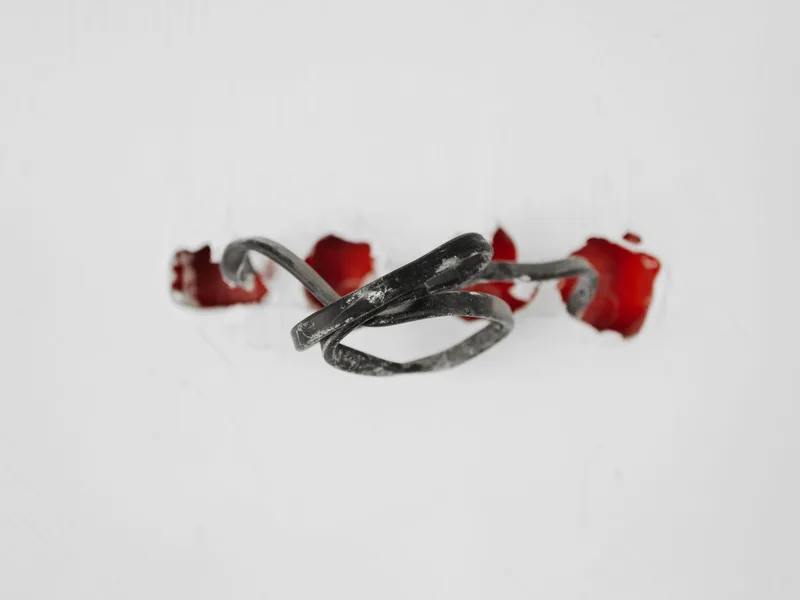
Gnaw marks
Gnaw marks on plastic pipes and electrical conduits in new homes are visible quickly because rodents prefer plastic. Every pipe needs careful inspection, particularly beneath floors and inside walls.
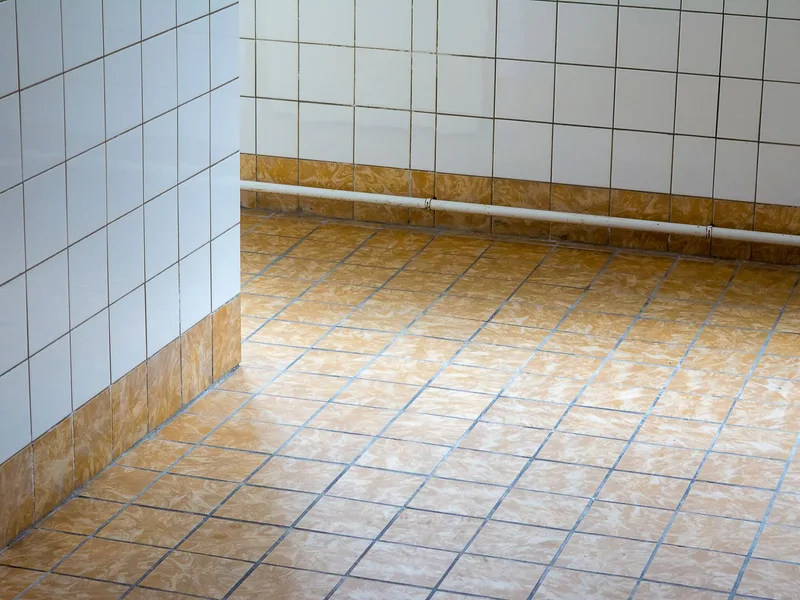
The run along the wall
The run along walls in new homes typically follows recent pipe routes and new service openings, and clean walls reveal rodent tracks clearly.

The route from above
The route from above comes through ceiling gaps and inter floor voids or may originate from the space between ceiling and suspended finishes.
The water and the food on offer
Water and food on offer here includes seepage from garden irrigation, continuous watering of new landscaping, exposed pantry food, rubbish and kitchen waste.
How we work
-
1
Inspect and trace the runs
We work the perimeter, the kitchen, the store and the false ceiling, establish the species, the entry points and the water source, and mark the station positions before anything is carried in.
-
2
Close the openings
Metal mesh, mortar and base strips at the gaps, around pipe sleeves and at vents, because foam and silicone are gnawed through within days.
-
3
Secured bait and traps
Closed stations fixed on the runs outside the building, and traps rather than loose bait indoors, so that anything that dies stays somewhere we can reach.
-
4
The follow-up visit
We read the take at each station, replenish what has gone, remove anything found, and close any opening that showed itself once the movement settled.
What rodent control includes
-

Inspection and a station map
Entry points, runs and station positions recorded, so the same points are checked on every visit.
-

Sealing pipes and drains
Floor traps, pipe sleeves, vents and the air conditioning drain line, the routes that arrive from outside the unit.
-

Secured bait stations
Closed and fixed on the outside runs, out of reach of children and animals, while indoors we work with traps.
-

Treating the nest site
A rodent leaves parasites and nesting material behind, so the nest is removed and the void it sat in is treated.
-

Aftercare instructions
Stock lifted off the floor, droppings cleaned damp with disinfectant instead of swept dry, and pet bowls emptied at night.
-

A scheduled follow-up
A set date after the first visit: read the take, replenish the bait, remove anything found and close what is still open.
The character of Wadi Jaleel
New development: ongoing construction and vacant plots between the homes
A newly developed district means recent foundations, new pipework but wide gaps between homes and vacant surrounding ground. Rodent treatment focuses on exterior sealing and controlling gaps around the foundation edge, and requires seasonal repetition because rodent migration from empty plots is an expected cyclical challenge.
Questions about this district
Are neighbouring empty plots a permanent rodent source?
Yes: whilst ground remains vacant it provides natural food and safe burrowing. Rodents establish populations there for months, then migrate when new construction begins or winter arrives. Treatment must repeat each time new earthworks commence.
Why do rodents leave empty plots and move into new homes?
Food, water and secure shelter inside a home exceed what open ground offers. When food becomes scarce on vacant plots or rains arrive, rodents seek alternatives and find new homes readily accessible.
Are active building works and excavations a threat to neighbouring homes?
Significantly so: construction equipment excavates new burrow routes and creates additional voids. Rodents exploit these passages for easy transit. Homes adjoining active sites need treatment weeks before major earthworks resume.
Does damp soil around new foundations attract rodents more heavily?
Yes: moist soil offers ideal burrowing and nesting conditions. When garden irrigation starts in new landscaping, rodents find soft earth and reliable water supply. We focus on sealing gaps around foundations and reducing moisture.
How frequently does a newly developed district like Wadi Jaleel need treatment?
During the first year of occupancy: intensive monthly or six weekly treatment. Frequency decreases thereafter as settlement stabilises and schemes complete. Seasonal treatment before the rainy season remains necessary.
Does sealing a new home tightly stop rodents from empty adjacent plots?
Tight sealing reduces rodent entry substantially but cannot eliminate it entirely: rodents find tiny gaps in pipes and ceiling voids. Proactive treatment of neighbouring vacant ground and gaps around the home exterior remains necessary.
How much does rodents and mice in Wadi Jaleel cost?
It is set after the inspection, because the price follows the type of infestation, the size of the space, how far it has spread and the number of visits it needs. Send a photo and a description on WhatsApp and we will give you an estimate before we reach Wadi Jaleel.
Nearby districts we cover
Other services in Wadi Jaleel
Other services we provide to residents of Wadi Jaleel.
-
 Residential
Cockroach control
Residential
Cockroach control
-
 Residential
Bed bug control
Residential
Bed bug control
-
 Residential
Termite control
Residential
Termite control
-
 Residential
Mosquito control
Residential
Mosquito control
-
 Residential
Fly control
Residential
Fly control
-
 Residential
Ant control
Residential
Ant control
-
 Residential
Gecko control
Residential
Gecko control
-
 Residential
Scorpion control
Residential
Scorpion control
-
 Residential
Snake control
Residential
Snake control
-
 Residential
Flea control
Residential
Flea control
-
 Residential
Bird and pigeon control
Residential
Bird and pigeon control
-
 Residential
Preventive treatment
Residential
Preventive treatment
-
 Residential
Disinfection
Residential
Disinfection
-
 Commercial
Annual contracts
Commercial
Annual contracts
-
 Commercial
Restaurants and cafes
Commercial
Restaurants and cafes
-
 Commercial
Hotels and apartments
Commercial
Hotels and apartments
-
 Commercial
Warehouses and factories
Commercial
Warehouses and factories
-
 Commercial
Schools and nurseries
Commercial
Schools and nurseries
-
 Commercial
Retail and malls
Commercial
Retail and malls
-
 Commercial
Rest houses and farms
Commercial
Rest houses and farms
-
 Commercial
Fumigation
Commercial
Fumigation
-
 Water tanks
Water tank cleaning
Water tanks
Water tank cleaning
-
 Water tanks
Water tank sterilization
Water tanks
Water tank sterilization
-
 Water tanks
Water tank sealing
Water tanks
Water tank sealing
-
 Water tanks
Tank leak repair
Water tanks
Tank leak repair
Need rodents and mice in Wadi Jaleel? Tell us what you saw and we will tell you what it needs
We reach Wadi Jaleel at a time we agree, and you get the full cost before we start.