
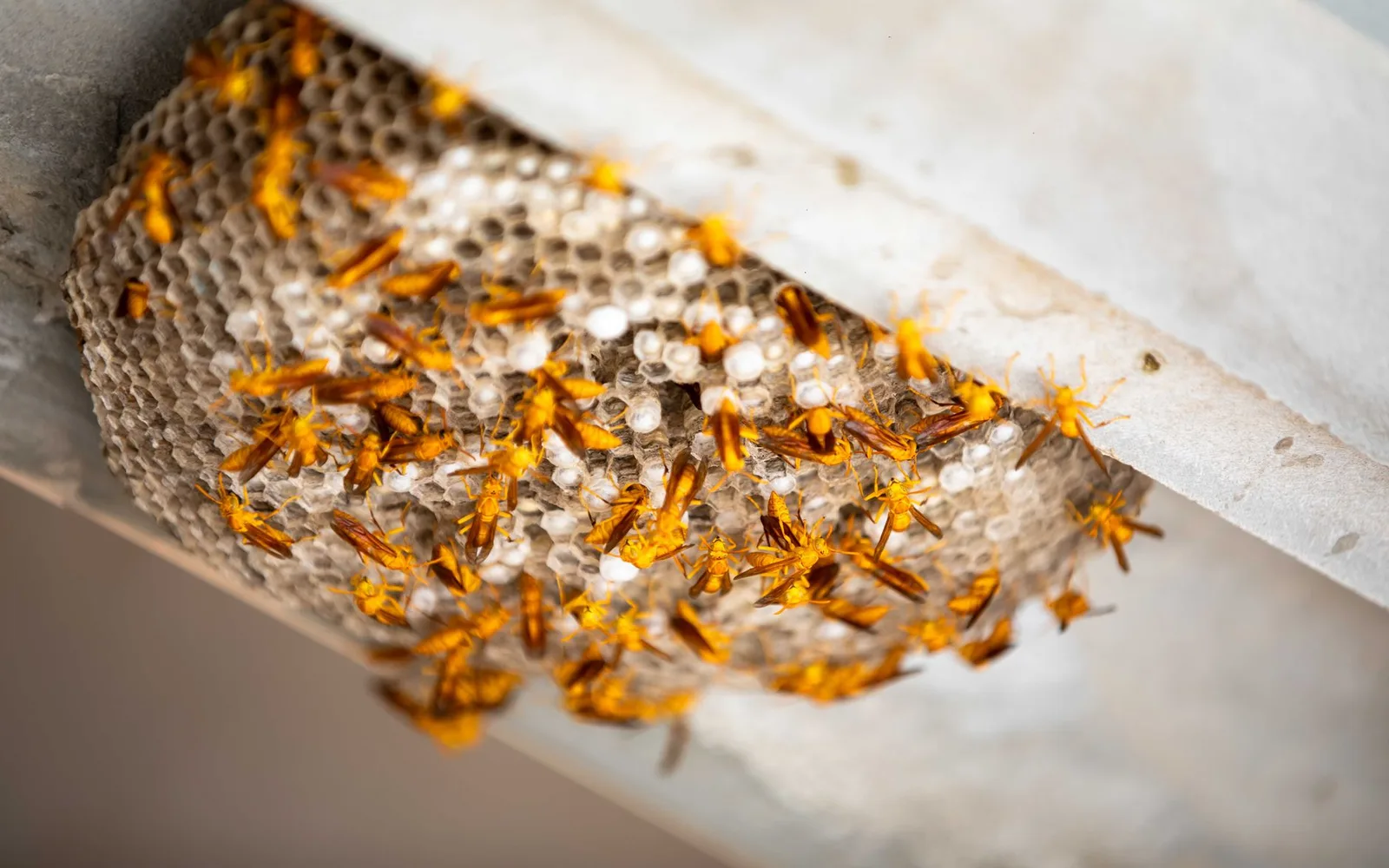
Schools and nurseries in Al Rehab Jeddah
Al Rehab is a mixed district combining villas, apartments, residential blocks, shops and university college campuses, and this diversity means the school faces insect pressure from multiple directions at once: from shops at ground level, shared storerooms, drainage pipes shared with apartments above, and yards that adjoin residential blocks on every side.
-
Targeted, not broadcast
Product goes into cracks and runways, never sprayed across open surfaces.
-
Told before we start
What we will use, where it goes, and what to cover or move before we arrive.
-
A follow-up visit
We return after the first treatment, because what survives it does not show on the day.
-
Homes and businesses
Apartments and villas, and kitchens and stores that need a record of each visit.
Why they keep coming back in Al Rehab
Schools in Al Rehab are often housed in buildings where the ground floor is occupied by working shops, and the pressure on ground level and yard is fundamentally different from schools in detached villas. The method is set out in full on Schools and nurseries in detail.
Ground-floor shops and cockroaches climbing upwards
The ground floor holds active commercial premises all day: restaurants, supermarkets, clothing shops. Cockroaches and ants climb from these shops through service ducts, pipes and cracks in the floor, especially during cooking times and when the shops are busiest. The school above cannot seal itself completely from below.
Shared storerooms and constant moisture
The food store and cardboard store in Al Rehab often sit near the shared drainage stacks, and water seeping from flats above keeps these stores damp continuously. This moisture draws rodents and cockroaches year round, searching for food and water. The storage areas become highways for pests moving between floors.
Shared yard and poor seals on partition walls
The yard shared with adjoining residential blocks usually lacks a proper seal along the partition walls, and rodents move easily from the flats into the yard and enter through gaps in fences and service doors. This is worst in autumn and winter when rodents seek shelter and food indoors.
The character of Al Rehab
Mixed district: shops at street level with homes above them
In Al Rehab, ground-floor shops mean pressure comes from one direction: from below. Cockroaches and ants climb from food smells, rodents enter through service ducts and pipes. The programme here is built as vertical defence: sealing gaps, service ducts, pipe penetrations and door gaps to stop upward movement.
What sets the shape of a school programme
Al Rehab is a large district stretching from Al Arbaeen Street to the expressway, crossed by King Abdullah Road with university colleges and markets throughout. Commercial activity is constant and the movement of goods and people is high every day.
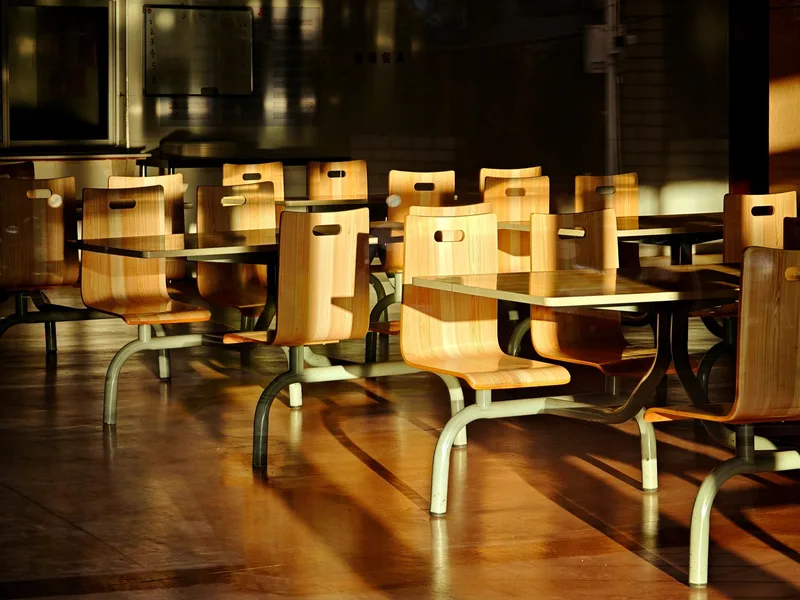
The canteen and the food store
The canteen in Al Rehab often sits on the second or third floor with its store directly below and a shop running a kitchen on the ground floor, so the canteen is constantly exposed to cockroaches climbing from cooking and rising food odours from the level below.
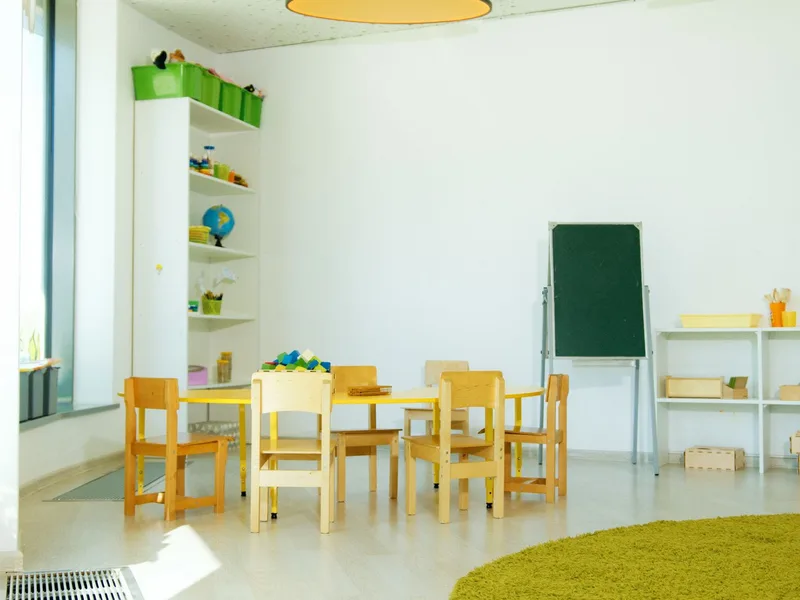
Floor level in a nursery
The nursery floor in Al Rehab may stay damp from moisture rising from the ground-floor shop or from toilet water seepage, and insects enter through cracks and joints in the floor surface where water penetrates.
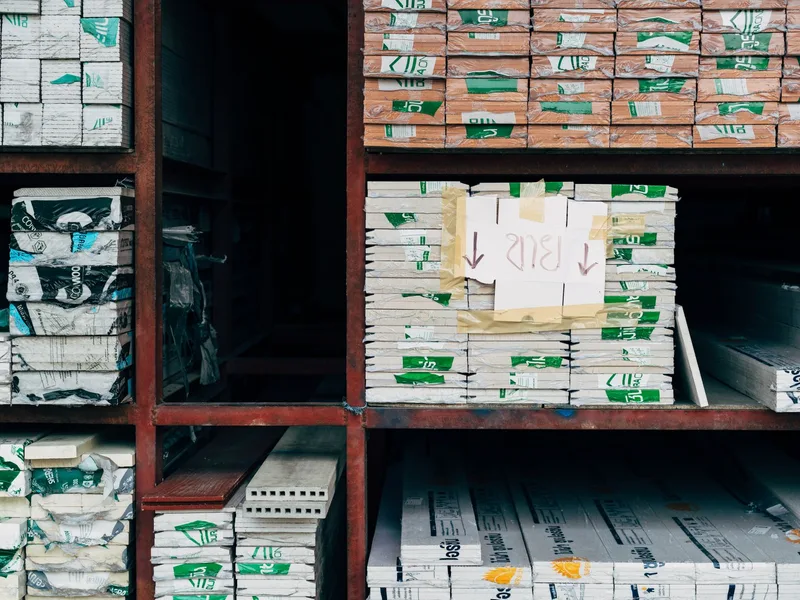
The paper and cardboard store
The paper and cardboard store in Al Rehab sits near shared pipes and stays damp from water leaks, becoming a way station for rodents and cockroaches before they spread into the rest of the building.
Standing water in the yard
The yard in Al Rehab is often small and collects drainage water from the flats, shops and school all in one place, encouraging mosquitoes and flies especially in summer and spring when standing water warms.

The gap under the service door
The service door gap in Al Rehab is critical because the door stands near both the ground-floor shop and the drainage stack, and even a small gap allows insects and rodents to enter, particularly after deliveries or when the adjacent shop is busiest.
The wall line, irrigation and planting
The fence line in Al Rehab needs careful inspection because it adjoins residential blocks, and small gaps at the base allow rodents to enter from neighbouring flats. Daily watering of a small garden in the yard increases moisture all around the fence perimeter.
How we work
-
1
Survey the building and zone it
We walk from the service gate through the canteen, the stores, the classrooms, the washrooms and the yard, record the entry routes, the moisture and the species pressure, and grade every area by who occupies it and for how long.
-
2
Schedule it against the calendar
Work that needs an empty building, closing entry points, treating the drains and the perimeter, goes into the long breaks. Station reads and spot treatment happen after the students leave or at the weekend. We agree in advance who opens the building and which rooms are cleared and covered.
-
3
Targeted treatment, out of reach
Gel bait inside joints and cracks, dust into the dry voids, enclosed stations fixed where a child cannot reach them, and targeted spray on junctions and service areas, never on open surfaces or play flooring.
-
4
Follow up and record it
We come back on the date the life cycle sets, such as a visit timed to a cockroach hatch, re-read the points, treat whatever is still active, and hand over a report with the dates, the positions and what the building itself needs closed.
What a school and nursery programme includes
-

Building survey and zone plan
A walk that fixes the entry routes, the food areas and the child areas, and a plan with the monitoring positions numbered before anything is installed.
-

Enclosed bait and stations
Stations fixed in positions a child cannot get to, and gel bait inside joints and cracks rather than on any surface.
-

Treatment outside teaching hours
After the students leave, at the weekend or in a break, on junctions and service areas, with the surfaces wiped down before anyone comes back.
-

Drains, waste and standing water
Kitchen and washroom gullies, the ground around the containers, the yard drains and the air conditioning trays, on every visit.
-

Room preparation and aftercare
Which rooms are cleared and which surfaces are covered before we arrive, what is wiped down before the students come back, and the ventilation time we set for each case on the call.
-

Scheduled visits and a report each time
Dates agreed across the term, and a report carrying the dates, the positions, the findings and the state of every corrective action.
Landmarks of Al Rehab
Al Rehab stretches between Al Arbaeen Street and King Abdullah Road, the main artery through the district. University of Jeddah colleges sit within the district, bringing constant movement and high activity around schools near these centres. Work is scheduled to avoid class hours and the peak movement times on these main roads.
- King Abdullah Road
- Al Arbaeen Street
- Palestine Street
- University of Jeddah (Al Rehab campus)
- Al Ahli Club
- Prince Majid Road
Questions about this district
The shop below the school runs a kitchen all day and cooking smells fill the yard. How do we stop cockroaches climbing up?
Food smells rising from ground-floor shops attract cockroaches and ants to climb through cracks, service ducts and pipe passages. Treatment focuses on sealing floor gaps and applying barrier products along the main climb routes and penetrations. Regular inspections follow each shop delivery or activity, as doors may be left open or rubbish left outside.
Water leaks constantly from the flat above us into the storeroom. Small rodents appeared there last month. Why?
Continuous moisture in the storeroom from the leak above creates an ideal rodent environment: food (cardboard and stored materials), water and hiding places. Rodents enter through gaps around pipes and through the shared wall with the flat above. Treatment includes detailed application throughout the store and sealing of all gaps and penetrations in walls and floors.
Cockroaches and rodents appear much more when the neighbouring flats are being renovated or have builders in them. Why does this happen?
When renovation work happens in adjacent flats, rodents and insects are disturbed from their usual routes and move to neighbouring areas seeking quiet and food. The school becomes a natural refuge because it offers food, water and shelter. A consistent preventive programme reduces the impact whenever this kind of disturbance occurs.
There are many flats above and each has its own drainage pipe running down past the yard. Should we treat all of these pipes?
The drainage pipes from the flats above do run past the yard boundary and do attract insects and rodents. Treatment focuses on sealing any gaps around these pipes where they pass through the yard wall, and applying preventive products to areas where moisture or odours leak out. The pipes themselves are not treated, but entry points are protected.
The yard is shared with three residential blocks. Does this mean insect pressure is higher than for a school in a detached villa?
Yes, a shared yard means multiple sources of pest pressure: water leaks from flats, shared drainage stacks, rubbish from residents, and gaps in shared fences. The school programme here needs more frequent treatments and wider regular inspections extending beyond the yard into boundary areas.
The service door is near the ground-floor shop with water pooling and cooking smells nearby. Is this a major entry point for insects?
Yes, the service door near the shop is a critical entry point. The gap under the door allows insects and rodents to enter, and the smells and moisture attract them. Treatment concentrates on complete sealing of the gap and applying a permanent barrier around the door frame, with regular checks following any deliveries or activity at the shop.
How much does schools and nurseries in Al Rehab cost?
It is set after the inspection, because the price follows the type of infestation, the size of the space, how far it has spread and the number of visits it needs. Send a photo and a description on WhatsApp and we will give you an estimate before we reach Al Rehab.
Nearby districts we cover
Other services in Al Rehab
Other services we provide to residents of Al Rehab.
-
 Commercial
Annual contracts
-
 Commercial
Restaurants and cafes
-
 Commercial
Hotels and apartments
-
 Commercial
Warehouses and factories
Need schools and nurseries in Al Rehab? Tell us what you saw and we will tell you what it needs
We reach Al Rehab at a time we agree, and you get the full cost before we start.