
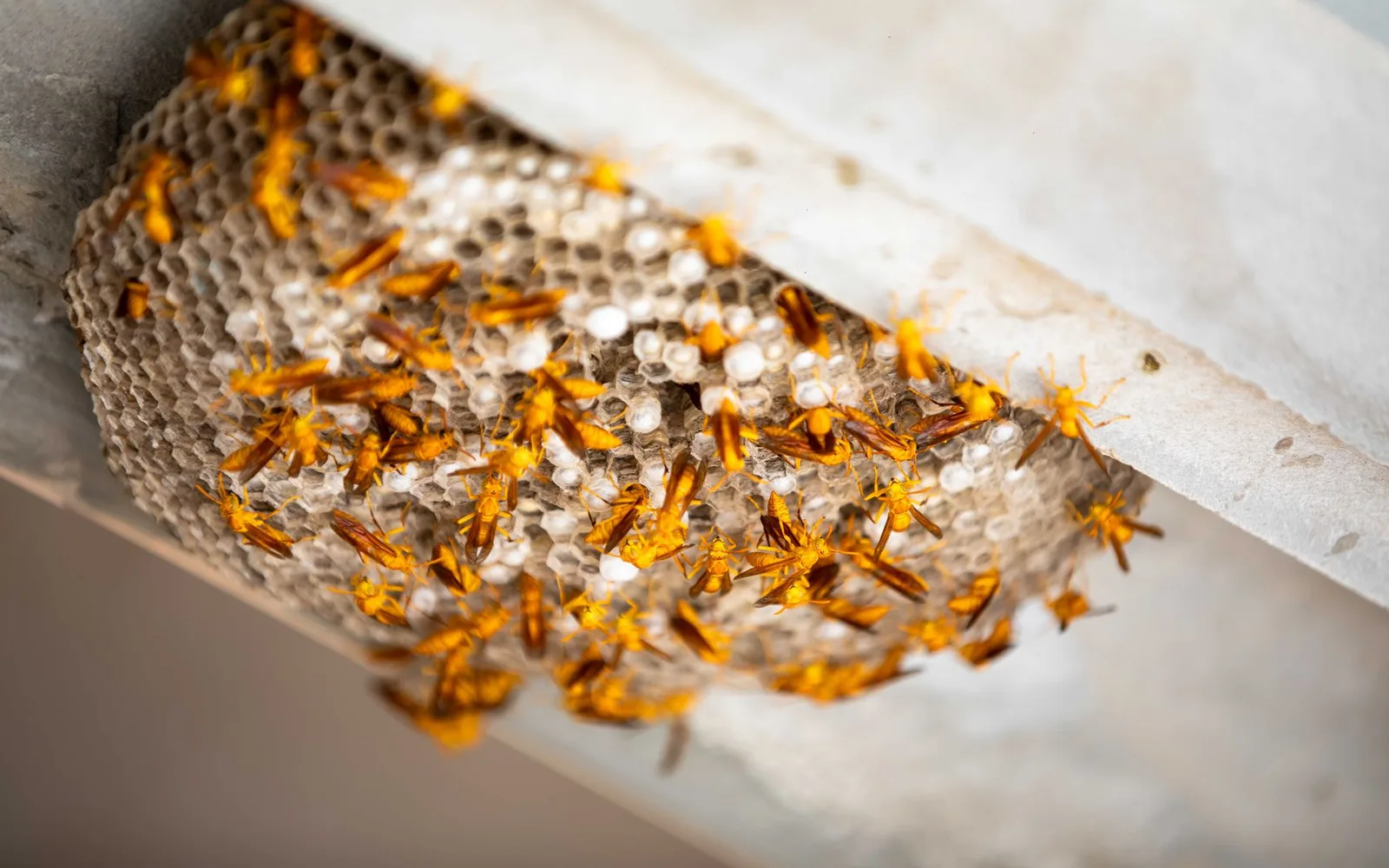
School and nursery pest control outside teaching hours
We walk the building before anything is applied, the canteen, the stores, the classroom floors, the yard and the drain points, then schedule the work for when the children are not in it, and hand over a report after every visit covering what was found, what was applied and in which area.
-
Targeted, not broadcast
Product goes into cracks and runways, never sprayed across open surfaces.
-
Told before we start
What we will use, where it goes, and what to cover or move before we arrive.
-
A follow-up visit
We return after the first treatment, because what survives it does not show on the day.
-
Homes and businesses
Apartments and villas, and kitchens and stores that need a record of each visit.
Why a spray over the break is not a programme
Three reasons, and all three surface in the first week of term.
The building empties, it is not cleared
The canteen shuts but the crumbs, the waste and the standing water stay where they are, and nobody walks the corridors for weeks. Activity spreads unseen and is found on the first morning back.
A broadcast spray lands at child height
A nursery child spends the day on the floor and below waist height. Product is not left on those surfaces, it goes into voids, joints and enclosed stations, which is where the harbourage sits anyway.
The record is asked for afterwards
When a parent asks, or an inspection arrives, what is wanted is the visit dates, what was applied and where, and that the building was empty at the time. None of that can be written up later from memory.
What sets the shape of a school programme
What we walk in the first survey, and why each item changes where the treatment goes and when it happens.
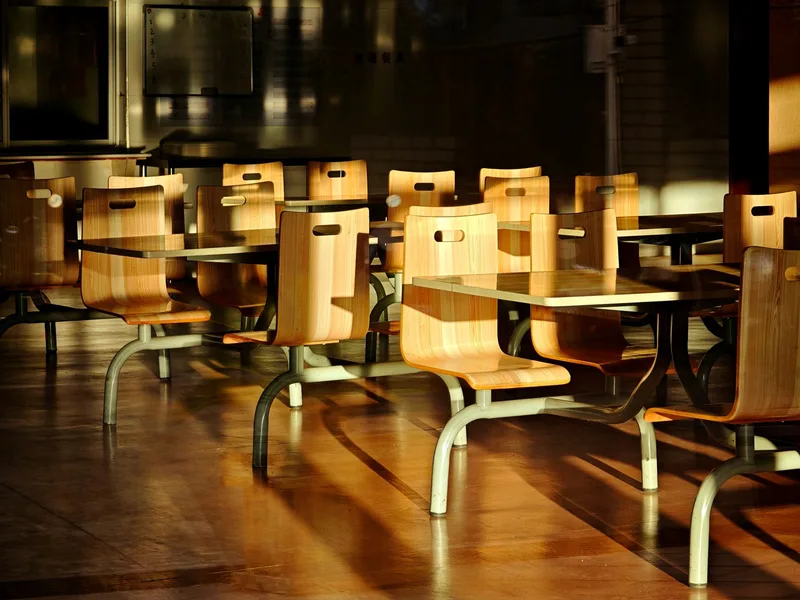
The canteen and the food store
All the food in the building is concentrated in this one wing, and it runs on the calendar rather than on the pest, so pressure builds while it is shut and shows on the first service.
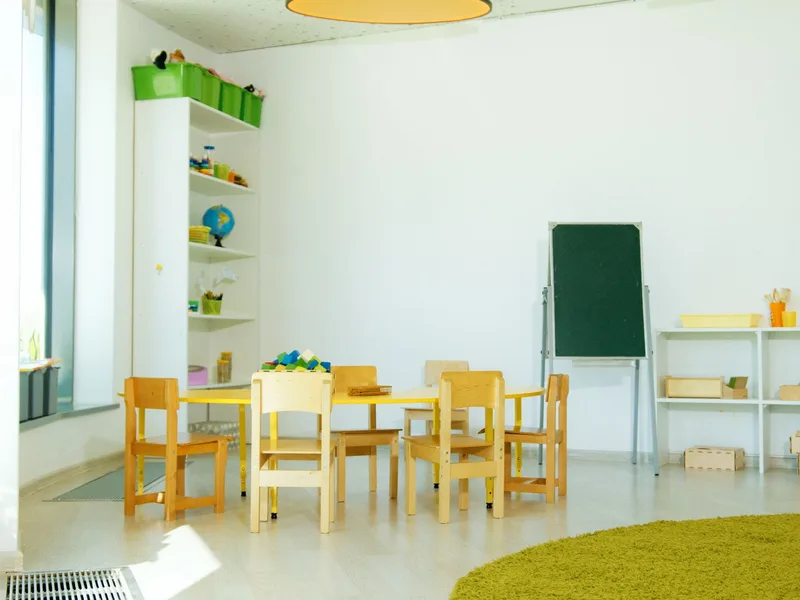
Floor level in a nursery
Mats and low shelving are the contact zone all day, and they are what moves the treatment off the surface and into the void behind the panel and the skirting.
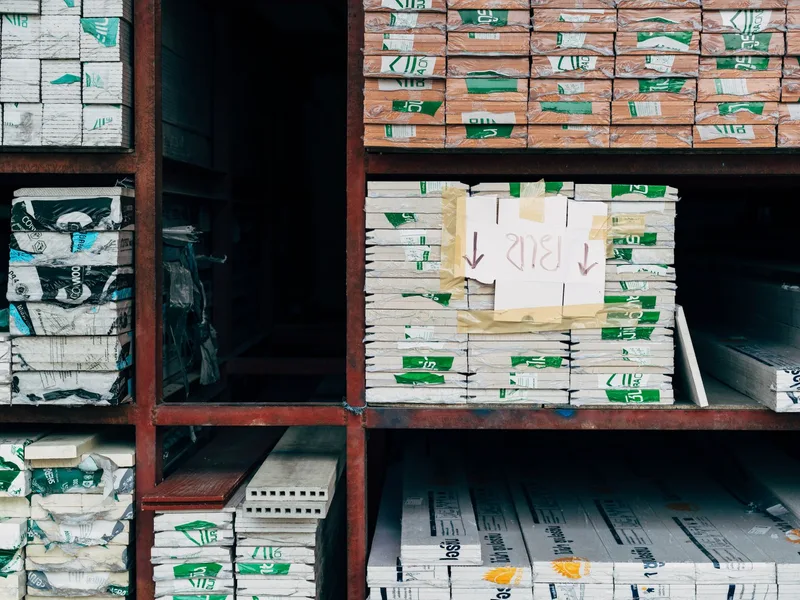
The paper and cardboard store
Corrugated board is harbourage and food at once, and a stack pushed against the wall hides the first evidence, which is why the store is treated before the classrooms.
Standing water in the yard
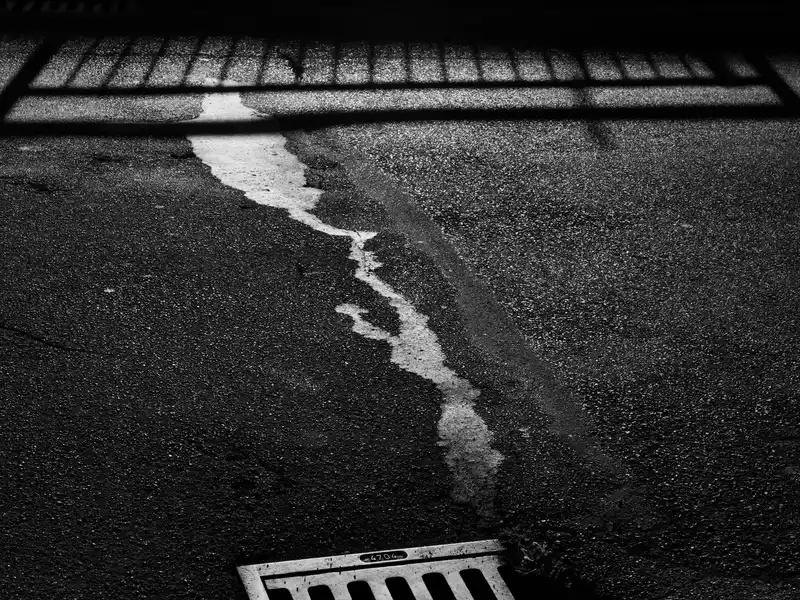
A blocked gully, an irrigation basin or an air conditioning tray is enough for a full mosquito cycle, and that is what gets treated, because fogging the air in a yard never reaches the breeding site.

The gap under the service door
A gap the width of a coin is an open door to a rodent, which is why the sealing comes before any bait goes down, otherwise the route stays open for the next one.
The wall line, irrigation and planting
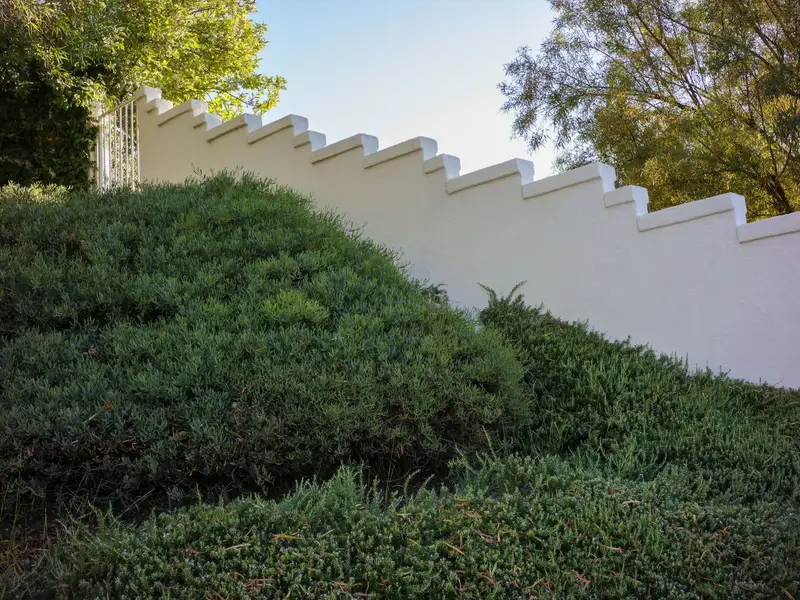
The drip line and the shrubs against the wall are the route ants and scorpions take toward the yard, and treating them stays outside, so nothing has to be applied indoors.
How the visit runs
Four steps. It starts with a survey of the building, and it is scheduled around the school calendar rather than ours.
-
1
Survey the building and zone it
We walk from the service gate through the canteen, the stores, the classrooms, the washrooms and the yard, record the entry routes, the moisture and the species pressure, and grade every area by who occupies it and for how long.
-
2
Schedule it against the calendar
Work that needs an empty building, closing entry points, treating the drains and the perimeter, goes into the long breaks. Station reads and spot treatment happen after the students leave or at the weekend. We agree in advance who opens the building and which rooms are cleared and covered.
-
3
Targeted treatment, out of reach
Gel bait inside joints and cracks, dust into the dry voids, enclosed stations fixed where a child cannot reach them, and targeted spray on junctions and service areas, never on open surfaces or play flooring.
-
4
Follow up and record it
We come back on the date the life cycle sets, such as a visit timed to a cockroach hatch, re-read the points, treat whatever is still active, and hand over a report with the dates, the positions and what the building itself needs closed.
What a school and nursery programme includes
-

Building survey and zone plan
A walk that fixes the entry routes, the food areas and the child areas, and a plan with the monitoring positions numbered before anything is installed.
-

Enclosed bait and stations
Stations fixed in positions a child cannot get to, and gel bait inside joints and cracks rather than on any surface.
-

Treatment outside teaching hours
After the students leave, at the weekend or in a break, on junctions and service areas, with the surfaces wiped down before anyone comes back.
-

Drains, waste and standing water
Kitchen and washroom gullies, the ground around the containers, the yard drains and the air conditioning trays, on every visit.
-

Room preparation and aftercare
Which rooms are cleared and which surfaces are covered before we arrive, what is wiped down before the students come back, and the ventilation time we set for each case on the call.
-

Scheduled visits and a report each time
Dates agreed across the term, and a report carrying the dates, the positions, the findings and the state of every corrective action.

Exactly where the product goes
-
1
Inside joints, not on surfaces
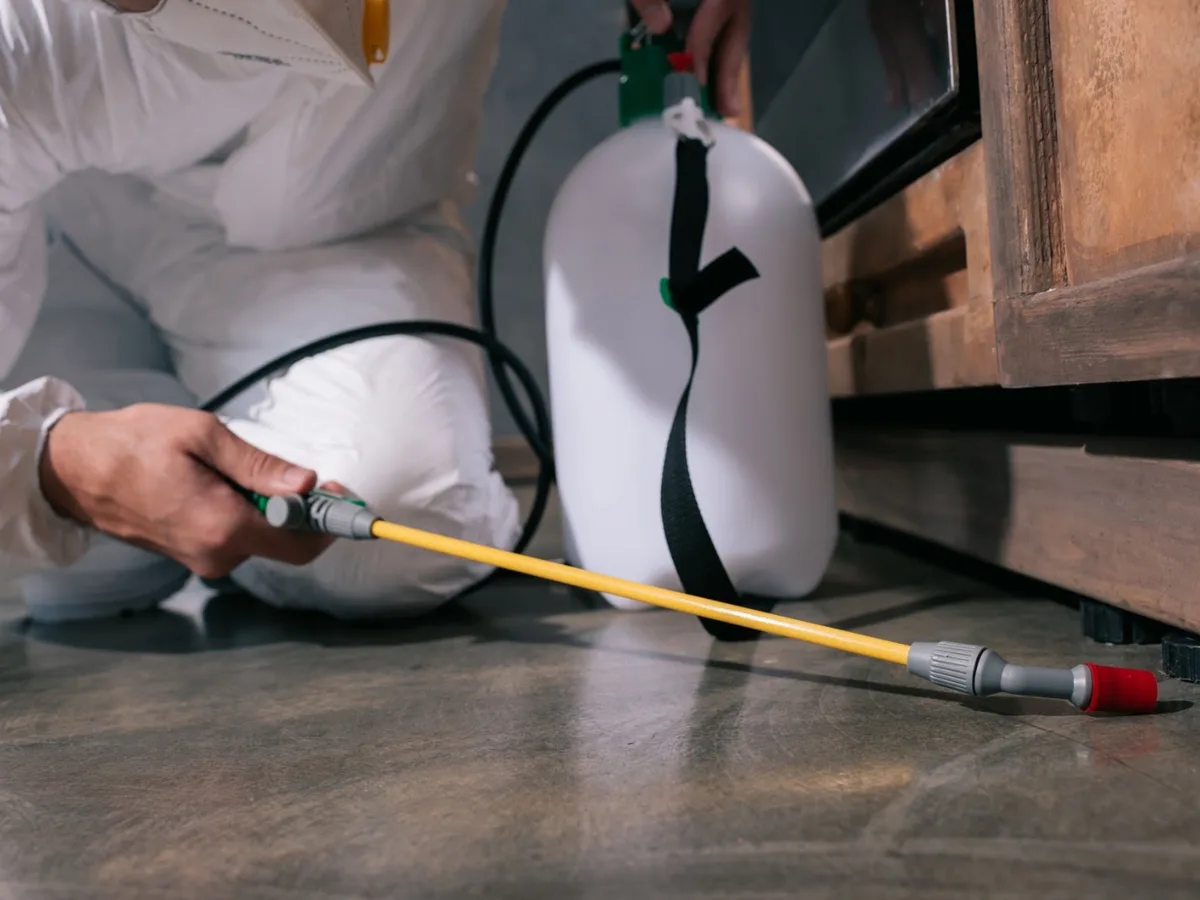
Bait goes into a cabinet joint or a gap behind an appliance, in dots the size of a match head, in places no hand reaches and nothing touches in ordinary use.
-
2
Away from where food is
Nothing is sprayed on preparation surfaces, inside food cupboards, or across open floor in living rooms and bedrooms.
-
3
A little preparation first
Cover dishes, move water bowls. We give you the ventilation time for your treatment on the call, rather than a general number printed on a page.
-
4
Tell us the exceptions
Asthma, an allergy or a pregnancy in the home changes the product choice and the order of the visit. It is a change we make often and it does not delay the appointment.
Our work
What customers say on Google
We had a cockroach problem, and after the treatment, praise God, the cockroaches have largely gone. Their work is tidy and they are respectful to deal with. I recommend them.
Translated from the Arabic original.
Excellent and courteous service, and the bed bugs were cleared from the house completely. I recommend them, God willing.
Translated from the Arabic original.
Excellent to deal with, very good service, and they explain. The staff explain how each product is used, completely honestly.
Translated from the Arabic original.
We cover Jeddah and Makkah
Every district has its own page for this service. Tap yours.
Common questions
When does the work happen? We have students in every day.
Outside teaching hours. Spot treatment and station reads happen after the students go home or at the weekend, and the work that needs an empty building, closing entry points, treating the drains and the perimeter, goes into the long breaks. We agree beforehand who opens the building and which rooms are cleared and covered, and the programme sits on a fixed schedule through Annual contracts rather than a call after every sighting.
Is it safe for the children, and when can they go back in?
The safety here is in the method before it is in the product. Bait sits inside enclosed stations fixed out of reach, gel goes inside joints, dust goes into voids nobody opens, and spray is targeted at junctions and service areas rather than floors or play surfaces, with the surfaces wiped down afterwards. The ventilation time we give you on the call, because it changes with the product and the space, and we do not print a fixed number here. Preparation is set out in pest control in restaurants.
We treated over the break and it came back in the first week. Why?
Usually two things. First, a single treatment in an empty building does not follow what hatches after it, since a surface residual does not reach through a cockroach egg case, and without a visit timed to the hatch the numbers return to where they were. Second, the way in stayed open: a gap under a service door, a missing drain cover, or delivery cartons going into the store exactly as they arrive. We close first, then treat, then come back on the date the life cycle sets.
What do we show if a parent asks or an inspection arrives?
The file. It carries the scope, the plan with the monitoring positions numbered, the date of every visit with the readings and the findings, what was applied and in which area, and the corrective actions with the state of each one. A school kitchen is handled on the same footing as a food premises, and that arrangement is set out in Restaurants and cafes. We record what was actually done and when, and we do not sign anything on anyone's behalf.
The yard has mosquitoes in the evening and scorpions near the wall.
Both are dealt with outside rather than in the classrooms. Mosquitoes begin in standing water: a blocked gully, an irrigation basin, a dumped tyre, an air conditioning tray, and fogging the air reaches none of it, which is set out in Mosquito control. Scorpions come along the drip line, the shrubs against the wall and any rubble or loose stone, so the perimeter strip is treated and the harbourage is lifted, which is set out in Scorpion control.
Does this cover the school's water tanks?
Yes, and on the same schedule, so that visits and files do not multiply. The tank is drained, the sediment is removed and the shell is washed at high pressure before any sterilisation, through Water tank cleaning, with Water tank sterilization following immediately after, and all of it dated in the same file. A break is the right slot for it, because the tank stays out of service until the work is finished.
What does a school pest control programme cost?
It is set after the survey, because the figure follows the floor area, how many buildings and storeys there are, whether there is a working kitchen, how many monitoring positions the layout demands, how often we come, and the fact that the work happens outside teaching hours. We walk the site first, then send a written proposal setting out the scope and the schedule before anything is signed.
Other services
Scroll to see the rest of what we do.
-
 Residential
Cockroach control
Residential
Cockroach control
-
 Residential
Bed bug control
Residential
Bed bug control
-
 Residential
Termite control
Residential
Termite control
-
 Residential
Rodents and mice
Residential
Rodents and mice
-
 Residential
Mosquito control
Residential
Mosquito control
-
 Residential
Fly control
Residential
Fly control
-
 Residential
Ant control
Residential
Ant control
-
 Residential
Gecko control
Residential
Gecko control
-
 Residential
Scorpion control
Residential
Scorpion control
-
 Residential
Snake control
Residential
Snake control
-
 Residential
Flea control
Residential
Flea control
-
 Residential
Bird and pigeon control
Residential
Bird and pigeon control
-
 Residential
Preventive treatment
Residential
Preventive treatment
-
 Residential
Disinfection
Residential
Disinfection
-
 Commercial
Annual contracts
Commercial
Annual contracts
-
 Commercial
Restaurants and cafes
Commercial
Restaurants and cafes
-
 Commercial
Hotels and apartments
Commercial
Hotels and apartments
-
 Commercial
Warehouses and factories
Commercial
Warehouses and factories
-
 Commercial
Retail and malls
Commercial
Retail and malls
-
 Commercial
Rest houses and farms
Commercial
Rest houses and farms
-
 Commercial
Fumigation
Commercial
Fumigation
-
 Water tanks
Water tank cleaning
Water tanks
Water tank cleaning
-
 Water tanks
Water tank sterilization
Water tanks
Water tank sterilization
-
 Water tanks
Water tank sealing
Water tanks
Water tank sealing
-
 Water tanks
Tank leak repair
Water tanks
Tank leak repair
Need pest control for schools and nurseries? Describe what you saw and we will tell you what it needs
A short call is enough. We tell you what we can see and the full cost before we start, and you decide after that.