
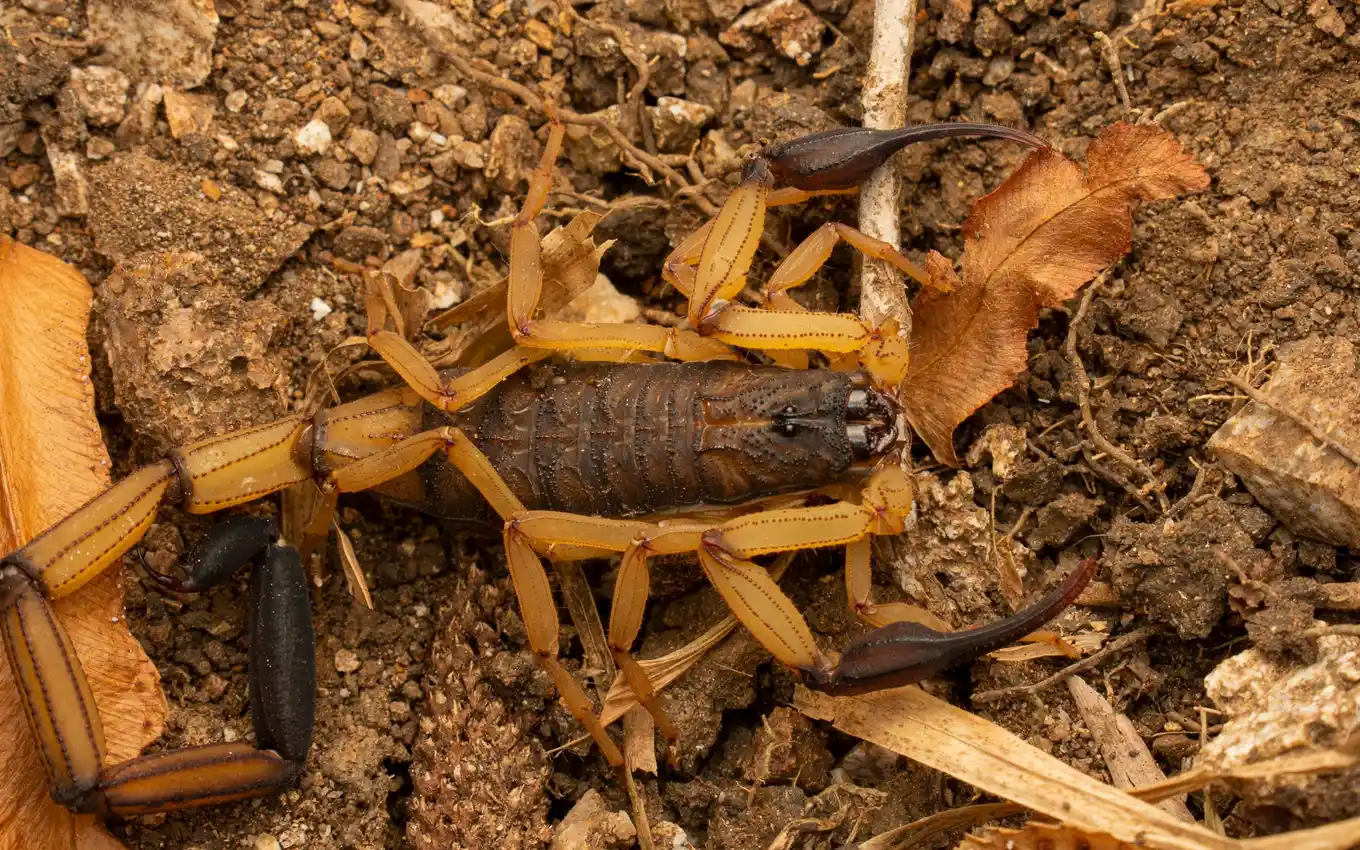
Scorpion control in Al Hamra Jeddah
Al Hamra sits directly on the Red Sea shore, and the salt air and year round high humidity change the nature of the scorpion problem completely. In Al Hamra, the scorpion seeks moisture as much as darkness and food. The stone foundations and walls have weathered visibly from salt, creating deep voids where a scorpion hides easily in the constant damp. The waterfront setting that makes the district prestigious also makes it a scorpion harbour.
-
Targeted, not broadcast
Product goes into cracks and runways, never sprayed across open surfaces.
-
Told before we start
What we will use, where it goes, and what to cover or move before we arrive.
-
A follow-up visit
We return after the first treatment, because what survives it does not show on the day.
-
Homes and businesses
Apartments and villas, and kitchens and stores that need a record of each visit.
Why they keep coming back in Al Hamra
The old stone bases of Al Hamra buildings show visible salt damage and weathering, metals are heavily rusted, and moisture on the foundations never fully dries even in summer. The method is set out in full on Scorpion control in detail.
Salt and moisture damage to stone foundations
In Al Hamra, seawater, salt and high humidity have weathered the stone bases of older buildings deeply. This erosion has carved voids and wide cracks. A scorpion hides in these voids during the day because they are very damp and cool. Treating these cracks is difficult because they are deep and lie below ground level.
Permanent moisture and mould on walls
Al Hamra has high humidity through the year, and outer walls carry mould and algae growth. This moisture attracts the small insects that draw scorpions. High humidity also slows the drying of pesticide residue and reduces its staying power. Our treatment needs products formulated for coastal environments.
Metal bases, rust and the gaps it creates
Some buildings in Al Hamra have metal reinforced bases, and salt corrosion has eaten these and created gaps around the metal. A scorpion uses these gaps as a climb route from underground. Rust and weathering mean the base is no longer sealed.
Al Hamra on the map
Al Hamra sits about 3.5 km from Al Andalus and about 3.5 km from Mushrifah.
Open in Google MapsWhat we check outside before we go in
The King Fahd Fountain and the Corniche define the district, hotels and cafes line the waterfront, and apartment towers face the salt wind and permanent moisture in the air.
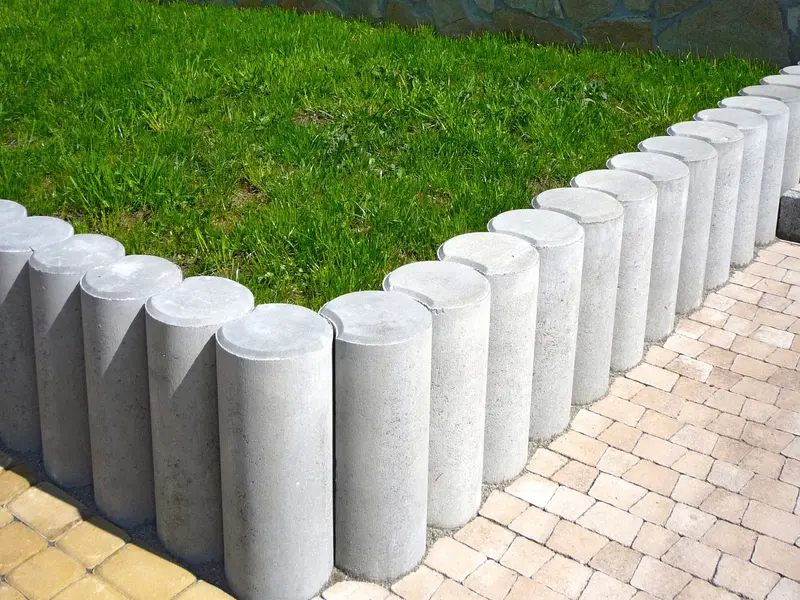
Wall joints and boundary walls
Walls and stone bases in Al Hamra are old and eroded by salt and humidity, and the gaps are deep and lie directly below ground.
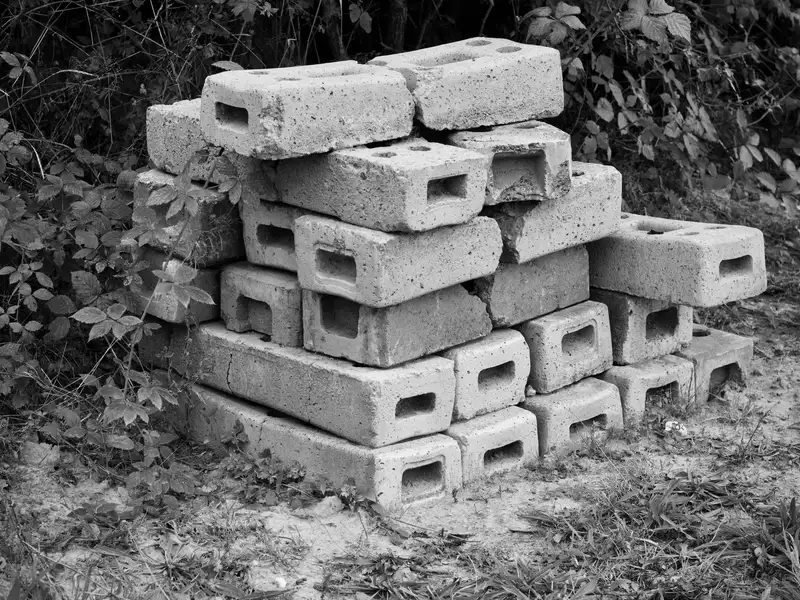
Rubble and stacked block
Both new and old building stands in Al Hamra, and the oldest is built from coral stone that was salt tolerant but has weathered with age.
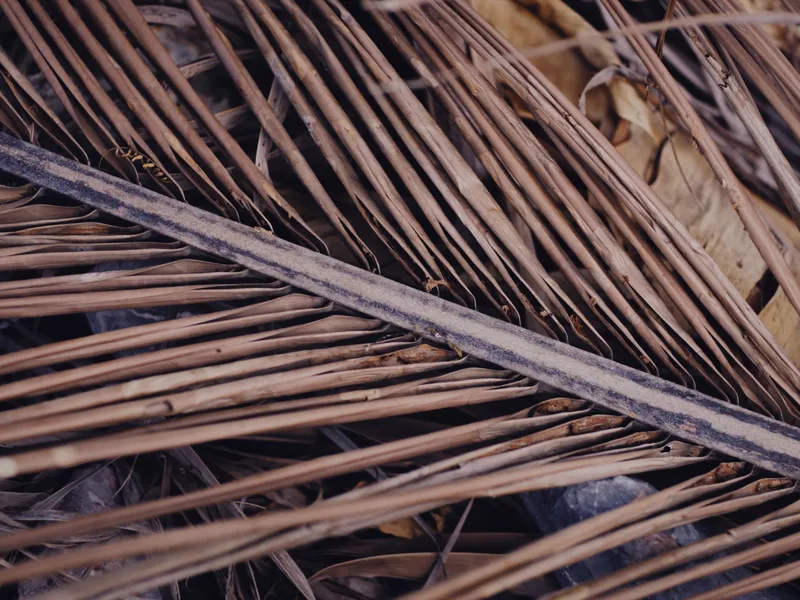
Palm fronds and garden litter
Gardens and balconies in Al Hamra hold trees and palms, and the permanent damp keeps vegetation and the insects it hosts.
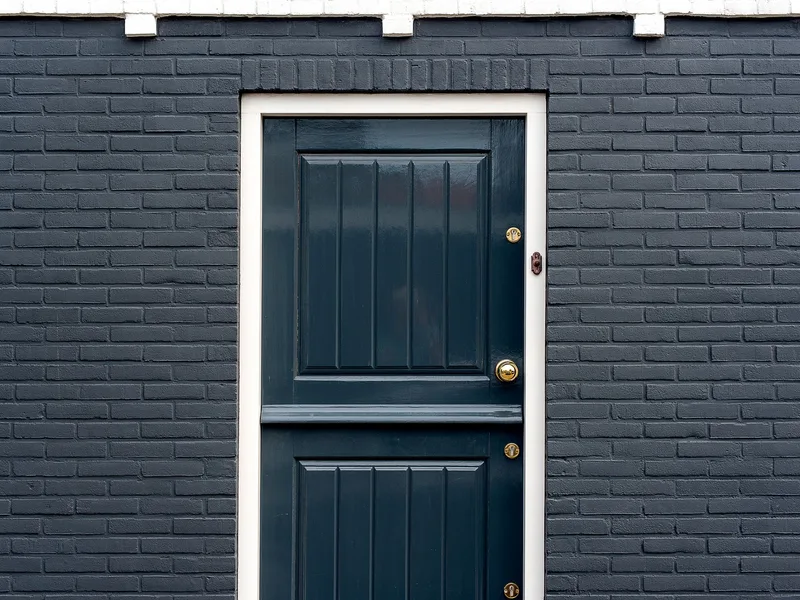
The gap under the door
Building doors in Al Hamra are old and the gap beneath them is wide, and salt has eaten the wooden frame and created openings.
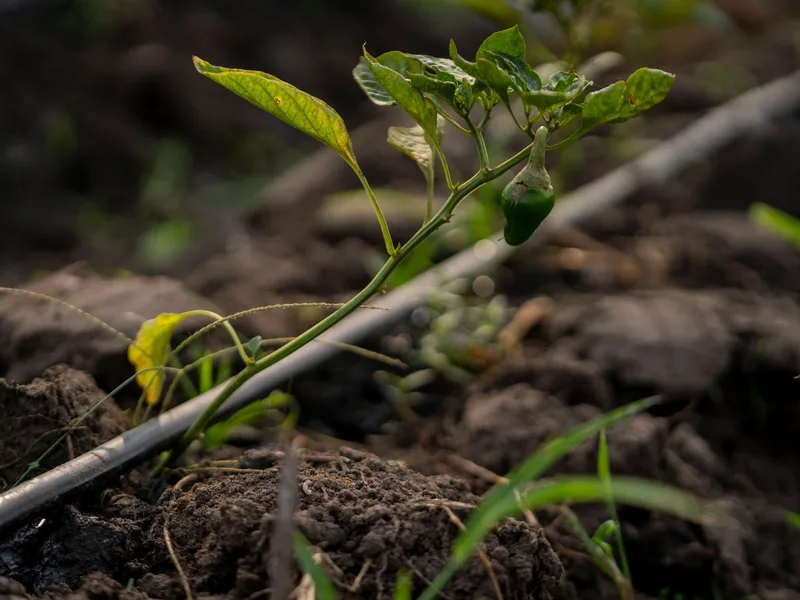
Irrigation and damp soil
Irrigation is daily and heavy in Al Hamra because of asphalt heat, and wet soil pools around foundations.
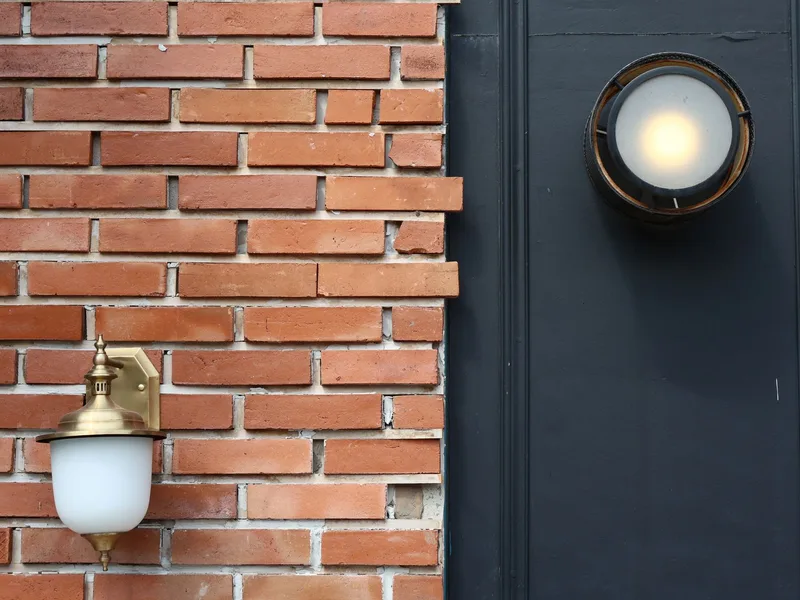
The light by the door
Exterior lights are abundant in Al Hamra because the Corniche is lit at night, and insects cluster on the lights, so scorpions follow them.
How we work
-
1
Night survey and perimeter inspection
We walk the perimeter after dark with an ultraviolet lamp, which makes a scorpion show up against wall and soil, and we record the harbourage, the ways in and how much prey is present.
-
2
Treat the harbourage and the building edge
Dust into the wall joints and the dry voids, and a targeted band tight against the foundation and around openings, because the material holds longer on a porous surface than on tile.
-
3
Close the ways in and remove the prey
A sweep under the doors, sealing where air-conditioning and drain pipes pass through, mesh over openings, and treatment of the cockroaches and insects it feeds on, so the reason to come in goes with them.
-
4
The follow-up visit
A scorpion can sit in its harbourage for weeks without moving, so the first pass does not always reach it. We come back to refresh the perimeter band and check what has appeared since.
What scorpion control includes
-

A night survey with an ultraviolet lamp
A walk of the perimeter after dark that fixes the harbourage and the entry routes before anything is applied.
-

Targeted perimeter and joint treatment
A band against the foundation, plus wall joints and cracks, never open floors or where children play.
-

Sealing openings and pipe entries
Drain openings, the points where air-conditioning pipes pass through, and mesh on shafts, which are the routes actually used.
-

Treating what it feeds on
Placed bait for cockroaches at entrances and service areas, because cutting the food supply reduces visits more than repeating a spray.
-

Aftercare instructions
What to lift out of the yard, where to move the outside light, and the ventilation time for your situation, which we give you on site.
-

A scheduled follow-up
A set date after the first treatment, a refreshed perimeter band and a check of anything new around it.
The character of Al Hamra
Coastal area: high humidity and salt air through the year
The coastal setting in Al Hamra means the scorpion does not flee from moisture as it flees from dryness. The salt air and high humidity have created a completely different environment. Our treatment focuses on specialised products and regular re treatment rather than a single definitive treatment.
Questions about this district
Why are there more scorpions in Al Hamra than in other districts?
Al Hamra is coastal and humidity is very high. A scorpion seeks moisture as well as darkness and food. The old stone foundation has weathered from salt and created perfect voids. Modern buildings suffer less, but older ones have weathered completely.
Does the salt in the air that I feel help the scorpion?
Yes, indirectly. Salt and moisture weathered the building, and that weathering created the voids where the scorpion hides. Moisture also attracts small insects, and the scorpion follows them. Salt is a building problem first, and the scorpion benefits from the result.
Why is treatment harder in Al Hamra than elsewhere?
High humidity speeds the drying of some pesticides and reduces their staying power. Rusted metal and weathered bases are difficult to treat. We use products formulated for coastal environments and need to re treat more often than in other districts.
Does high humidity mean the scorpion stays in Al Hamra all year?
Roughly yes. Whilst scorpion activity falls in other districts in winter, in Al Hamra the high humidity keeps it active. The scorpion does not sleep in Al Hamra the way it does elsewhere. Treatment needs to be regular.
What is the difference between regular pesticides and coastal formulations?
Regular pesticides dry quickly and their staying power falls in high humidity. Coastal formulations are made to keep working in damp conditions, and they last longer. In Al Hamra, we use specialised products and focused external treatment.
If you treat the foundation, will it protect against scorpions for a full year?
Moisture and salt reduce the staying power of any treatment quickly. We recommend regular treatments in Al Hamra, especially after the rainy season or when humidity rises. Long term protection is difficult in a coastal setting.
How much does scorpion control in Al Hamra cost?
It is set after the inspection, because the price follows the type of infestation, the size of the space, how far it has spread and the number of visits it needs. Send a photo and a description on WhatsApp and we will give you an estimate before we reach Al Hamra.
Nearby districts we cover
Other services in Al Hamra
Other services we provide to residents of Al Hamra.
-
 Residential
Cockroach control
Residential
Cockroach control
-
 Residential
Bed bug control
Residential
Bed bug control
-
 Residential
Termite control
Residential
Termite control
-
 Residential
Rodents and mice
Residential
Rodents and mice
-
 Residential
Mosquito control
Residential
Mosquito control
-
 Residential
Fly control
Residential
Fly control
-
 Residential
Ant control
Residential
Ant control
-
 Residential
Gecko control
Residential
Gecko control
-
 Residential
Snake control
Residential
Snake control
-
 Residential
Flea control
Residential
Flea control
-
 Residential
Bird and pigeon control
Residential
Bird and pigeon control
-
 Residential
Preventive treatment
Residential
Preventive treatment
-
 Residential
Disinfection
Residential
Disinfection
-
 Commercial
Annual contracts
Commercial
Annual contracts
-
 Commercial
Restaurants and cafes
Commercial
Restaurants and cafes
-
 Commercial
Hotels and apartments
Commercial
Hotels and apartments
-
 Commercial
Warehouses and factories
Commercial
Warehouses and factories
-
 Commercial
Schools and nurseries
Commercial
Schools and nurseries
-
 Commercial
Retail and malls
Commercial
Retail and malls
-
 Commercial
Rest houses and farms
Commercial
Rest houses and farms
-
 Commercial
Fumigation
Commercial
Fumigation
-
 Water tanks
Water tank cleaning
Water tanks
Water tank cleaning
-
 Water tanks
Water tank sterilization
Water tanks
Water tank sterilization
-
 Water tanks
Water tank sealing
Water tanks
Water tank sealing
-
 Water tanks
Tank leak repair
Water tanks
Tank leak repair
Need scorpion control in Al Hamra? Tell us what you saw and we will tell you what it needs
We reach Al Hamra at a time we agree, and you get the full cost before we start.